Clinical trial vials
1344×768 · AVIF · CC BY 4.0
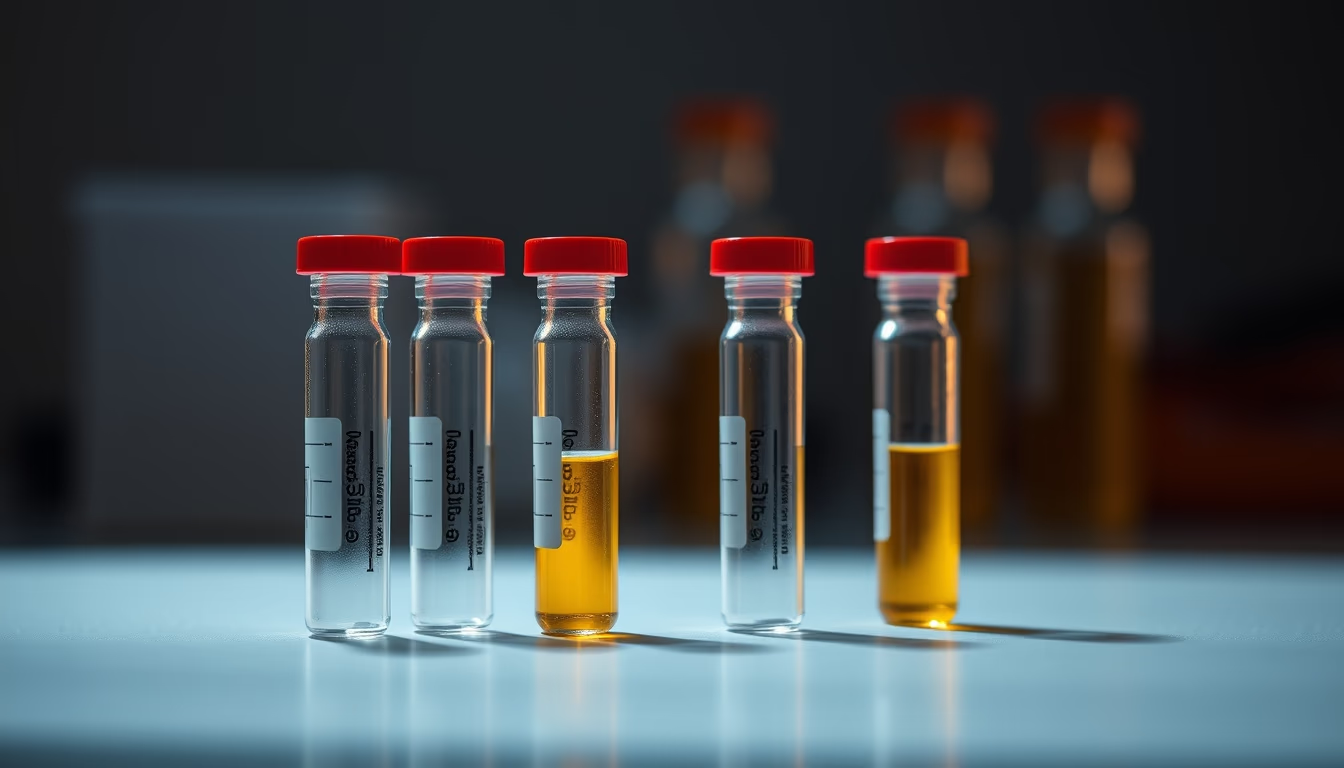
Clinical trial vials store and protect experimental drugs during rigorous research that determines safety and efficacy.
About this subject
Clinical trial vials are specialized containers designed to preserve the integrity of experimental drugs throughout the entire research process. They are primarily made of borosilicate glass, an inert material that does not react with pharmaceutical compounds and provides a barrier against moisture and oxygen. Plastic alternatives (such as polyolefins) are used for light-sensitive substances or those requiring flexibility. All vials must meet international standards such as the European Pharmacopoeia (EP) or the United States Pharmacopeia (USP), which set strict requirements for purity and resistance.
Each vial undergoes validated sterilization processes, such as moist heat in an autoclave or gamma radiation, in clean room facilities with ISO 5 classification or higher. Labeling includes barcodes, lot numbers, and expiration dates, enabling complete traceability from production to patient administration. This chain of custody is crucial to prevent errors and ensure participant safety.
Historically, regulation of clinical trial vials intensified after tragedies such as the thalidomide disaster in the 1960s, which exposed the need for stricter controls. Today, agencies like ANVISA (Brazil) and the FDA (USA) require compatibility tests between vial and drug, as well as stability studies under extreme temperature and light conditions. The choice of vial type can directly influence study outcomes: contamination or chemical reactions can invalidate data and jeopardize the approval of a new treatment.
In Brazil, research centers follow RDC 09/2015, which sets standards for primary packaging of experimental drugs. Additionally, vial logistics involve refrigerated transport and continuous temperature monitoring, especially for vaccines and biologics. The image symbolically represents the intersection of science and safety, where every material detail contributes to reliable therapeutic advances.
Frequently Asked Questions
Why are clinical trial vials often made of glass?
Borosilicate glass is inert and does not react with drugs, ensuring chemical stability and protecting against contamination. It also offers low gas permeability, preserving drug efficacy during long-term storage.
How is the sterility of these vials ensured?
Vials undergo validated sterilization processes such as autoclaving (steam under pressure) or gamma radiation exposure. This takes place in clean rooms with strict control of particles and microorganisms, following good manufacturing practices.
Why is correct labeling important for clinical trial vials?
Labeling with barcodes, lot numbers, and expiration dates enables traceability from production to patient. This prevents mix-ups, ensures protocol compliance, and maintains data integrity, as required by regulatory agencies like ANVISA and the FDA.
Direct URL
https://pub-c7d6a6ea828543ac903a74a341ccb2e1.r2.dev/imagens/clinical-trial-vials-fine-art-photography-p4.avifHow to credit
Include a visible link back to UtilizAí. Copy one of the snippets below:
<a href="https://xn--utiliza-eza.com/en/midia/imagens/clinical-trial-vials-fine-art-photography-p4">Clinical trial vials</a> by <a href="https://xn--utiliza-eza.com">UtilizAí</a>, licensed under <a href="https://creativecommons.org/licenses/by/4.0/">CC BY 4.0</a>.
[Clinical trial vials](https://xn--utiliza-eza.com/en/midia/imagens/clinical-trial-vials-fine-art-photography-p4) by [UtilizAí](https://xn--utiliza-eza.com), CC BY 4.0
License: CC-BY-4.0