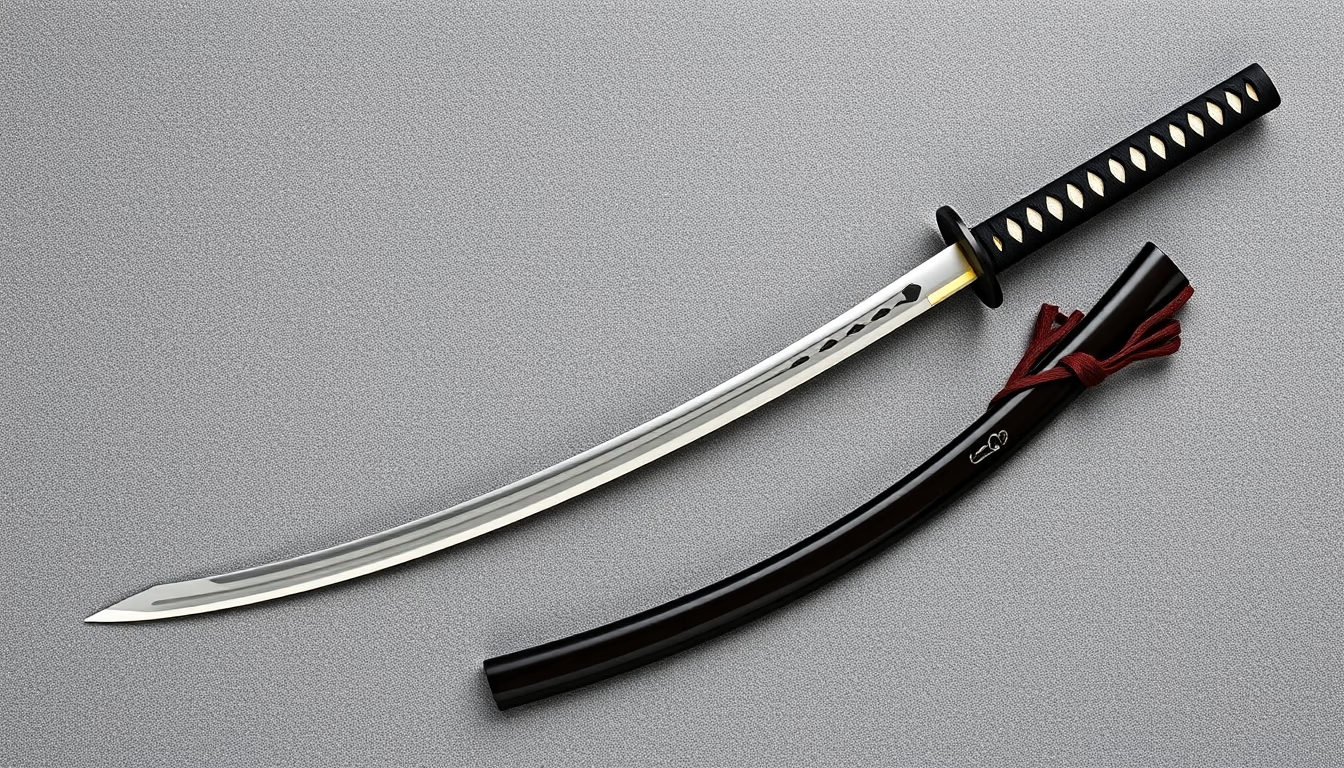
Claymore scottish
1344×768 · AVIF · CC BY 4.0

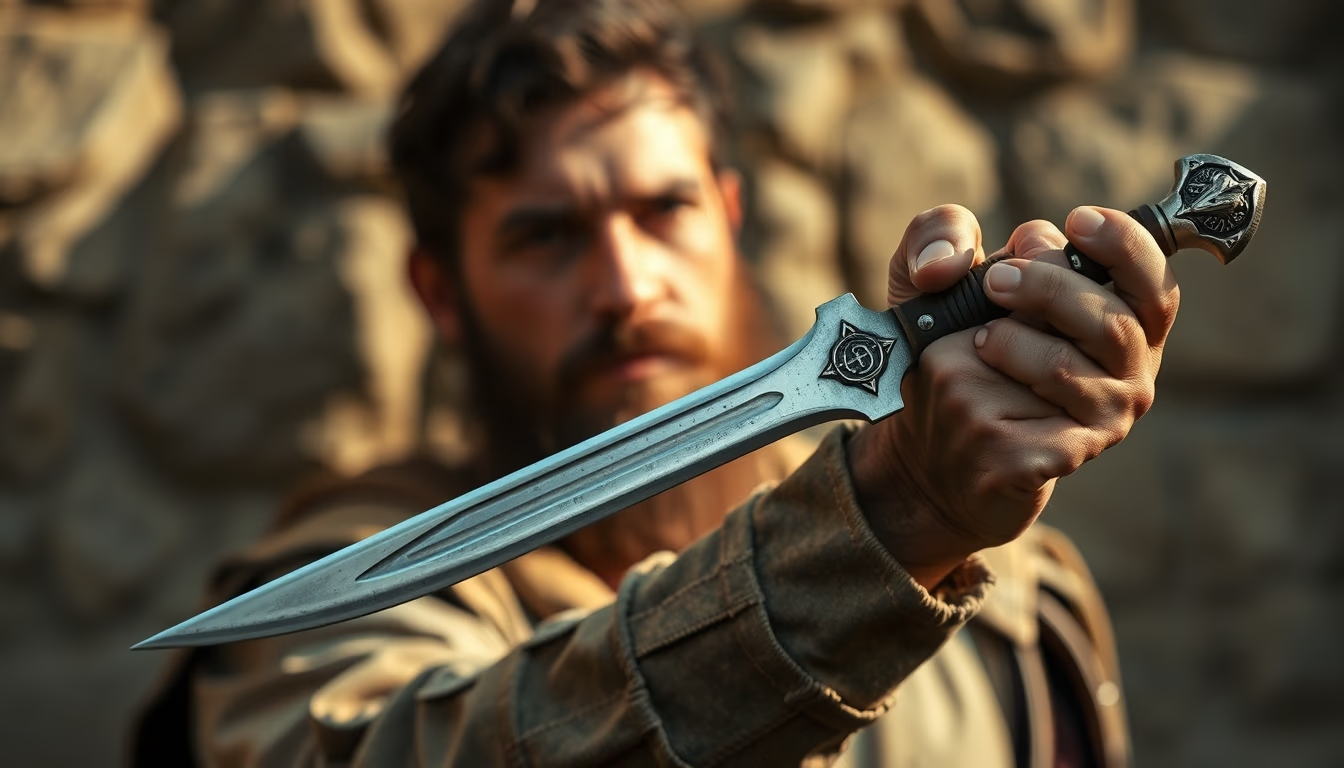
The Scottish claymore, a two-handed broadsword wielded by Highland clans, stands as an icon of bravery and Scottish cultural identity.
About this subject
The Scottish claymore is a two-handed broadsword that has become an enduring symbol of the Highland warrior heritage. Emerging around the 15th century, it was primarily wielded by Highland warriors in battles and clan conflicts. Its long blade, typically measuring between 1.2 and 1.5 meters, delivered powerful strikes capable of breaking enemy spears and shields.
The claymore's construction includes a hilt wrapped in leather or metal, a cruciform guard with quillons angled forward, and a pommel often shaped like a wheel. These features not only provided balance and control but also intimidated opponents. The total weight ranged from 2.5 to 3.5 kg, requiring considerable strength and training for effective use.
Historically, the claymore shone in the Scottish Wars of Independence, especially under leaders like William Wallace and Robert the Bruce. Later, it was used in the Jacobite risings of the 17th and 18th centuries, symbolizing resistance against English rule. The Battle of Culloden in 1746 marked the decline of the claymore's military use after the Jacobite defeat.
In popular culture, the claymore appears in films like Braveheart and the Highlander series, perpetuating its image as a noble and fierce weapon. Today, it is revered as a collector's item and Scottish national symbol, often displayed in museums and traditional ceremonies. Its legacy transcends martial function, representing courage and independence.
Frequently Asked Questions
What is the difference between a claymore and other two-handed European swords?
The claymore is distinguished by its cruciform guard with forward-angled quillons and a wheel-shaped pommel, and it is often lighter than continental two-handed swords, allowing greater agility.
Was the claymore used by all Scots?
No. Its use was restricted to trained warriors, mainly from Highland clans, and it was not common among peasants or Lowland inhabitants.
What is the average weight of a historical claymore?
The weight ranged from 2.5 to 3.5 kg, though practice or ceremonial examples could be lighter or heavier.
Direct URL
https://pub-c7d6a6ea828543ac903a74a341ccb2e1.r2.dev/imagens/claymore-scottish-studio-editorial-portrait-fresh1.avifHow to credit
Include a visible link back to UtilizAí. Copy one of the snippets below:
<a href="https://xn--utiliza-eza.com/en/midia/imagens/claymore-scottish-studio-editorial-portrait-fresh1">Claymore scottish</a> by <a href="https://xn--utiliza-eza.com">UtilizAí</a>, licensed under <a href="https://creativecommons.org/licenses/by/4.0/">CC BY 4.0</a>.
[Claymore scottish](https://xn--utiliza-eza.com/en/midia/imagens/claymore-scottish-studio-editorial-portrait-fresh1) by [UtilizAí](https://xn--utiliza-eza.com), CC BY 4.0
License: CC-BY-4.0