Cicada wing pattern
1344×768 · AVIF · CC BY 4.0

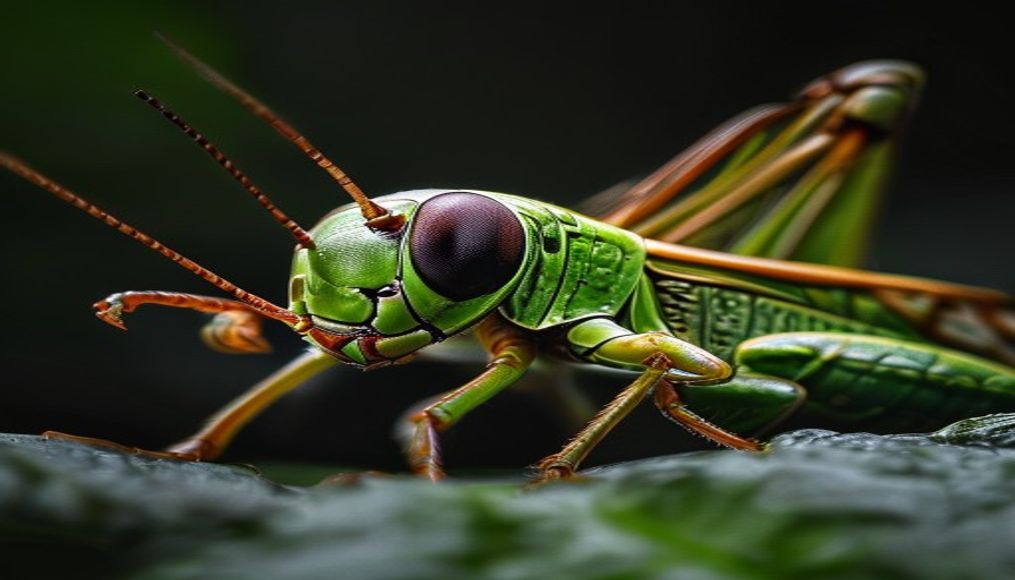
Cicada wings display intricate vein patterns that inspire studies in biomimetics and materials engineering.
About this subject
Cicadas are insects of the order Hemiptera, famous for the loud sounds produced by males. Their forewings are membranous and transparent with a dense network of veins that create unique patterns for each species. These veins provide structural support, but also play roles in aerodynamics and water repellency. Studies show that the wing surface has nanostructures that kill bacteria and prevent particle adhesion, a phenomenon known as the cicada effect.
The wing vein pattern varies by species and habitat. In tropical regions like the Amazon, wings may have greenish or brownish tints due to pigments and chitin structure. Scientists have used these patterns to develop new materials, such as self-cleaning surfaces and more efficient drone wings. The geometry of veins also influences sound resonance: during stridulation, wings vibrate at specific frequencies, amplifying the song.
Interestingly, some cicadas have wings with dark spots that mimic predator eyes, a defense mechanism against birds and lizards. Additionally, the durability of wings is remarkable: despite being thin, they resist impacts and moisture thanks to chitin and resilient proteins. Researchers at the University of Adelaide in Australia discovered that the veins form a fractal pattern, optimizing mechanical stress distribution.
Frequently Asked Questions
Why are cicada wings used as inspiration for materials?
The nanostructures on cicada wings kill bacteria and repel water, inspiring self-cleaning surfaces and antimicrobial biomaterials. Additionally, the vein arrangement improves aerodynamics, being applied in drone designs.
How do cicada wing patterns vary between species?
Each species has a unique vein pattern, which can be used for identification. Species from different habitats have distinct vein densities and colors, adapted to local conditions.
Do cicada wings play a role in sound production?
Yes, during stridulation, males vibrate their wings to amplify the song. The wing structure acts as a resonance chamber, determining the frequency and timbre of the sound.
Direct URL
https://pub-c7d6a6ea828543ac903a74a341ccb2e1.r2.dev/imagens/cicada-wing-pattern-macro-closeup-p1.avifHow to credit
Include a visible link back to UtilizAí. Copy one of the snippets below:
<a href="https://xn--utiliza-eza.com/en/midia/imagens/cicada-wing-pattern-macro-closeup-p1">Cicada wing pattern</a> by <a href="https://xn--utiliza-eza.com">UtilizAí</a>, licensed under <a href="https://creativecommons.org/licenses/by/4.0/">CC BY 4.0</a>.
[Cicada wing pattern](https://xn--utiliza-eza.com/en/midia/imagens/cicada-wing-pattern-macro-closeup-p1) by [UtilizAí](https://xn--utiliza-eza.com), CC BY 4.0
License: CC-BY-4.0