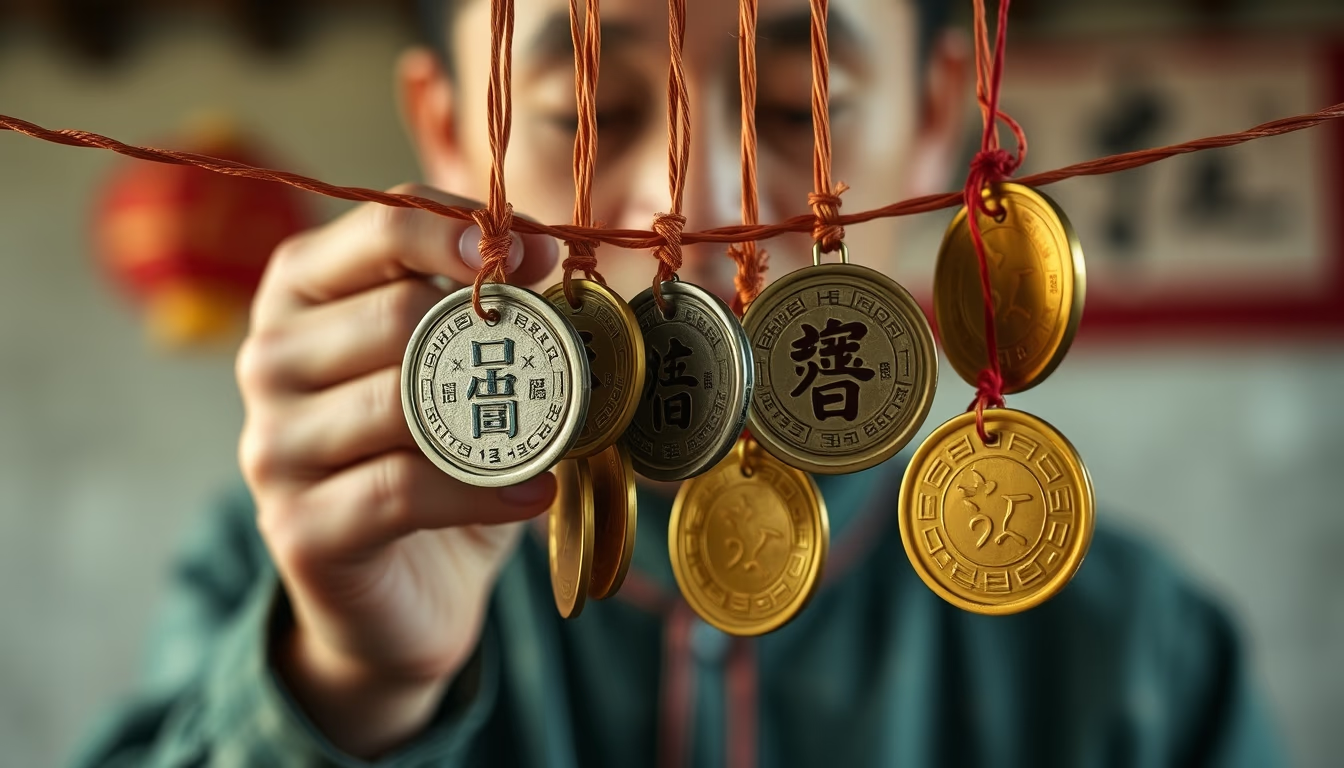
Chinese cash coins string
1344×768 · AVIF · CC BY 4.0
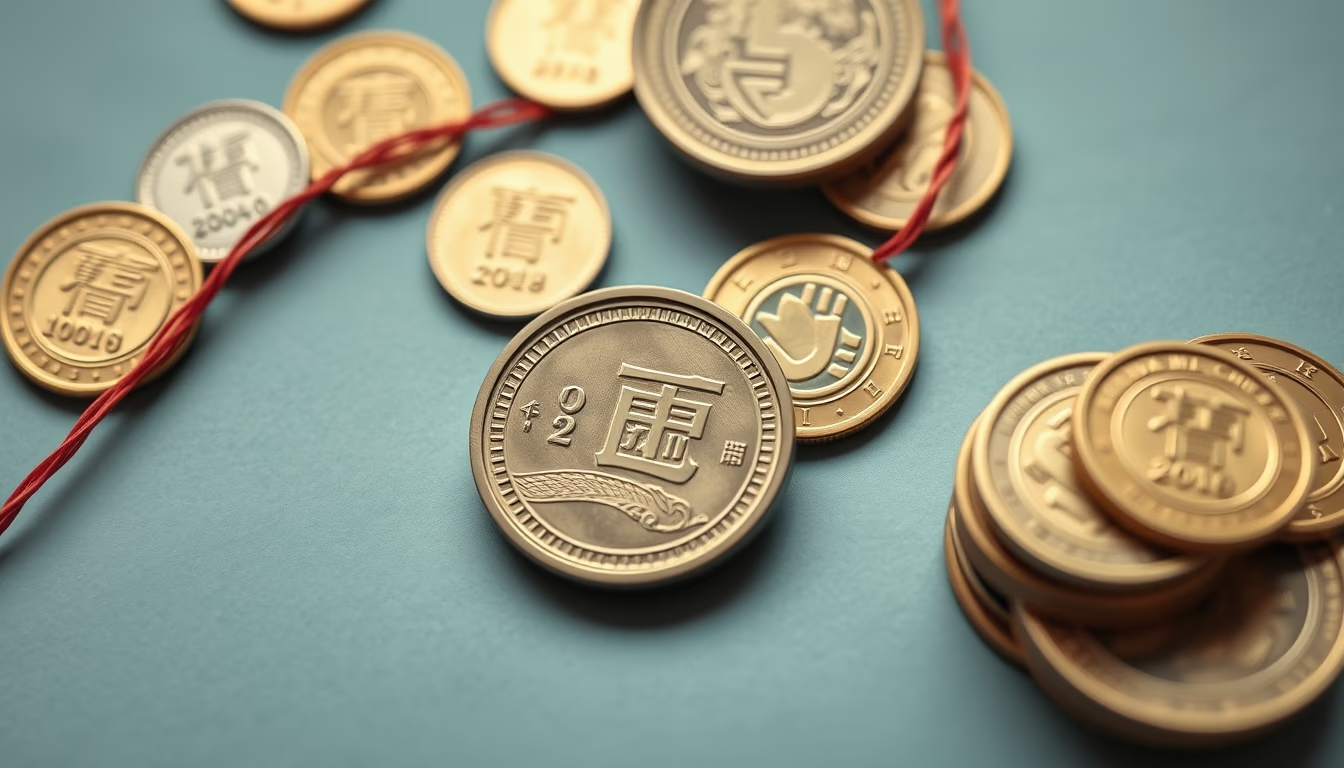
A string of traditional Chinese cash coins, historically used as currency and as a symbol of prosperity in Chinese culture.
About this subject
Traditional Chinese cash coins, known as 'cash coins' or 'wen', are round coins with a square hole in the center, a design that endured for over two millennia in imperial China. These coins were typically made from alloys of copper, tin, and lead, and their form symbolized the union of heaven (circle) and earth (square). Different dynasties issued coins with specific inscriptions. To facilitate transport and counting, coins were often strung together on cords, forming 'strings of cash coins' with standardized values, such as 100 or 1000 coins per string. These strings were widely used in everyday commerce until the late 19th century.
Culturally, strings of cash coins also acquired symbolic meanings. In Chinese tradition, strung coins are frequently used as good luck charms, especially during the Chinese New Year, to attract wealth and prosperity. They are common at wedding ceremonies as gifts, and in funeral rituals to ensure a safe passage to the afterlife. Moreover, the image of a string of coins appears in many art forms, such as paintings and sculptures, representing fortune.
Historically, the production of cash coins was a state monopoly in imperial China, with mints operated by the government. Coins were cast in molds, not struck, and their inscriptions indicated the reigning emperor's name. Although replaced by modern coinage in the early 20th century, cash coins remain collected by numismatists and enthusiasts of Chinese history. Authentic strings of cash coins are rare and valuable items, offering a fascinating glimpse into the economy and culture of ancient China.
Frequently Asked Questions
What was the value of a string of cash coins in imperial China?
A standard string usually contained 100 or 1000 coins, called a 'guan' or 'chuan'. The value depended on the dynasty and region, but it was a practical unit for daily transactions.
Why do cash coins have a square hole?
The square hole allowed coins to be strung on cords for easy transport and counting. Additionally, the round shape with a square hole symbolized the Chinese belief in the harmony between heaven (round) and earth (square).
Are cash coins still used today?
They are no longer used as currency, but are popular in numismatic collections, as good luck charms, and in traditional decorations, especially during Chinese New Year.
Direct URL
https://pub-c7d6a6ea828543ac903a74a341ccb2e1.r2.dev/imagens/chinese-cash-coins-string-isometric-flat-lay-fresh14.avifHow to credit
Include a visible link back to UtilizAí. Copy one of the snippets below:
<a href="https://xn--utiliza-eza.com/en/midia/imagens/chinese-cash-coins-string-isometric-flat-lay-fresh14">Chinese cash coins string</a> by <a href="https://xn--utiliza-eza.com">UtilizAí</a>, licensed under <a href="https://creativecommons.org/licenses/by/4.0/">CC BY 4.0</a>.
[Chinese cash coins string](https://xn--utiliza-eza.com/en/midia/imagens/chinese-cash-coins-string-isometric-flat-lay-fresh14) by [UtilizAí](https://xn--utiliza-eza.com), CC BY 4.0
License: CC-BY-4.0