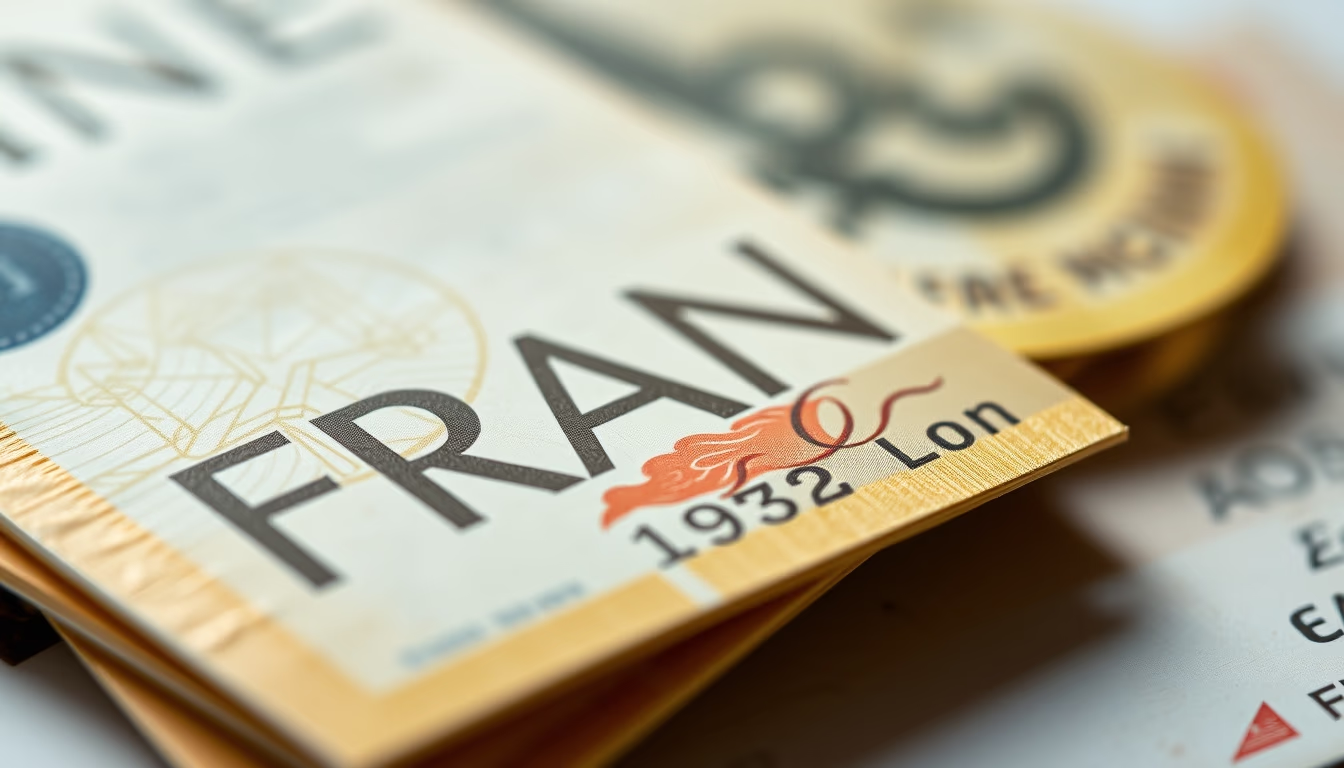
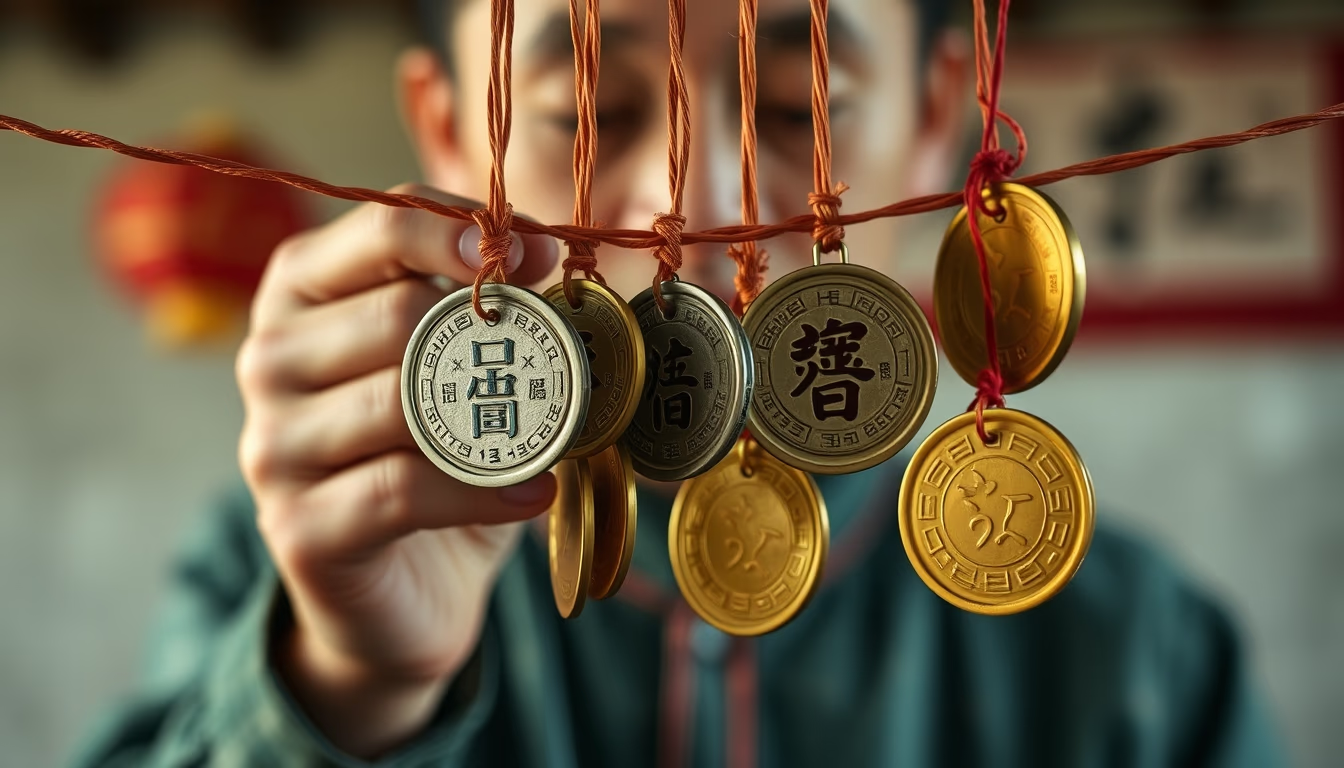
Chinese cash coins string
1344×768 · AVIF · CC BY 4.0
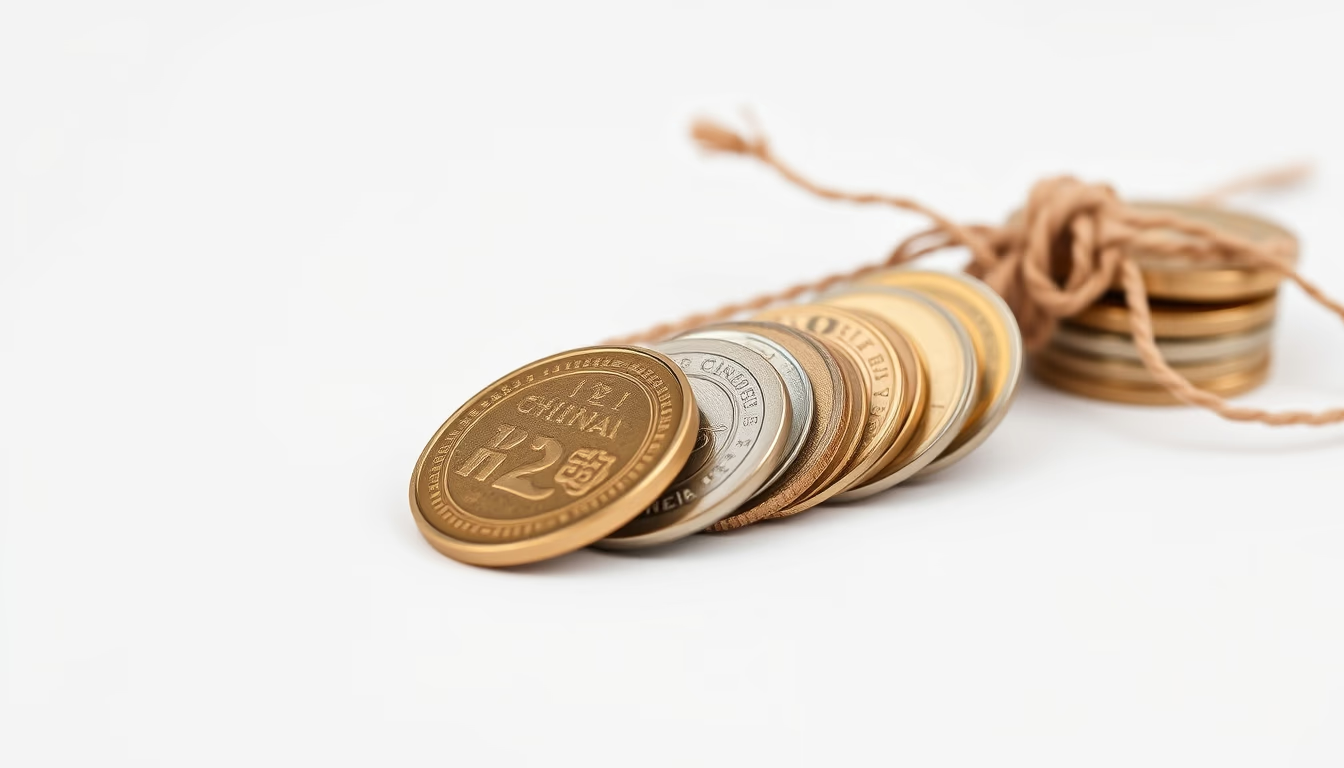
Chinese cash coins, with square holes, were strung together on cords to facilitate transport and trade, forming a monetary system that lasted for millennia.
About this subject
Chinese cash coins, known as wen or qián, feature an iconic design: round with a central square hole. This shape was not merely aesthetic, as it allowed coins to be strung on cords, creating a practical method of storage and transport. Originally cast in bronze or iron, these coins circulated in China from the Qin dynasty (221, 206 BCE) until the end of the Qing Empire in 1912. The square hole symbolized the earth, while the circle represented the heavens, reflecting Chinese cosmological concepts.
Strings of coins varied in quantity, but the common standard was 100 coins per string, known as diaqian. In practice, merchants often used strings of 1000 coins, called guan. This system simplified high-value transactions, eliminating the need to count individual coins. The coins were also used as talismans, such as feng shui coins tied with red strings to attract prosperity.
With maritime trade expansion, Chinese cash coins became an international currency in East Asia, used in Japan, Korea, Vietnam, and even parts of Southeast Asia and East Africa. They influenced local coinage, such as the Japanese sen. Production was decentralized, with many provinces issuing their own variants, resulting in a vast diversity of inscriptions describing the emperor's name and value.
Today, cash coins are highly collectible, and original strings are rare and valuable to numismatists. Modern replicas are common in souvenir shops and spiritual practices. The study of these coins offers insights into the economy, art, and material culture of imperial China.
Frequently Asked Questions
Why do Chinese cash coins have a square hole?
The square hole allowed the coins to be strung on cords for easy transport and counting. Additionally, the square shape symbolized the earth, while the circle represented heaven in Chinese cosmology.
How many coins were in a typical string?
The standard was 100 coins per string, called diaqian, but merchants often used strings of 1000 coins, known as guan, for larger transactions.
Are cash coins still used today?
Not as currency, but they are popular as collectibles, feng shui talismans, and decorative replicas. Many people use them in rituals to attract good luck and prosperity.
Direct URL
https://pub-c7d6a6ea828543ac903a74a341ccb2e1.r2.dev/imagens/chinese-cash-coins-string-commercial-product-photography-fresh6.avifHow to credit
Include a visible link back to UtilizAí. Copy one of the snippets below:
<a href="https://xn--utiliza-eza.com/en/midia/imagens/chinese-cash-coins-string-commercial-product-photography-fresh6">Chinese cash coins string</a> by <a href="https://xn--utiliza-eza.com">UtilizAí</a>, licensed under <a href="https://creativecommons.org/licenses/by/4.0/">CC BY 4.0</a>.
[Chinese cash coins string](https://xn--utiliza-eza.com/en/midia/imagens/chinese-cash-coins-string-commercial-product-photography-fresh6) by [UtilizAí](https://xn--utiliza-eza.com), CC BY 4.0
License: CC-BY-4.0