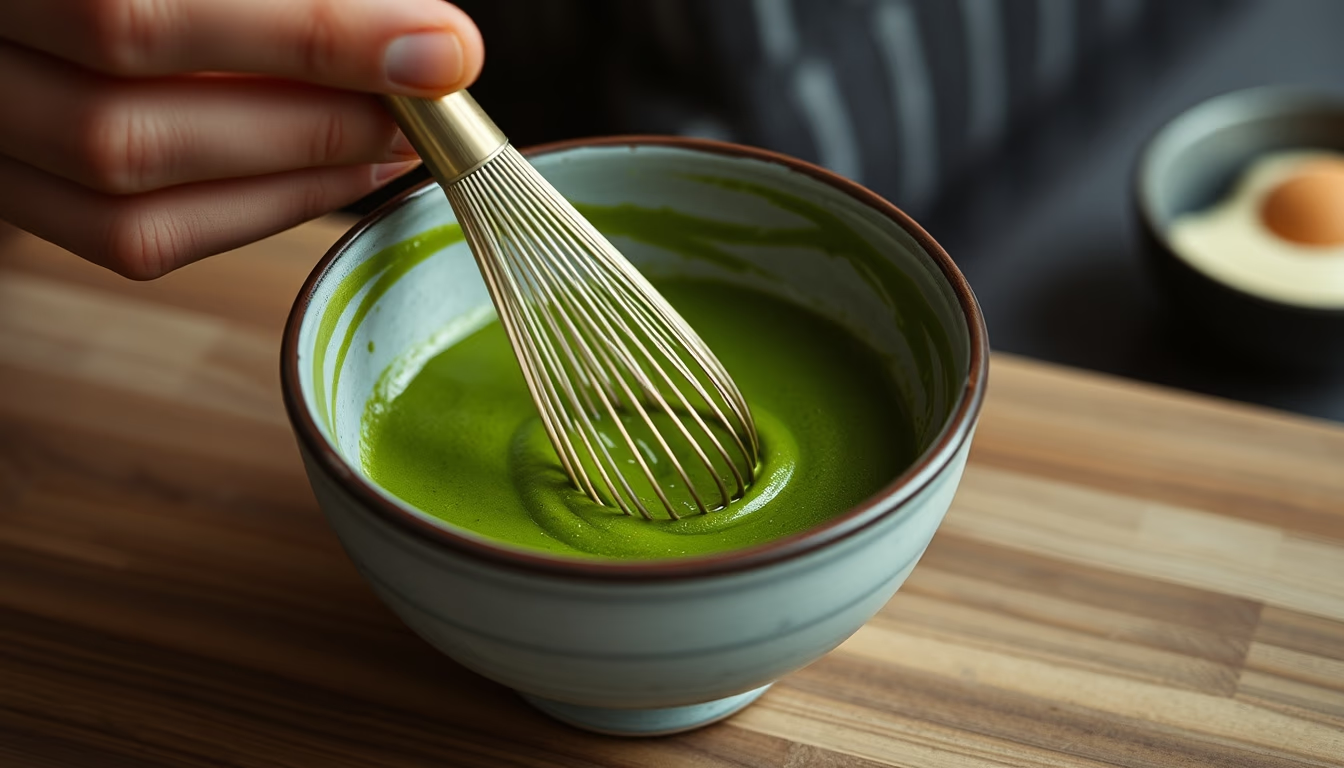
Cherry blossom tea garden
1344×768 · AVIF · CC BY 4.0
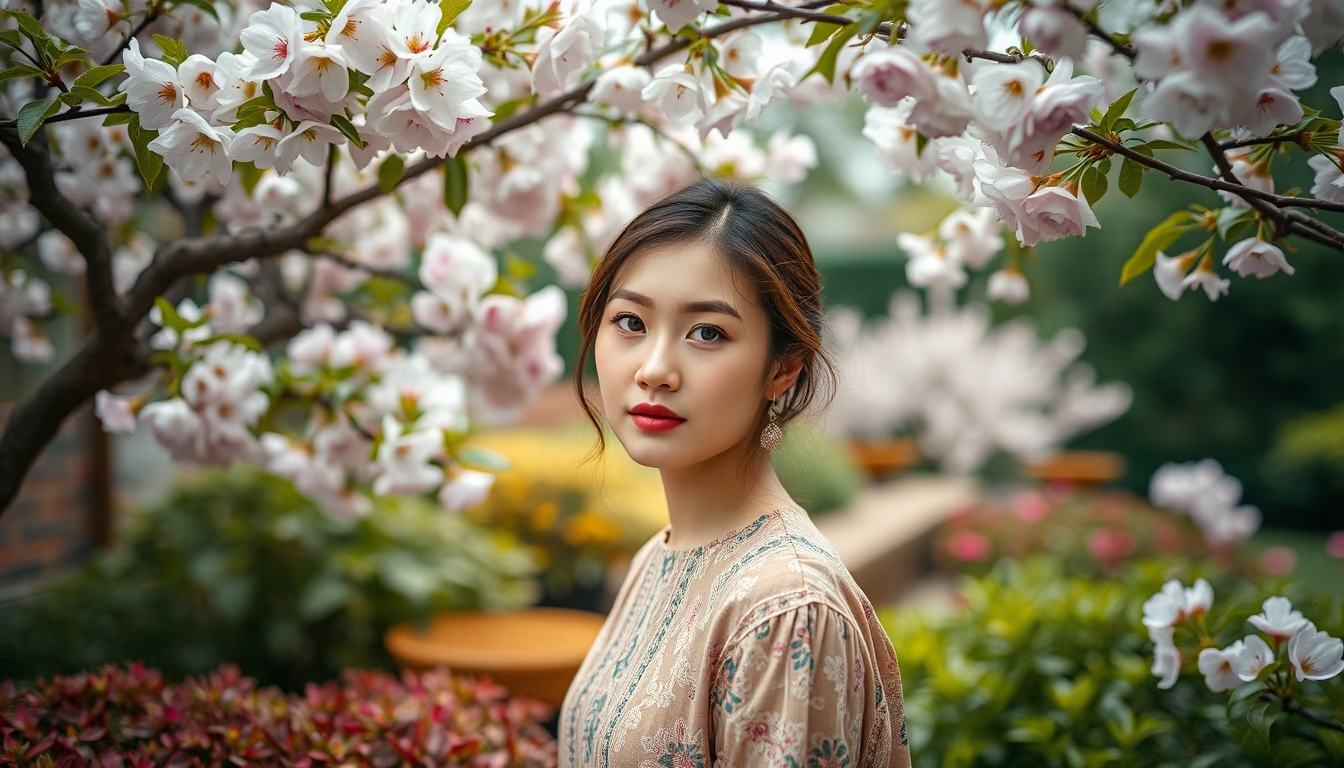
Tea gardens with cherry blossoms combine two centuries-old Japanese traditions: the tea ceremony and the contemplation of cherry blossoms (hanami).
About this subject
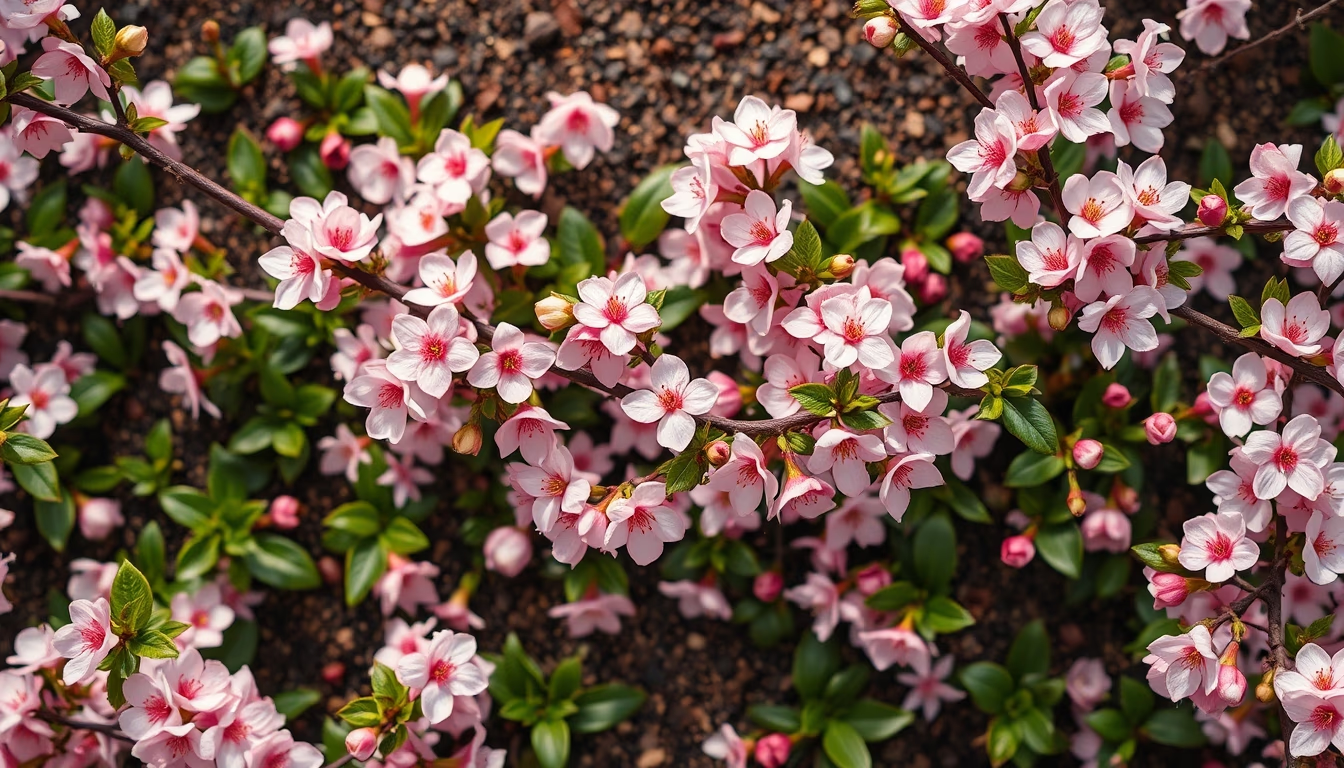
The combination of cherry blossoms and a tea garden evokes the essence of Japanese aesthetics, known as wabi-sabi, which values simplicity and ephemeral beauty. In Japan, cherry blossom (sakura) viewing has been celebrated for over a thousand years, initially as an omen of the rice harvest and later as a symbol of life's renewal. The hanami tradition, meaning "flower viewing," began in the Nara period (710, 794) and solidified during the Heian period (794, 1185) among the aristocracy, who held picnics under the blooming trees.
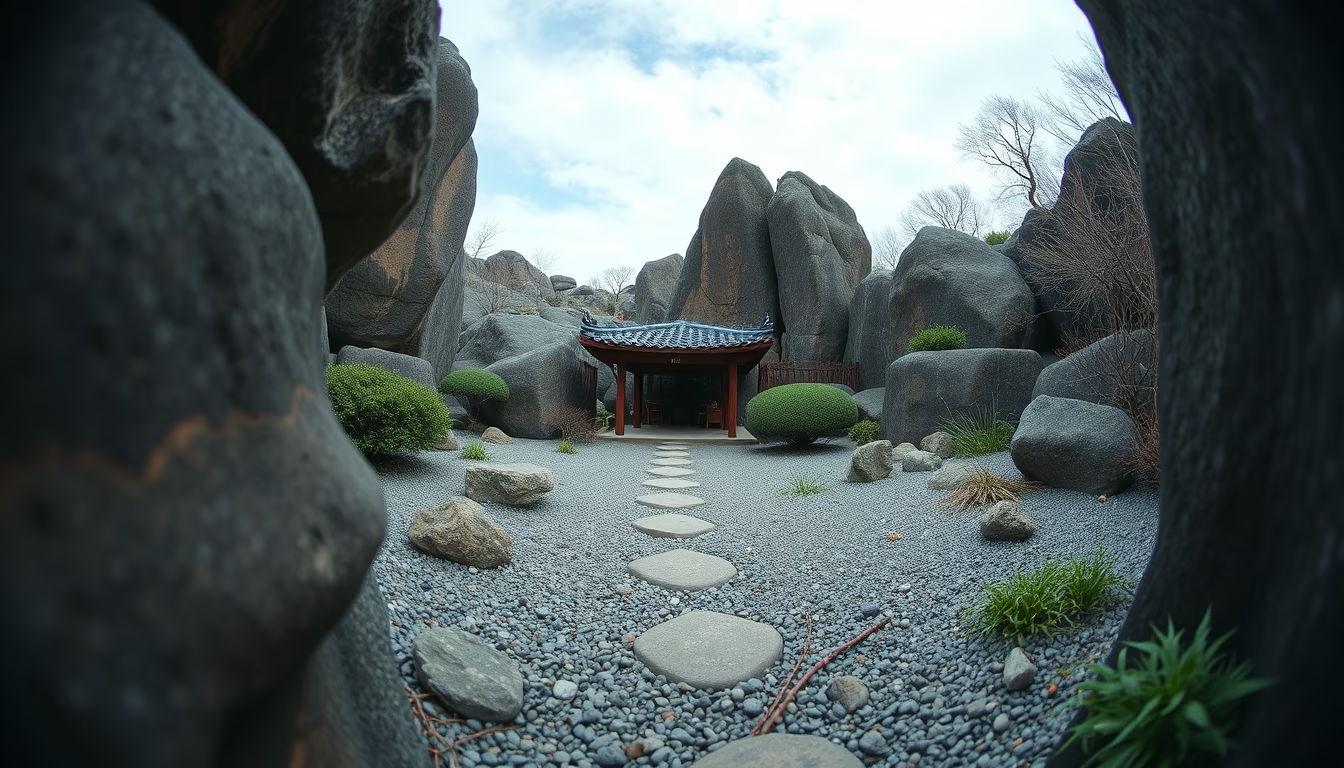
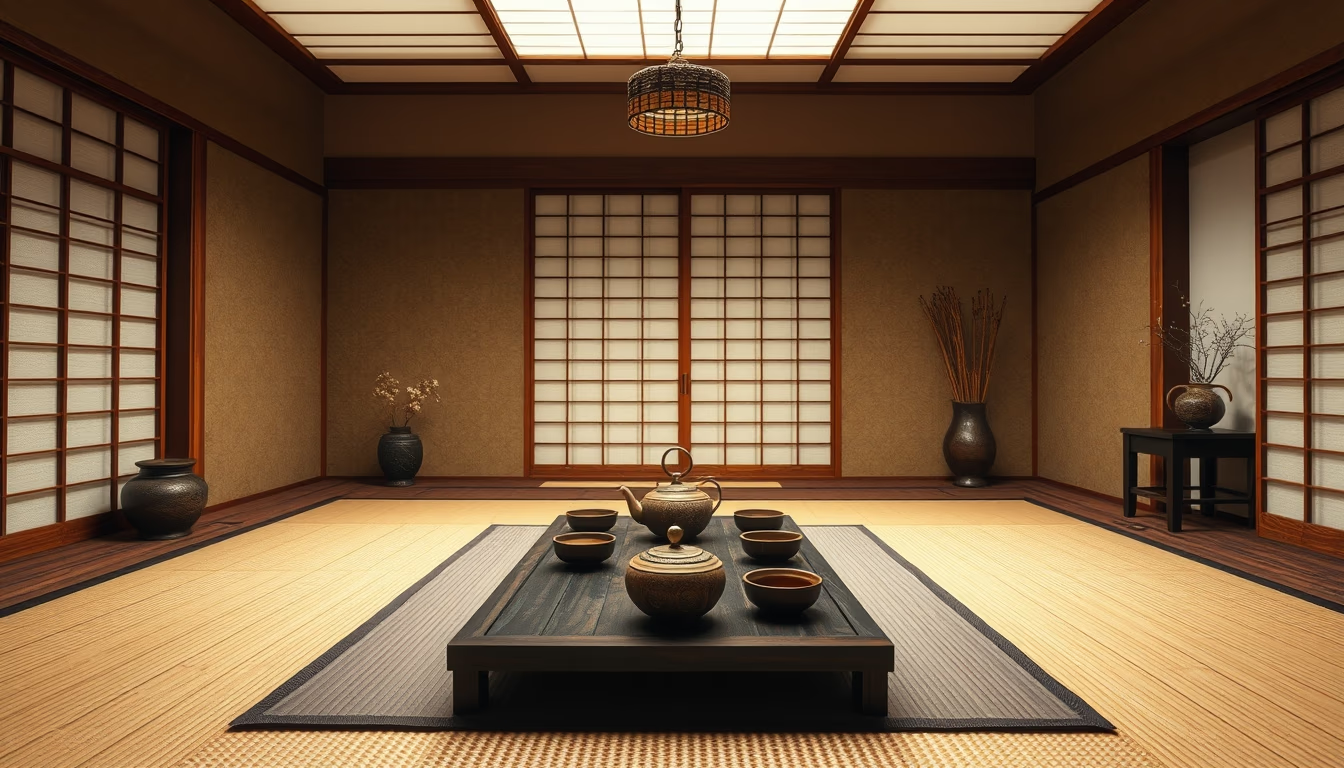
Tea gardens (chaniwa) are designed to prepare guests for the tea ceremony (chanoyu), leading them along a stone path (roji) to the tea house. The inclusion of cherry blossoms in these gardens is intentional: sakura provides a visual and olfactory experience that enhances the meditative atmosphere. Many historic temples and gardens, such as Kenroku-en in Kanazawa or the Heian Shrine garden in Kyoto, plant cherry trees specifically for the hanami season.
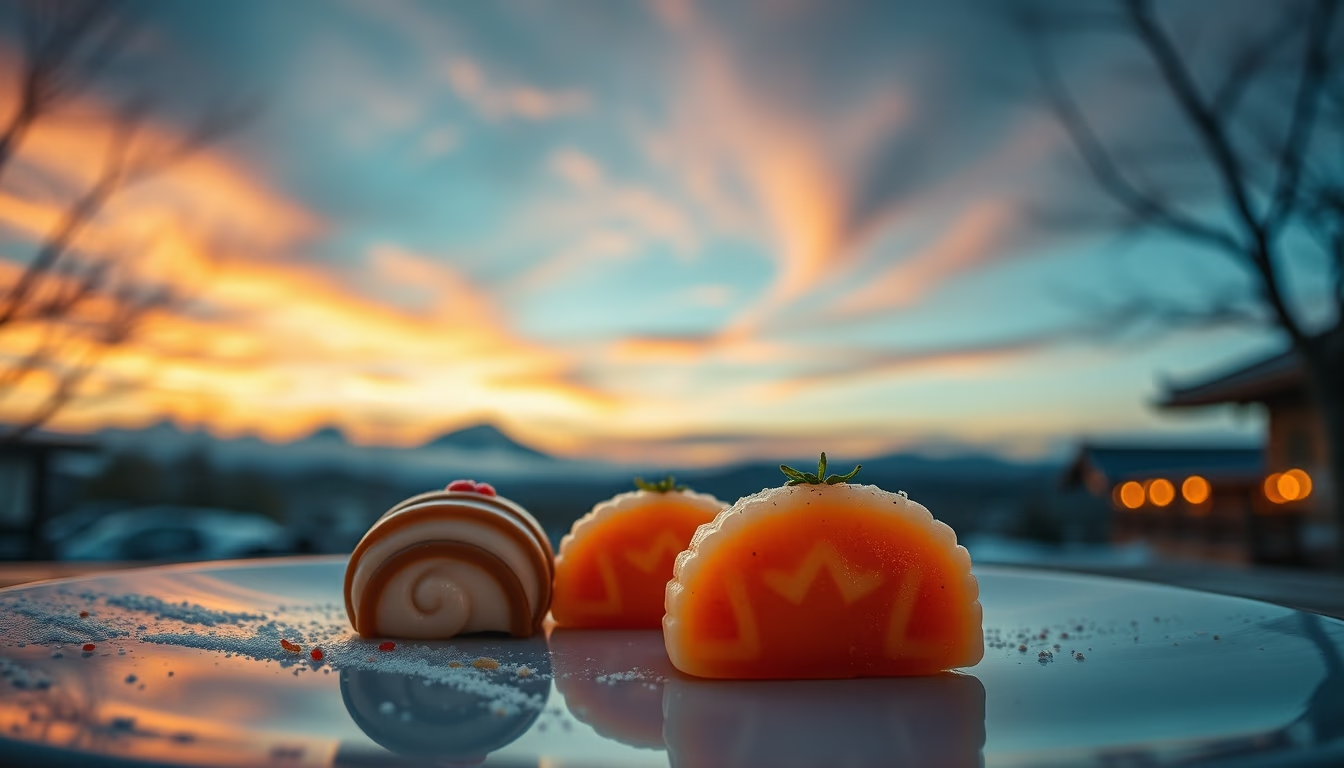
Interestingly, most ornamental cherry trees do not produce edible fruit. The most common variety in Japan is Somei Yoshino, which blooms for only one to two weeks. During this period, the combination of matcha green tea and sakura is so prized that seasonal products emerge, such as Sakura tea (pickled cherry blossom petals) and traditional sweets like Sakura mochi. In some gardens, it is possible to participate in an outdoor tea ceremony (nodaime) seated under the blossoms, an experience that engages all five senses.
Beyond Japan, the tradition of tea gardens with cherry blossoms has spread to other countries, such as the United States (especially in Washington D.C., where cherry trees were a gift from Japan in 1912) and Brazil, which hosts one of the largest sakura festivals outside Japan in São Paulo and Parque do Carmo. While the Brazilian tea ceremony is less formal, the appreciation of the flowers follows the same spirit of contemplation.
Frequently Asked Questions
What is the difference between a tea garden and a regular Japanese garden?
A tea garden (chaniwa) is specifically designed for the tea ceremony, featuring a stone path (roji) leading to the tea house, whereas a regular Japanese garden may have different styles such as strolling or dry landscape (karesansui).
Why are cherry blossoms so important in Japanese culture?
Sakura symbolizes the ephemeral beauty of life, as its flowers last only a short time. Hanami is a practice that brings people together to appreciate this transience, also marking the arrival of spring.
Can you have tea under cherry blossoms in Brazil?
Yes. In Brazil, sakura festivals such as the one at Parque do Carmo (São Paulo) and in the Liberdade district offer outdoor tea ceremonies during the bloom, typically between July and August.
Direct URL
https://pub-c7d6a6ea828543ac903a74a341ccb2e1.r2.dev/imagens/cherry-blossom-tea-garden-studio-editorial-portrait-fresh4.avifHow to credit
Include a visible link back to UtilizAí. Copy one of the snippets below:
<a href="https://xn--utiliza-eza.com/en/midia/imagens/cherry-blossom-tea-garden-studio-editorial-portrait-fresh4">Cherry blossom tea garden</a> by <a href="https://xn--utiliza-eza.com">UtilizAí</a>, licensed under <a href="https://creativecommons.org/licenses/by/4.0/">CC BY 4.0</a>.
[Cherry blossom tea garden](https://xn--utiliza-eza.com/en/midia/imagens/cherry-blossom-tea-garden-studio-editorial-portrait-fresh4) by [UtilizAí](https://xn--utiliza-eza.com), CC BY 4.0
License: CC-BY-4.0