Cherry blossom tea garden
1344×768 · AVIF · CC BY 4.0
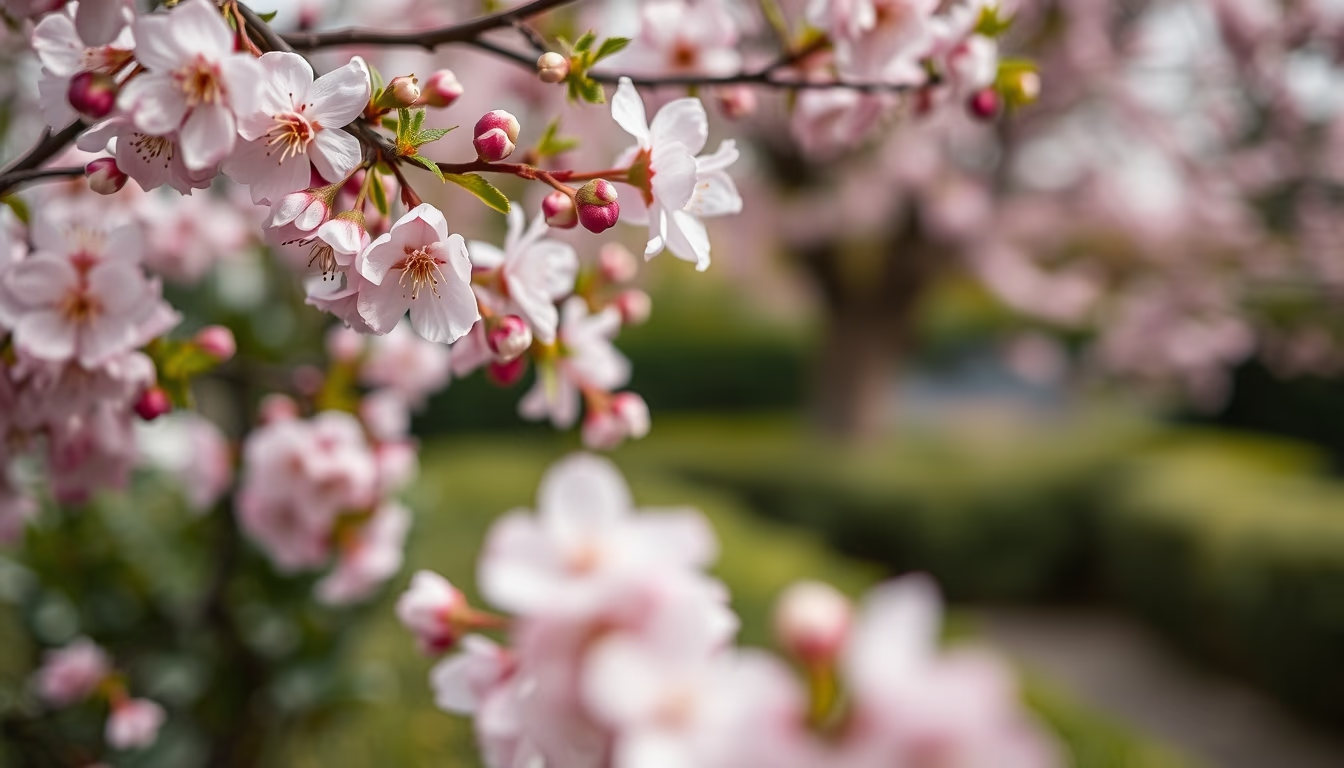
Tea gardens with cherry blossoms combine two Japanese traditions: the tea ceremony and the contemplation of sakura.
About this subject
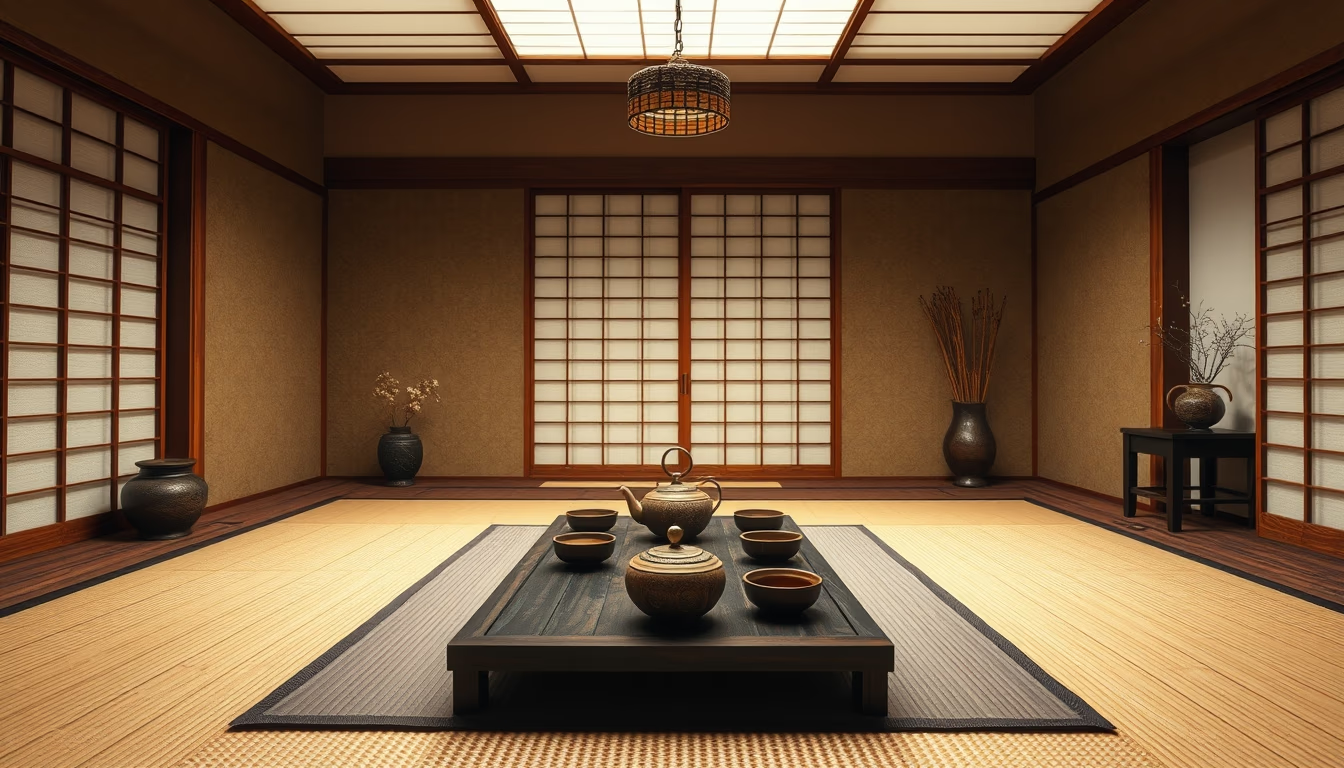
Tea gardens with cherry blossoms, known as hanami-chashitsu, are spaces that combine two of Japan's most cherished cultural practices: the tea ceremony (chanoyu) and the appreciation of cherry blossoms (hanami). These gardens are designed to provide a complete sensory experience, where the delicacy of pink petals contrasts with the green of tea shrubs and the traditional architecture of tea pavilions (chashitsu). The tradition of admiring cherry blossoms dates back to the Nara period (710, 794), but it became popular among the aristocracy during the Heian period (794, 1185). The tea ceremony, on the other hand, was developed by masters like Sen no Rikyū in the 16th century, incorporating principles of harmony, respect, purity, and tranquility.
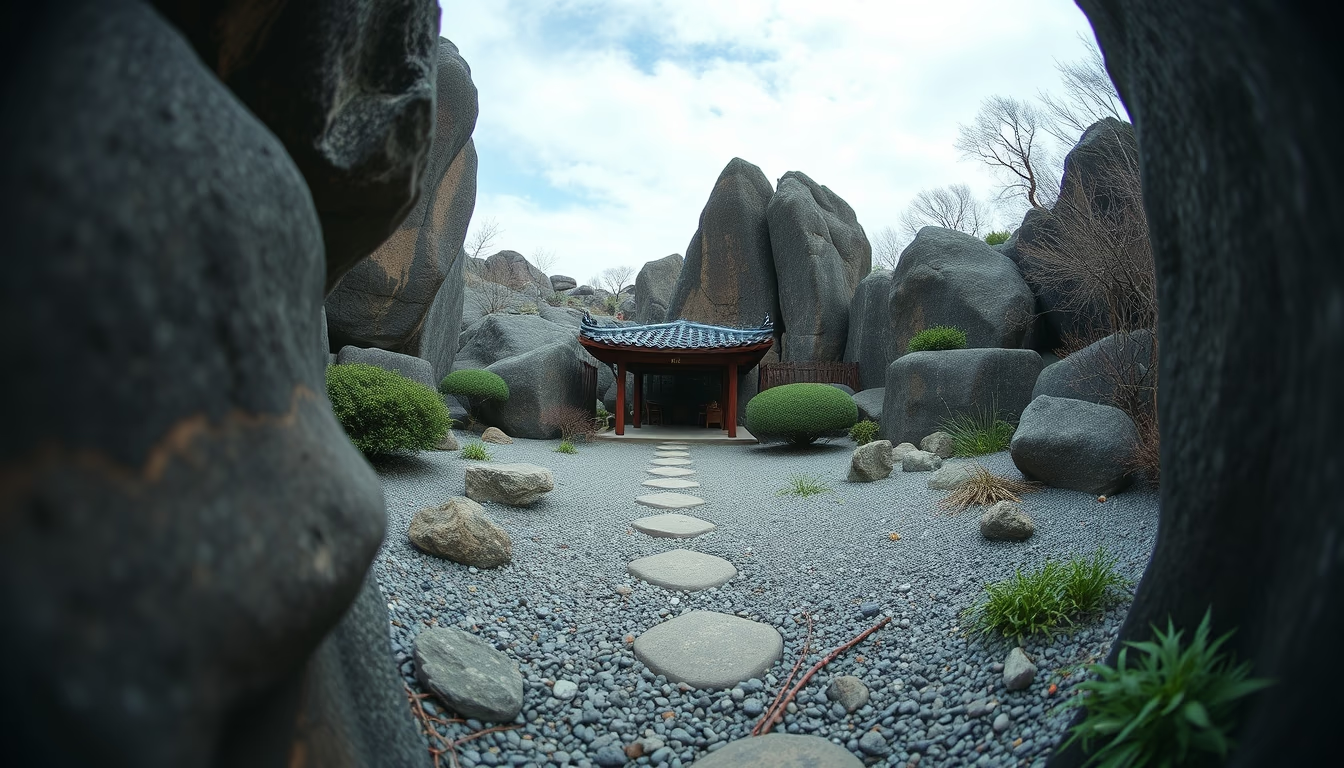
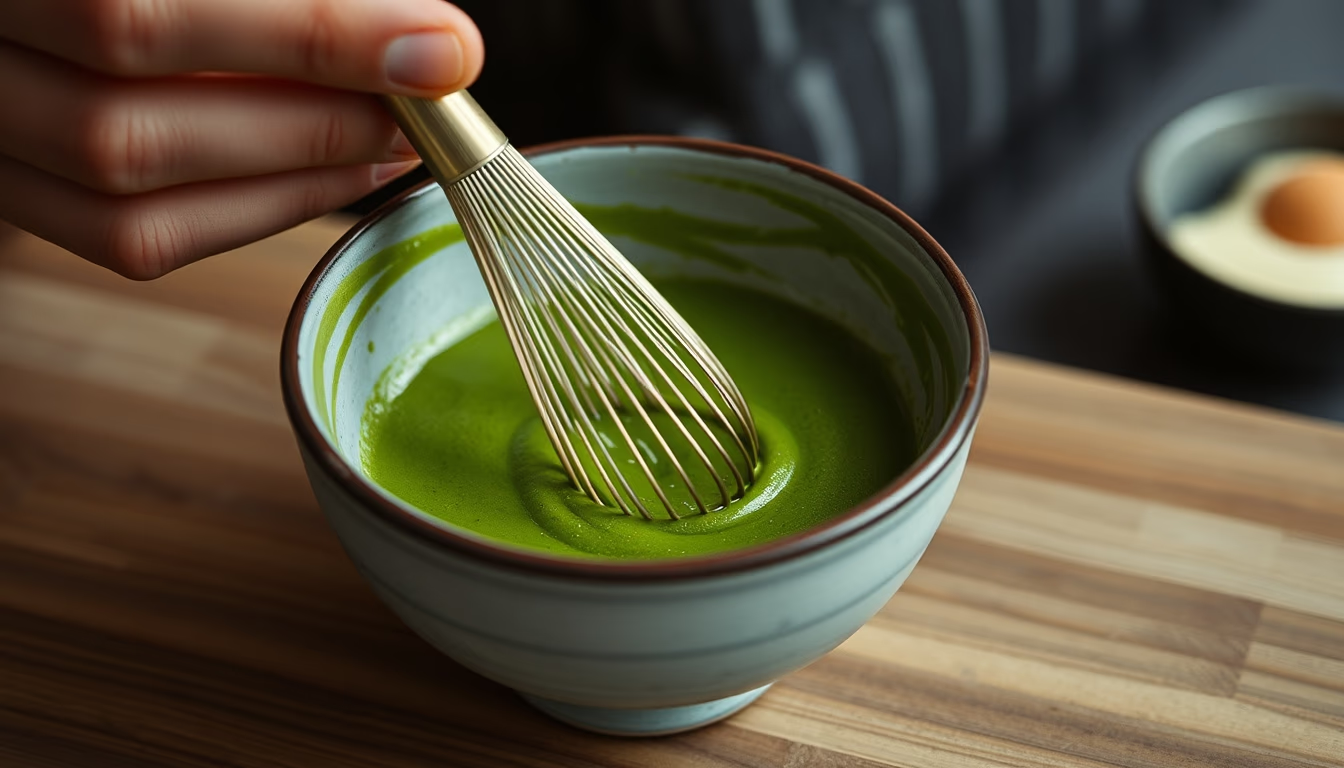
Often located in mountainous areas or near temples, these gardens typically feature stone paths (roji) leading to the chashitsu, lined with cherry trees. During blooming season, which occurs from March to April in Japan, visitors participate in outdoor ceremonies where matcha is served amid the flowers. The combination is not merely aesthetic: green tea, rich in antioxidants, is traditionally associated with longevity and purification, while cherry blossoms symbolize the ephemerality of life, a central concept in Japanese Buddhism.
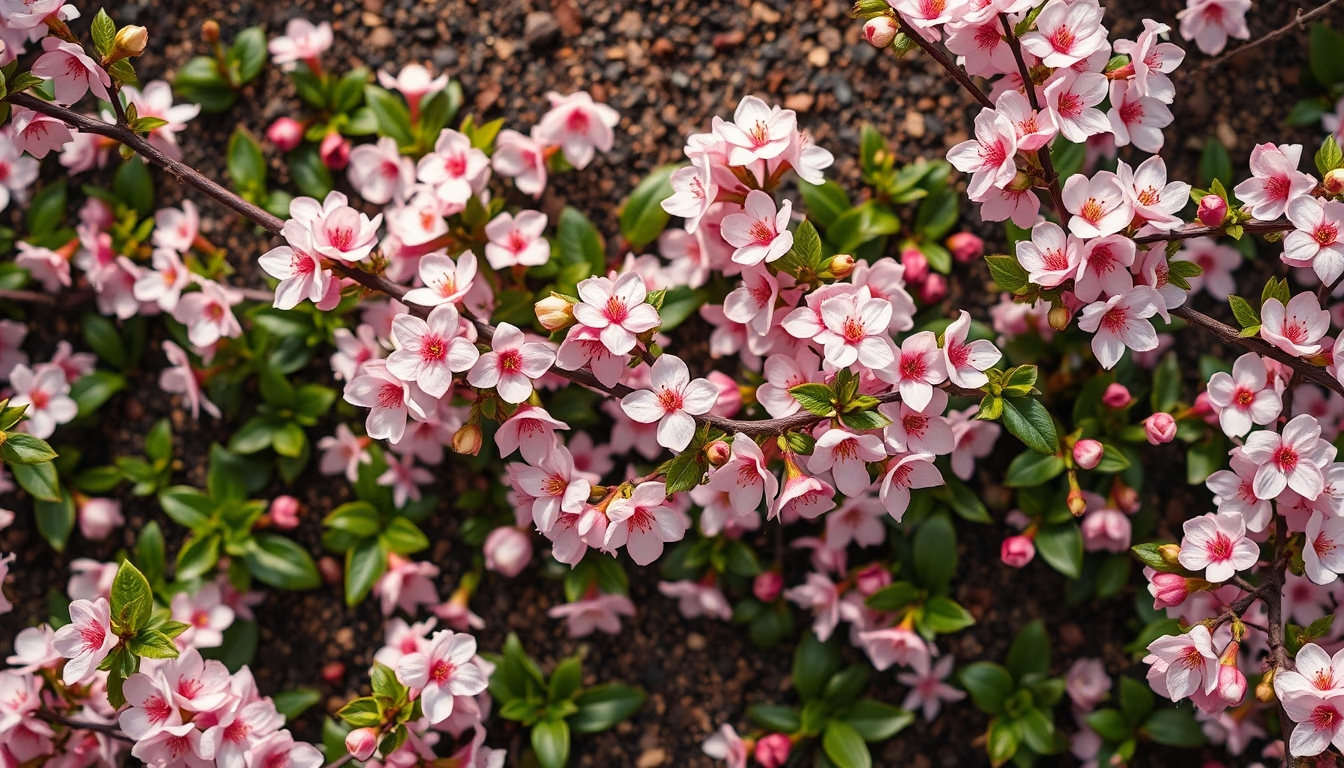
Interestingly, the most common cherry variety in these gardens is the Somei Yoshino, which blooms profusely before leaves emerge, creating a spectacle of pink clouds. In cities like Kyoto and Tokyo, temples such as Ginkaku-ji and the tea garden of Heian Shrine maintain these preserved areas. The outdoor tea ritual, called nodate, requires the host to position utensils to capture the light on the petals, creating an atmosphere of serenity. For Japanese people, this practice embodies wabi-sabi, the appreciation of imperfect and transient beauty.
Frequently Asked Questions
What is a cherry blossom tea garden?
It is a traditional Japanese space that combines a tea garden with cherry trees, designed for outdoor tea ceremonies during sakura blooming.
What is the significance of cherry blossoms in the context of the tea ceremony?
Cherry blossoms symbolize the ephemerality of life (mono no aware), and their contemplation during the tea ceremony reinforces principles of harmony and transience.
Where can I find cherry blossom tea gardens in Japan?
In cities like Kyoto and Tokyo, temples such as Ginkaku-ji and Heian Shrine have preserved gardens. During the blooming season, many venues host special ceremonies.
Direct URL
https://pub-c7d6a6ea828543ac903a74a341ccb2e1.r2.dev/imagens/cherry-blossom-tea-garden-macro-closeup-fresh6.avifHow to credit
Include a visible link back to UtilizAí. Copy one of the snippets below:
<a href="https://xn--utiliza-eza.com/en/midia/imagens/cherry-blossom-tea-garden-macro-closeup-fresh6">Cherry blossom tea garden</a> by <a href="https://xn--utiliza-eza.com">UtilizAí</a>, licensed under <a href="https://creativecommons.org/licenses/by/4.0/">CC BY 4.0</a>.
[Cherry blossom tea garden](https://xn--utiliza-eza.com/en/midia/imagens/cherry-blossom-tea-garden-macro-closeup-fresh6) by [UtilizAí](https://xn--utiliza-eza.com), CC BY 4.0
License: CC-BY-4.0