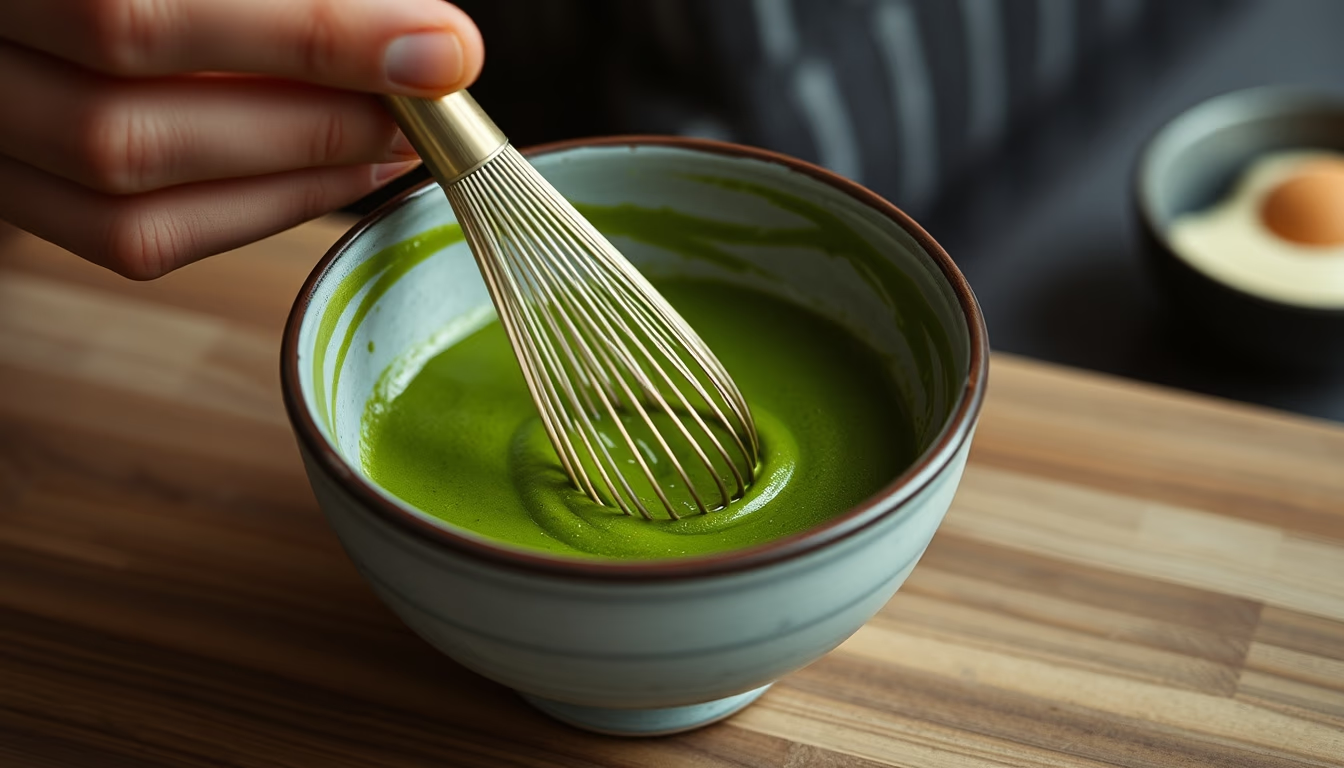
Cherry blossom tea garden
1344×768 · AVIF · CC BY 4.0
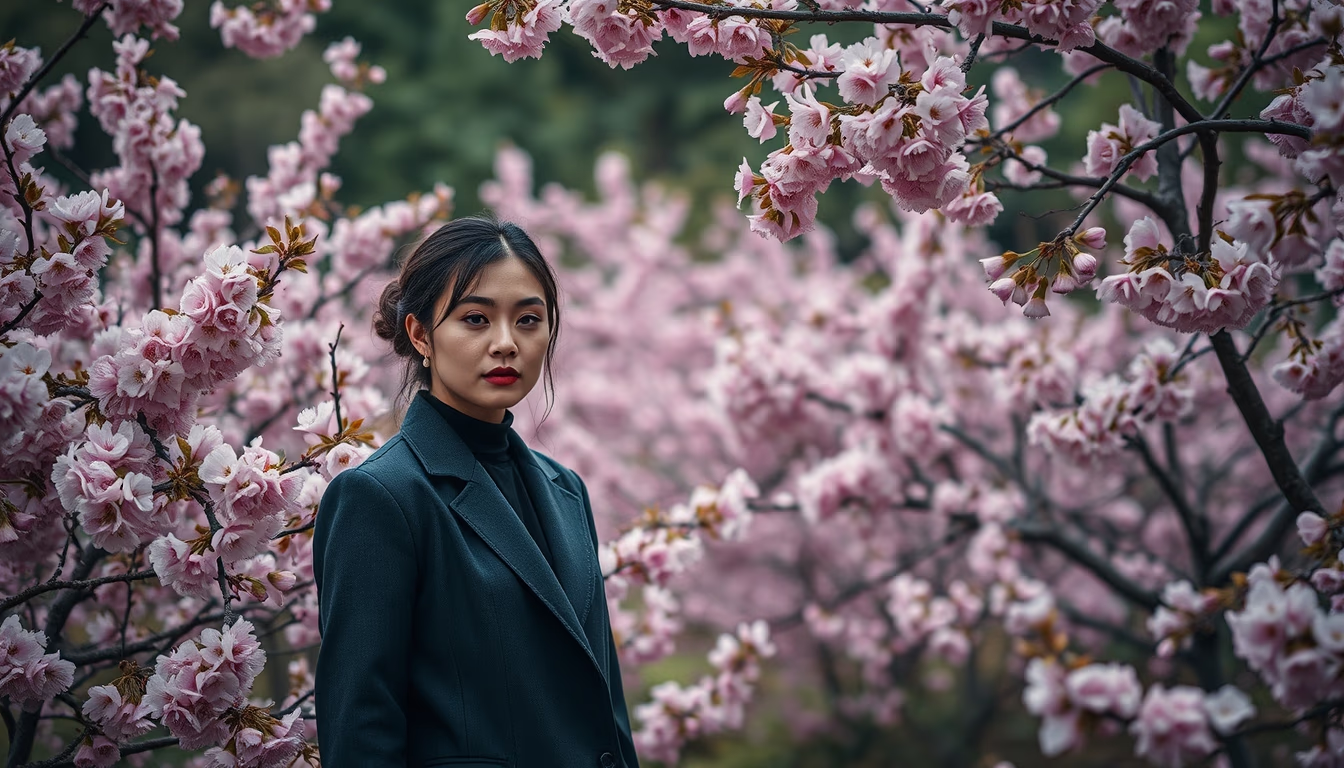
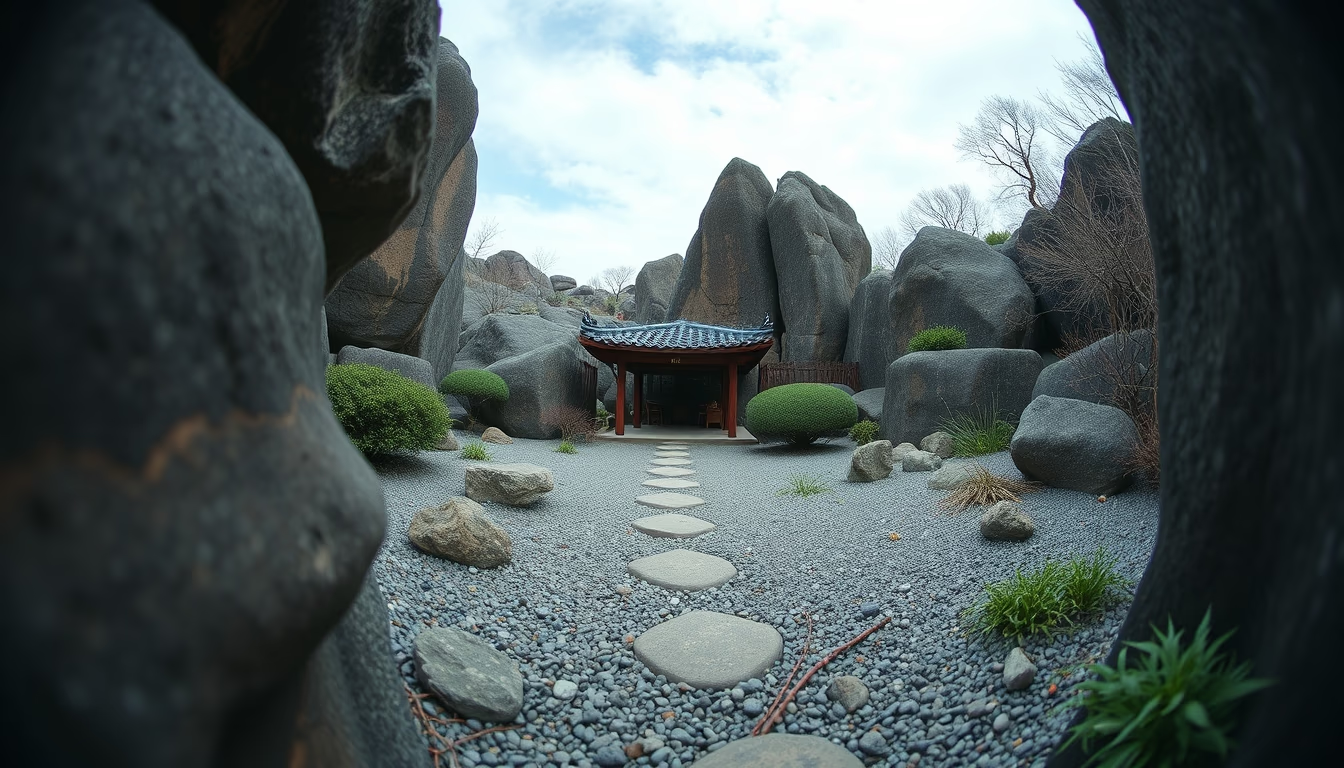
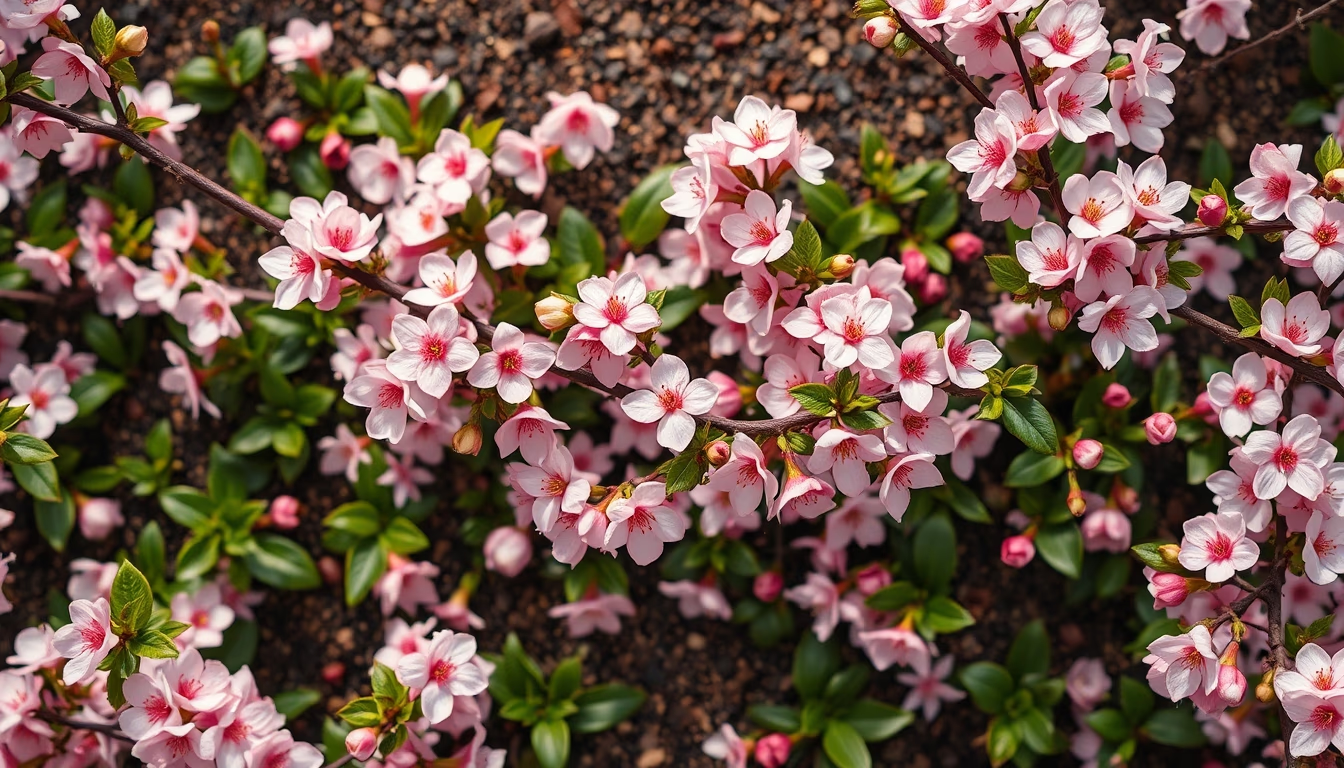
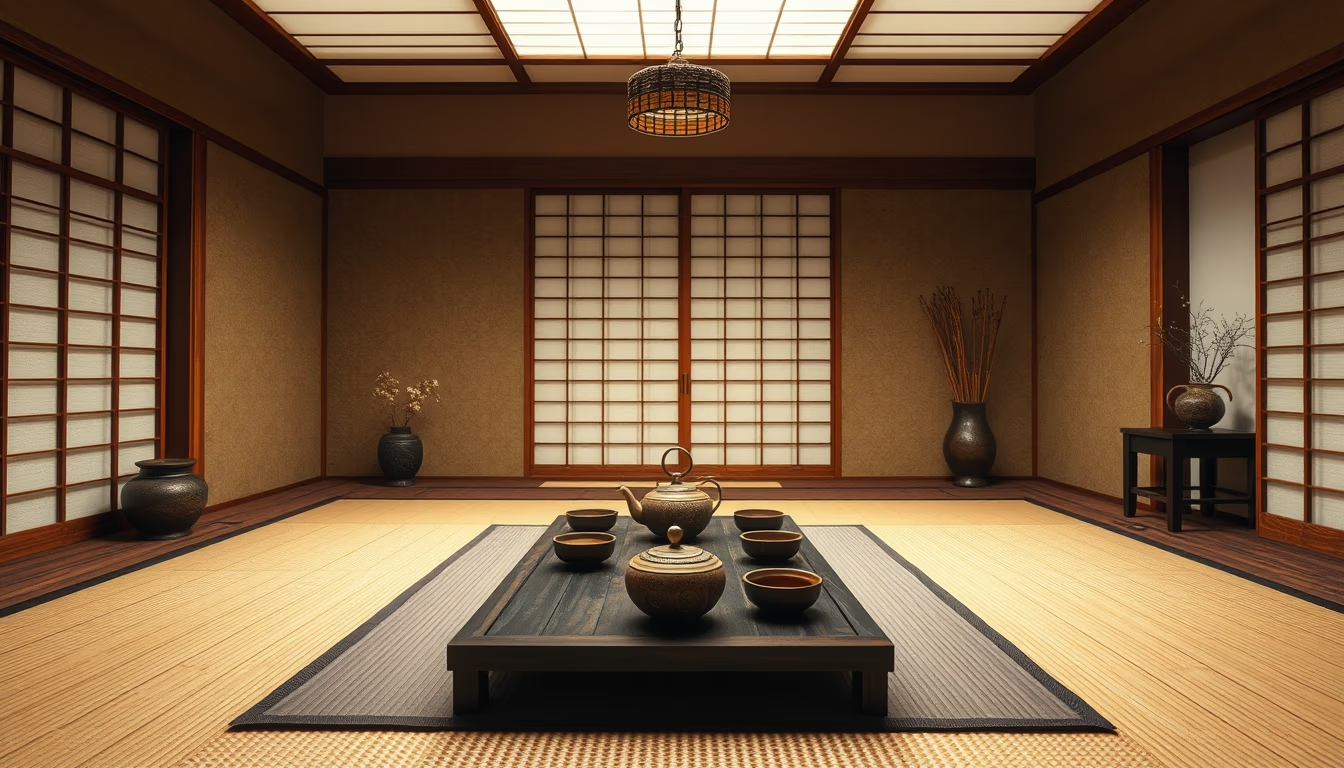
The cherry blossom tea garden is a traditional Japanese setting that combines the tea ceremony with the ephemeral beauty of spring.
About this subject
Hanami, the centuries-old practice of viewing cherry blossoms, originated in Japan during the Nara period (710, 794). The fleeting bloom of cherry trees, lasting only one to two weeks, symbolizes the Buddhist concept of impermanence (mono no aware). Tea gardens (chaniwa) are designed to incorporate cherry trees so that tea ceremony participants can appreciate the view while drinking matcha. The combination of sakura with the rustic simplicity of the chashitsu (tea house) embodies the aesthetic principles of wabi-sabi.
The Japanese tea ceremony (chanoyu or sado) was refined under Zen Buddhist influence and codified by master Sen no Rikyū in the 16th century. Every element, from the choice of utensils to the flower arrangement (chabana), follows precise rules. During cherry blossom season, special outdoor tea gatherings (chaji) are held, featuring kyōka (humorous poems) dedicated to sakura. Historically, Emperor Saga (786, 842) is credited with initiating the first hanami festivals at the imperial palace, and the practice later spread to all social classes.
Notably, ornamental cherry cultivation in Japan dates to the 8th century; the ubiquitous Somei Yoshino variety originated as a natural hybrid in Tokyo during the Edo period. Over 600 cherry cultivars exist nationwide. Traditional tea gardens favor Yama-zakura (wild cherry) for its more delicate blossoms and reddish young leaves. The link between tea and cherry blossoms appears in the haiku of Matsuo Bashō: "Under cherry blossoms / there are no strangers", lines that echo the hospitality of tea.
Beyond Japan, countries such as South Korea (Jinhae Festival) and the United States (National Cherry Blossom Festival in Washington, D.C.) have embraced hanami. In Brazil, São Paulo holds a Cherry Blossom Festival at Carmo Park, drawing thousands. Japanese-inspired tea gardens exist worldwide, including the Japanese Tea Garden in San Francisco's Golden Gate Park, the largest public tea garden outside Japan, planted in 1894.
Frequently Asked Questions
Why are cherry blossoms significant in the Japanese tea ceremony?
Cherry blossoms (sakura) symbolize the fleeting nature of life (mono no aware). In tea gardens, they are planted to provide a seasonal focal point during the ceremony, enhancing the aesthetic and spiritual experience of wabi-sabi.
What is a traditional Japanese tea garden?
A chaniwa is a garden designed to guide guests to the tea house (chashitsu). It features elements like stone paths (roji), stone lanterns, water basins (tsukubai), and seasonal plants such as cherry trees in spring, fostering a calm atmosphere for the tea ritual.
Where can I visit tea gardens with cherry blossoms outside Japan?
Notable examples include the Japanese Tea Garden in San Francisco (USA), the Japanese Garden in Buenos Aires, and Carmo Park in São Paulo (Brazil), which hosts an annual cherry blossom festival. Many botanical gardens worldwide have Japanese sections with cherry trees.
Direct URL
https://pub-c7d6a6ea828543ac903a74a341ccb2e1.r2.dev/imagens/cherry-blossom-tea-garden-high-fashion-editorial-fresh12.avifHow to credit
Include a visible link back to UtilizAí. Copy one of the snippets below:
<a href="https://xn--utiliza-eza.com/en/midia/imagens/cherry-blossom-tea-garden-high-fashion-editorial-fresh12">Cherry blossom tea garden</a> by <a href="https://xn--utiliza-eza.com">UtilizAí</a>, licensed under <a href="https://creativecommons.org/licenses/by/4.0/">CC BY 4.0</a>.
[Cherry blossom tea garden](https://xn--utiliza-eza.com/en/midia/imagens/cherry-blossom-tea-garden-high-fashion-editorial-fresh12) by [UtilizAí](https://xn--utiliza-eza.com), CC BY 4.0
License: CC-BY-4.0