Cherry blossom tea garden
1344×768 · AVIF · CC BY 4.0
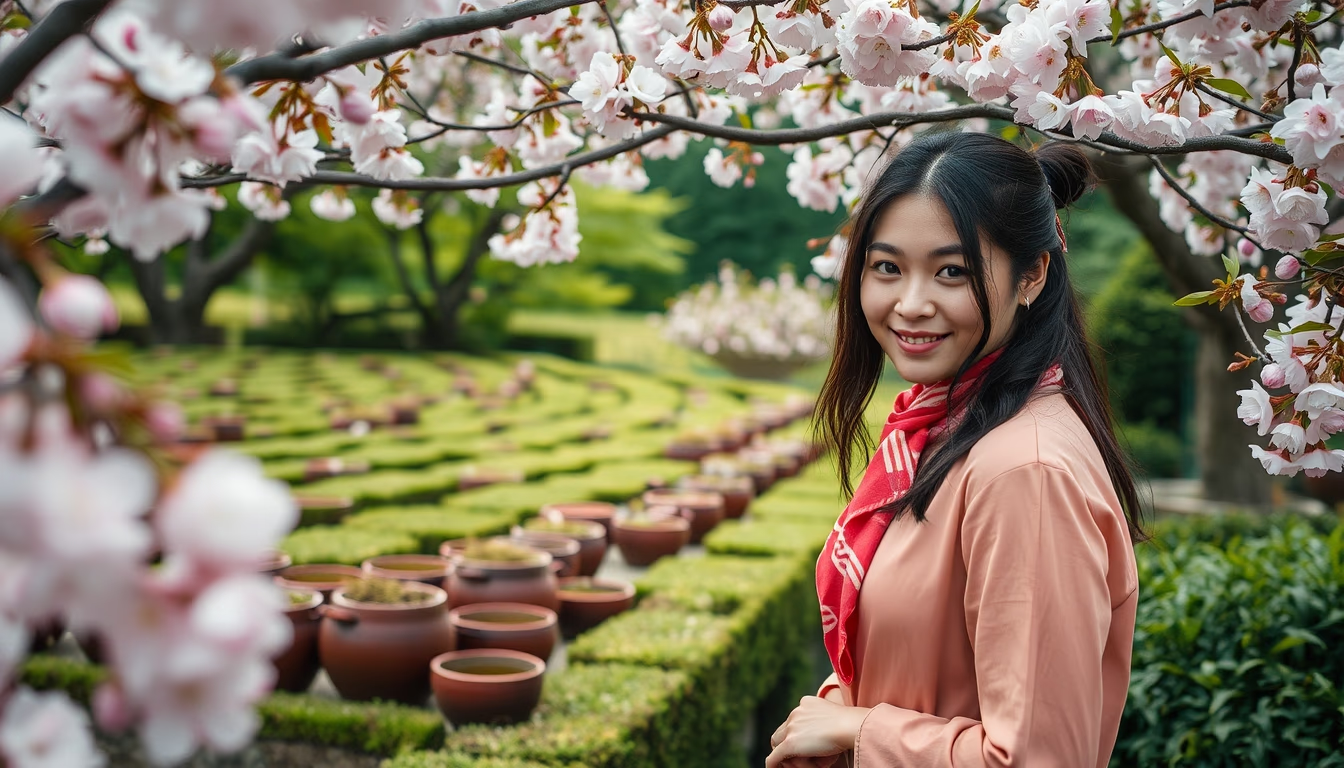
Tea gardens with cherry blossoms merge two Japanese traditions: the tea ceremony and the contemplation of cherry blossoms (hanami).
About this subject
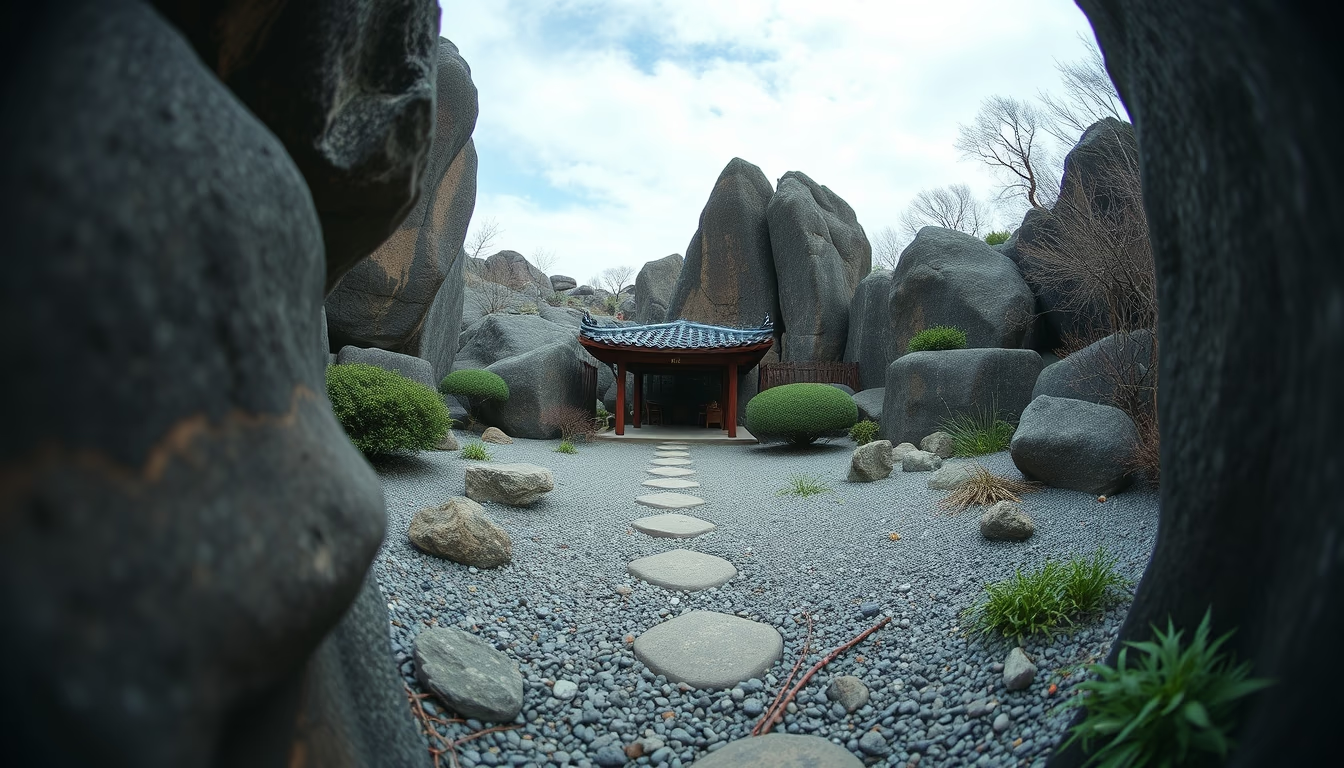
Japanese tea gardens, called roji, are carefully designed spaces that prepare guests for the tea ceremony (chanoyu). When associated with cherry blossoms (sakura), these gardens gain additional meaning, as the flowers symbolize the transience of life, a central theme in Japanese aesthetics. The combination of a damp stone path, a tsukubai (stone water basin), and a blooming cherry tree creates an atmosphere of serenity and impermanence, valued in the concept of mono no aware.
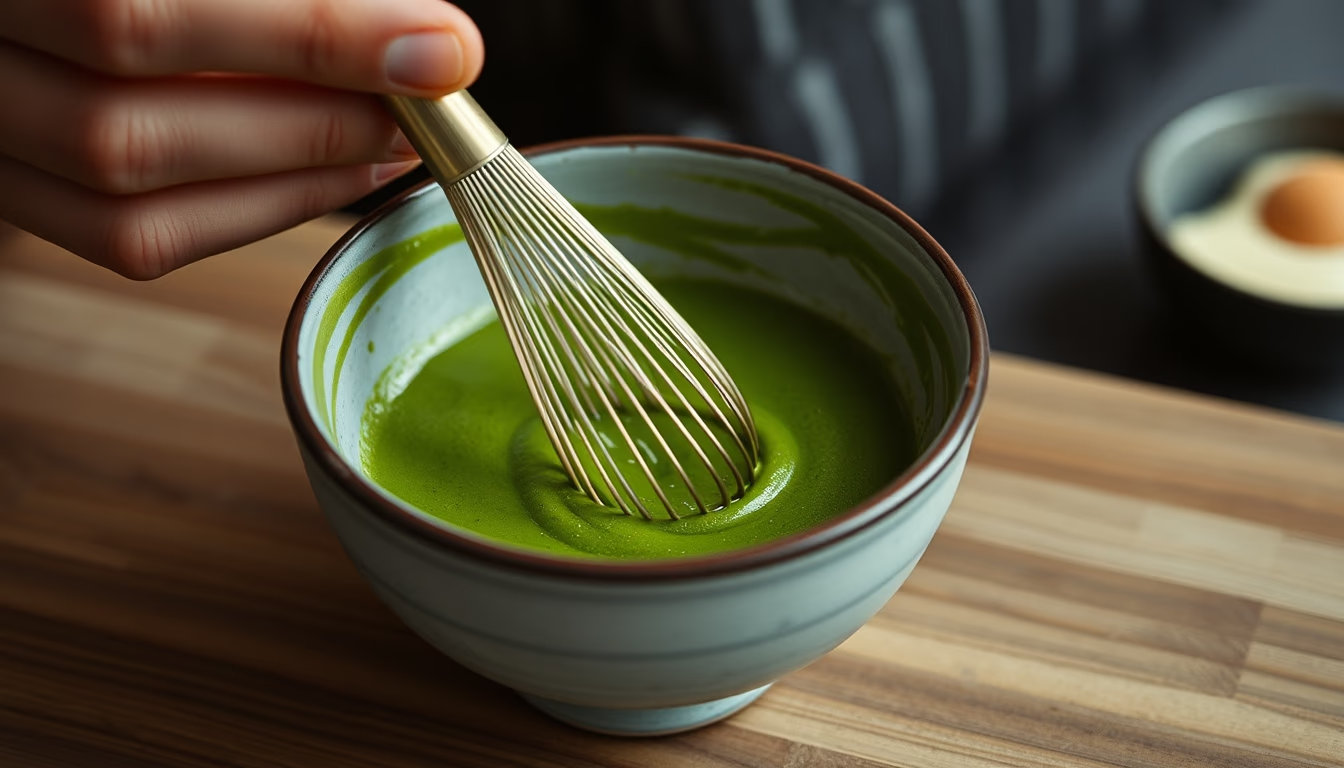
During the sakura season, which occurs from March to April in Japan, many temples and tea houses hold special outdoor ceremonies under the flowering trees. This practice, called hanami chakai, allows participants to appreciate the ephemeral beauty of the blossoms while experiencing matcha. Historic gardens such as Kenrokuen in Kanazawa or the garden of Kodaiji Temple in Kyoto feature notable examples of roji with cherry trees, often used for seasonal ceremonies.
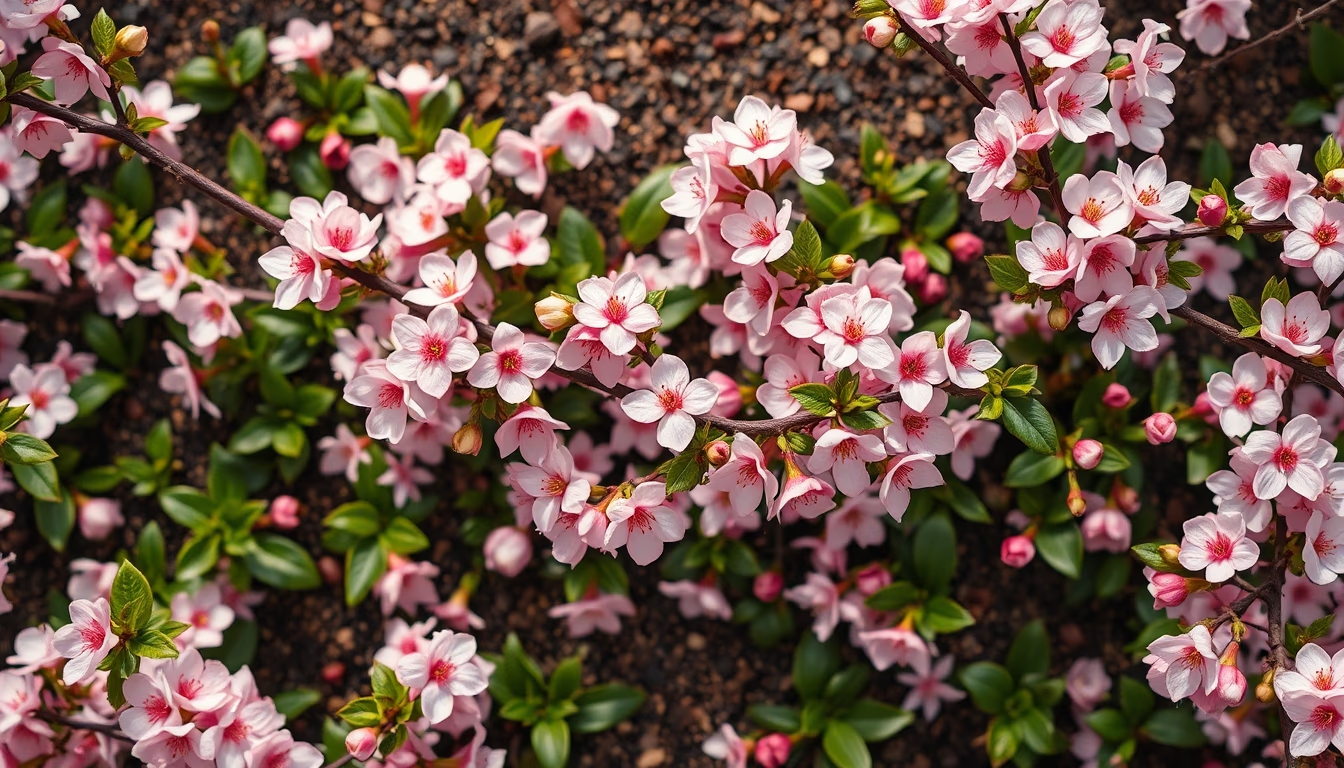
The choice of cherry tree varieties is also relevant. Somei Yoshino, the most common in Japan, offers white-pink blossoms that contrast with the green moss and gray stones. Shidarezakura (weeping cherry) is preferred in tea gardens for its pendulous form, evoking softness and calm. The arrangement of trees follows wabi-sabi principles, valuing asymmetry and empty spaces that encourage meditation.
Although the association between cherry blossoms and tea is typically Japanese, the concept has spread globally. In countries such as Brazil, the United States, and the United Kingdom, botanical gardens and Oriental tea houses recreate this landscape, adapting local Prunus species to evoke the same aesthetic. The increase in cultural tourism and interest in matcha drives the popularity of these spaces, which have become symbols of tranquility and connection with nature.
Frequently Asked Questions
What is a roji?
Roji is a Japanese tea garden that leads to the tea house. It is designed to induce a calm and contemplative state of mind before the tea ceremony, featuring elements such as stone paths, stone lanterns, and a tsukubai (water basin).
Why are cherry trees important in a tea garden?
Cherry blossoms (sakura) add an element of impermanence (mono no aware) to the garden, as their flowers bloom briefly. This reinforces the tea values: simplicity, humility, and appreciation of the present moment.
Where can I visit a tea garden with cherry blossoms?
In Japan, places like Kodaiji Temple (Kyoto) and Kenrokuen Garden (Kanazawa) have roji with cherry trees. Outside Japan, replicas exist at botanical gardens such as the Japanese Garden of Buenos Aires and the Portland Japanese Garden (USA).
Direct URL
https://pub-c7d6a6ea828543ac903a74a341ccb2e1.r2.dev/imagens/cherry-blossom-tea-garden-documentary-nature-style-fresh11.avifHow to credit
Include a visible link back to UtilizAí. Copy one of the snippets below:
<a href="https://xn--utiliza-eza.com/en/midia/imagens/cherry-blossom-tea-garden-documentary-nature-style-fresh11">Cherry blossom tea garden</a> by <a href="https://xn--utiliza-eza.com">UtilizAí</a>, licensed under <a href="https://creativecommons.org/licenses/by/4.0/">CC BY 4.0</a>.
[Cherry blossom tea garden](https://xn--utiliza-eza.com/en/midia/imagens/cherry-blossom-tea-garden-documentary-nature-style-fresh11) by [UtilizAí](https://xn--utiliza-eza.com), CC BY 4.0
License: CC-BY-4.0