Cherry blossom tea garden
1344×768 · AVIF · CC BY 4.0
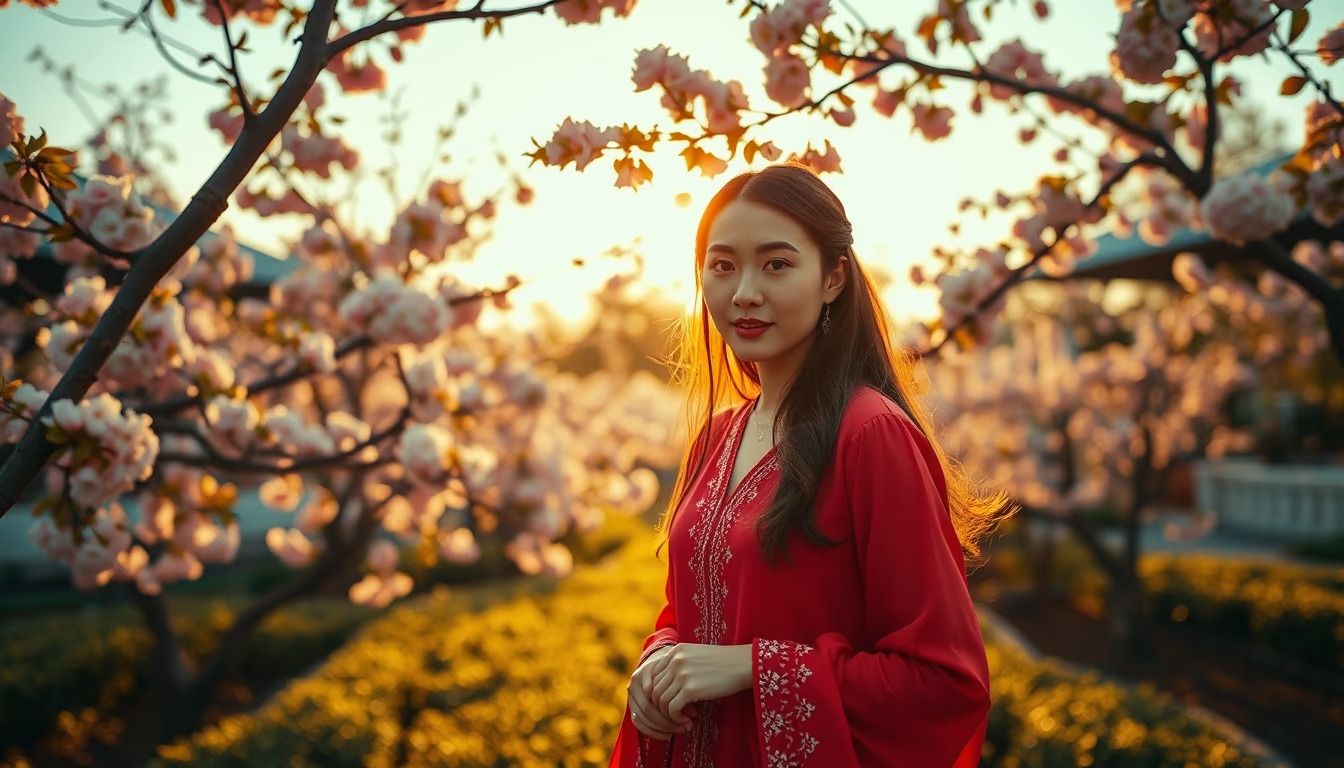
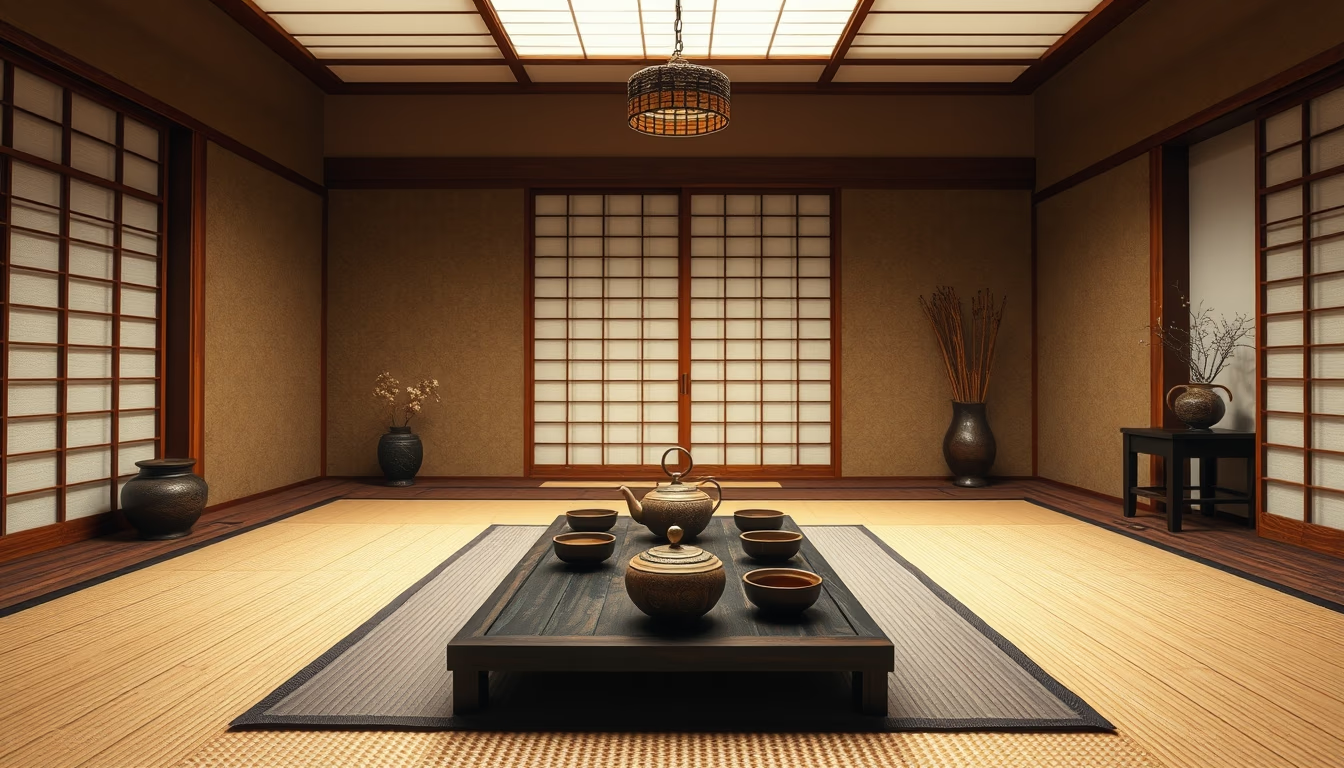
Tea gardens with cherry blossoms combine two Japanese traditions: the tea ceremony and the contemplation of sakuras.
About this subject
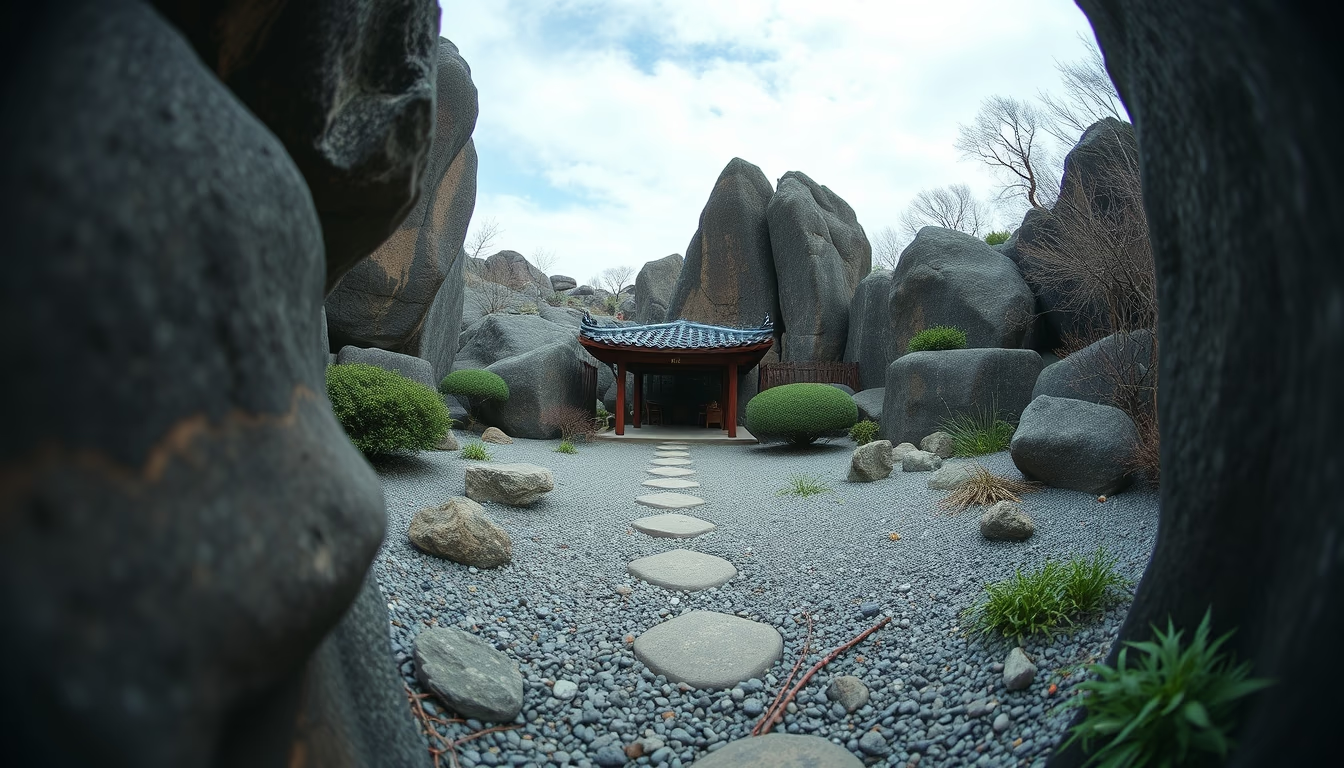
Tea gardens, or roji, are essential elements of the Japanese tea ceremony (chanoyu). Designed to create an atmosphere of tranquility and simplicity, these gardens typically include stone paths, stone lanterns (toro), and a water basin (tsukubai) for purification. The addition of cherry trees (sakuras) makes the setting especially significant in Japanese culture, as the cherry blossom bloom symbolizes the ephemeral beauty of life.
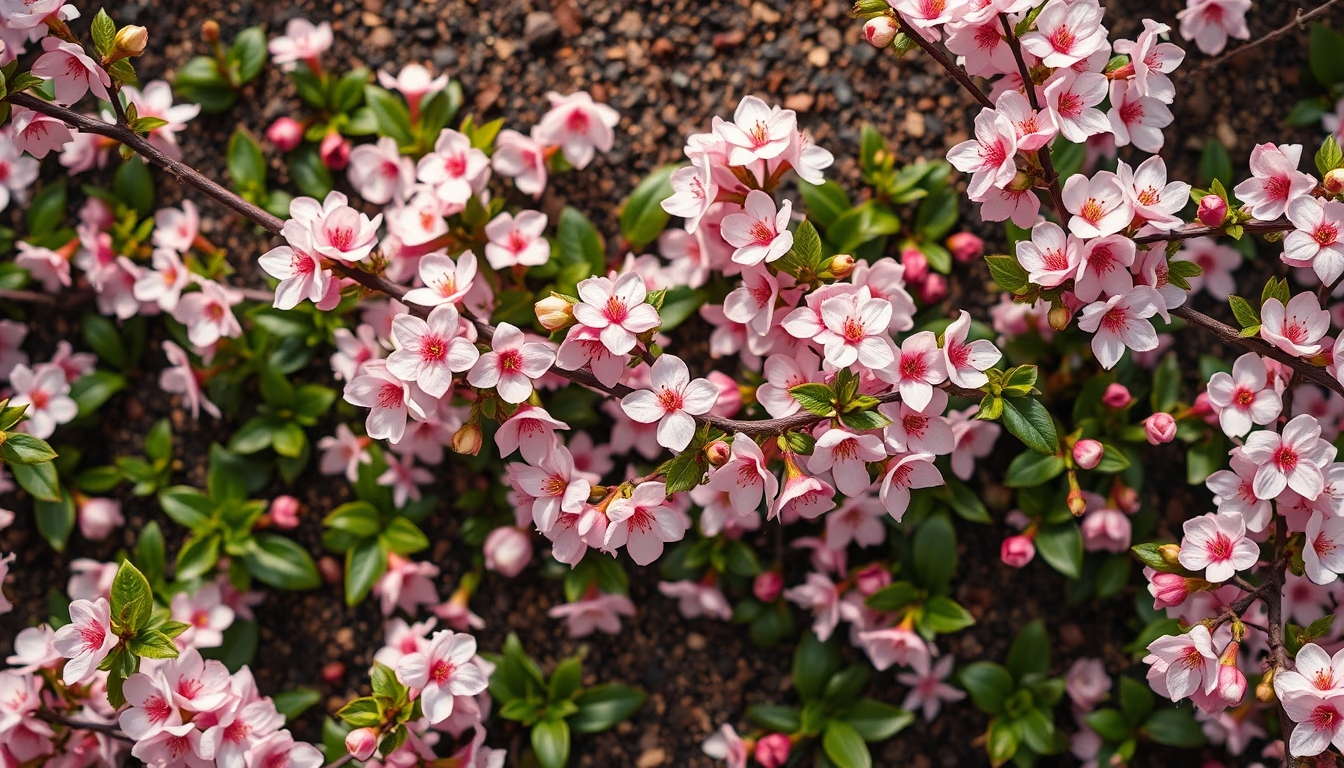
The tradition of viewing cherry blossoms, called hanami, dates back to the Heian period (794, 1185). During hanami, people have picnics under the flowering trees, a practice that integrates perfectly with the outdoor tea ceremony known as nodate. In gardens such as Kenrokuen Garden in Kanazawa or Ryoanji Garden in Kyoto, it is common to find cherry trees strategically planted near teahouses.
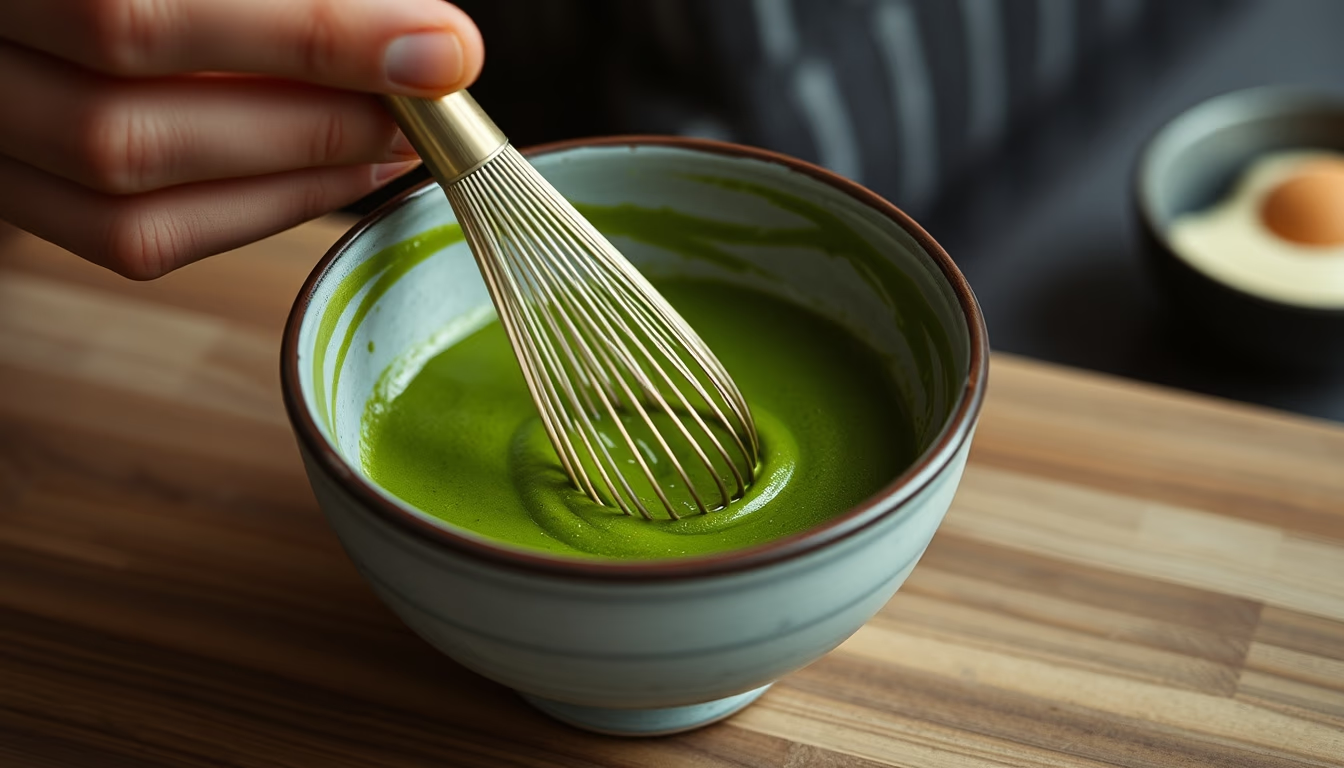
The combination of tea and sakuras is not merely aesthetic: the green tea (matcha) served during the ceremony offers a slightly bitter flavor that contrasts with the sweetness of wagashi (traditional sweets), often shaped like cherry blossoms. The ideal season for this experience is spring, particularly between March and April, depending on the Japanese region.
Interestingly, there are specific cherry tree varieties, such as Somei Yoshino, more common in parks, and Shidarezakura (weeping cherry), often used in more intimate gardens. The design of roji also incorporates principles of wabi-sabi, valuing imperfection and transience, concepts that align perfectly with the fleeting bloom of sakuras.
Frequently Asked Questions
What is a roji?
A roji is the garden leading to the tea house in the Japanese tea ceremony. It is designed to create an atmosphere of purification and transition from the outside world to the ceremony space.
What is the significance of cherry trees in a tea garden?
Cherry trees (sakuras) represent the ephemeral beauty and transience of life, core concepts in wabi-sabi. Their spring bloom is enjoyed during hanami, often combined with an outdoor tea ceremony.
When should one visit a cherry blossom tea garden in Japan?
The best time is spring, between March and April, when cherry blossoms are in bloom. Exact dates vary by region, with Kyushu blooming earlier and Hokkaido later.
Direct URL
https://pub-c7d6a6ea828543ac903a74a341ccb2e1.r2.dev/imagens/cherry-blossom-tea-garden-cinematic-wide-shot-fresh3.avifHow to credit
Include a visible link back to UtilizAí. Copy one of the snippets below:
<a href="https://xn--utiliza-eza.com/en/midia/imagens/cherry-blossom-tea-garden-cinematic-wide-shot-fresh3">Cherry blossom tea garden</a> by <a href="https://xn--utiliza-eza.com">UtilizAí</a>, licensed under <a href="https://creativecommons.org/licenses/by/4.0/">CC BY 4.0</a>.
[Cherry blossom tea garden](https://xn--utiliza-eza.com/en/midia/imagens/cherry-blossom-tea-garden-cinematic-wide-shot-fresh3) by [UtilizAí](https://xn--utiliza-eza.com), CC BY 4.0
License: CC-BY-4.0