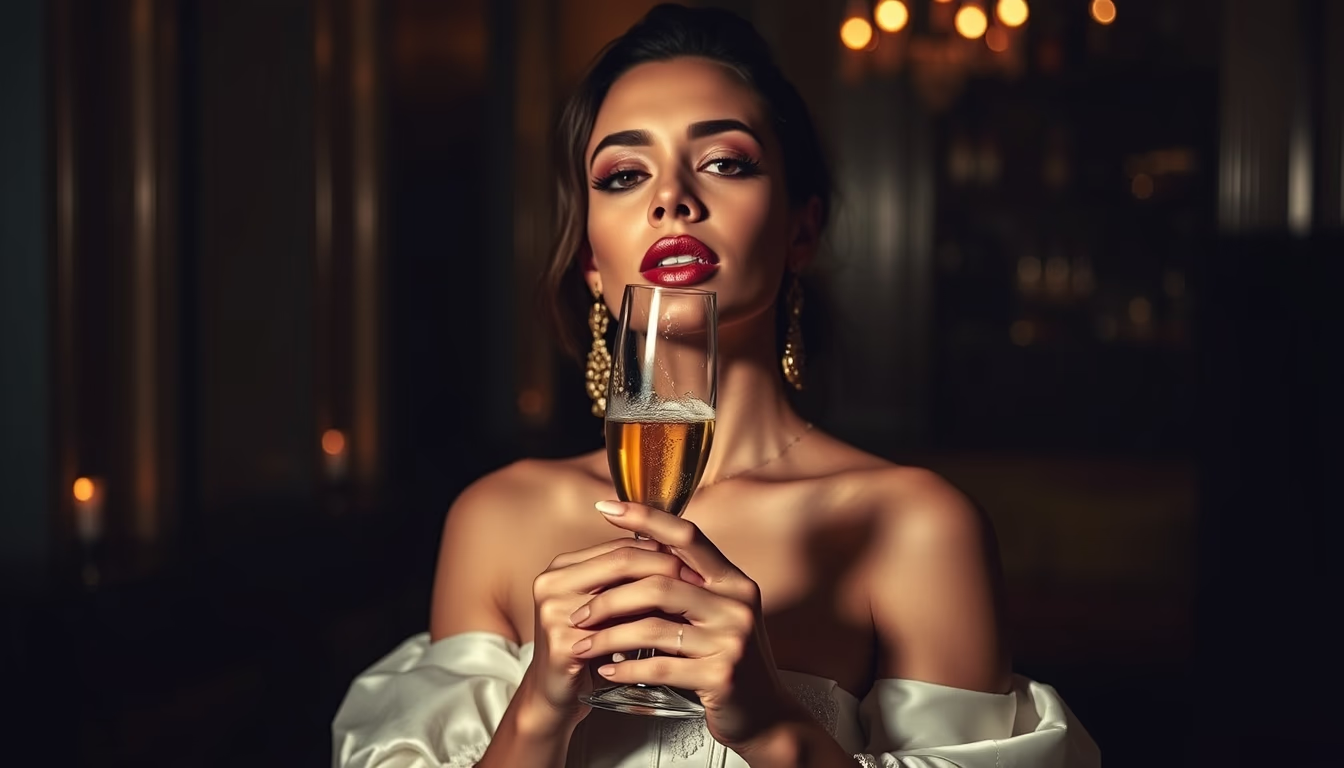
Champagne celebration
1344×768 · AVIF · CC BY 4.0
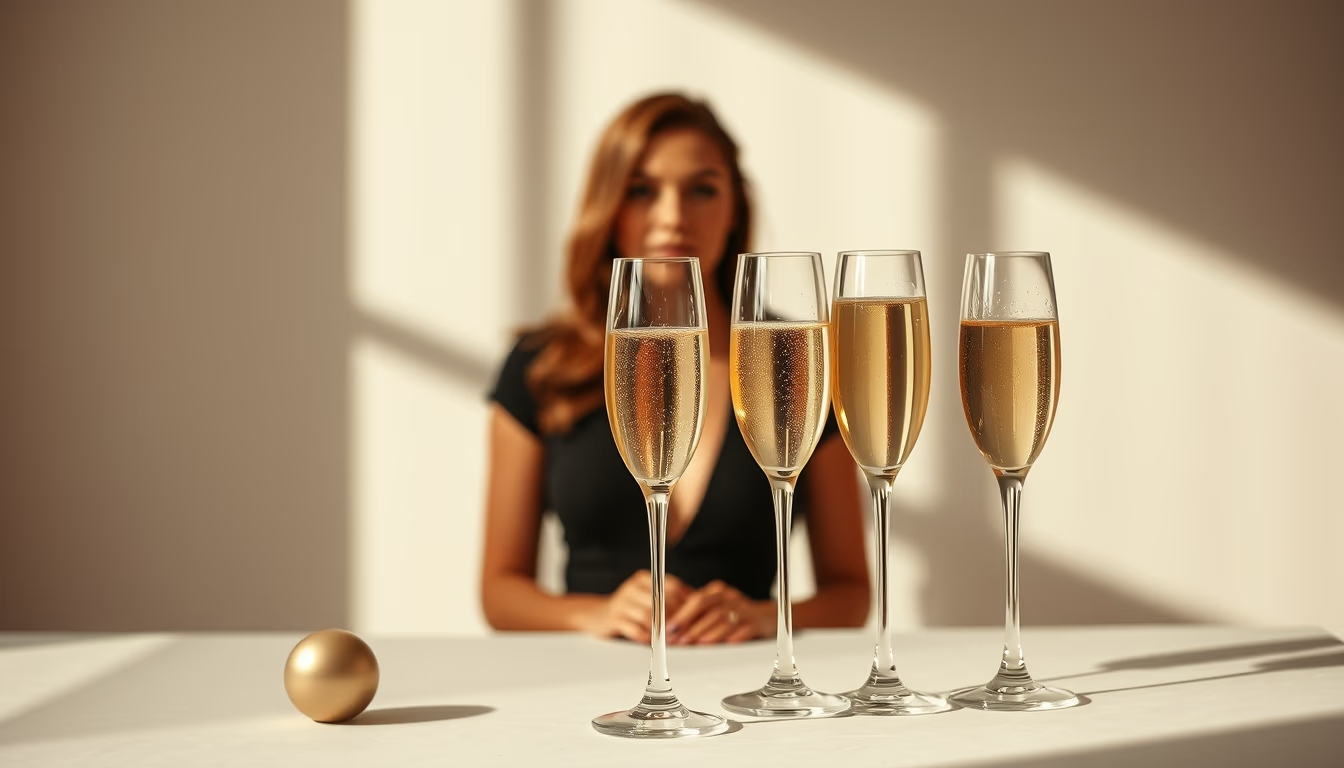
Champagne is the French sparkling wine that symbolizes celebration, produced in the Champagne region using the traditional method with secondary fermentation.
About this subject
Champagne, known worldwide as the wine of celebration, originates from the Champagne region in northeastern France. Since the 17th century, when monk Dom Pérignon perfected production techniques, the beverage became synonymous with luxury and festivities. The denomination 'Champagne' is legally protected: only sparkling wines produced in this region using the méthode champenoise (second fermentation in the bottle) can bear the name.
Production involves grapes like Chardonnay, Pinot Noir, and Pinot Meunier, harvested from chalky soils that impart minerality. The traditional method includes steps such as remuage (bottle rotation) and dégorgement (sediment removal). Styles range from Brut (dry) to Demi-Sec (sweet), with classifications like Vintage (single vintage) and Non-Vintage (blend of vintages). Internal pressure can reach six atmospheres, creating the iconic bubbles.
Culturally, champagne is ingrained in global celebrations not just as a drink but as a ritual. From ship launches to New Year's parties, its opening with a pop has become iconic. In recent years, the minimalist trend in visual compositions elevated its presence in advertising and decor, with bottles and glasses highlighted on clean backgrounds. As of 2026, the drink remains associated with special moments, while producers invest in sustainability and new terroir expressions.
Fun fact: champagne can be enjoyed in flute or coupe glasses, but experts recommend the tulip glass for better aroma appreciation. Additionally, the Champagne region produced about 300 million bottles in 2023, exporting to over 150 countries.
Frequently Asked Questions
Why is champagne associated with celebrations?
The association dates back to the 18th century, when French nobility adopted champagne as a festive drink. Its effervescence and exclusivity (limited and expensive production) made it a symbol of special moments, reinforced by marketing campaigns and traditions like toasts at weddings and New Year's Eve.
What is the difference between champagne and prosecco?
Champagne is produced in the Champagne region (France) using the traditional method (secondary fermentation in bottle), resulting in fine bubbles and complexity. Prosecco, from Italy, uses the Charmat method (secondary fermentation in steel tanks), being fruitier and lighter, usually more affordable.
What does the classification Brut mean?
Brut is the term for dry champagne, with residual sugar content less than 12 grams per liter. It is the most common style, balancing acidity and freshness. Other levels include Extra Brut (less sugar) and Demi-Sec (sweeter).
Direct URL
https://pub-c7d6a6ea828543ac903a74a341ccb2e1.r2.dev/imagens/champagne-celebration-minimalist-composition-p0.avifHow to credit
Include a visible link back to UtilizAí. Copy one of the snippets below:
<a href="https://xn--utiliza-eza.com/en/midia/imagens/champagne-celebration-minimalist-composition-p0">Champagne celebration</a> by <a href="https://xn--utiliza-eza.com">UtilizAí</a>, licensed under <a href="https://creativecommons.org/licenses/by/4.0/">CC BY 4.0</a>.
[Champagne celebration](https://xn--utiliza-eza.com/en/midia/imagens/champagne-celebration-minimalist-composition-p0) by [UtilizAí](https://xn--utiliza-eza.com), CC BY 4.0
License: CC-BY-4.0