Chain bridge budapest
1344×768 · AVIF · CC BY 4.0

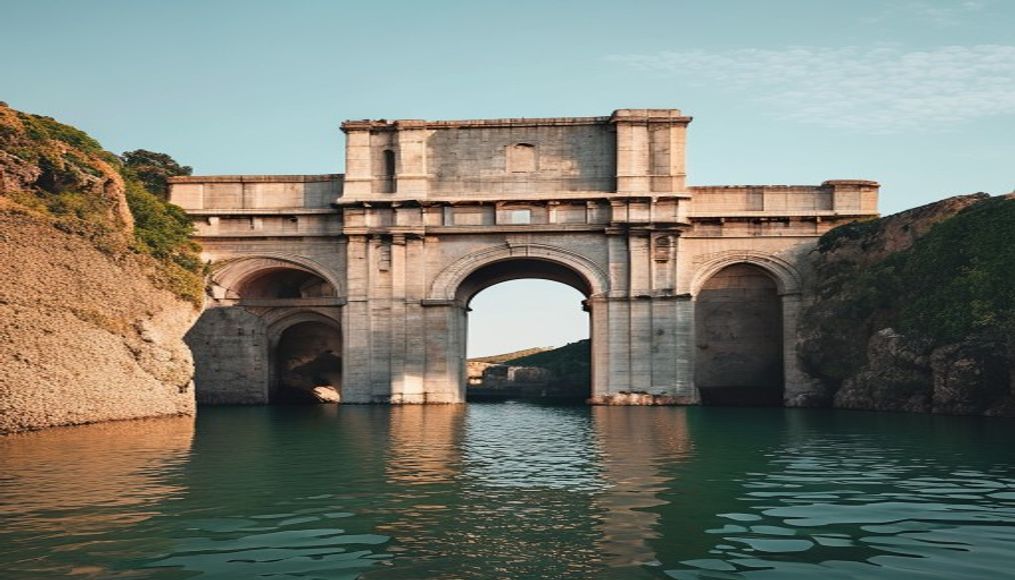
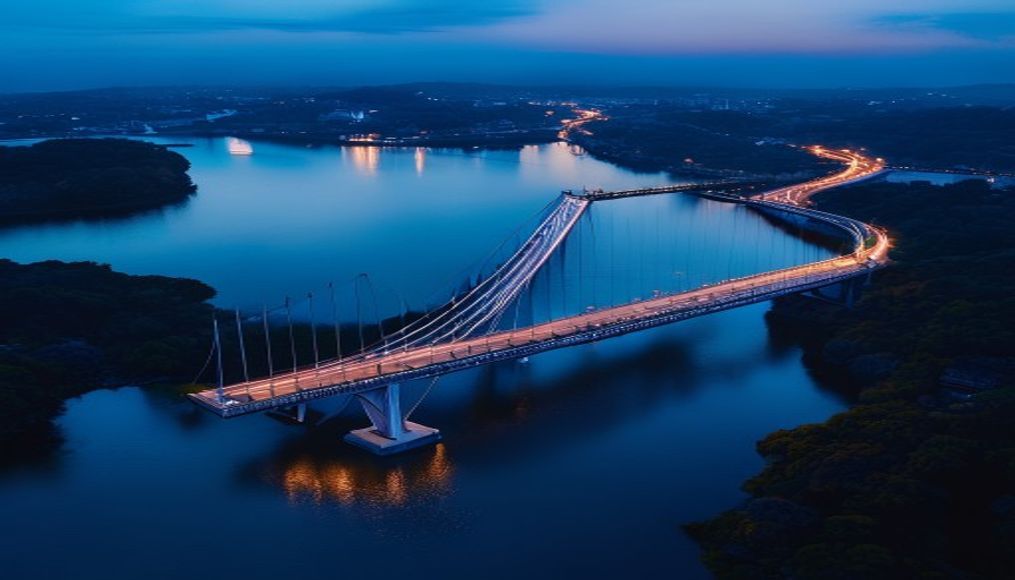
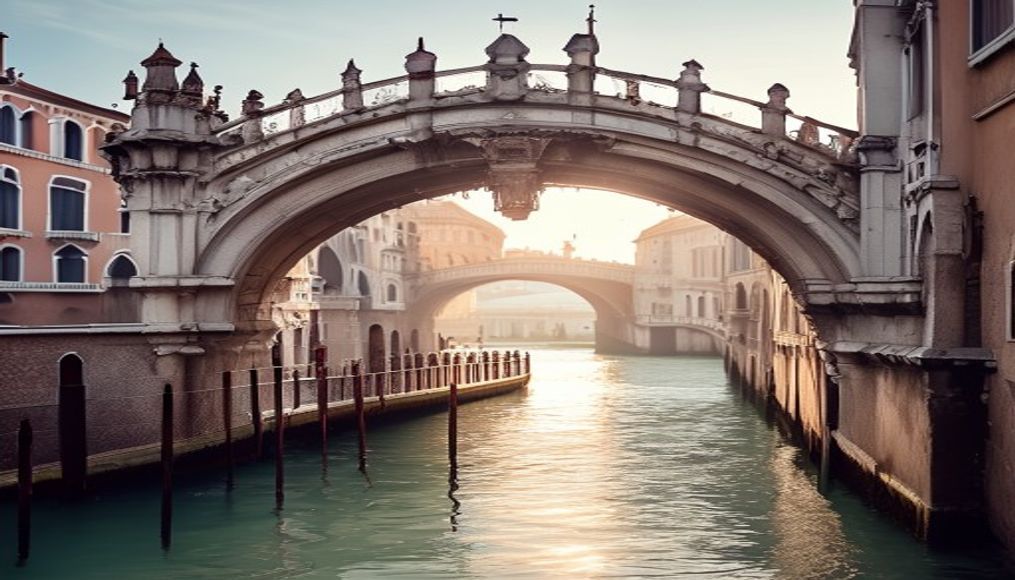
The Chain Bridge (Széchenyi Lánchíd) in Budapest, a historical landmark and city symbol, depicted in a minimalist composition.
About this subject
The Chain Bridge, officially named Széchenyi Lánchíd, is the oldest permanent bridge across the Danube River in Budapest, linking the districts of Buda and Pest. Designed by English engineer William Tierney Clark and built by Scottish engineer Adam Clark (no relation), it opened in 1849 after a decade of construction. It is a chain suspension bridge with a central span of 202 meters, which at the time of construction was one of the longest in the world. Its name derives from the chains that support the deck, clearly visible in the suspended structure.
The bridge's construction symbolized progress and the unification of the city, which until then relied on ferries and temporary pontoons. During World War II, it was dynamited by retreating German forces but was rebuilt and reopened in 1949, exactly one century after its original inauguration. The bridge features two neoclassical towers at each end, adorned with shields and stone lions sculpted by János Marschalkó. The lions, which guard the entrances, inspire a local legend: they are said to roar only when a pure man passes by, but they remain silent to this day.
The minimalist composition of the image highlights the elegant lines of the bridge, emphasizing the curves of the chains and the contrast between the sky and the metallic structure. This artistic approach values geometric simplicity, reducing the scene to its essential elements: the towers, the cables, and the reflection on the water. The Chain Bridge is not merely a means of transportation but a cultural icon featured on stamps, coins, and in literature. It also inspired other bridges, such as the Maréchal de Lattre de Tassigny in Toulon, France, and the Clifton Suspension Bridge in Bristol, England, both by the same designer.
For visitors, the bridge offers a privileged view of the Hungarian Parliament Building and Buda Castle, especially at dusk when it is illuminated. Walking across the bridge is a must-do experience in Budapest, connecting two UNESCO World Heritage sites. The minimalist version depicted in the image invites the viewer to appreciate the purity of its forms, without distractions, and to reflect on the 19th-century engineering that remains functional and admired today.
Frequently Asked Questions
Why is the Chain Bridge called that?
The name comes from the wrought-iron chains that support the bridge deck. These chains are the visible structural elements connecting the towers across the span.
Who designed the Chain Bridge in Budapest?
It was designed by English engineer William Tierney Clark, who also designed the Maréchal de Lattre de Tassigny Bridge in France. Construction was supervised by Scottish engineer Adam Clark.
Was the Chain Bridge destroyed in the war?
Yes, in 1945 during the German retreat in World War II, the bridge was dynamited. It was rebuilt and reopened on August 20, 1949, exactly 100 years after its original inauguration.
Direct URL
https://pub-c7d6a6ea828543ac903a74a341ccb2e1.r2.dev/imagens/chain-bridge-budapest-minimalist-composition-p2.avifHow to credit
Include a visible link back to UtilizAí. Copy one of the snippets below:
<a href="https://xn--utiliza-eza.com/en/midia/imagens/chain-bridge-budapest-minimalist-composition-p2">Chain bridge budapest</a> by <a href="https://xn--utiliza-eza.com">UtilizAí</a>, licensed under <a href="https://creativecommons.org/licenses/by/4.0/">CC BY 4.0</a>.
[Chain bridge budapest](https://xn--utiliza-eza.com/en/midia/imagens/chain-bridge-budapest-minimalist-composition-p2) by [UtilizAí](https://xn--utiliza-eza.com), CC BY 4.0
License: CC-BY-4.0