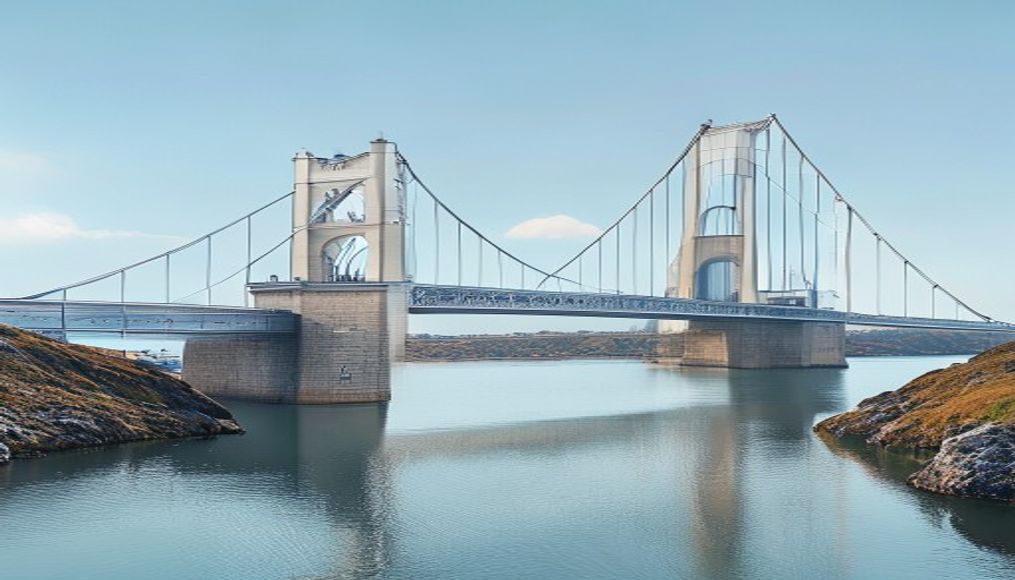
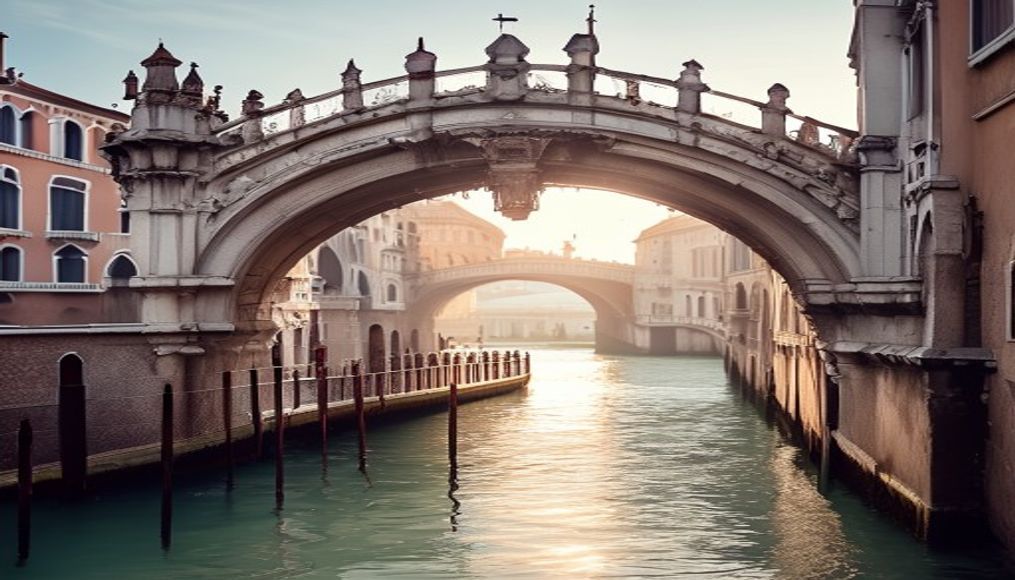
Pont du gard roman
1344×768 · JPG · CC BY 4.0
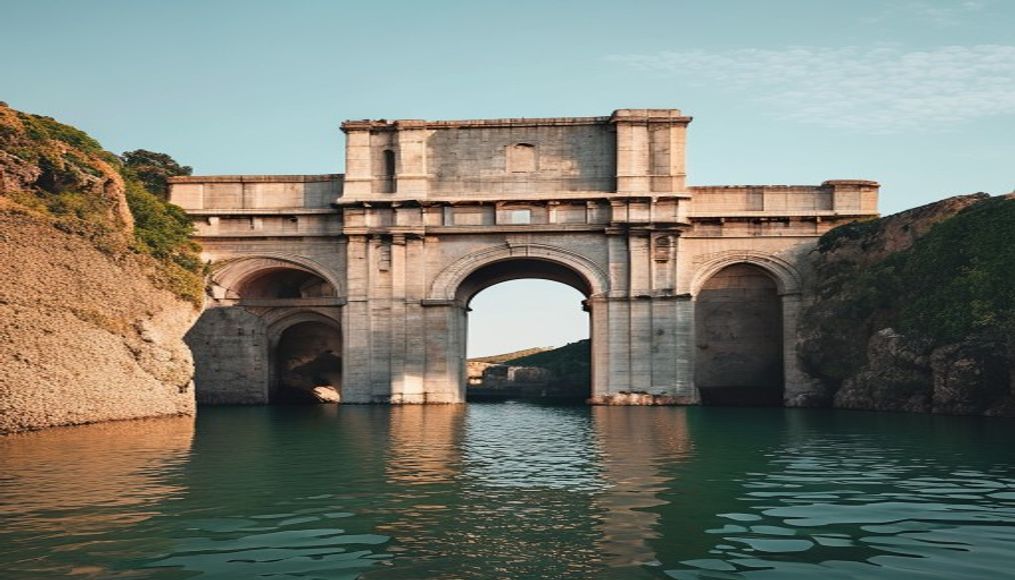
The Pont du Gard is a 1st-century Roman aqueduct in France, a UNESCO World Heritage site and one of the most impressive examples of ancient engineering.
About this subject
The Pont du Gard, located near Nîmes in southern France, is a masterpiece of Roman hydraulic engineering. Built in the 1st century AD during the reign of Emperor Claudius or Nero, it was part of a 50 km aqueduct system that carried water from the Eure spring near Uzès to the city of Nîmes, then called Nemausus. The structure stands 49 meters high and 275 meters long, consisting of three tiers of arches: six arches on the lower level, eleven on the middle, and 35 on the upper tier that supported the water channel. The stones, some weighing up to six tons, were fitted without mortar, using precise joints and iron clamps. The aqueduct delivered about 20,000 cubic meters of water per day, with a gentle gradient of only 34 cm per kilometer, demonstrating the accuracy of Roman surveyors.
The Pont du Gard is not just an aqueduct but also a bridge. Its name means "bridge of the Gard," referring to the Gardon River it crosses. For centuries, the structure served as a pedestrian and vehicle crossing, causing wear and damage. In the 18th century, it was restored and adapted as a road bridge, with a road added over the lower level. Only in the 19th century, after archaeological studies, was the monument recognized as an aqueduct and underwent restoration to preserve its original form. In 1985, it was inscribed as a UNESCO World Heritage site, described as a masterpiece of human creative genius.
Today, the Pont du Gard is one of the most visited monuments in France, attracting over a million tourists per year. The site features a museum and interpretation center explaining the construction and history of the aqueduct. The surrounding area is a natural park, allowing visitors to swim in the Gardon River or go hiking. Preservation is ongoing, with modern monitoring techniques to prevent damage from tourism and weather. A curiosity: the water channel at the top was about 1.8 meters high and 1.2 meters wide, lined with opus signinum, a type of waterproof Roman concrete. The precise gradient ensured water flowed by gravity without pumps.
The Pont du Gard's influence on architecture and engineering is vast. It inspired later bridges and aqueducts, such as the Aqua Claudia in Rome and even designers of the Panama Canal. The technique of arch construction with fitted stones was studied by Renaissance architects like Palladio. Locally, the aqueduct supplied public fountains, baths, and homes in Nîmes, highlighting the high urban standard of life in Roman Gaul. The preservation of the Pont du Gard allows us today to admire the ingenuity and long-term vision of Roman engineers, who created a functional structure lasting for nearly two millennia.
Frequently Asked Questions
What is the exact height of the Pont du Gard?
The Pont du Gard is 49 meters high at its tallest point, equivalent to a building of about 16 stories.
Why was the Pont du Gard built?
It was built to carry water from the Eure spring in Uzès to the city of Nîmes, about 50 km away, supplying fountains, baths, and homes.
Does the Pont du Gard still function as an aqueduct?
No, the aqueduct ceased to function in the 6th century after the fall of the Roman Empire due to clogging and lack of maintenance.
Direct URL
https://pub-c7d6a6ea828543ac903a74a341ccb2e1.r2.dev/imagens/pont-du-gard-roman-minimalist-composition-p4.jpgHow to credit
Include a visible link back to UtilizAí. Copy one of the snippets below:
<a href="https://xn--utiliza-eza.com/en/midia/imagens/pont-du-gard-roman-minimalist-composition-p4">Pont du gard roman</a> by <a href="https://xn--utiliza-eza.com">UtilizAí</a>, licensed under <a href="https://creativecommons.org/licenses/by/4.0/">CC BY 4.0</a>.
[Pont du gard roman](https://xn--utiliza-eza.com/en/midia/imagens/pont-du-gard-roman-minimalist-composition-p4) by [UtilizAí](https://xn--utiliza-eza.com), CC BY 4.0
License: CC-BY-4.0