Celtic harp small
1344×768 · AVIF · CC BY 4.0
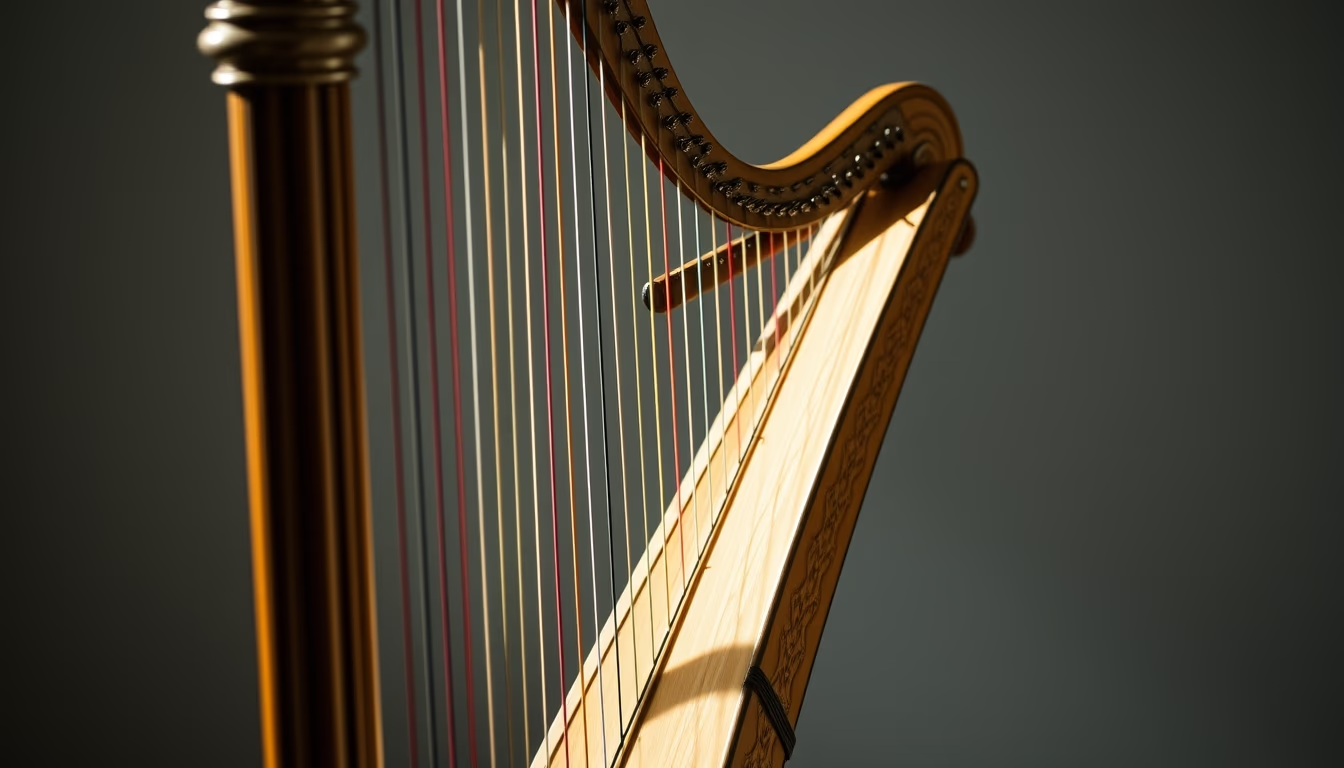
The small Celtic harp is a traditional string instrument, popular in Irish and Scottish folk music, known for its soft sound and portability.
About this subject
The Celtic harp, also called cláirseach in Ireland or clàrsach in Scotland, has origins dating back to the Middle Ages. Unlike the modern orchestral harp, the Celtic harp traditionally lacks pedals and is smaller, allowing it to be played on the lap. Small versions, with about 20 to 30 strings, are especially favored by beginners and for intimate performances in settings like pubs and festivals.
Historically, the Celtic harp was the instrument of bards and troubadours, who conveyed stories and poems through music. In the 17th century, blind harper Turlough O'Carolan became one of the greatest composers for the instrument, influencing Irish music to this day. The harp is also a national symbol of Ireland, appearing on the country's coat of arms and coins.
Construction of the small Celtic harp typically uses oak or sycamore wood, with strings made of steel or gut. The curved shape and lack of pedals require the player to use fingers to alter note pitch, creating a unique playing style. Being lighter and more compact, it is ideal for those wanting to learn the instrument without the high cost and weight of a concert harp.
Frequently Asked Questions
What is the difference between a small Celtic harp and a classical harp?
The small Celtic harp has no pedals, is smaller, and has fewer strings (usually 20 to 30), while the classical harp has pedals for pitch changes and can have up to 47 strings. The Celtic harp produces a softer sound and is more portable.
How many strings does a small Celtic harp have?
Typically between 20 and 30 strings, but it varies. Models with 22 or 26 strings are common for beginners, offering enough range to play folk melodies without being too complex.
Is the Celtic harp difficult to play?
Compared to other string instruments, the Celtic harp has a moderate learning curve. Basic fingerpicking technique is intuitive, but developing agility and reading sheet music may require practice. Many beginners can play simple songs within a few weeks.
Direct URL
https://pub-c7d6a6ea828543ac903a74a341ccb2e1.r2.dev/imagens/celtic-harp-small-magazine-editorial-p9.avifHow to credit
Include a visible link back to UtilizAí. Copy one of the snippets below:
<a href="https://xn--utiliza-eza.com/en/midia/imagens/celtic-harp-small-magazine-editorial-p9">Celtic harp small</a> by <a href="https://xn--utiliza-eza.com">UtilizAí</a>, licensed under <a href="https://creativecommons.org/licenses/by/4.0/">CC BY 4.0</a>.
[Celtic harp small](https://xn--utiliza-eza.com/en/midia/imagens/celtic-harp-small-magazine-editorial-p9) by [UtilizAí](https://xn--utiliza-eza.com), CC BY 4.0
License: CC-BY-4.0