Cathedral interior gothic
1344×768 · AVIF · CC BY 4.0
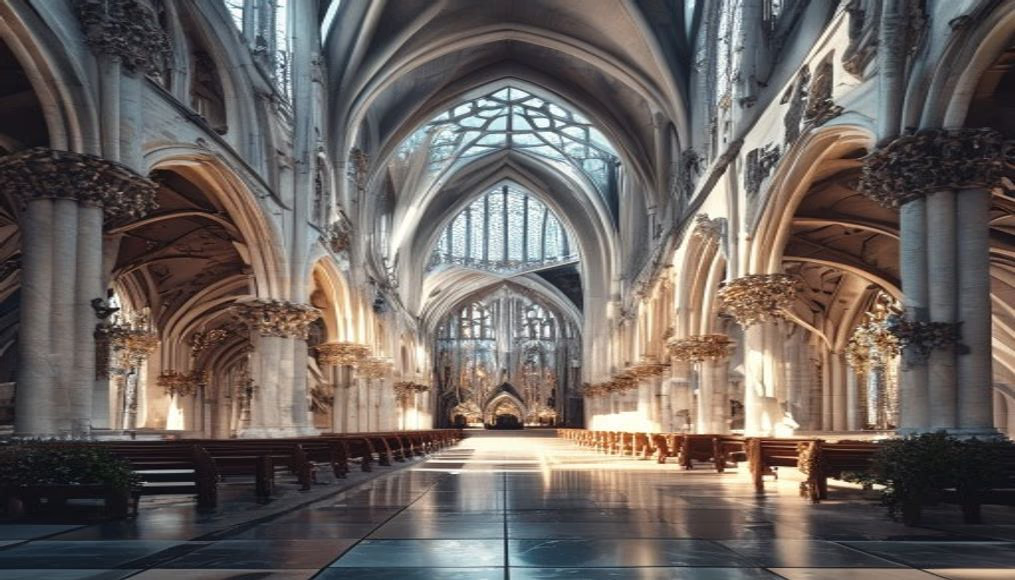
Gothic cathedral interiors captivate with soaring naves, stained glass windows, and ribbed vaults, reflecting medieval religious power and architectural innovation.
About this subject
Gothic cathedrals, built between the 12th and 16th centuries across Europe, represent a pinnacle of religious architecture. Their interiors were designed to inspire awe and connect worshippers with the divine. The use of pointed arches, ribbed vaults, and flying buttresses allowed naves to reach unprecedented heights, such as Notre-Dame de Paris (32 meters) or Cologne Cathedral (43 meters). This verticality symbolized the soul's ascent toward God.
Stained glass windows, another hallmark, filtered natural light to create a mystical, colorful atmosphere. In cathedrals like Chartres and Sainte-Chapelle, medieval windows depict biblical stories and saints' lives, serving as a “Bible for the poor” for a largely illiterate population. The lead-came technique and chemical pigments produced vibrant hues that have endured for centuries.
The interior also featured side chapels, carved altarpieces, and ornate pulpits. Many cathedrals house sacred relics, such as the Crown of Thorns in Notre-Dame, or artistic treasures like the altar of St. John the Baptist in Siena Cathedral. The acoustics of these spaces, with long reverberation times, influenced the development of Gregorian chant and polyphonic music.
Today, these Gothic interiors are major tourist attractions and active places of worship. The restoration after the 2019 fire at Notre-Dame highlights ongoing efforts to preserve this heritage. Modern artificial lighting, carefully installed, accentuates architectural details without overpowering the original atmosphere.
Frequently Asked Questions
What characterizes the interior of a Gothic cathedral?
The Gothic interior is marked by high naves with ribbed vaults, pointed arches, stained glass windows, side chapels, and a sense of verticality that draws the eye upward.
What was the function of stained glass in Gothic cathedrals?
Stained glass served an educational and symbolic purpose: it filled the interior with colored light representing divine illumination and depicted biblical stories for a largely illiterate population.
How did Gothic architecture influence music?
The long acoustic reverberation of Gothic cathedrals favored the development of Gregorian chant and polyphony, as sounds blended harmoniously in the space.
Direct URL
https://pub-c7d6a6ea828543ac903a74a341ccb2e1.r2.dev/imagens/cathedral-interior-gothic-commercial-product-photography-v9.avifHow to credit
Include a visible link back to UtilizAí. Copy one of the snippets below:
<a href="https://xn--utiliza-eza.com/en/midia/imagens/cathedral-interior-gothic-commercial-product-photography-v9">Cathedral interior gothic</a> by <a href="https://xn--utiliza-eza.com">UtilizAí</a>, licensed under <a href="https://creativecommons.org/licenses/by/4.0/">CC BY 4.0</a>.
[Cathedral interior gothic](https://xn--utiliza-eza.com/en/midia/imagens/cathedral-interior-gothic-commercial-product-photography-v9) by [UtilizAí](https://xn--utiliza-eza.com), CC BY 4.0
License: CC-BY-4.0