Cappuccino with foam art
1344×768 · AVIF · CC BY 4.0

Cappuccino is a classic Italian beverage made with espresso, steamed milk, and creamy foam, often adorned with latte art.
About this subject
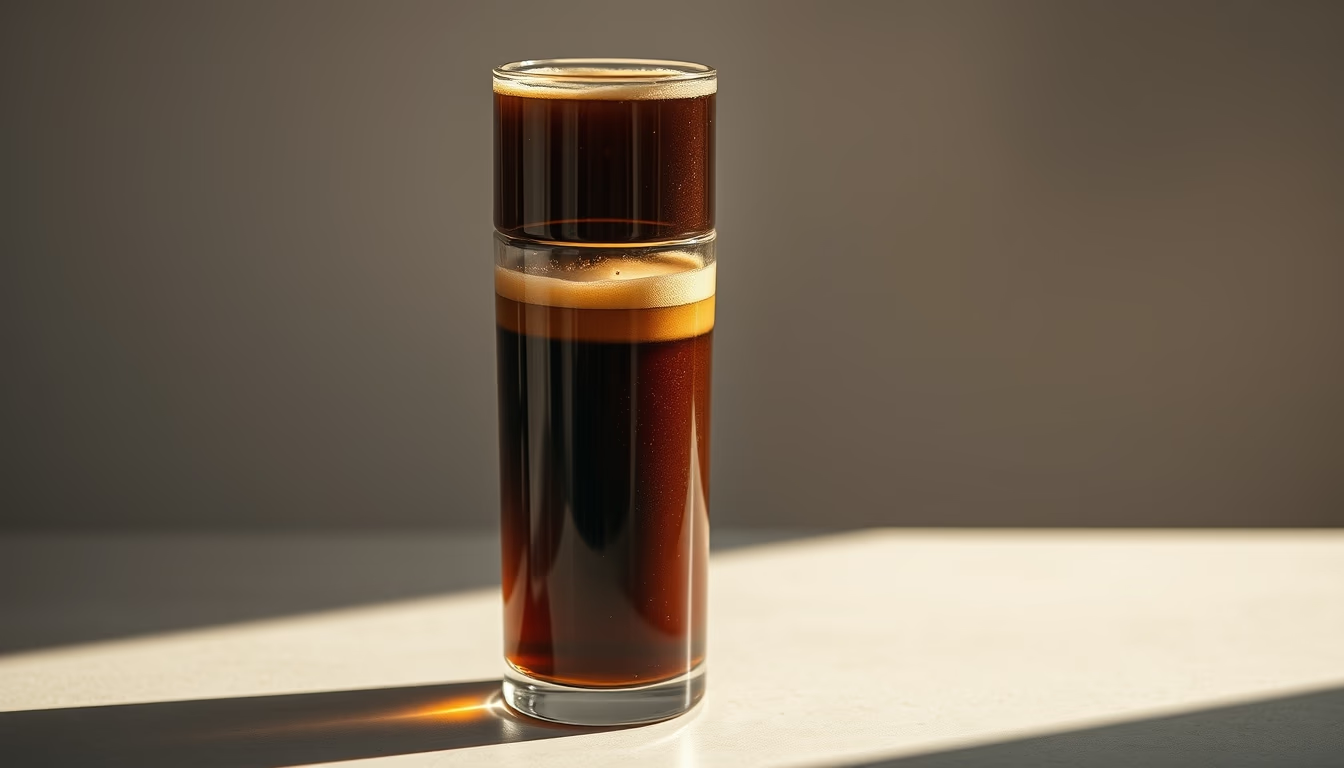
Cappuccino is one of the most popular coffee-based beverages worldwide, originating in Italy in the early 20th century. Its name comes from the Capuchin friars, whose brown robes resembled the drink's color when properly prepared: one-third espresso, one-third steamed milk, and one-third milk foam. The velvety texture and balance between the coffee's bitterness and the milk's sweetness are key characteristics.
Foam art, or latte art, emerged in the 1980s in the United States and gained global popularity. Skilled baristas pour steamed milk over espresso in precise motions to create designs such as hearts, rosettes, and tulips. The technique requires control of milk temperature (between 60°C and 70°C) and foam consistency, which should be a homogeneous microfoam without large bubbles. International competitions, like the World Latte Art Championship, elevate the practice to an artistic level.
In Brazil, cappuccino has been adapted with additions such as cinnamon or cocoa powder and is served in specialty coffee shops. The beverage also varies by milk type: whole, skim, or plant-based (soy, almond). For many connoisseurs, the creamy foam is what distinguishes a quality cappuccino from a simple coffee with milk. Studies suggest that moderate coffee consumption may offer health benefits, such as improved concentration and antioxidants.
Frequently Asked Questions
What is the difference between cappuccino and latte?
A cappuccino has equal parts espresso, steamed milk, and foam, resulting in a stronger taste and thick foam. A latte has more steamed milk and little foam, making it smoother.
How is foam art made on cappuccino?
The barista steams milk to create microfoam, then pours it slowly over the espresso with controlled movements. Surface tension allows shapes like hearts and leaves to form.
What is the ideal milk temperature for cappuccino?
Milk should be steamed between 60°C and 70°C. Above that, proteins denature and foam loses creaminess. Below that, there isn't enough air incorporation.
Direct URL
https://pub-c7d6a6ea828543ac903a74a341ccb2e1.r2.dev/imagens/cappuccino-with-foam-art-studio-editorial-portrait-p2.avifHow to credit
Include a visible link back to UtilizAí. Copy one of the snippets below:
<a href="https://xn--utiliza-eza.com/en/midia/imagens/cappuccino-with-foam-art-studio-editorial-portrait-p2">Cappuccino with foam art</a> by <a href="https://xn--utiliza-eza.com">UtilizAí</a>, licensed under <a href="https://creativecommons.org/licenses/by/4.0/">CC BY 4.0</a>.
[Cappuccino with foam art](https://xn--utiliza-eza.com/en/midia/imagens/cappuccino-with-foam-art-studio-editorial-portrait-p2) by [UtilizAí](https://xn--utiliza-eza.com), CC BY 4.0
License: CC-BY-4.0