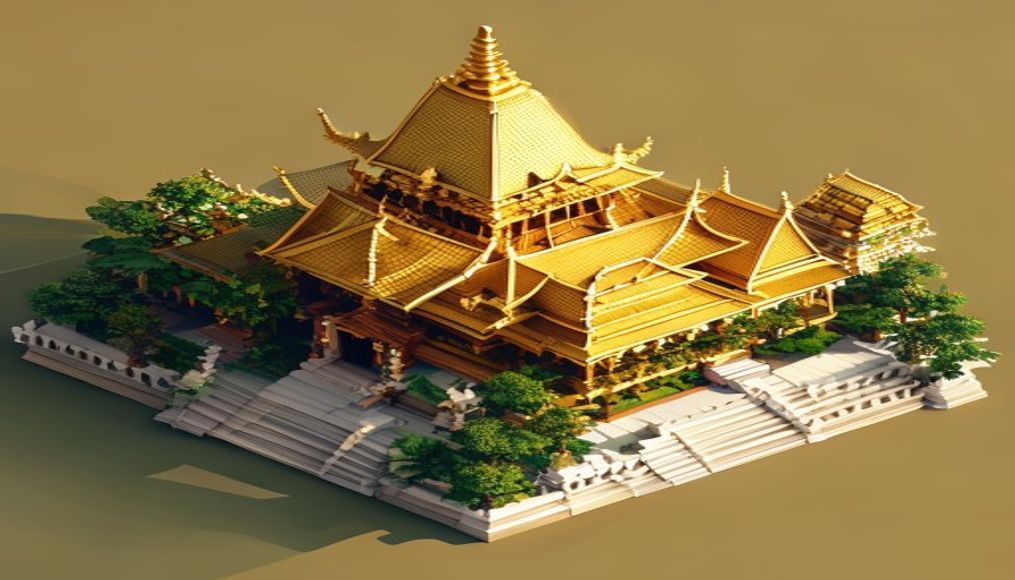
Cambodian temple bas relief
1344×768 · JPG · CC BY 4.0
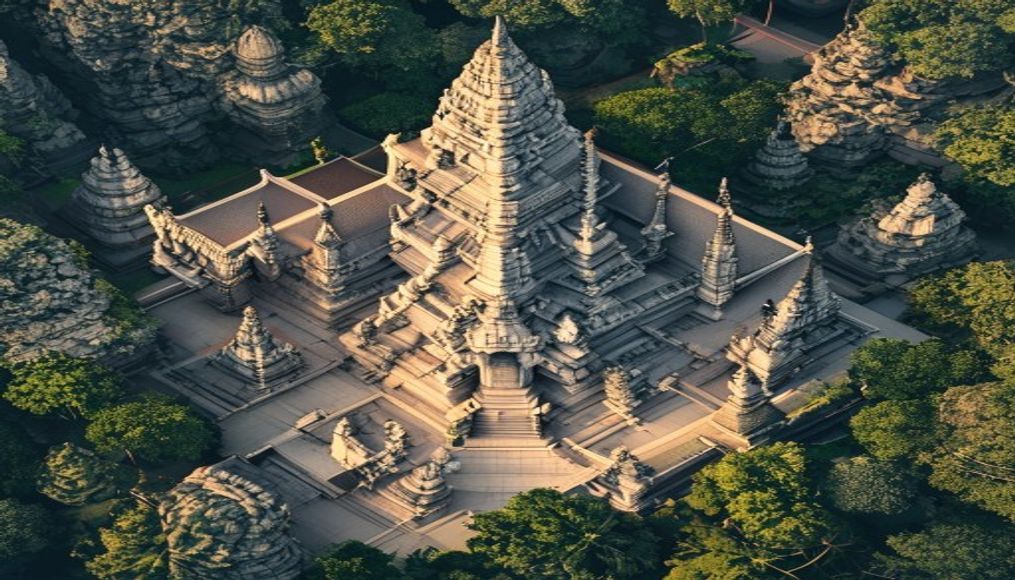
Cambodian temple bas reliefs, such as those at Angkor Wat, depict mythological and historical scenes carved into sandstone with remarkable detail.
About this subject
Bas reliefs are a hallmark of Khmer architecture, particularly in temples from the Angkor period (9th to 15th centuries). Carved directly into sandstone walls, they depict Hindu epics like the 'Churning of the Ocean of Milk' (Samudra Manthan), as well as scenes of medieval daily life, including markets, battles, and royal processions. Angkor Wat, built in the 12th century by King Suryavarman II, features one of the most extensive and best‑preserved sequences, spanning over 1,200 square meters of continuous relief.
The technique involved iron chisels and hammers applied to sandstone blocks quarried from the nearby Phnom Kulen range. Relief depth varied from 5 to 15 centimeters, casting shadows that highlighted figures during daylight. Many panels were later polished with abrasive stones for a smooth finish, though erosion and looting over centuries have damaged significant portions.
Culturally, these reliefs served as illustrated books for an illiterate population, teaching religious stories and legitimizing the divine authority of kings. The style evolved over time: pre‑Angkorian figures were more rigid, while the classical period (12th century) achieved greater naturalism and movement, with scenes of naval battles and celestial dancers (apsaras). Today, bas reliefs are a UNESCO World Heritage site, attracting millions of tourists annually and undergoing archaeological study and conservation efforts against humidity and moss growth.
Frequently Asked Questions
What are bas reliefs in Cambodian temples?
They are shallow carved sculptures on sandstone walls depicting figures and scenes, typical of Khmer art in temples like Angkor Wat.
Which is the most famous bas relief in Cambodia?
The 'Churning of the Ocean of Milk' (Samudra Manthan) panel at Angkor Wat, showing gods and demons churning the ocean to obtain the elixir of immortality.
How have bas reliefs been preserved over time?
They have suffered natural erosion and human damage, but restoration projects by UNESCO and the Cambodian government use chemical cleaning and drainage techniques to protect them.
Direct URL
https://pub-c7d6a6ea828543ac903a74a341ccb2e1.r2.dev/imagens/cambodian-temple-bas-relief-isometric-flat-lay-p3.jpgHow to credit
Include a visible link back to UtilizAí. Copy one of the snippets below:
<a href="https://xn--utiliza-eza.com/en/midia/imagens/cambodian-temple-bas-relief-isometric-flat-lay-p3">Cambodian temple bas relief</a> by <a href="https://xn--utiliza-eza.com">UtilizAí</a>, licensed under <a href="https://creativecommons.org/licenses/by/4.0/">CC BY 4.0</a>.
[Cambodian temple bas relief](https://xn--utiliza-eza.com/en/midia/imagens/cambodian-temple-bas-relief-isometric-flat-lay-p3) by [UtilizAí](https://xn--utiliza-eza.com), CC BY 4.0
License: CC-BY-4.0