Cactus greenhouse desert
1344×768 · AVIF · CC BY 4.0
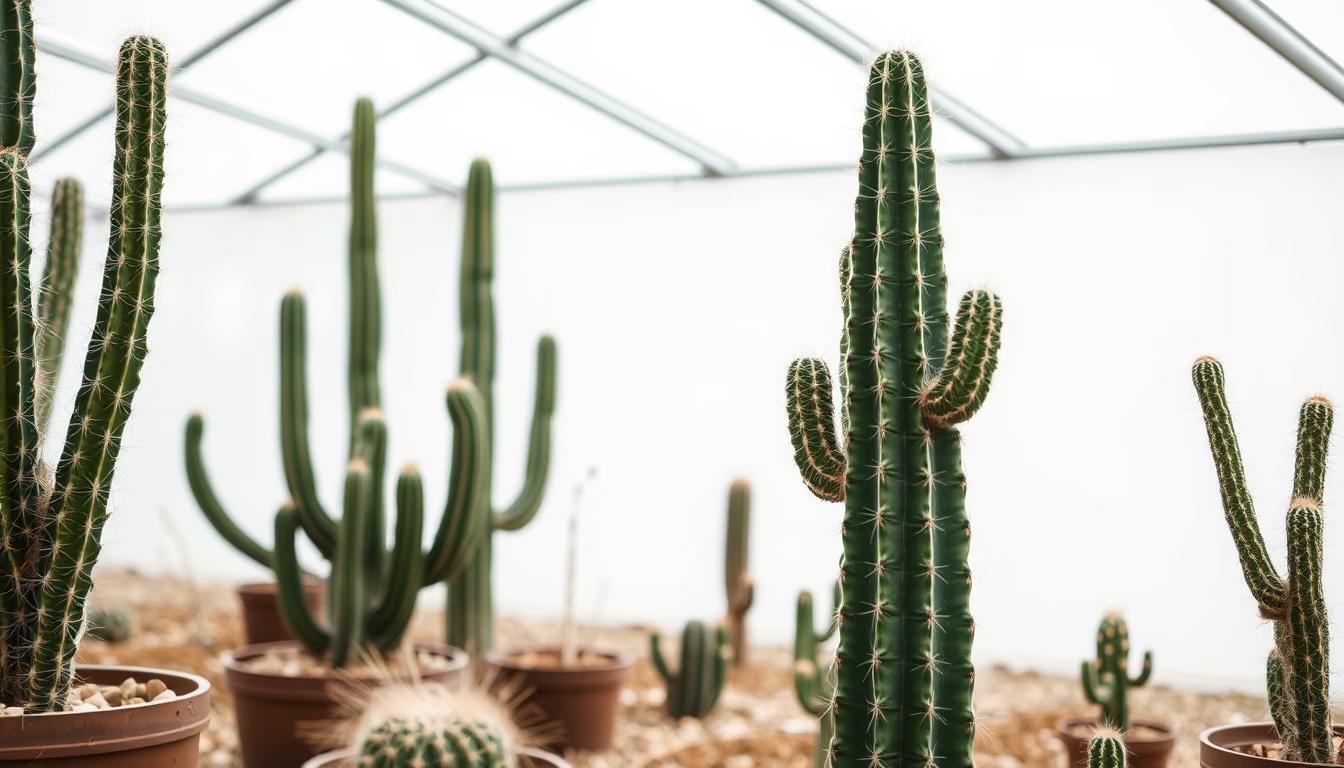
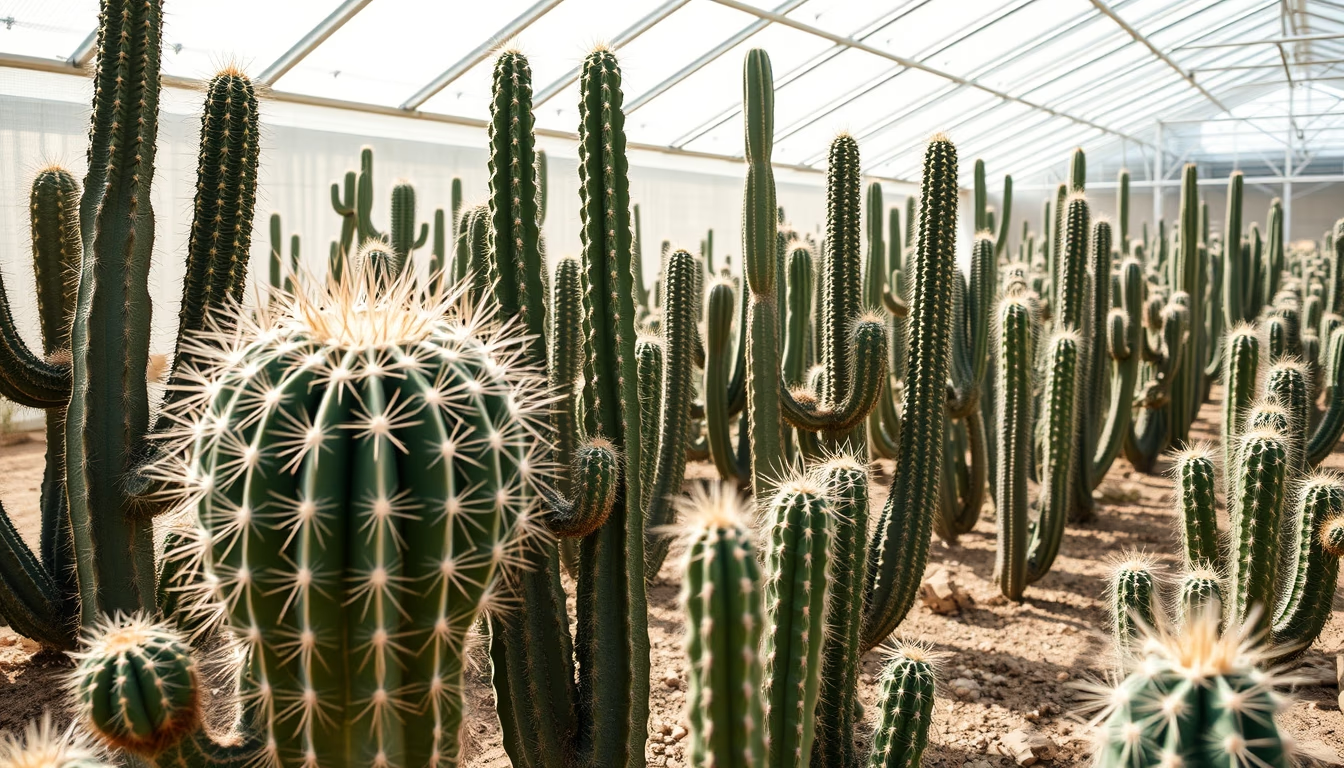
Cacti grown in desert greenhouses combine modern horticultural techniques with species adapted to arid climates.
About this subject
Commercial cactus production in greenhouses located in desert regions combines the environmental control of modern horticulture with the natural resilience of these plants. Greenhouses protect cacti from extreme temperatures, strong winds, and pests, promoting uniform and healthy growth. In places like Arizona (USA) and northeastern Brazil, growers use structures with adjustable shading and drip irrigation systems to replicate ideal drainage and light conditions.
The global ornamental cactus market moves billions of dollars annually, with species such as saguaro (Carnegiea gigantea), prickly pear (Opuntia ficus-indica), and mini pot cacti being the most commercialized. Greenhouses allow large-scale propagation by seeds or cuttings, ensuring steady supply for landscaping, decoration, and even food (such as cactus fruits). Export of these plants requires phytosanitary certifications, as many are protected by international treaties.
Technically, the substrate used in cactus greenhouses consists of sand, perlite, and organic matter in proportions that prevent waterlogging. Ideal temperatures range between 20°C and 30°C, with low relative humidity. Automated sensors control window openings and fans, while irrigation uses reverse osmosis-treated water to avoid salts. Some greenhouses employ solar panels to power the system, reducing costs in high-insolation regions.
Frequently Asked Questions
Why grow cacti in greenhouses instead of outdoors?
Greenhouses provide protection from weather, temperature and humidity control, and reduce pest incidence, resulting in healthier plants with higher commercial value.
Which cacti are most commonly grown commercially in greenhouses?
Species like saguaro (Carnegiea gigantea), prickly pear (Opuntia ficus-indica), and mini cacti from genera Echinocactus and Mammillaria are common, along with ornamental hybrids.
How is irrigation done for cacti in desert greenhouses?
Drip irrigation with reverse osmosis-treated water is used, applied at intervals that prevent waterlogging, typically every 2-4 weeks depending on the season.
Direct URL
https://pub-c7d6a6ea828543ac903a74a341ccb2e1.r2.dev/imagens/cactus-greenhouse-desert-commercial-product-photography-fresh1.avifHow to credit
Include a visible link back to UtilizAí. Copy one of the snippets below:
<a href="https://xn--utiliza-eza.com/en/midia/imagens/cactus-greenhouse-desert-commercial-product-photography-fresh1">Cactus greenhouse desert</a> by <a href="https://xn--utiliza-eza.com">UtilizAí</a>, licensed under <a href="https://creativecommons.org/licenses/by/4.0/">CC BY 4.0</a>.
[Cactus greenhouse desert](https://xn--utiliza-eza.com/en/midia/imagens/cactus-greenhouse-desert-commercial-product-photography-fresh1) by [UtilizAí](https://xn--utiliza-eza.com), CC BY 4.0
License: CC-BY-4.0