Cabana beach overwater
1344×768 · AVIF · CC BY 4.0

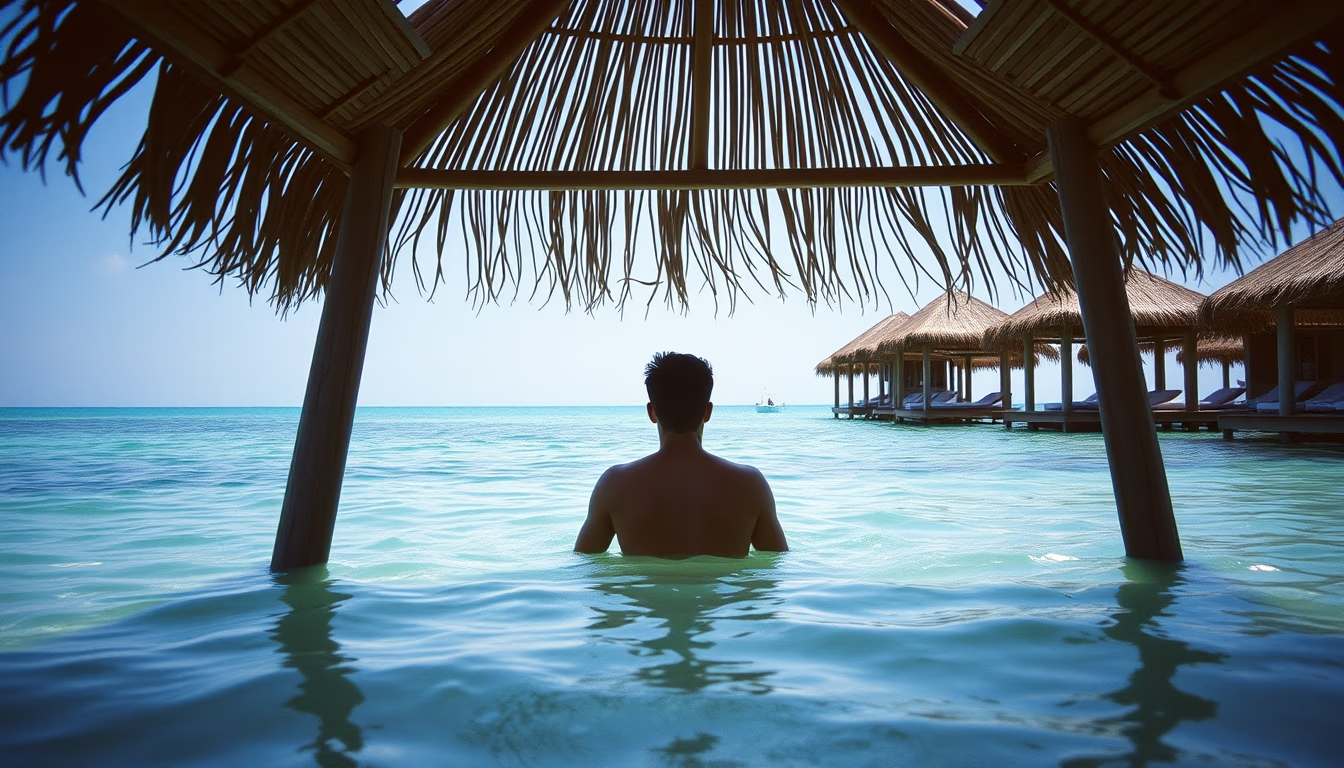
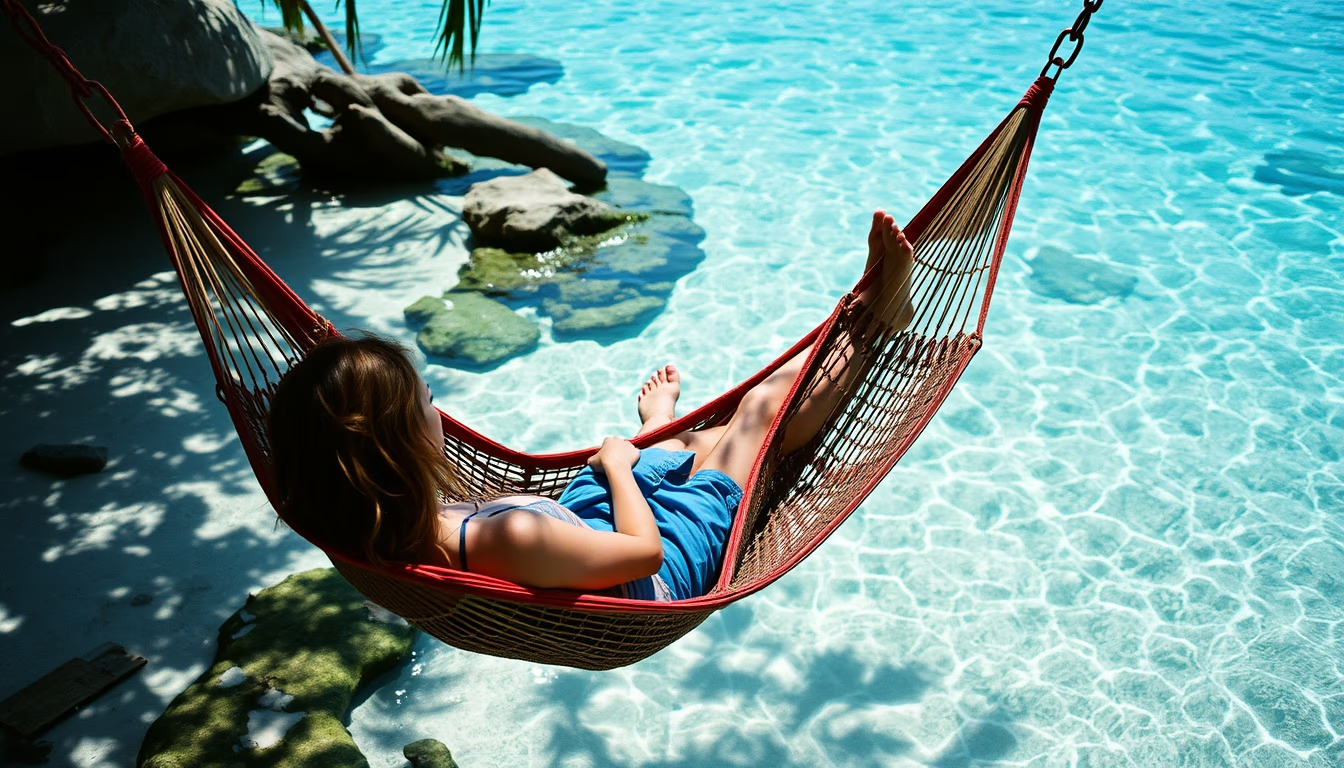
Overwater cabanas provide an exclusive relaxation experience on tropical beaches, blending luxury with direct contact with the sea.
About this subject
Overwater cabanas are iconic attractions in beach resorts worldwide, especially in destinations like the Maldives, Tahiti, and the Caribbean. These structures, typically built from wood and thatch, offer guests panoramic ocean views and direct access to the water for swimming or snorkeling. The design integrates natural surroundings with modern comfort, including loungers, awnings, and sometimes glass floors to observe marine life.
The origin of overwater cabanas dates back to the 1960s, when the first resort in the Maldives built floating bungalows to attract tourists. Since then, the concept has spread globally, becoming a symbol of paradisiacal seclusion and romance. Many of these cabanas are located on coral reefs, where the marine ecosystem is preserved, and visitors can snorkel directly from their private decks.
The experience in an overwater cabana goes beyond visuals: the sound of waves, constant breeze, and feeling of being surrounded by the sea create a meditative environment. Some resorts offer personalized services such as breakfast delivered by boat or private dinners on the veranda. However, the environmental impact of these constructions is debated, leading many developments to adopt sustainable practices like solar energy and waste treatment.
Interestingly, not all overwater cabanas are permanent. In some regions, temporary versions are set up during peak season and dismantled to protect the reefs. Constant maintenance against salt corrosion and tidal action is a logistical challenge, requiring high-quality materials and specialized engineering. For travelers, the overwater cabana represents the pinnacle of beach tourism, a blend of untouched nature and high-end hospitality.
Frequently Asked Questions
Which destinations are famous for overwater cabanas?
The Maldives is the most well‑known destination, followed by Tahiti, Bora Bora, Fiji, and Caribbean resorts in Mexico and Jamaica. Southeast Asia also has options in Thailand and Indonesia.
Are overwater cabanas sustainable?
Environmental impact varies. Many modern resorts use solar panels, water treatment systems, and limit the number of units to minimize reef damage. Temporary structures are an eco‑friendly alternative.
What is the average cost of an overwater cabana stay?
Prices range widely: from $300 per night at basic resorts to over $2,000 at luxury ones, depending on destination, season, and included services.
Direct URL
https://pub-c7d6a6ea828543ac903a74a341ccb2e1.r2.dev/imagens/cabana-beach-overwater-film-grain-authentic-fresh17.avifHow to credit
Include a visible link back to UtilizAí. Copy one of the snippets below:
<a href="https://xn--utiliza-eza.com/en/midia/imagens/cabana-beach-overwater-film-grain-authentic-fresh17">Cabana beach overwater</a> by <a href="https://xn--utiliza-eza.com">UtilizAí</a>, licensed under <a href="https://creativecommons.org/licenses/by/4.0/">CC BY 4.0</a>.
[Cabana beach overwater](https://xn--utiliza-eza.com/en/midia/imagens/cabana-beach-overwater-film-grain-authentic-fresh17) by [UtilizAí](https://xn--utiliza-eza.com), CC BY 4.0
License: CC-BY-4.0