Cabana beach overwater
1344×768 · AVIF · CC BY 4.0
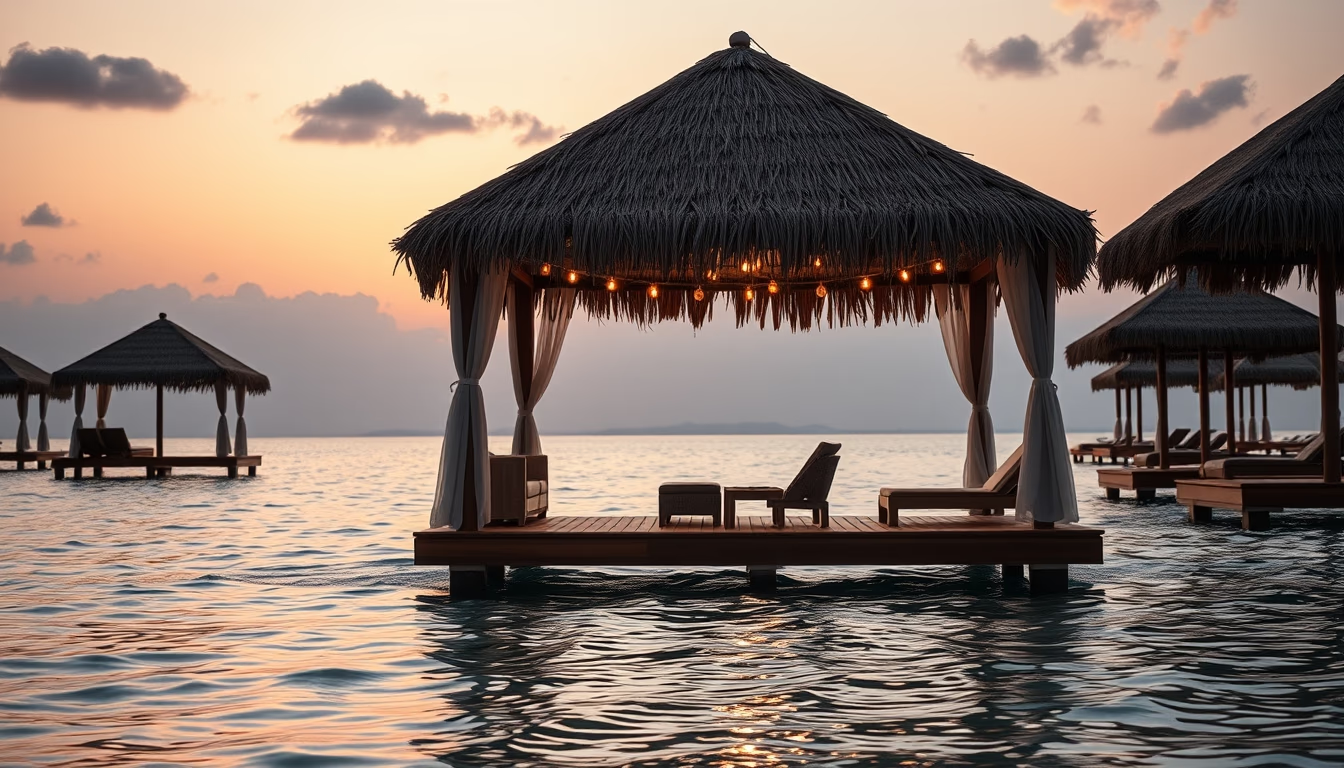
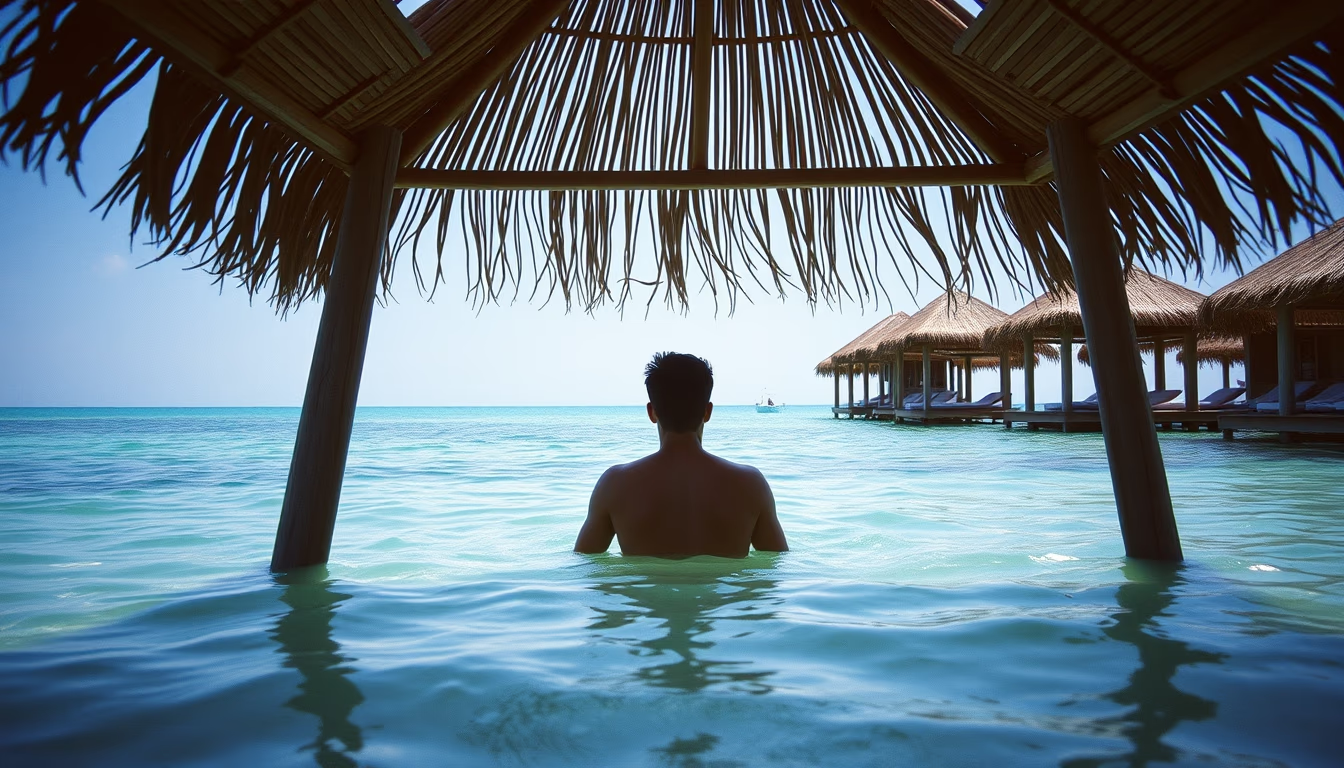
Overwater cabanas are iconic structures in tropical resorts, offering direct sea views and immediate ocean access.
About this subject
Overwater cabanas, also known as water bungalows, have become a symbol of luxury and tranquility in tropical destinations worldwide. Originating in Tahiti and popularized by resorts in the Maldives, these structures are built on stilts fixed to the seabed, allowing guests to sleep literally above the waves. Typical design includes thatched roofs (palm or grass) that help keep the interior cool, and decks with ladders leading directly to the water. Each cabana is strategically positioned to maximize privacy and panoramic ocean views.
In Brazil, though less common, some inns in the Northeast and the Lençóis Maranhenses region have adopted similar concepts, adapting local materials such as coconut palm thatch and reclaimed wood. However, most overwater cabanas are concentrated in archipelagos like Fernando de Noronha, where environmental preservation requires sustainable construction techniques. The experience of staying in an overwater cabana goes beyond visuals: the sound of waves, constant breeze, and sensation of floating over the sea create an ideal setting for relaxation and meditation.
From an architectural standpoint, these cabanas require careful engineering to withstand weather and tides. Materials like treated wood, fiberglass, and concrete are common in the structure, while the thatched roof not only serves an aesthetic purpose but also provides thermal insulation. In regions like the Maldives, where sea level rise is a concern, new cabanas are designed with flotation systems and anchoring that allow adaptation to water level changes. Constant maintenance is necessary to prevent damage from sea spray and marine life.
Culturally, overwater cabanas recall the stilt houses of Southeast Asian fishing villages. Luxury tourism has turned this tradition into an aspirational product, but also sparked debates about environmental impact and social exclusion. Responsible resorts implement coral reef preservation programs and wastewater treatment to minimize harm. For travelers, choosing eco-certified cabanas ensures an experience that respects the marine ecosystem.
Frequently Asked Questions
Where are overwater cabanas most commonly found?
Overwater cabanas are most common in tropical destinations such as the Maldives, Tahiti, Bora Bora, and Fiji. In Brazil, examples exist in Fernando de Noronha and some inns in the Northeast.
Are overwater cabanas safe during storms or high tides?
Yes, if properly engineered. Modern structures use deep foundations and corrosion-resistant materials. In cyclone-prone areas, cabanas may be reinforced with steel tie-downs.
What is the environmental impact of these constructions?
The impact varies by project. Sustainable resorts adopt practices such as wastewater treatment, use of eco-friendly materials, and monitoring of surrounding coral reefs. Poorly planned cabanas can cause erosion and harm marine life.
Direct URL
https://pub-c7d6a6ea828543ac903a74a341ccb2e1.r2.dev/imagens/cabana-beach-overwater-cinematic-wide-shot-fresh6.avifHow to credit
Include a visible link back to UtilizAí. Copy one of the snippets below:
<a href="https://xn--utiliza-eza.com/en/midia/imagens/cabana-beach-overwater-cinematic-wide-shot-fresh6">Cabana beach overwater</a> by <a href="https://xn--utiliza-eza.com">UtilizAí</a>, licensed under <a href="https://creativecommons.org/licenses/by/4.0/">CC BY 4.0</a>.
[Cabana beach overwater](https://xn--utiliza-eza.com/en/midia/imagens/cabana-beach-overwater-cinematic-wide-shot-fresh6) by [UtilizAí](https://xn--utiliza-eza.com), CC BY 4.0
License: CC-BY-4.0