Brutalist concrete monument
1344×768 · JPG · CC BY 4.0
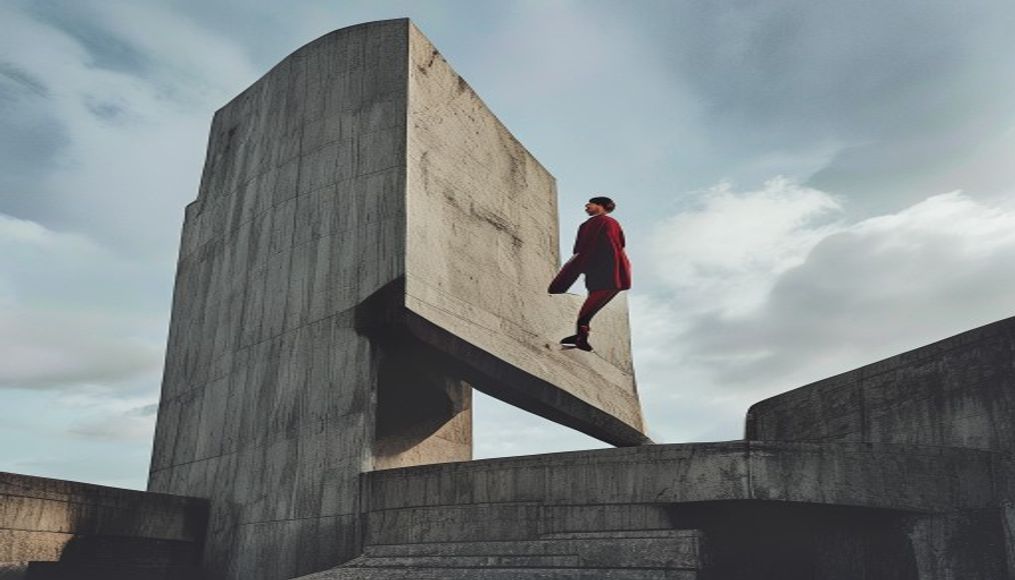
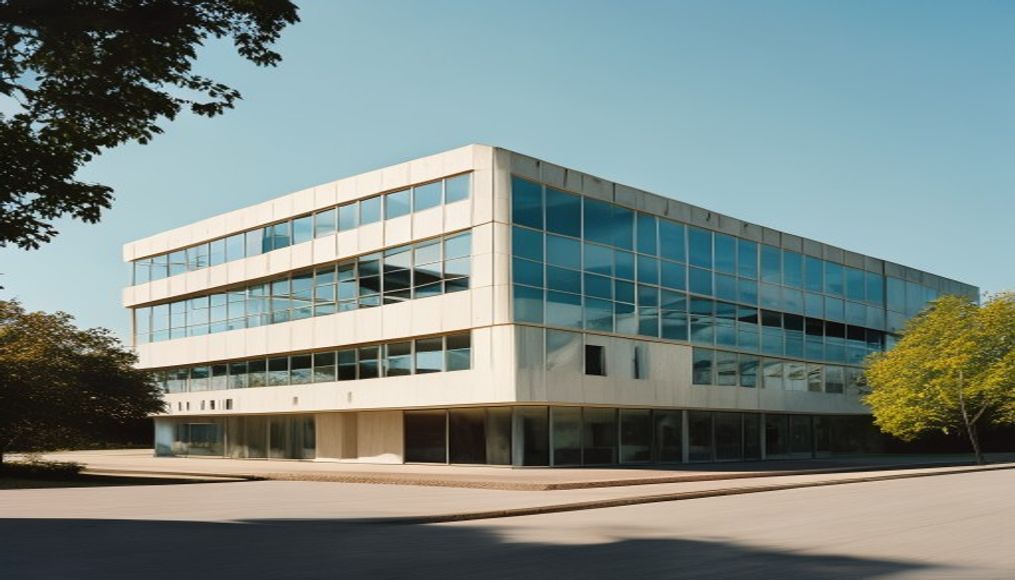
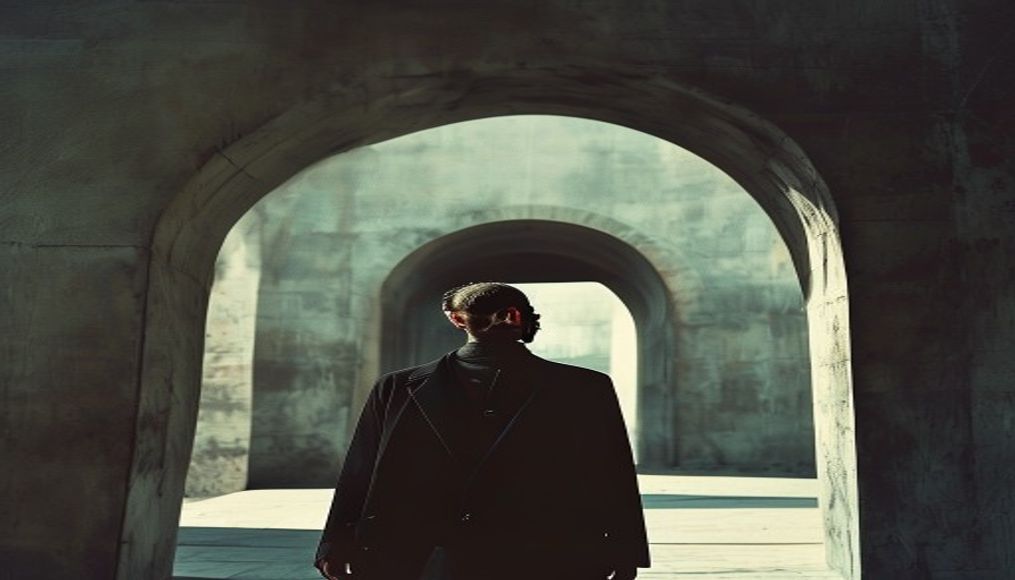
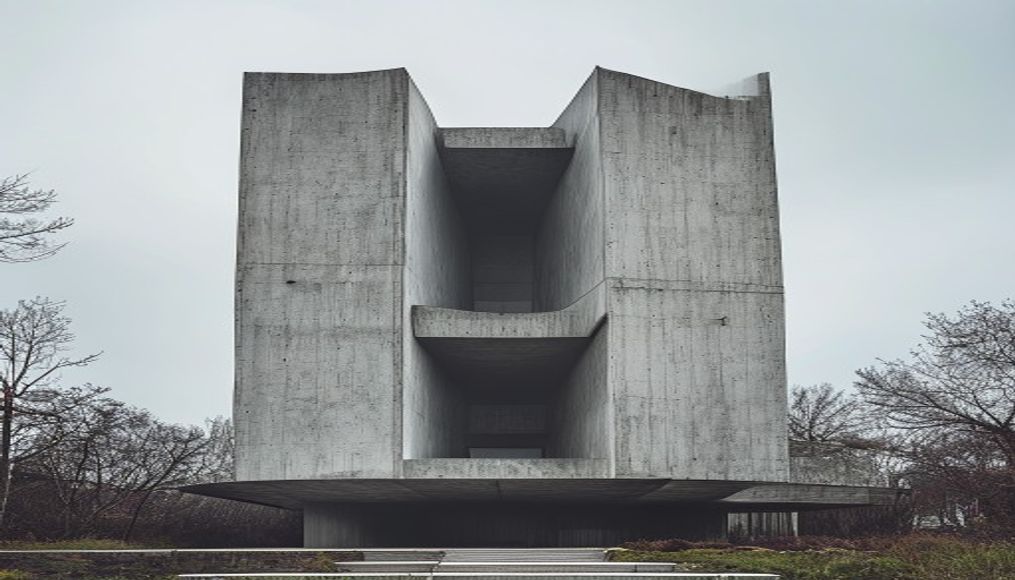
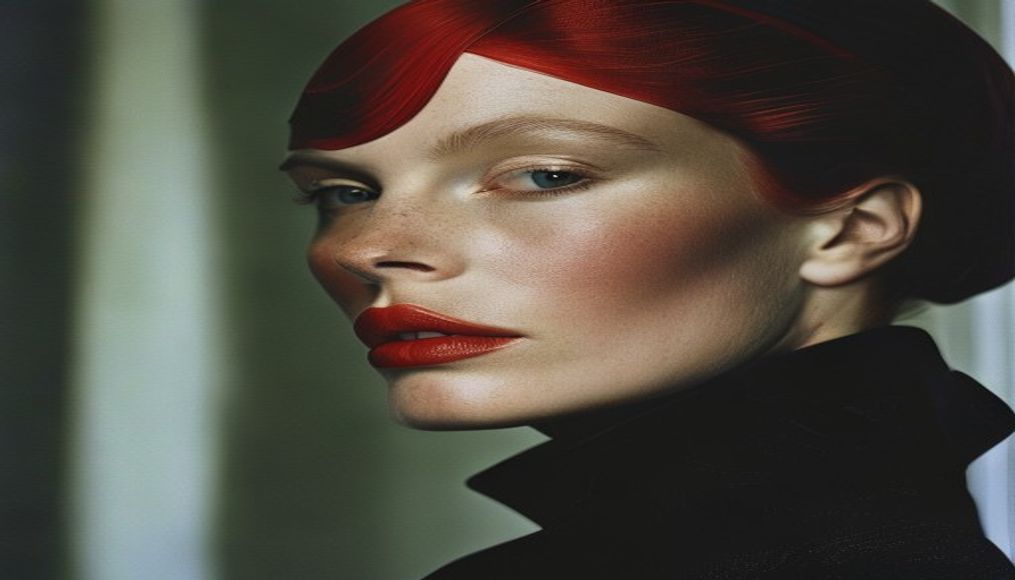
Brutalist concrete monument, an icon of modern architecture blending functionality and raw aesthetics, often used in high-fashion editorials.
About this subject
Brutalism emerged in the post-war period as an architectural response that valued material honesty, especially exposed concrete. Brutalist monuments, such as the Palace of Justice in São Paulo by Vilanova Artigas or the National Complex in Brasília, are characterized by their monolithic geometric forms and the expression of structure as decorative element. In Brazil, the movement gained momentum from the 1950s to the 1970s, linked to ideals of progress and democracy. These structures are not merely functional; they carry a sculptural dimension that makes them striking backdrops.
The brutalist aesthetic, with its rough texture and gray tones, creates a dramatic contrast with contemporary fashion. In high-end editorials, concrete serves as a neutral yet imposing background, enhancing colors and fabrics. Brands like Balenciaga and Dior have used these monuments in campaigns, exploring the tension between roughness and sophistication. Fashion photography values the monumental scale and natural light that plays across textured surfaces, resulting in visually powerful compositions.
Beyond aesthetics, brutalism carries symbolism of resistance and authenticity. In an era of digital architecture and lightweight materials, raw concrete evokes permanence and solidity. This duality attracts art directors seeking potent visual narratives. In Brazil, examples like Lina Bo Bardi's Sesc Pompéia or the Luz Station (though eclectic) show how concrete can be shaped into organic forms and social spaces. The brutalist monument thus transcends its original function to become a cultural and media icon.
Frequently Asked Questions
What characterizes brutalist architecture?
Predominant use of exposed concrete, striking geometric forms, emphasis on structure and functionality, and an aesthetic that values texture and materiality.
What are the most famous brutalist monuments in Brazil?
The National Complex and Palace of Justice in São Paulo, Lina Bo Bardi's Sesc Pompéia, and the University of Brasília designed by Niemeyer (influenced by brutalism).
Why is raw concrete used in fashion editorials?
Because it creates a strong visual contrast with luxurious clothing, provides a neutral and textured background, and evokes a sense of urgency and modernity that appeals to the fashion world.
Direct URL
https://pub-c7d6a6ea828543ac903a74a341ccb2e1.r2.dev/imagens/brutalist-concrete-monument-high-fashion-editorial-p3.jpgHow to credit
Include a visible link back to UtilizAí. Copy one of the snippets below:
<a href="https://xn--utiliza-eza.com/en/midia/imagens/brutalist-concrete-monument-high-fashion-editorial-p3">Brutalist concrete monument</a> by <a href="https://xn--utiliza-eza.com">UtilizAí</a>, licensed under <a href="https://creativecommons.org/licenses/by/4.0/">CC BY 4.0</a>.
[Brutalist concrete monument](https://xn--utiliza-eza.com/en/midia/imagens/brutalist-concrete-monument-high-fashion-editorial-p3) by [UtilizAí](https://xn--utiliza-eza.com), CC BY 4.0
License: CC-BY-4.0