Bronze foundry pour
1344×768 · AVIF · CC BY 4.0
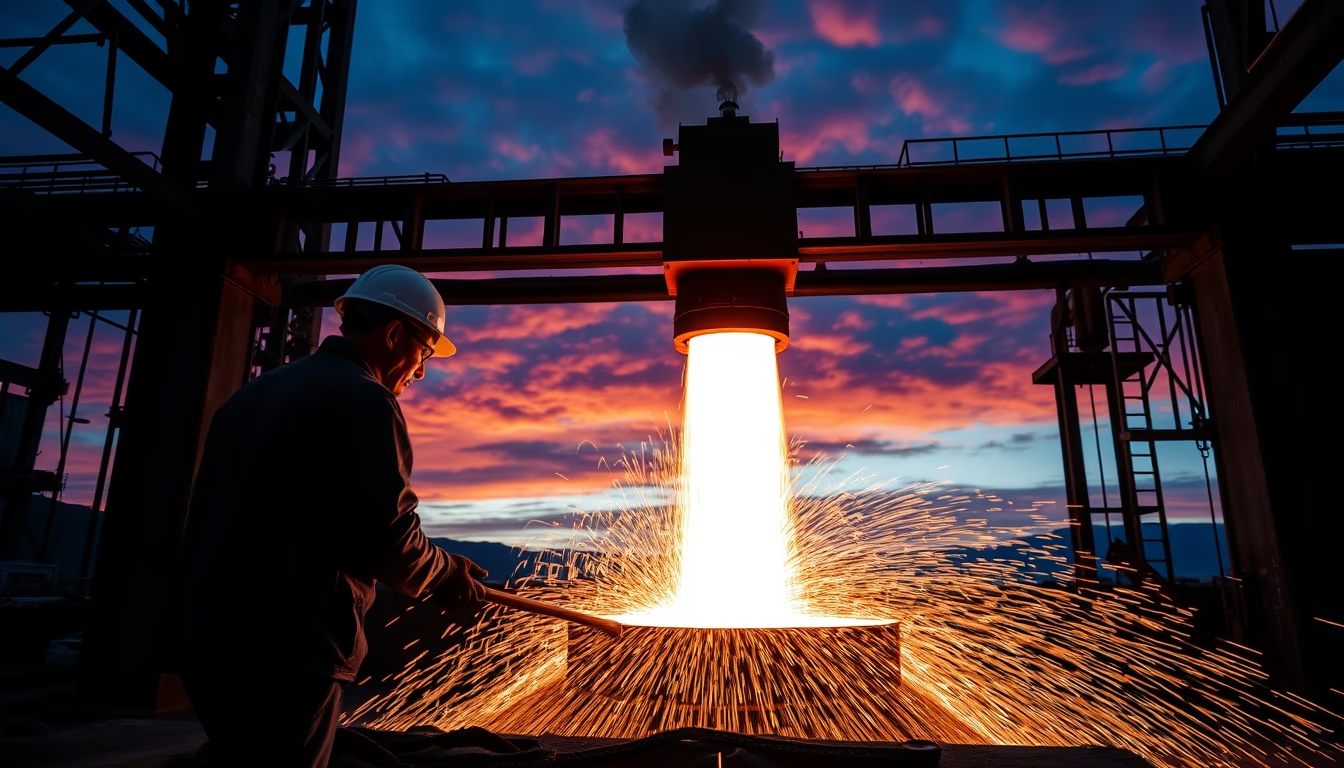
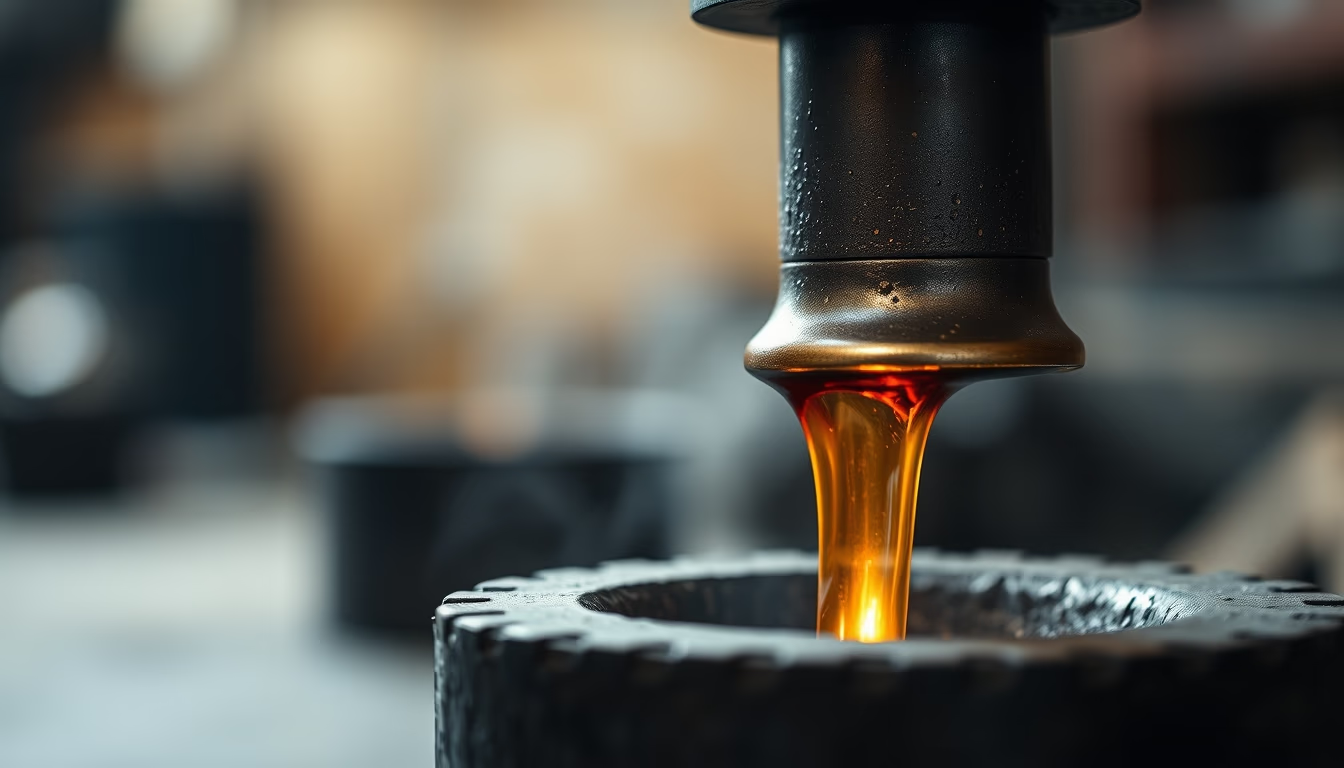
Pouring molten bronze in a foundry reveals the ancient lost-wax casting process, essential for monumental sculptures and artistic pieces.
About this subject
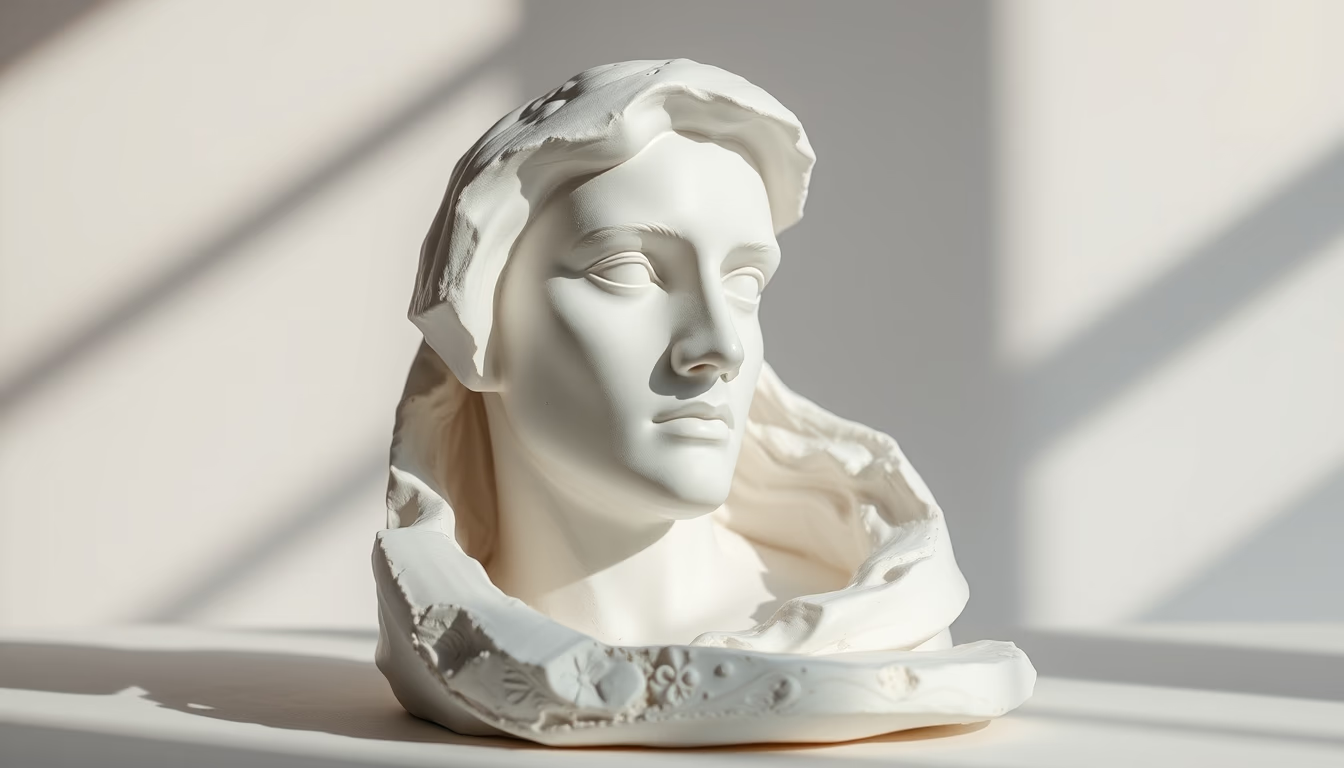
Bronze casting is a millennia-old technique dating back to at least 3000 BC, when Mesopotamian and Chinese civilizations began using copper-tin alloys to create art objects and tools. The image captures the critical moment when molten metal, heated above 1000 degrees Celsius, is transferred from the crucible into the mold. This mold is typically made from a blend of sand and clay, or uses the lost-wax method, where a wax model is coated with refractory material and then melted away, leaving an exact cavity for the bronze.
In Brazil, bronze casting is prominent in the production of public sculptures, such as the works of Victor Brecheret at Ibirapuera Park in São Paulo, and the statues of Aleijadinho in Minas Gerais, which although carved in soapstone, also inspired casting techniques. Major foundries, like Fundição Progresso in Rio de Janeiro, produce works for contemporary artists and restore historical monuments. Bronze is valued for its durability and malleability, allowing fine details and resistance to weather.
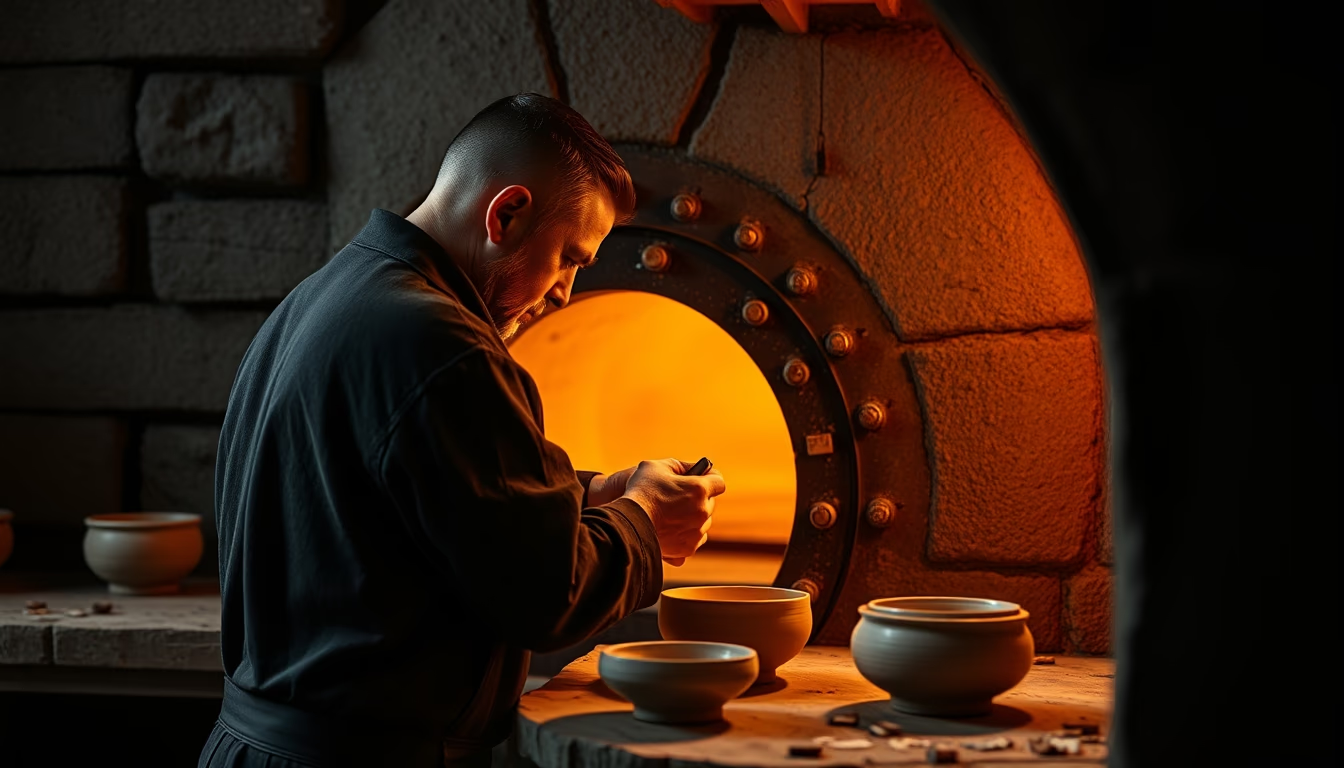
The casting process requires precision and safety. Molten metal emits toxic fumes and demands protective gear, such as gloves and welding goggles. Artists and foundry workers sync motions to avoid air bubbles or inclusions that weaken the piece. After cooling, the piece is demolded, cleaned, and often patinated with acids or pigments to achieve colors ranging from moss green to dark brown.
Trivia: The "Bronze Age" marks a historical period when this alloy revolutionized weapon and tool making, boosting trade and warfare. Today, bronze remains a noble material, used in church bells, statues, and jewelry.
Frequently Asked Questions
How does the bronze casting process work?
Metal is heated in a crucible until molten (above 1000°C) and poured into a mold. The most common method is lost-wax casting, where a wax model is covered with refractory material, the wax melts out, and bronze fills the cavity. After cooling, the mold is broken and the piece is finished.
What are the main uses of bronze in art?
Bronze is used for monumental sculptures, statuettes, church bells, commemorative plaques, and jewelry. Its resistance to corrosion and ability to capture fine details make it ideal for public works and collectibles.
What safety precautions are required in foundry work?
Required protective gear includes heat-resistant gloves, leather apron, welding goggles, and a fume mask. The area must be well-ventilated, and fire extinguishers should be nearby. Handling molten bronze requires specialized training.
Direct URL
https://pub-c7d6a6ea828543ac903a74a341ccb2e1.r2.dev/imagens/bronze-foundry-pour-long-exposure-fresh9.avifHow to credit
Include a visible link back to UtilizAí. Copy one of the snippets below:
<a href="https://xn--utiliza-eza.com/en/midia/imagens/bronze-foundry-pour-long-exposure-fresh9">Bronze foundry pour</a> by <a href="https://xn--utiliza-eza.com">UtilizAí</a>, licensed under <a href="https://creativecommons.org/licenses/by/4.0/">CC BY 4.0</a>.
[Bronze foundry pour](https://xn--utiliza-eza.com/en/midia/imagens/bronze-foundry-pour-long-exposure-fresh9) by [UtilizAí](https://xn--utiliza-eza.com), CC BY 4.0
License: CC-BY-4.0