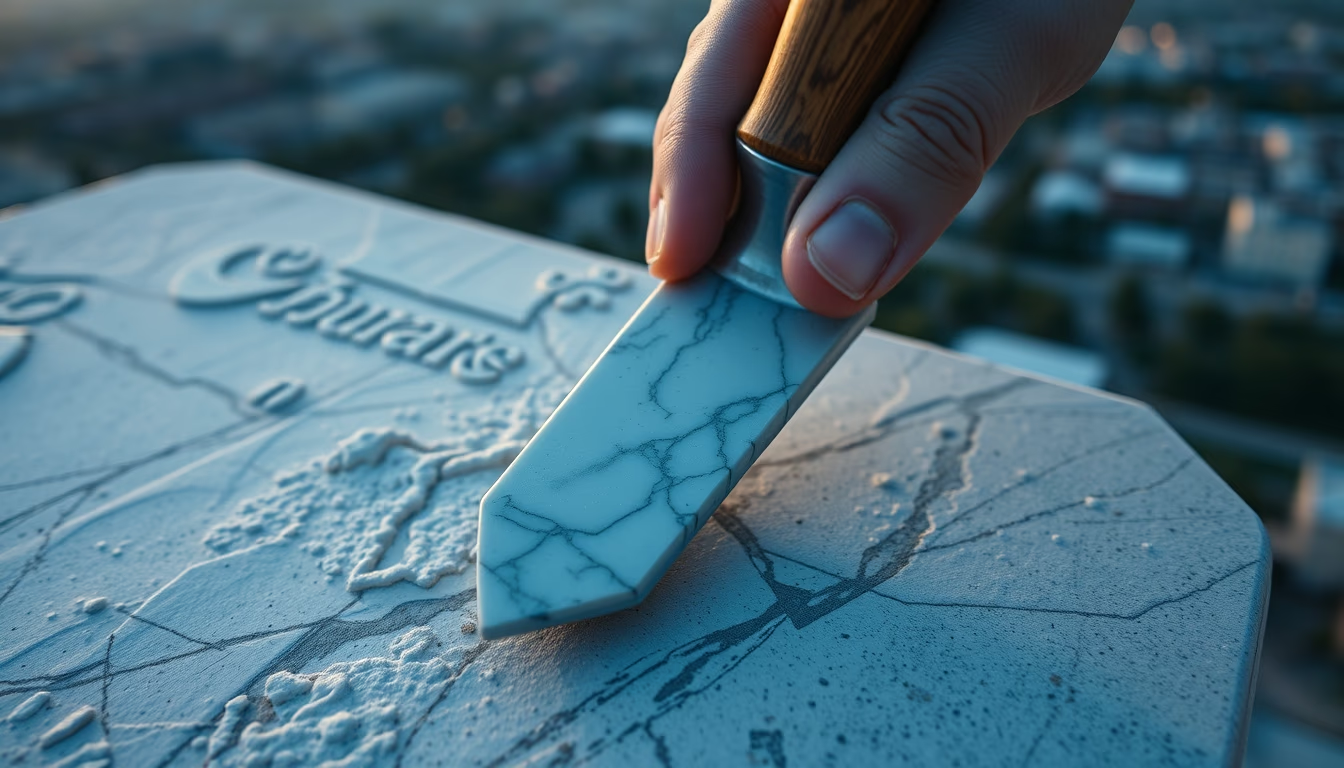
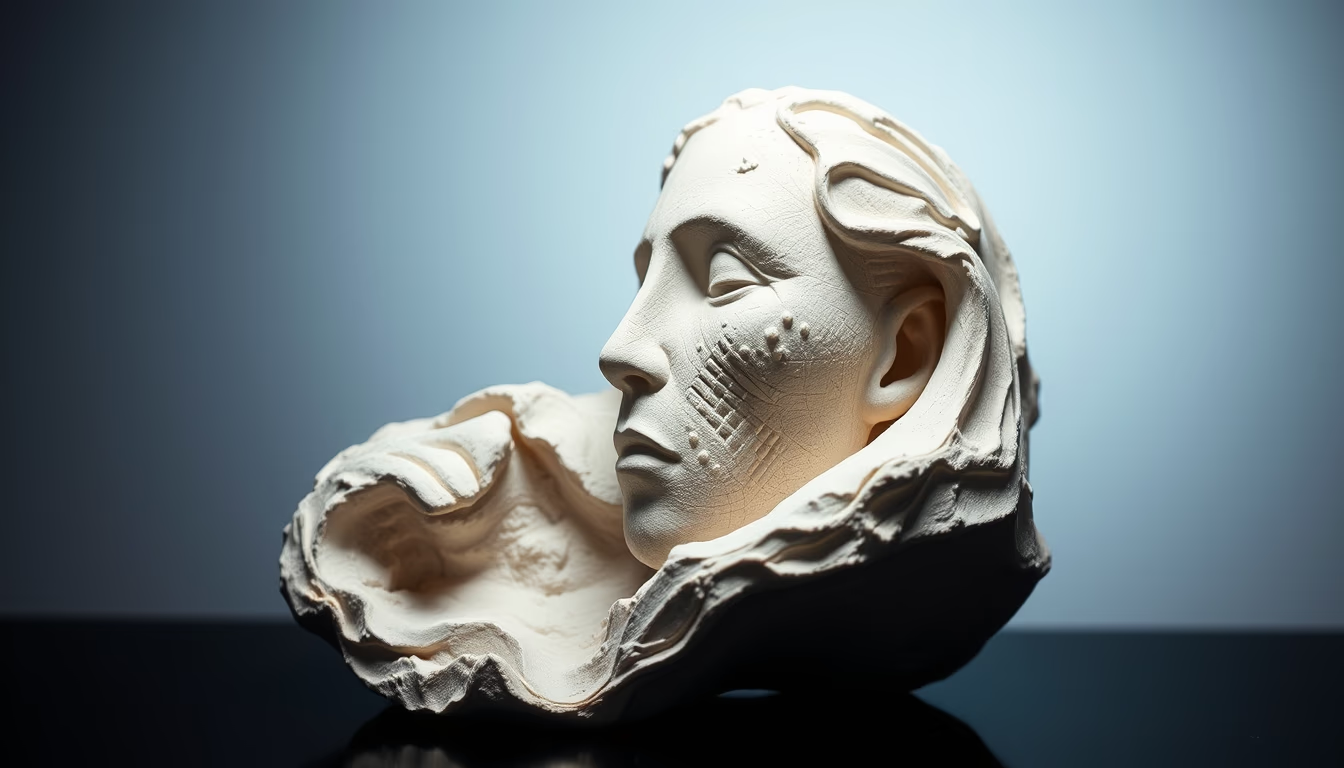
Bronze foundry pour
1344×768 · AVIF · CC BY 4.0
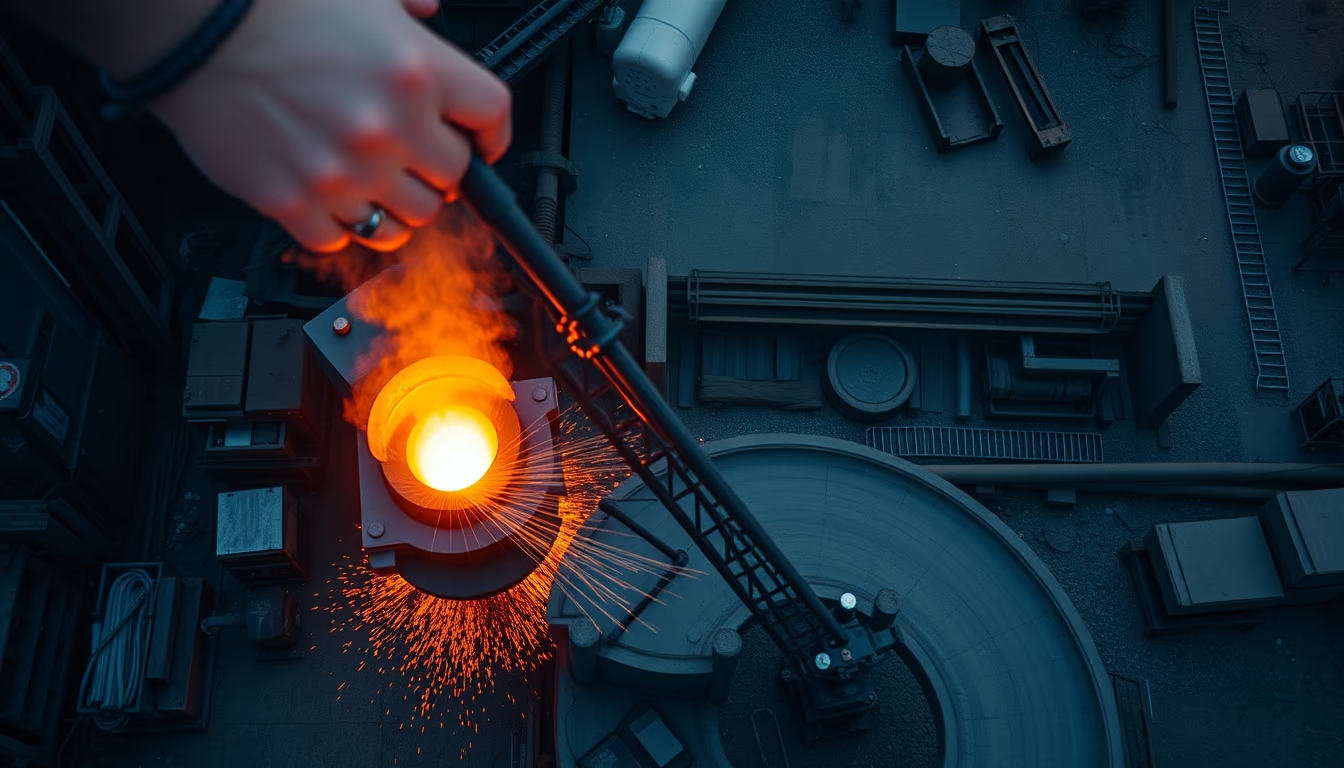
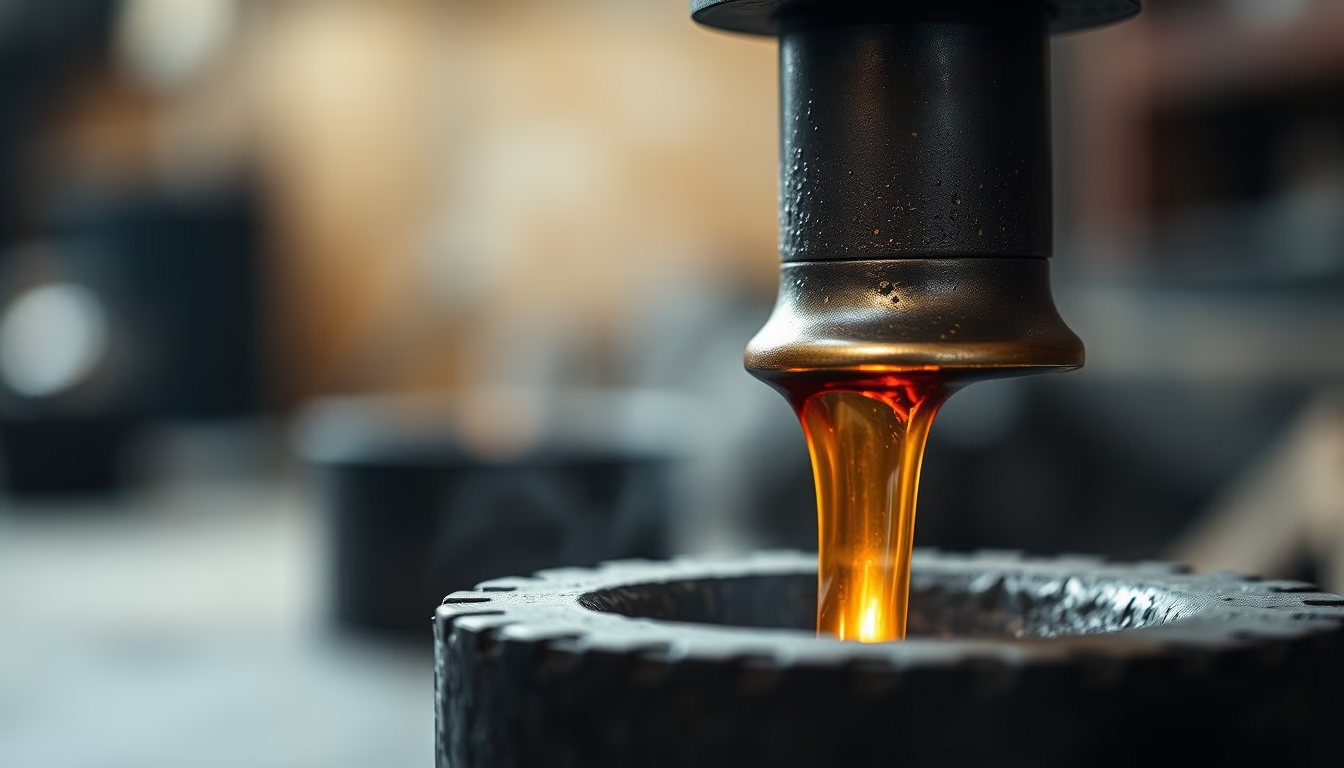
The bronze foundry pour is a critical stage in metal sculpture, involving extreme temperatures and ancient casting techniques.
About this subject
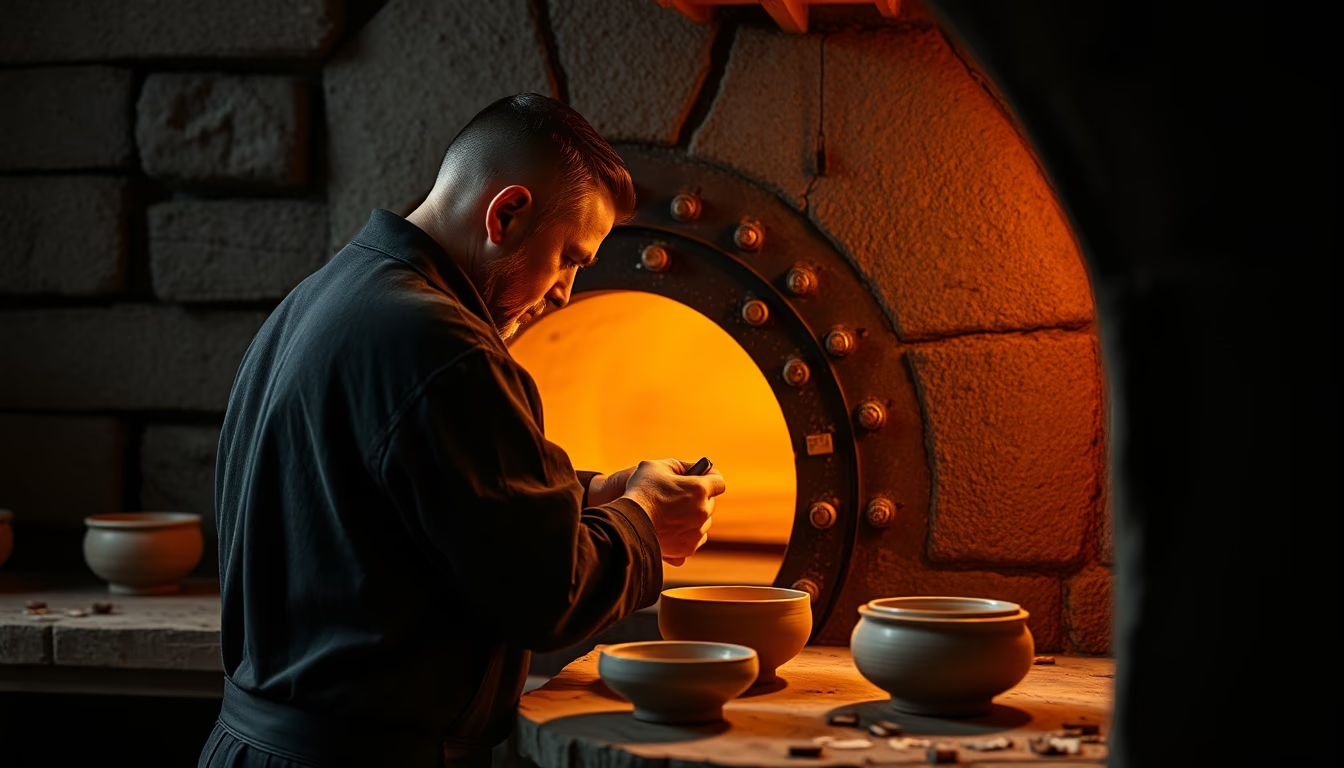
Bronze casting is a process that dates back thousands of years, with records in ancient China, Greece, and Rome. The metal is heated to approximately 1200°C in graphite crucibles or gas-fired furnaces until it becomes a glowing liquid. This state allows bronze to fill complex molds, either through sand casting (simpler and cheaper) or the lost wax method (ideal for fine details).
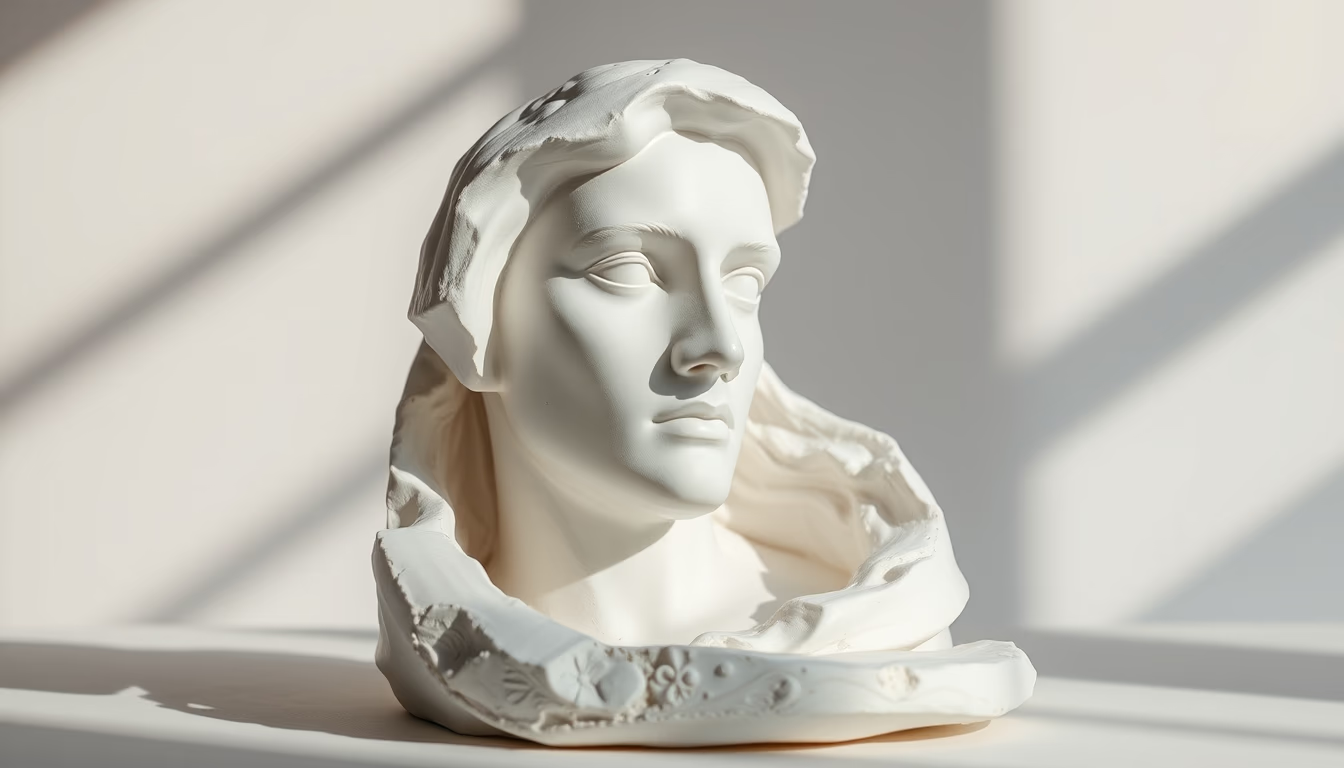
In the lost wax technique, a wax model is coated with heat-resistant ceramic. After burning out the wax, the hollow mold receives the liquid bronze. Controlled cooling is essential to avoid cracks or porosity. Major modern sculptures, such as those by Rodin or contemporary park statues, depend on this process.
The pour itself is a high-tension moment: the molten metal emits fumes and intense heat, requiring full protective gear including aluminized suits and masks. Solidification occurs within minutes, revealing a raw piece that undergoes finishing, grinding, and patina application. Bronze quality depends on the alloy, typically 90% copper and 10% tin, with variations for different mechanical and aesthetic properties.
Brazilian artistic foundries have notable examples, such as the works of Victor Brecheret and Mestre Didi. In São Paulo, the bronze sculpture studio at Liceu de Artes e Ofícios trained generations of artisans. Today, using drones to record the pour allows aerial angles that highlight the scale and danger of the operation.
Frequently Asked Questions
Why is bronze melted at high temperatures?
Pure bronze melts between 900°C and 1100°C, but common alloys melt around 1200°C. This temperature ensures enough fluidity to fill all mold details and avoid defects like bubbles or inclusions.
What is the difference between sand casting and lost wax casting?
Sand casting uses a disposable mold of compacted sand, faster and cheaper, ideal for large pieces without very fine details. Lost wax casting allows replication of complex models with high precision but requires more steps and higher cost.
How do artists ensure no bubbles appear in the bronze piece?
They control the temperature of the metal and mold, and use gravity or vacuum pouring techniques. Cleaning the molten bronze and adding deoxidizers also help prevent porosity.
Direct URL
https://pub-c7d6a6ea828543ac903a74a341ccb2e1.r2.dev/imagens/bronze-foundry-pour-aerial-drone-shot-fresh17.avifHow to credit
Include a visible link back to UtilizAí. Copy one of the snippets below:
<a href="https://xn--utiliza-eza.com/en/midia/imagens/bronze-foundry-pour-aerial-drone-shot-fresh17">Bronze foundry pour</a> by <a href="https://xn--utiliza-eza.com">UtilizAí</a>, licensed under <a href="https://creativecommons.org/licenses/by/4.0/">CC BY 4.0</a>.
[Bronze foundry pour](https://xn--utiliza-eza.com/en/midia/imagens/bronze-foundry-pour-aerial-drone-shot-fresh17) by [UtilizAí](https://xn--utiliza-eza.com), CC BY 4.0
License: CC-BY-4.0