Brewery copper kettle
1344×768 · AVIF · CC BY 4.0
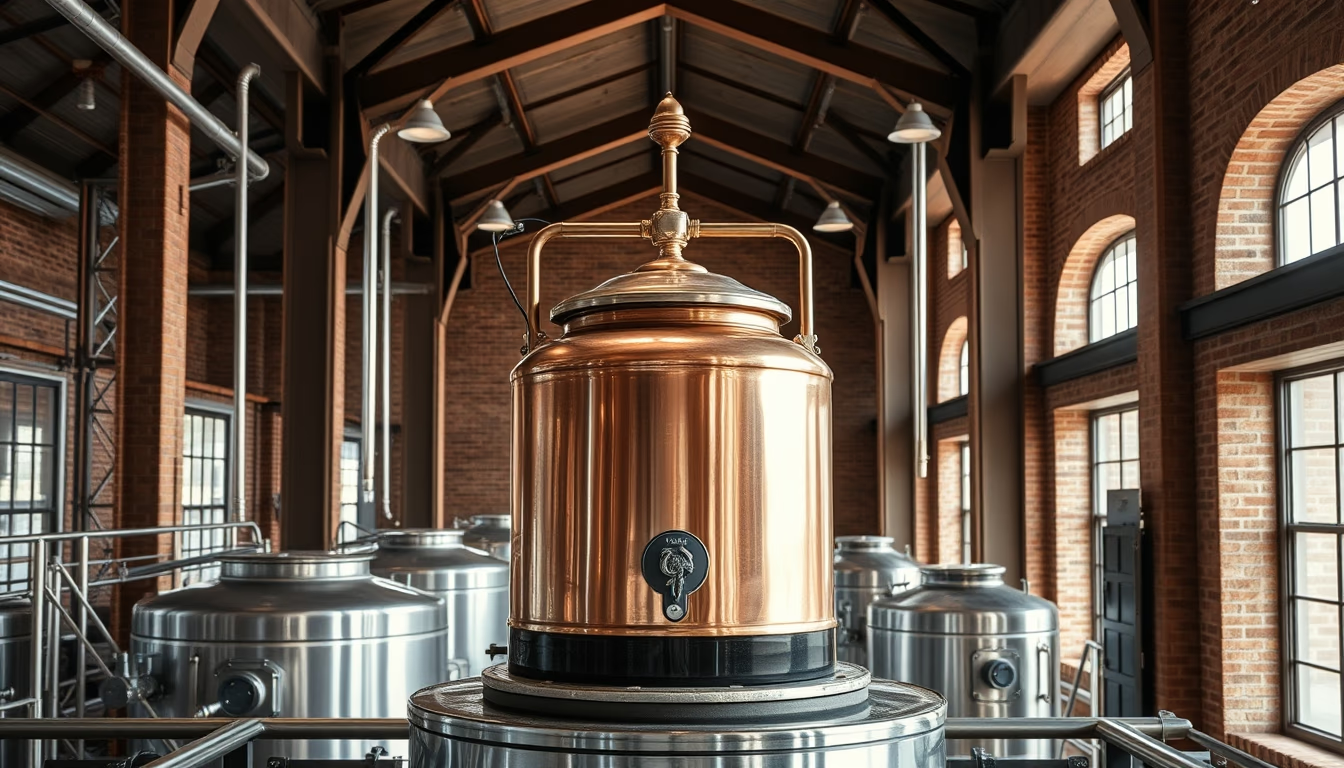
Copper kettle used in craft beer production, essential for boiling wort and extracting hop flavors.
About this subject
The copper kettle is a central piece of equipment in beer brewing, responsible for boiling the wort, which sterilizes the liquid, extracts bitter compounds from hops, and drives chemical reactions that define the final beer profile. Copper is preferred for its excellent thermal conductivity, allowing even heating and precise temperature control, as well as durability and corrosion resistance.
Historically, copper kettles have been used for centuries, from medieval monastery breweries to modern craft microbreweries. Copper was the most accessible and malleable metal for large vessels before stainless steel became widespread. Many traditional breweries still maintain century-old copper kettles, which have become symbols of quality and artisanal tradition.
Technically, these kettles range from small 500-liter units for homebrewing to massive 100-hectoliter tanks in industrial breweries. The shape is typically cylindrical with a curved bottom, optimized for wort circulation and residue removal. Cleaning is meticulous, as residues can alter the flavor of subsequent batches. Interestingly, copper naturally reacts with sulfur compounds in the wort, reducing off-flavors and contributing to a cleaner, more pleasant character.
Architecturally, copper kettles are often displayed in breweries as both functional and aesthetic elements, integrated into the industrial design of the space. Their shiny surface and reddish hue create a visual focal point that evokes brewing tradition. Many microbreweries invest in copper kettles not only for performance but also to convey authenticity and a connection to the past.
Frequently Asked Questions
Why use copper instead of stainless steel for beer brewing kettles?
Copper has much higher thermal conductivity than stainless steel, allowing faster and more even heating. It also reacts with sulfur compounds in the wort, removing off-flavors and contributing to a cleaner beer. Many brewmasters believe copper imparts a traditional flavor profile that cannot be replicated with other materials.
What is the typical capacity of a copper kettle in a microbrewery?
Microbreweries typically use copper kettles with capacities between 500 liters and 2,000 liters. Larger breweries may have tanks up to 10,000 liters or more, but copper becomes less common at very large scales due to cost and weight.
How does the copper kettle influence the flavor of beer?
During boiling, copper releases metal ions that react with sulfur and other compounds, reducing aromas of rotten eggs and cooked vegetables. This results in a cleaner profile with better flavor stability. Additionally, the thermal conductivity prevents local scorching of the wort, which could introduce unwanted bitter flavors.
Direct URL
https://pub-c7d6a6ea828543ac903a74a341ccb2e1.r2.dev/imagens/brewery-copper-kettle-architectural-photography-p1.avifHow to credit
Include a visible link back to UtilizAí. Copy one of the snippets below:
<a href="https://xn--utiliza-eza.com/en/midia/imagens/brewery-copper-kettle-architectural-photography-p1">Brewery copper kettle</a> by <a href="https://xn--utiliza-eza.com">UtilizAí</a>, licensed under <a href="https://creativecommons.org/licenses/by/4.0/">CC BY 4.0</a>.
[Brewery copper kettle](https://xn--utiliza-eza.com/en/midia/imagens/brewery-copper-kettle-architectural-photography-p1) by [UtilizAí](https://xn--utiliza-eza.com), CC BY 4.0
License: CC-BY-4.0