Brandenburg gate berlin
1344×768 · AVIF · CC BY 4.0
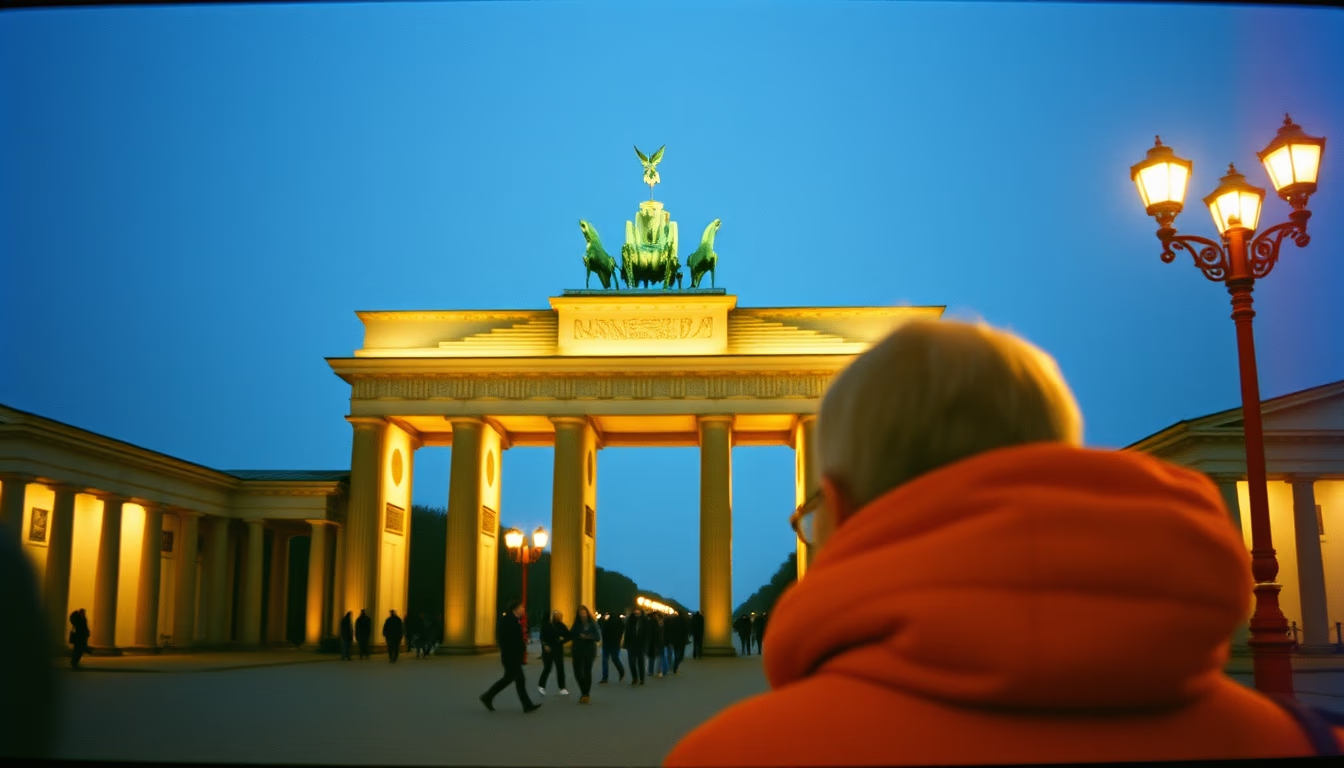
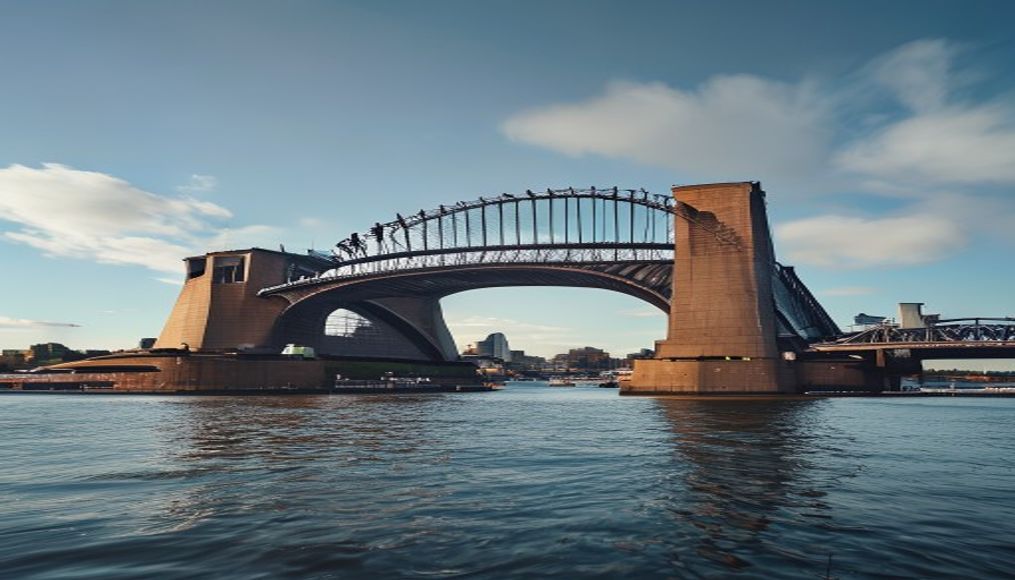
The Brandenburg Gate is an iconic symbol of Berlin and German reunification, built in the 18th century as a neoclassical triumphal arch.
About this subject
The Brandenburg Gate, located at Pariser Platz, is one of the most famous landmarks in Berlin and Germany. Commissioned by King Frederick William II of Prussia, it was built between 1788 and 1791 by architect Carl Gotthard Langhans. Inspired by the Propylaea of the Acropolis in Athens, the gate features twelve Doric columns forming five passageways: the central one was reserved for royalty and carriages, while the sides were for pedestrians. Atop the gate, the Quadriga, a bronze statue of the goddess Victoria riding a chariot pulled by four horses, was originally designed by Johann Gottfried Schadow. During the Napoleonic occupation, the Quadriga was taken to Paris as a trophy but returned to Berlin after Napoleon's fall in 1814.
During the Cold War, the gate stood in the no-man's land between East and West Berlin, becoming a powerful symbol of the German division. The Berlin Wall ran close by, and the gate was inaccessible to both East and West Germans. In 1987, US President Ronald Reagan delivered his famous challenge "Mr. Gorbachev, tear down this wall!" in front of the gate. After the fall of the Wall in 1989, the Brandenburg Gate became the centerpiece of German reunification celebrations. Thousands gathered there to symbolically dismantle the barrier.
Today, the Brandenburg Gate is a must-see tourist attraction and a venue for major events such as New Year's Eve parties and the Berlin Marathon. The surrounding area is pedestrianized and hosts embassies, hotels, and the Holocaust Memorial. Recent restoration returned the gate to its original light sandstone color after years of pollution and war damage. The monument also appears on German euro coins, stamps, and banknotes, cementing its status as a national emblem. Entry is free, and the site is open 24 hours a day, with stunning illumination at night.
Frequently Asked Questions
How tall is the Brandenburg Gate?
The Brandenburg Gate is 26 meters high, 65.5 meters wide, and 11 meters deep. The Quadriga on top is about 5 meters tall.
Was the Brandenburg Gate part of the Berlin Wall?
No, the gate was not part of the wall, but it stood in the 'death strip' between East and West Berlin. The Berlin Wall ran nearby, and the gate was inaccessible during the division.
What does the Quadriga on top of the gate represent?
The Quadriga depicts the goddess Victoria (or Irene, goddess of peace, depending on interpretation) riding a chariot pulled by four horses. It symbolizes peace and victory, and was taken by Napoleon as a trophy and later recovered.
Direct URL
https://pub-c7d6a6ea828543ac903a74a341ccb2e1.r2.dev/imagens/brandenburg-gate-berlin-lo-fi-disposable-camera-p6.avifHow to credit
Include a visible link back to UtilizAí. Copy one of the snippets below:
<a href="https://xn--utiliza-eza.com/en/midia/imagens/brandenburg-gate-berlin-lo-fi-disposable-camera-p6">Brandenburg gate berlin</a> by <a href="https://xn--utiliza-eza.com">UtilizAí</a>, licensed under <a href="https://creativecommons.org/licenses/by/4.0/">CC BY 4.0</a>.
[Brandenburg gate berlin](https://xn--utiliza-eza.com/en/midia/imagens/brandenburg-gate-berlin-lo-fi-disposable-camera-p6) by [UtilizAí](https://xn--utiliza-eza.com), CC BY 4.0
License: CC-BY-4.0