Bordeaux chateau vineyards
1344×768 · AVIF · CC BY 4.0
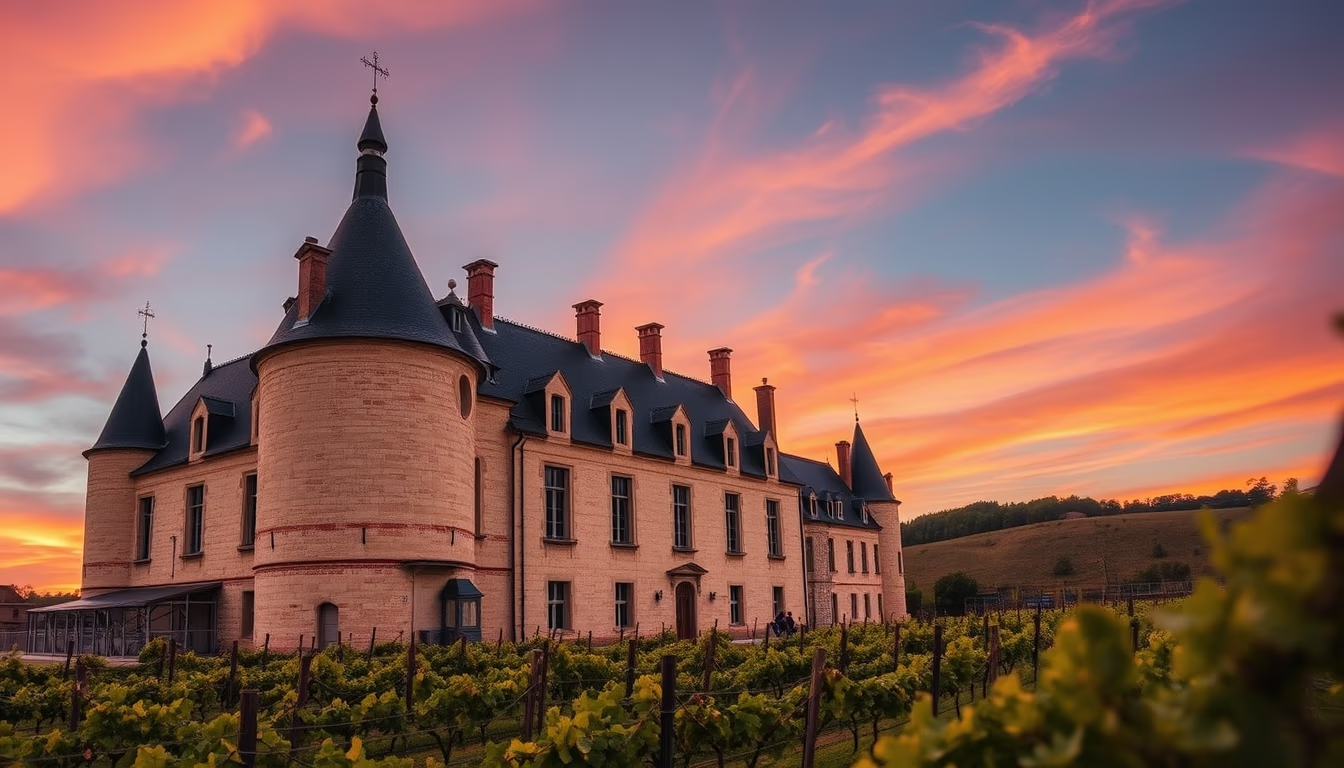
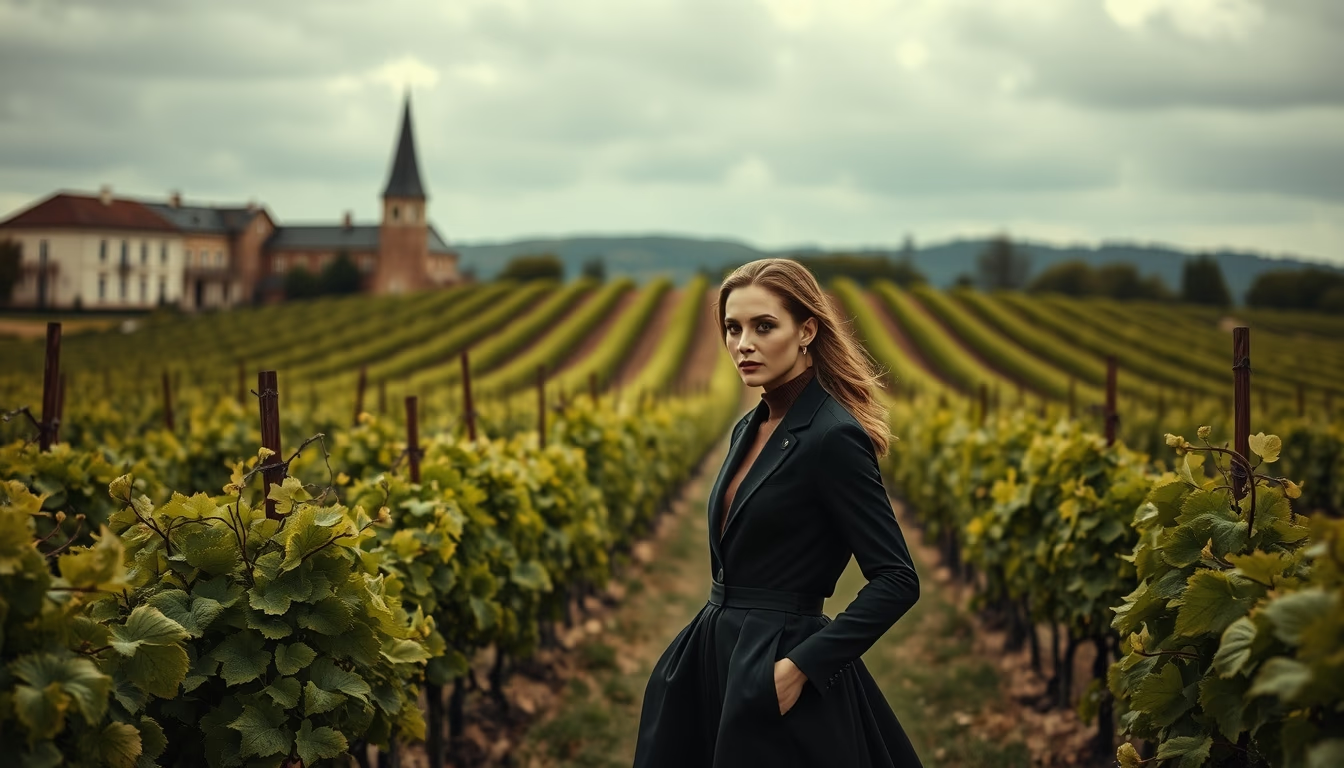
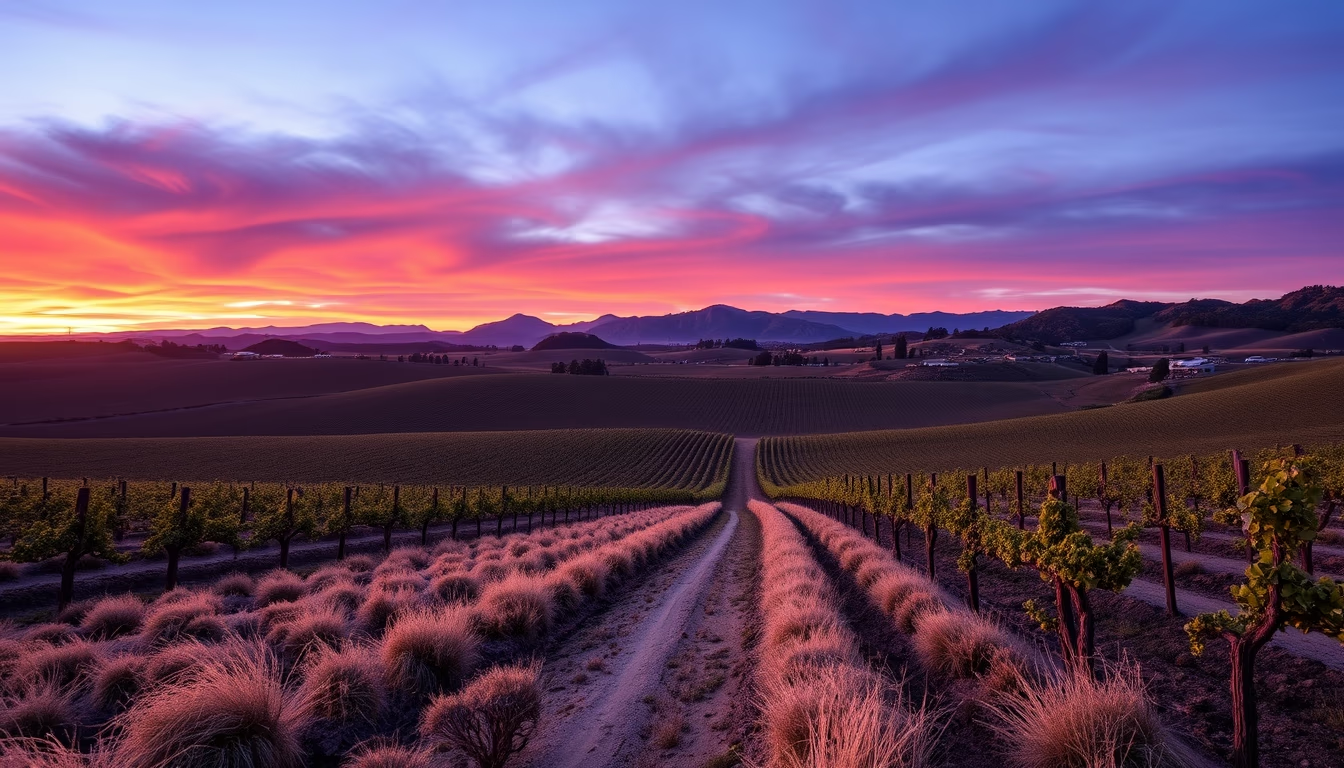
The vineyards of Bordeaux's châteaux, in France, produce some of the world's most renowned wines, with a history dating back to the 1st century.
About this subject
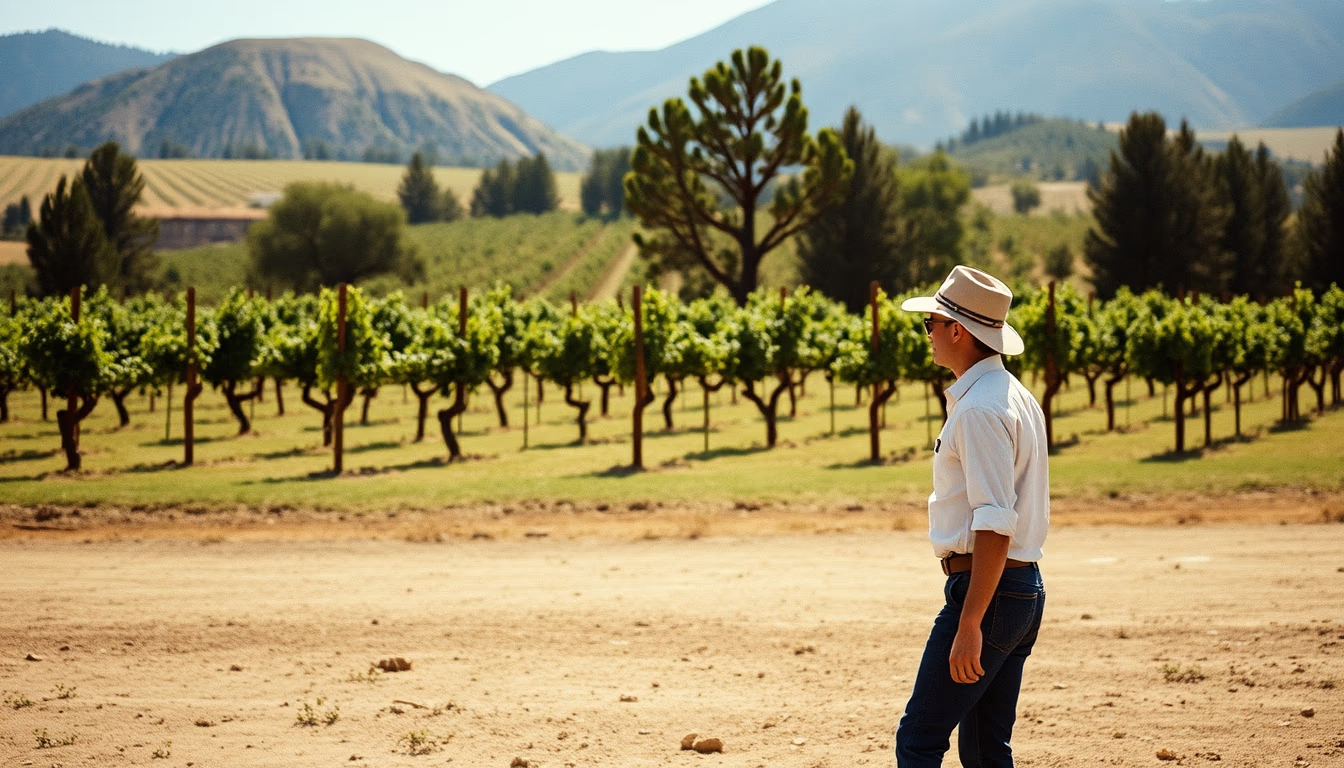
The Bordeaux wine region, located in southwestern France, is one of the most prestigious in the world. With over 120,000 hectares of vineyards, it produces around 700 million bottles annually of red, white, and sweet wines. The winemaking tradition began with the Romans, but it was in the 12th century, through the marriage of Eleanor of Aquitaine to Henry II of England, that Bordeaux wines conquered the British market. The 1855 classification, created for the Paris Universal Exhibition, established the prestige levels of the châteaux, such as Premier Cru (first growth), which includes legendary names like Château Margaux, Château Latour, Château Haut-Brion, and Château Lafite Rothschild. The left bank of the Garonne River is dominated by Cabernet Sauvignon, while the right bank is predominantly Merlot. The terroir of Bordeaux features gravel, clay, and limestone soils, which impart complexity and longevity to the wines. The architecture of the châteaux, often imposing and historic, attracts tourists from around the world, and the region is a major enotourism destination in France.
Frequently Asked Questions
Who classifies Bordeaux wines and how does the system work?
The official 1855 classification, still in use, was made by Bordeaux wine brokers at the request of Napoleon III. Châteaux were classified from Premier Cru to Cinquième Cru based on reputation and historical price. Margaux, Latour, Haut-Brion, and Lafite Rothschild are the four Premier Cru on the left bank.
What are the main grape varieties grown in Bordeaux?
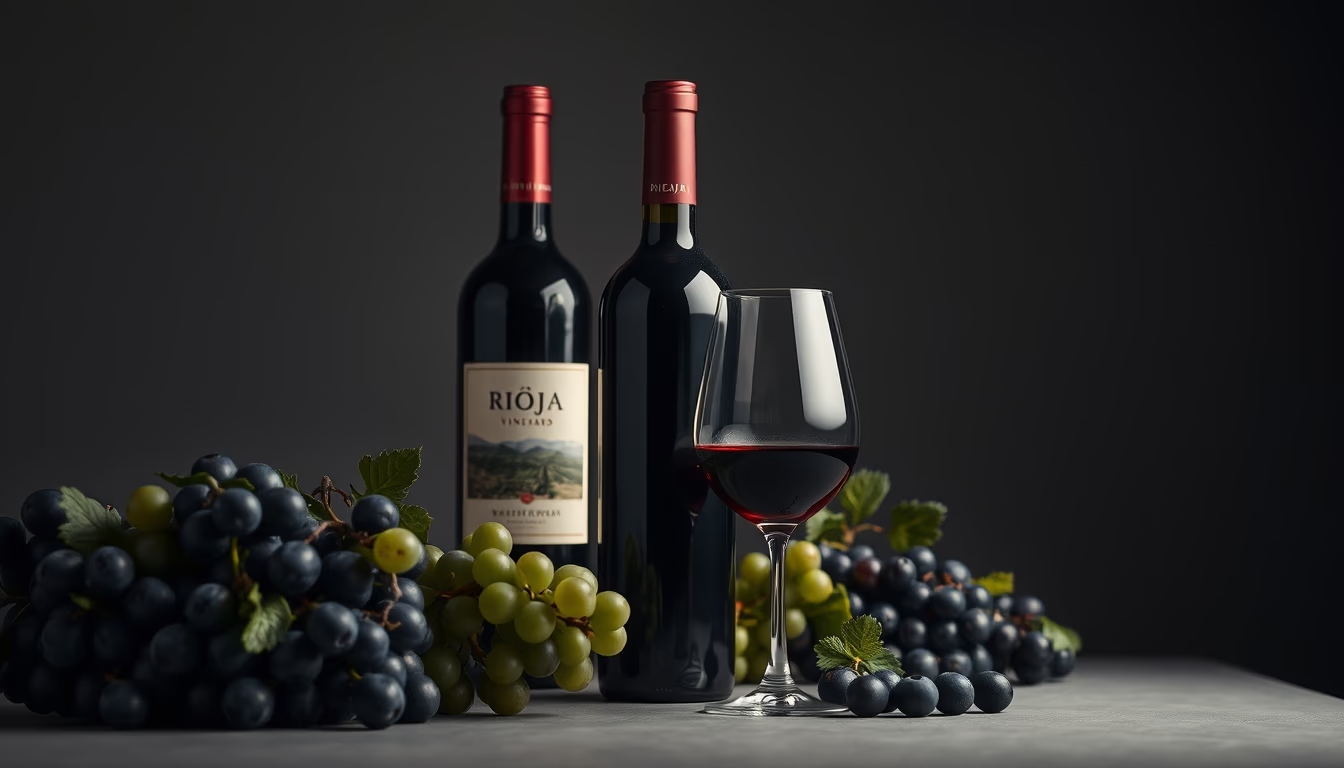
The main red grapes are Cabernet Sauvignon, Merlot, Cabernet Franc, Petit Verdot, and Malbec. For whites, Sauvignon Blanc, Sémillon, and Muscadelle dominate. Blending is a tradition: each variety contributes specific characteristics.
What is the difference between wines from the left bank and the right bank of Bordeaux?
On the left bank, gravelly soils favor Cabernet Sauvignon, resulting in tannic, full-bodied wines like those from Médoc. On the right bank, clay and limestone soils benefit Merlot, producing softer, fruitier wines like those from Saint-Émilion and Pomerol.
Direct URL
https://pub-c7d6a6ea828543ac903a74a341ccb2e1.r2.dev/imagens/bordeaux-chateau-vineyards-long-exposure-fresh2.avifHow to credit
Include a visible link back to UtilizAí. Copy one of the snippets below:
<a href="https://xn--utiliza-eza.com/en/midia/imagens/bordeaux-chateau-vineyards-long-exposure-fresh2">Bordeaux chateau vineyards</a> by <a href="https://xn--utiliza-eza.com">UtilizAí</a>, licensed under <a href="https://creativecommons.org/licenses/by/4.0/">CC BY 4.0</a>.
[Bordeaux chateau vineyards](https://xn--utiliza-eza.com/en/midia/imagens/bordeaux-chateau-vineyards-long-exposure-fresh2) by [UtilizAí](https://xn--utiliza-eza.com), CC BY 4.0
License: CC-BY-4.0