Bonsai rock landscape
1344×768 · AVIF · CC BY 4.0
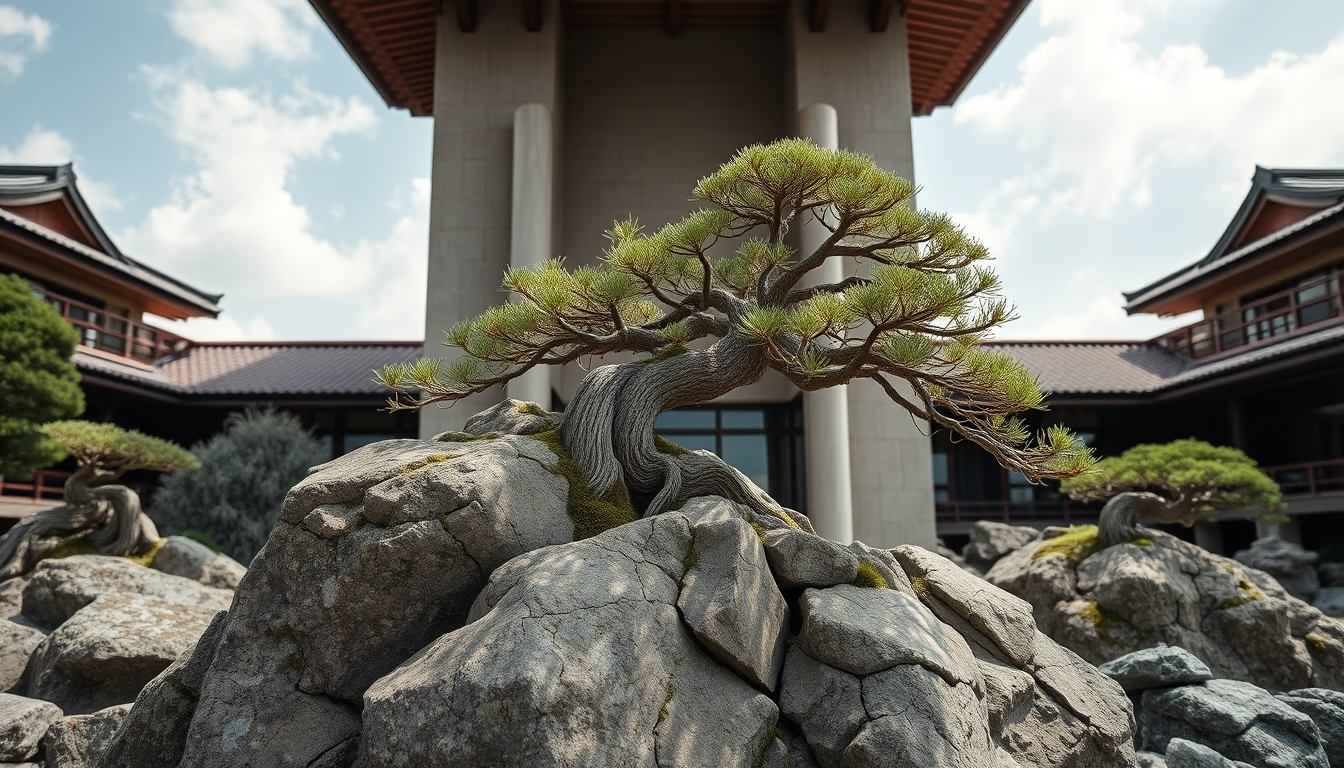
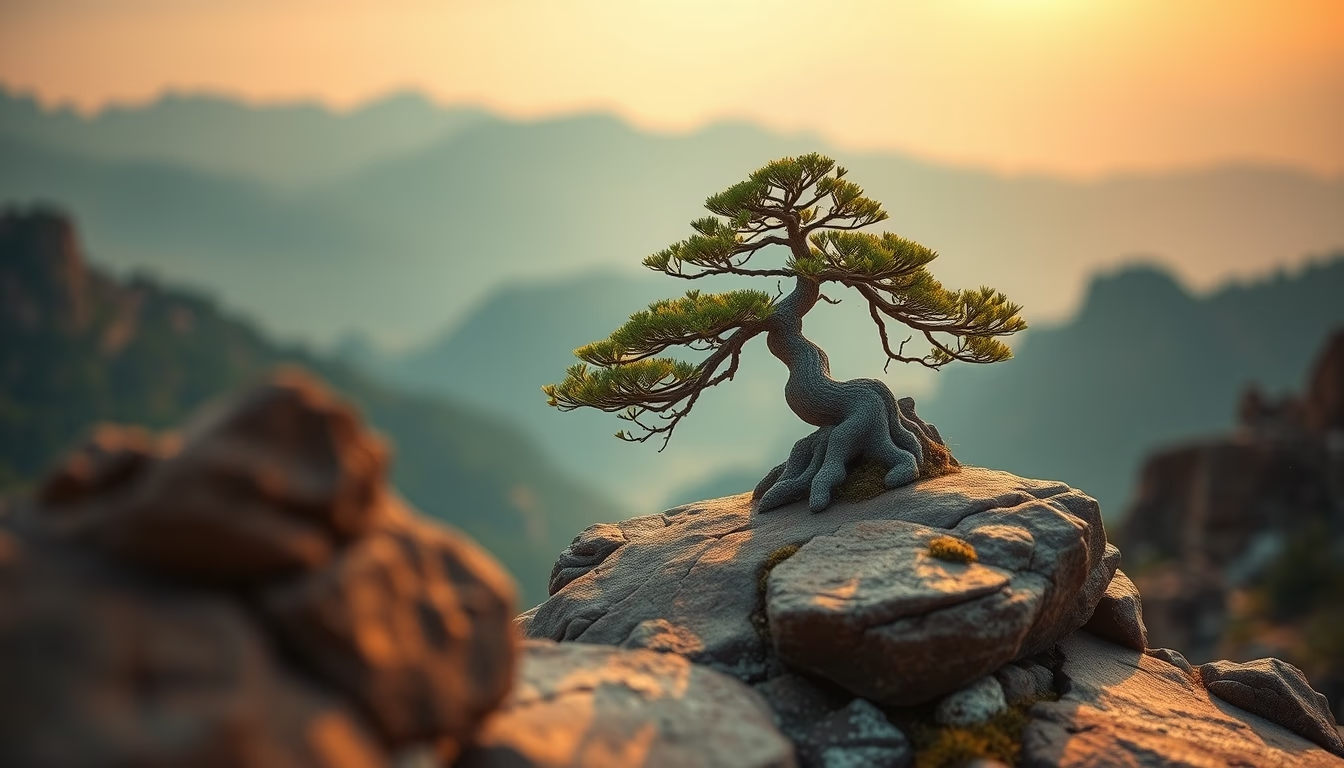
Bonsai grown on rock, known as saikei, combines tree miniaturization with stone landscapes, an ancient Japanese technique that mimics natural formations.
About this subject
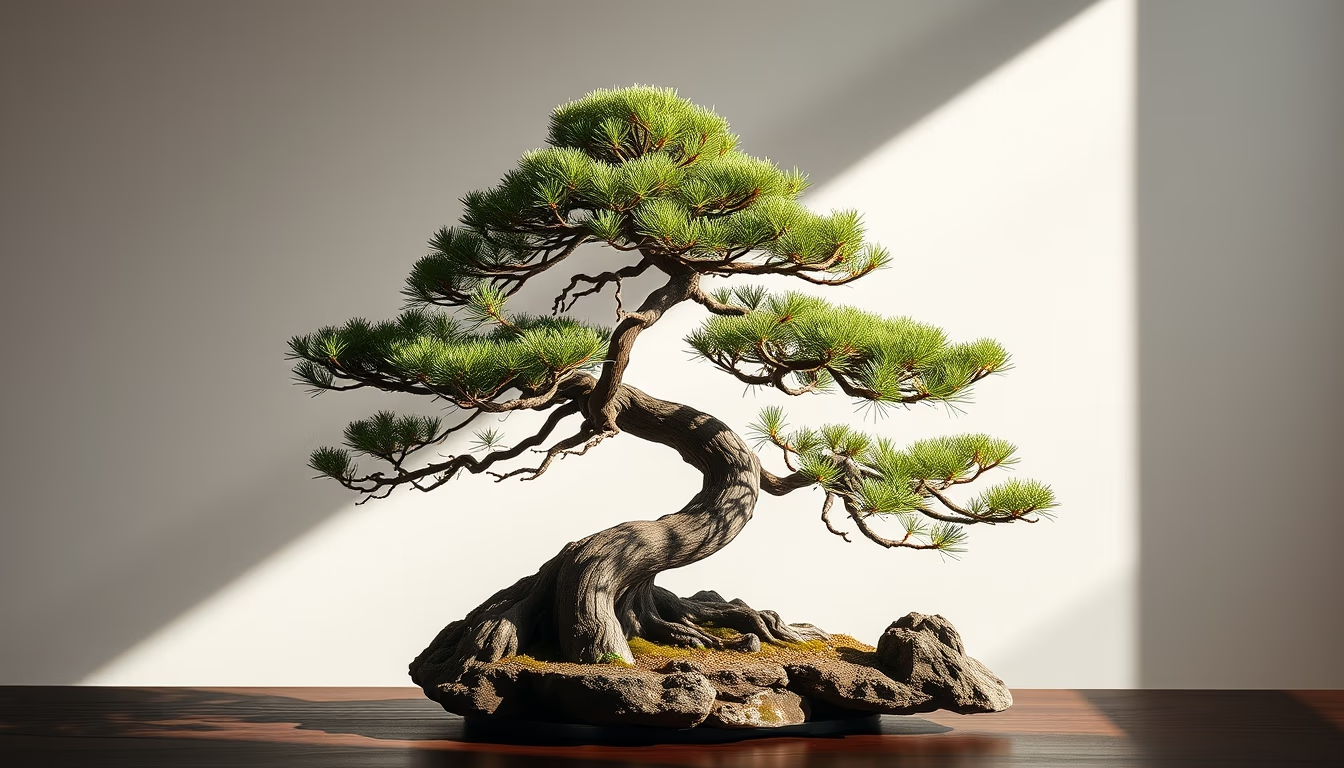
Rock landscape bonsai, or saikei, is a variation of the Japanese art of miniature tree cultivation that integrates rock as a central element of the arrangement. Unlike traditional bonsai where stone is an accessory, in saikei the rock represents mountains, cliffs, or islands, and the tree grows in crevices or on the surface, creating a natural scene in reduced scale. This technique emerged in the 20th century, popularized by masters such as Toshio Kawamoto, who sought to recreate complete landscapes in shallow trays.
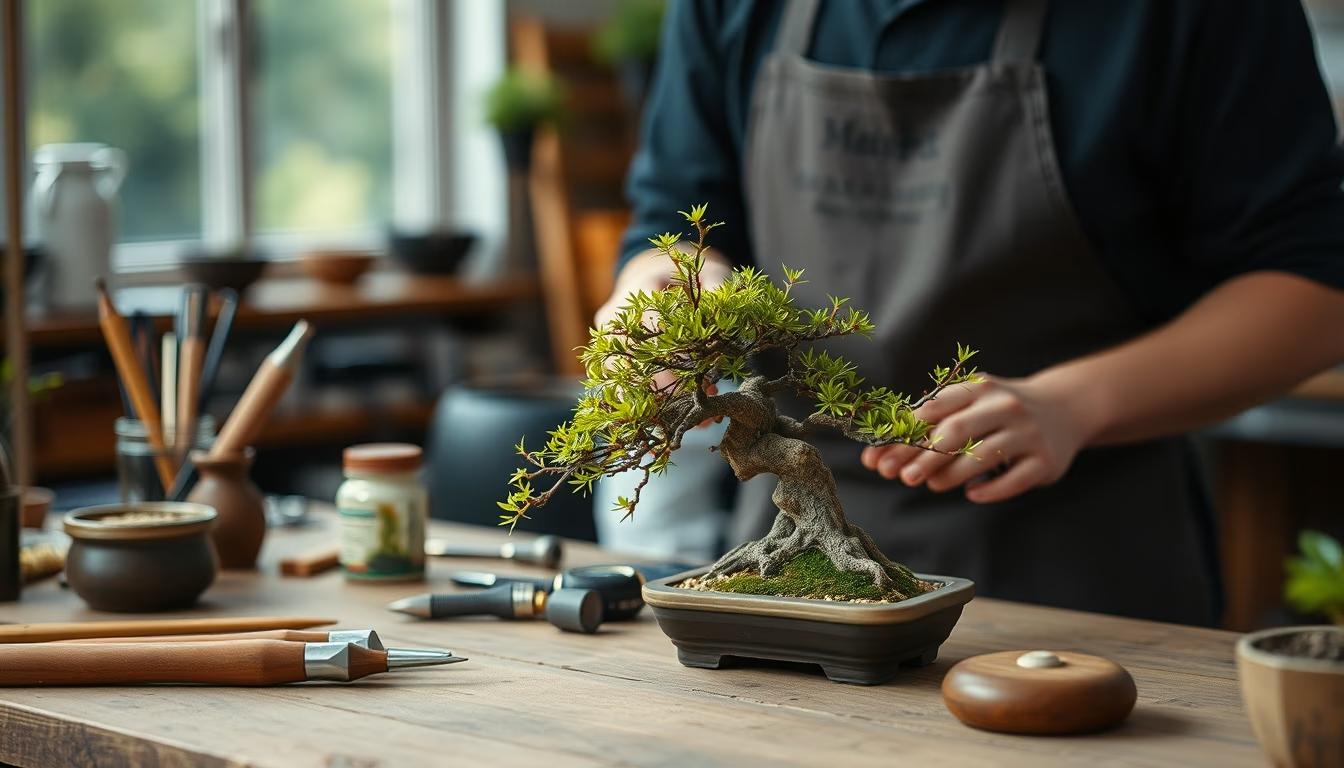
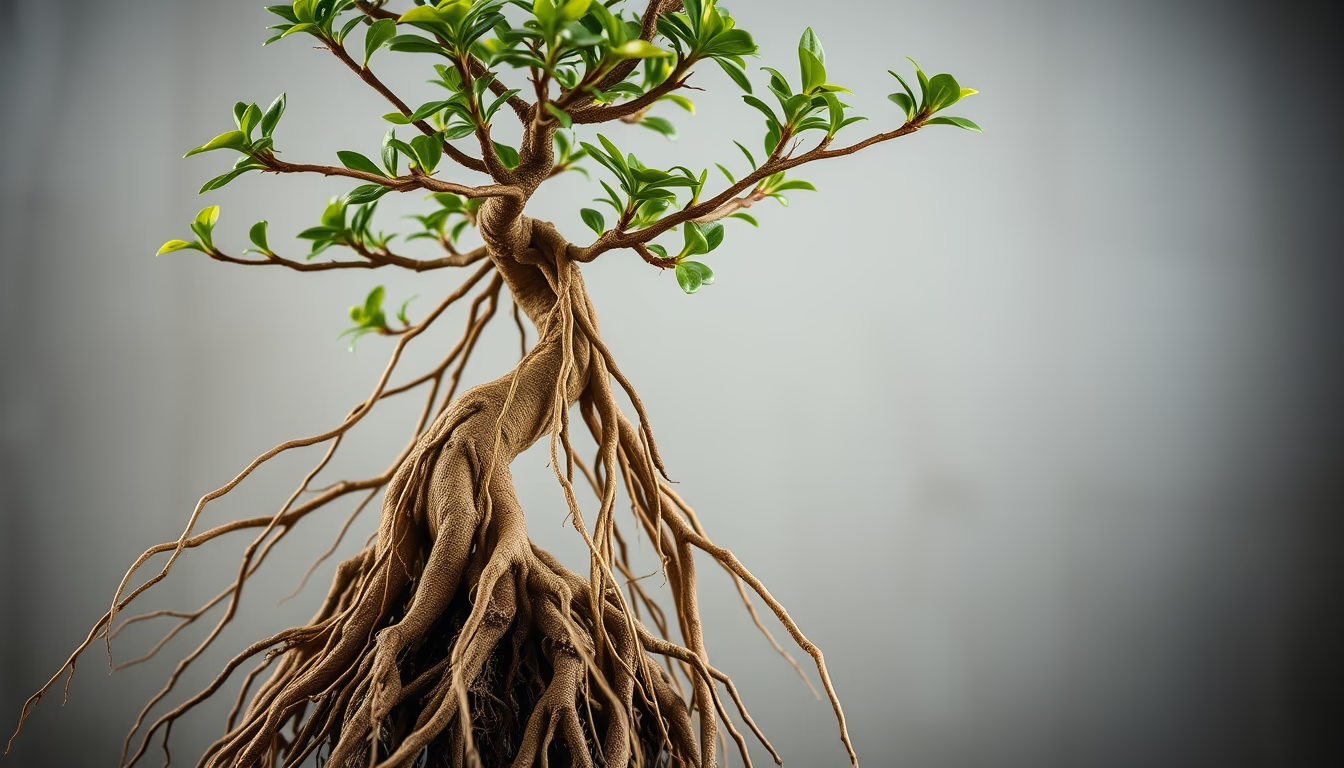
Rock selection is crucial: porous stones such as volcanic tuff or limestone are used, allowing root attachment and moisture retention. The tree, usually conifers like pines or junipers, is planted in a cavity in the rock or wrapped in moss, with roots gradually adhering to the surface. The substrate is a mix of akadama and potting soil, applied sparingly to avoid excess weight. Maintenance requires frequent root pruning and careful watering, as the rock heats up faster than a common pot.
Culturally, saikei reflects the Japanese philosophy of appreciating nature in miniature, representing harmony between stable (rock) and living (tree) elements. Unlike rock bonsai (ishizuke), where the plant is wired to the stone, in saikei the rock is shaped to form a scene, including moss, small plants, and even miniature houses or bridges. This art gained worldwide recognition after World War II, being exhibited in botanical gardens and international competitions.
Interestingly, saikei inspired other art forms such as terrariums and kokedama. In Brazil, the practice is common among bonsai enthusiasts, especially in temperate climate regions, where species like boxwood and jabuticaba are adapted. The technique requires patience and ecological knowledge, as the tree's health depends on the balance of drainage, shading, and nutrients available on the rock.
Frequently Asked Questions
What is the difference between saikei and rock bonsai?
In saikei the rock is the main element forming the landscape, while the tree is planted in it. In rock bonsai (ishizuke) the tree is wired to the stone and the rock serves as a decorative base.
Which tree species are most used in saikei?
Conifers like pines and junipers are common, but boxwoods, ficus, and even fruit trees like jabuticaba are used, as long as they tolerate root pruning and dry climate.
How to care for a bonsai grown on rock?
It requires frequent watering because the rock heats up and evaporates water faster. Roots should be pruned annually and well-draining substrate used. Sun exposure should be moderate to prevent drying out.
Direct URL
https://pub-c7d6a6ea828543ac903a74a341ccb2e1.r2.dev/imagens/bonsai-rock-landscape-architectural-photography-fresh16.avifHow to credit
Include a visible link back to UtilizAí. Copy one of the snippets below:
<a href="https://xn--utiliza-eza.com/en/midia/imagens/bonsai-rock-landscape-architectural-photography-fresh16">Bonsai rock landscape</a> by <a href="https://xn--utiliza-eza.com">UtilizAí</a>, licensed under <a href="https://creativecommons.org/licenses/by/4.0/">CC BY 4.0</a>.
[Bonsai rock landscape](https://xn--utiliza-eza.com/en/midia/imagens/bonsai-rock-landscape-architectural-photography-fresh16) by [UtilizAí](https://xn--utiliza-eza.com), CC BY 4.0
License: CC-BY-4.0