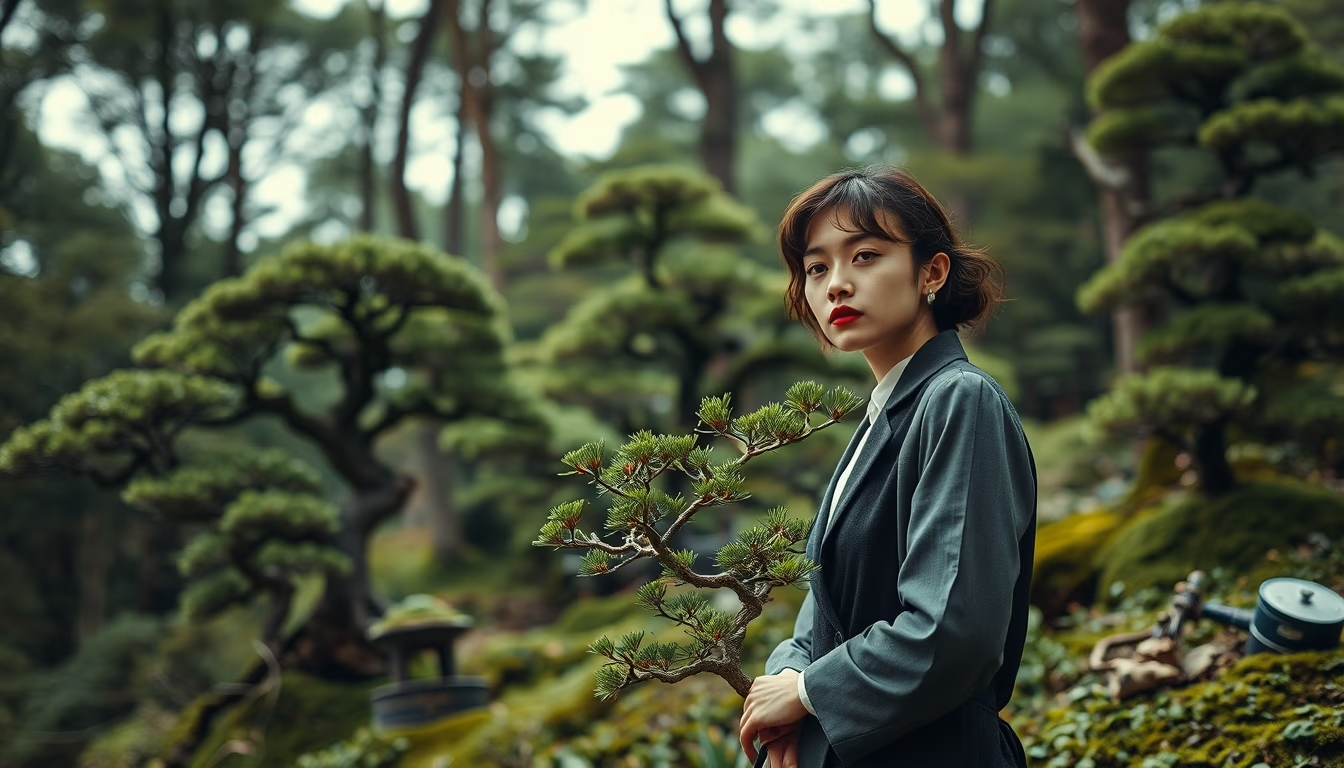
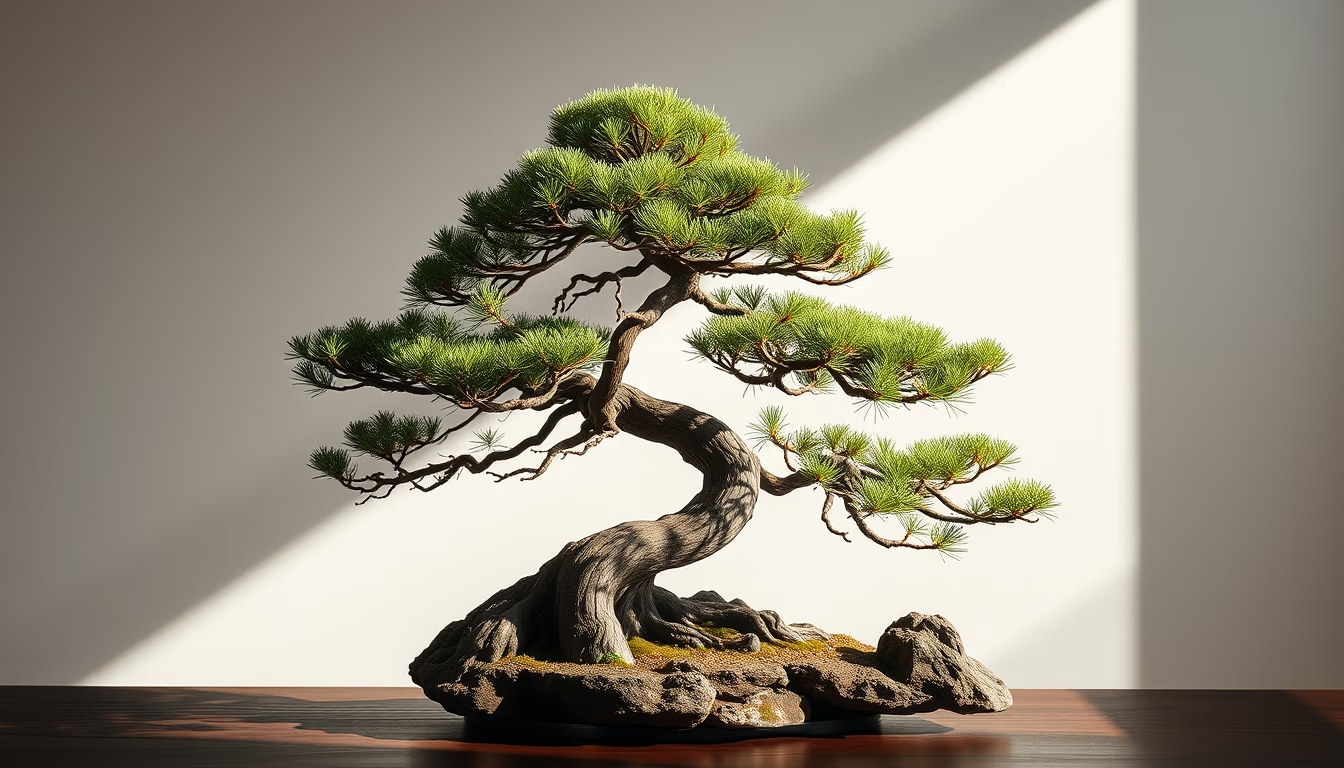
Bonsai pine ancient
1344×768 · AVIF · CC BY 4.0
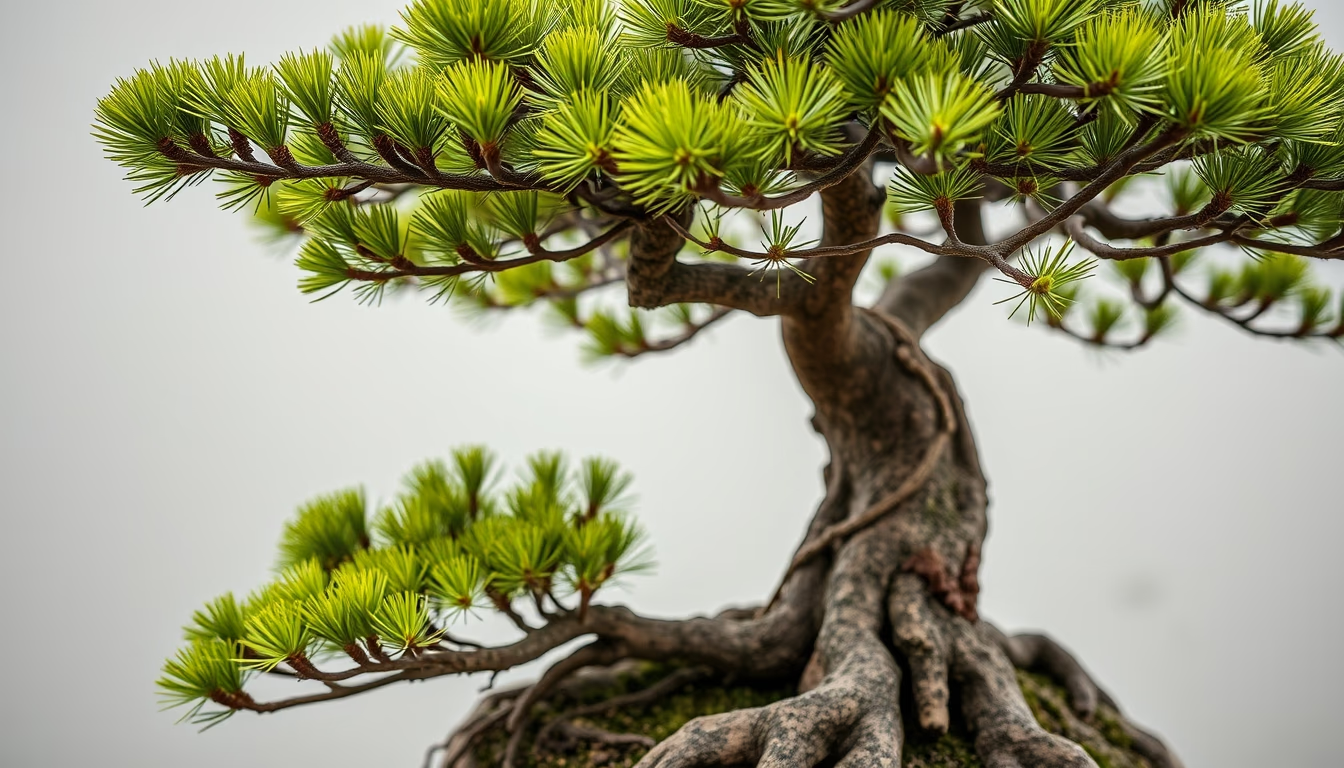
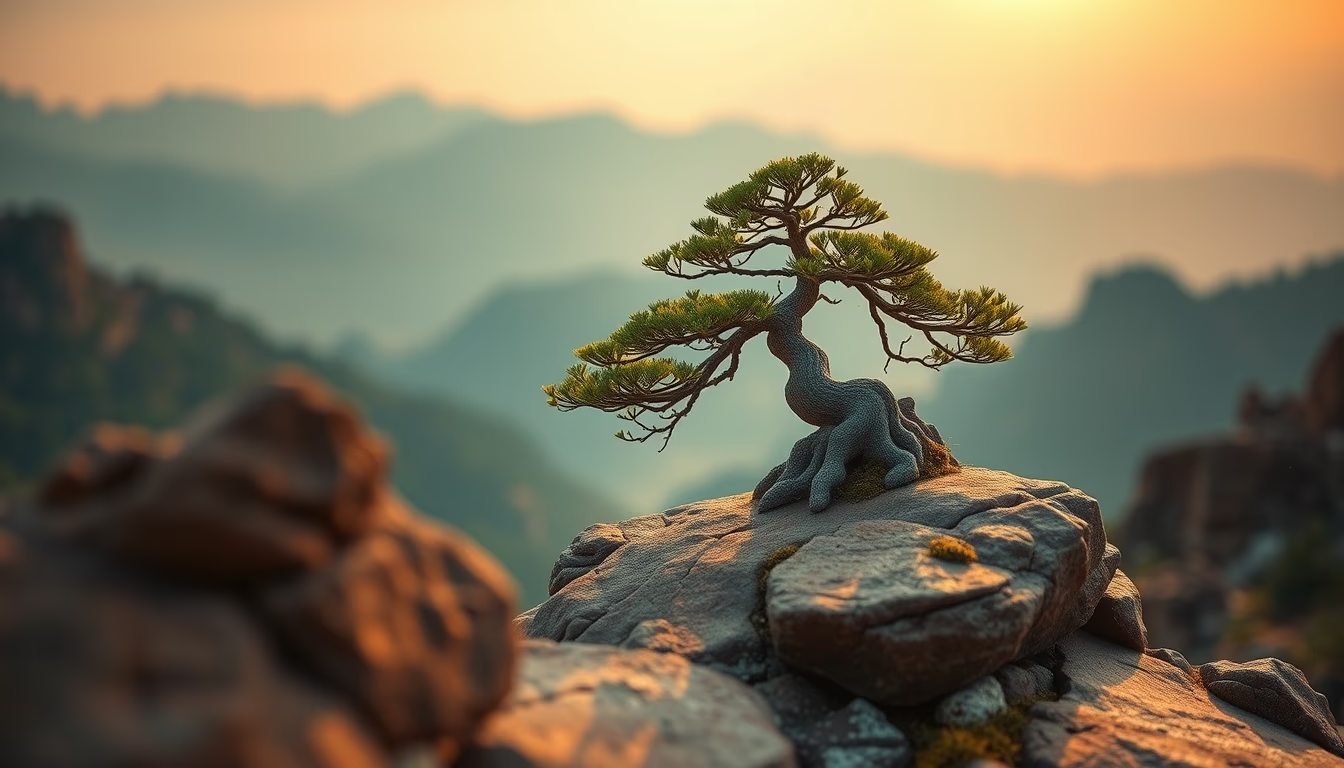
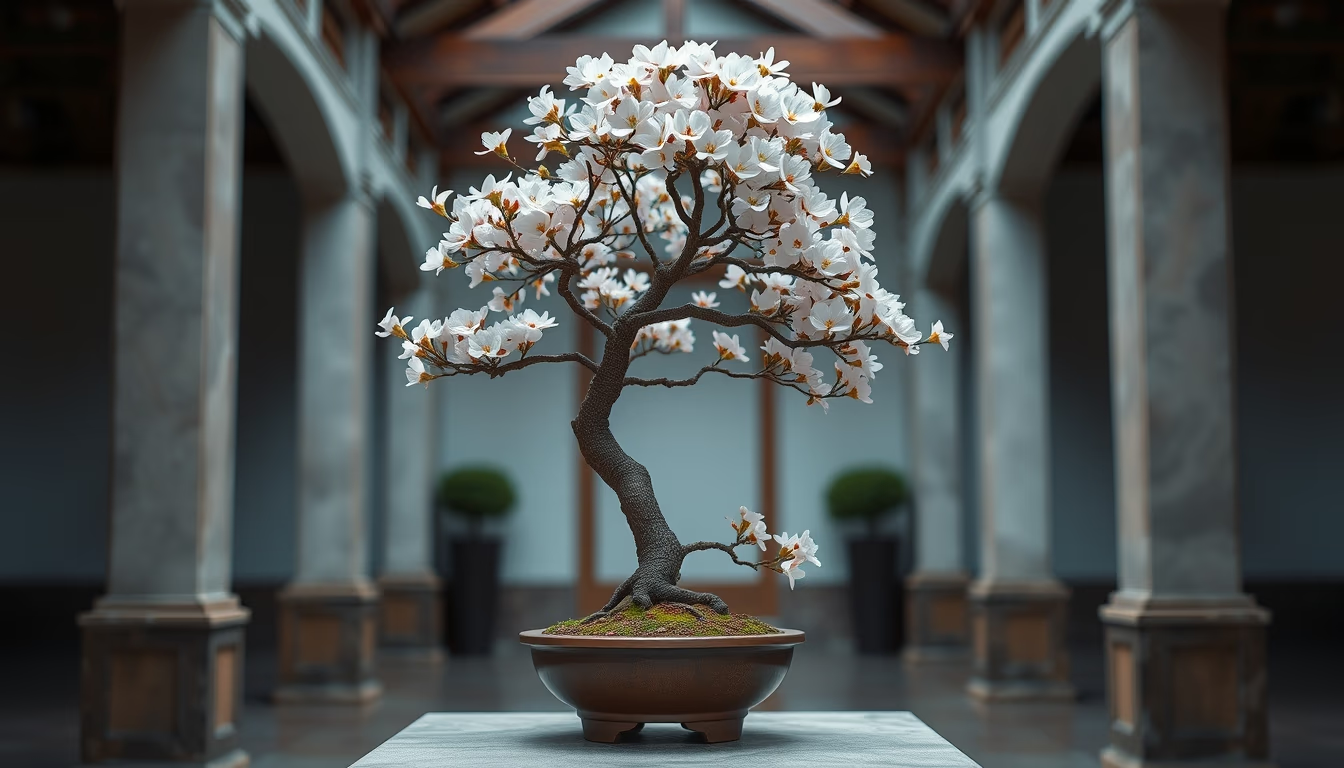
Ancient pine bonsai represents the millenary art of miniaturizing trees, combining cultivation techniques and Japanese aesthetics.
About this subject
The ancient pine bonsai is a living expression of the Japanese tradition of cultivating miniature trees. This practice, originating in China over a thousand years ago and refined in Japan, aims to reproduce the form of centuries-old trees in reduced scale. Pines are especially valued for their hardiness, longevity, and ability to develop rough bark and twisted branches that evoke an aged appearance.
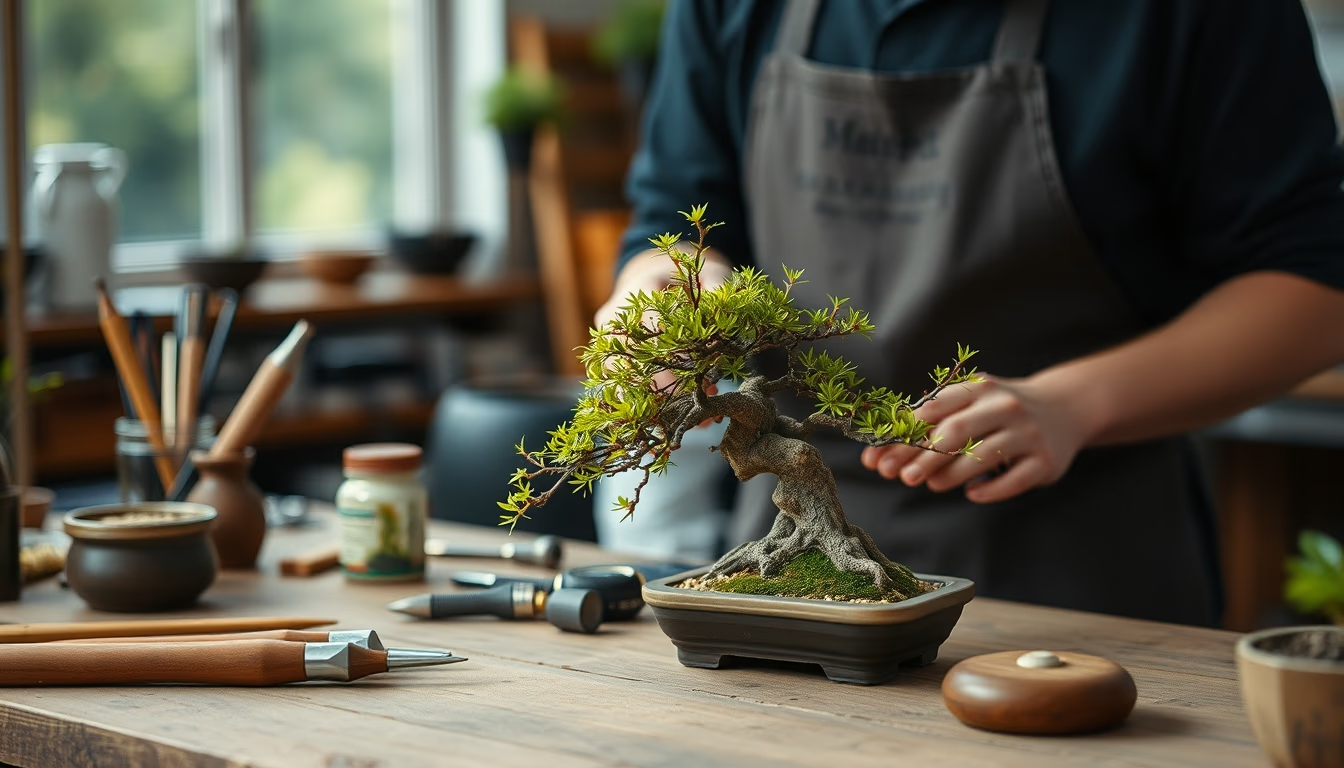
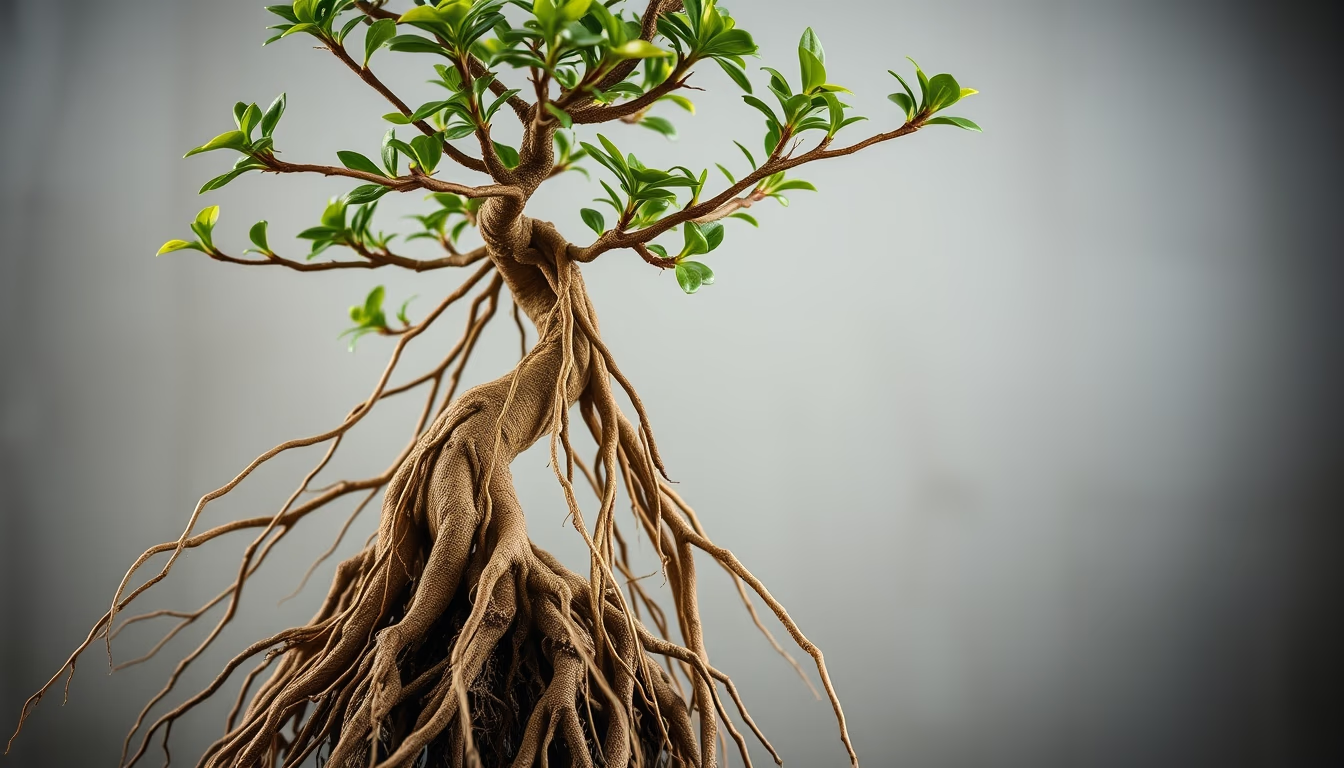
In Japan, the pine (matsu) is a symbol of perseverance and good luck, often associated with the New Year. Ancient specimens may be decades or even centuries old, passed down through generations of masters. Techniques such as root pruning, wiring, and periodic repotting keep the tree healthy and at the desired size. Each spring, buds are pinched to control growth and promote foliage density.
Interestingly, the most famous pine bonsai in the world are in Japanese collections, such as the "Goyōmatsu" (white pine) at the Imperial Palace in Tokyo. Some specimens are over 500 years old. Age can be estimated by trunk thickness and bark texture. Caring for a pine bonsai requires attention to watering, fertilizing, and sunlight exposure, as well as protection from specific pests.
In the West, pine bonsai cultivation gained popularity from the 20th century onward, with many adapted species such as Pinus thunbergii (Japanese black pine) and Pinus sylvestris. The "moyogi" (informal upright) style is common for old pines, but styles like "shakan" (slanted) and "kengai" (cascade) are also used to enhance the appearance of trees shaped by nature.
Frequently Asked Questions
What is the minimum age for a pine bonsai to be considered 'ancient'?
There is no exact age, but generally it is considered ancient from 50 years of cultivation, when the trunk begins to thicken and the bark becomes rough. Specimens over 100 years are rare and highly prized.
How to identify an old pine bonsai?
Signs include a thick trunk with fissured bark, twisted branches, dense and well-formed canopy, and a sense of balance and maturity. Age can also be inferred by trunk thickness relative to height.
What does the pine tree represent in Japanese culture?
The pine (matsu) symbolizes longevity, endurance, and good fortune. It is often used in New Year decorations and traditional gardens, representing the strength of nature that endures through the seasons.
Direct URL
https://pub-c7d6a6ea828543ac903a74a341ccb2e1.r2.dev/imagens/bonsai-pine-ancient-documentary-nature-style-fresh0.avifHow to credit
Include a visible link back to UtilizAí. Copy one of the snippets below:
<a href="https://xn--utiliza-eza.com/en/midia/imagens/bonsai-pine-ancient-documentary-nature-style-fresh0">Bonsai pine ancient</a> by <a href="https://xn--utiliza-eza.com">UtilizAí</a>, licensed under <a href="https://creativecommons.org/licenses/by/4.0/">CC BY 4.0</a>.
[Bonsai pine ancient](https://xn--utiliza-eza.com/en/midia/imagens/bonsai-pine-ancient-documentary-nature-style-fresh0) by [UtilizAí](https://xn--utiliza-eza.com), CC BY 4.0
License: CC-BY-4.0