Bonsai maple autumn red
1344×768 · AVIF · CC BY 4.0
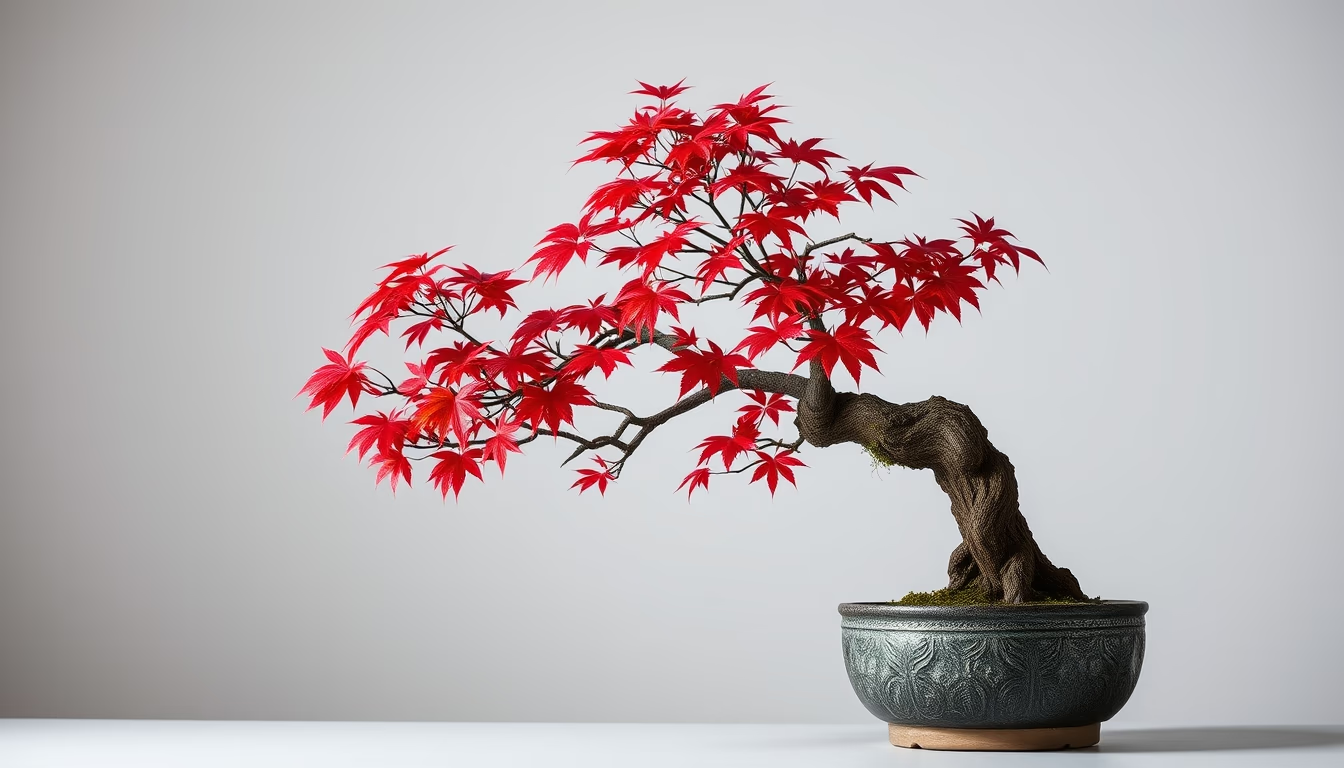
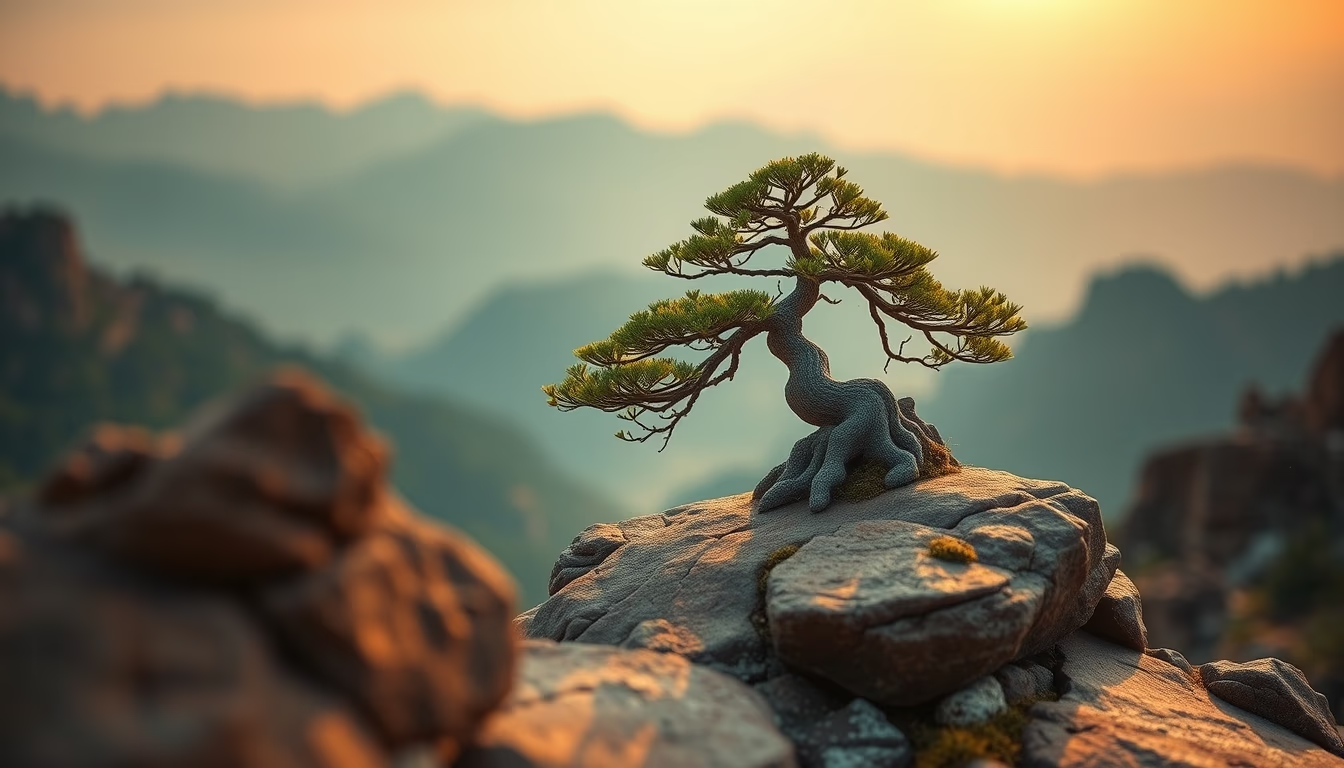
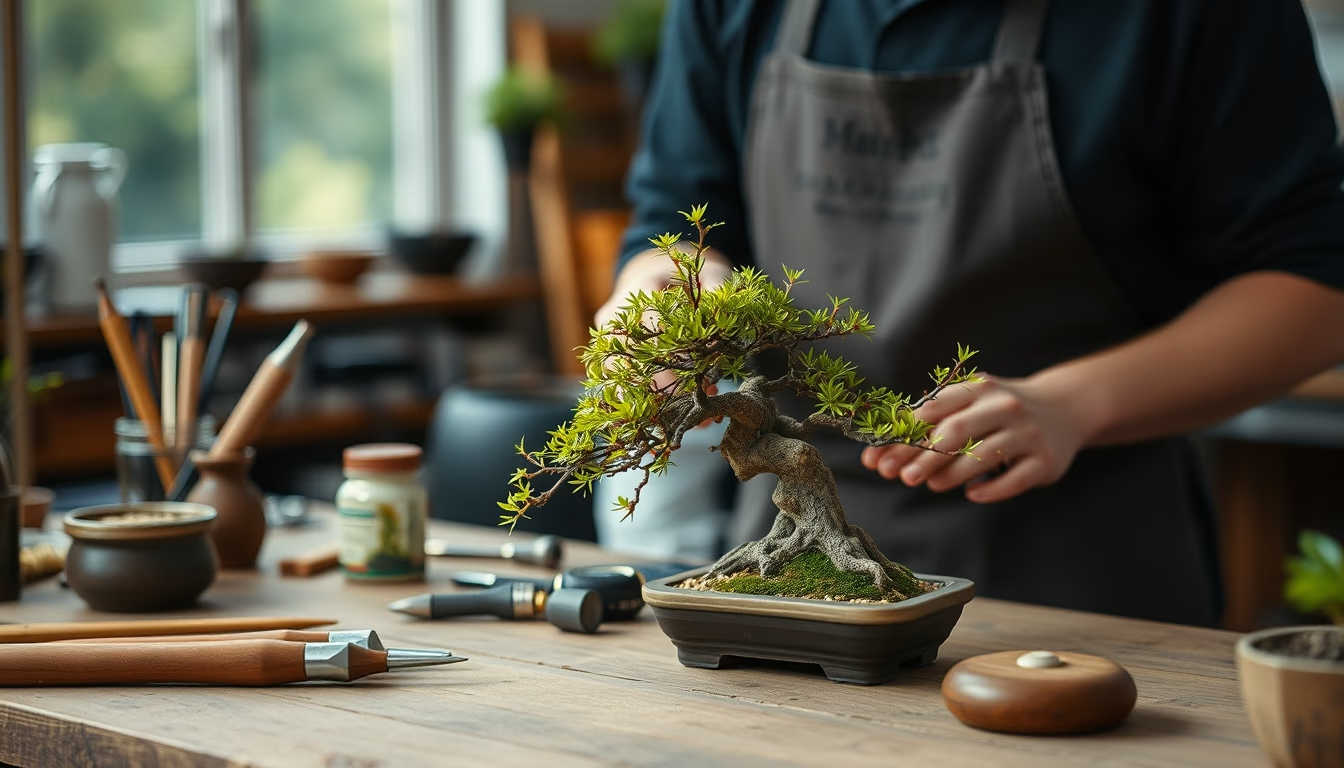
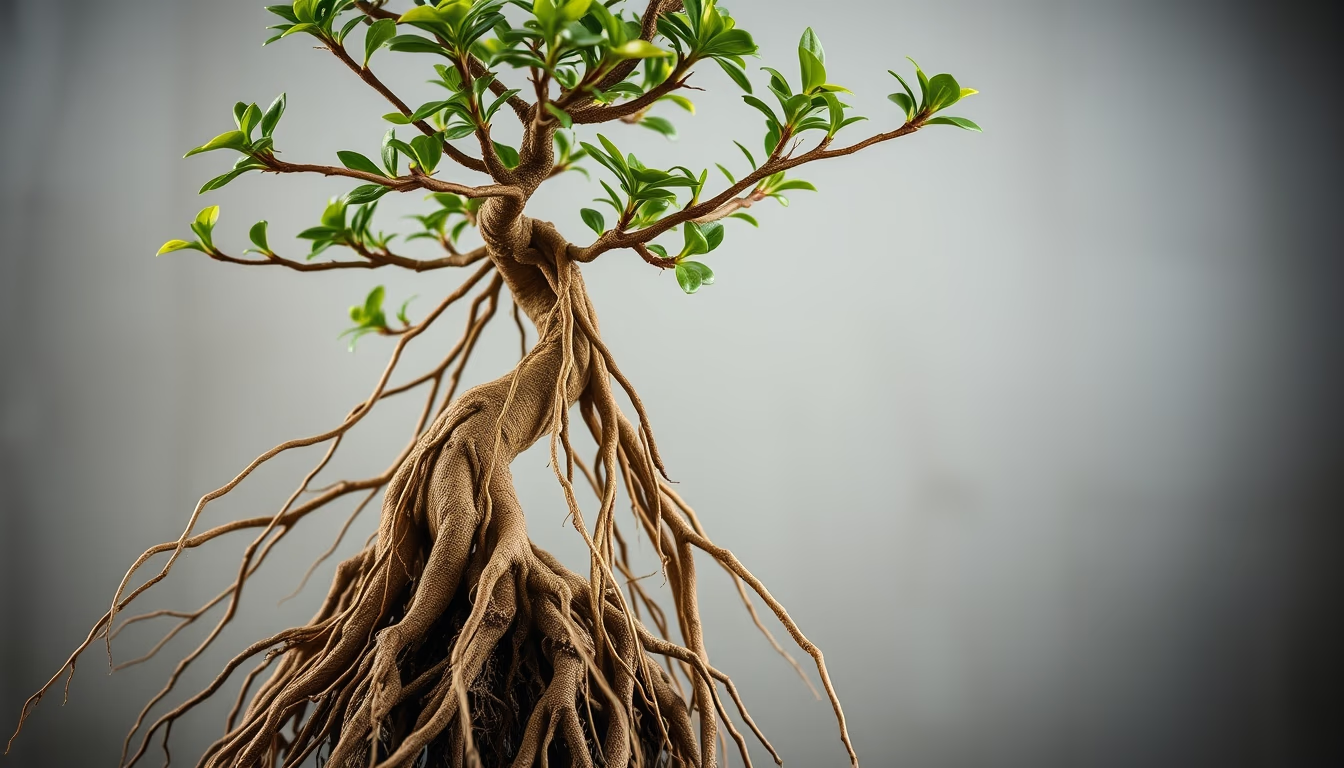
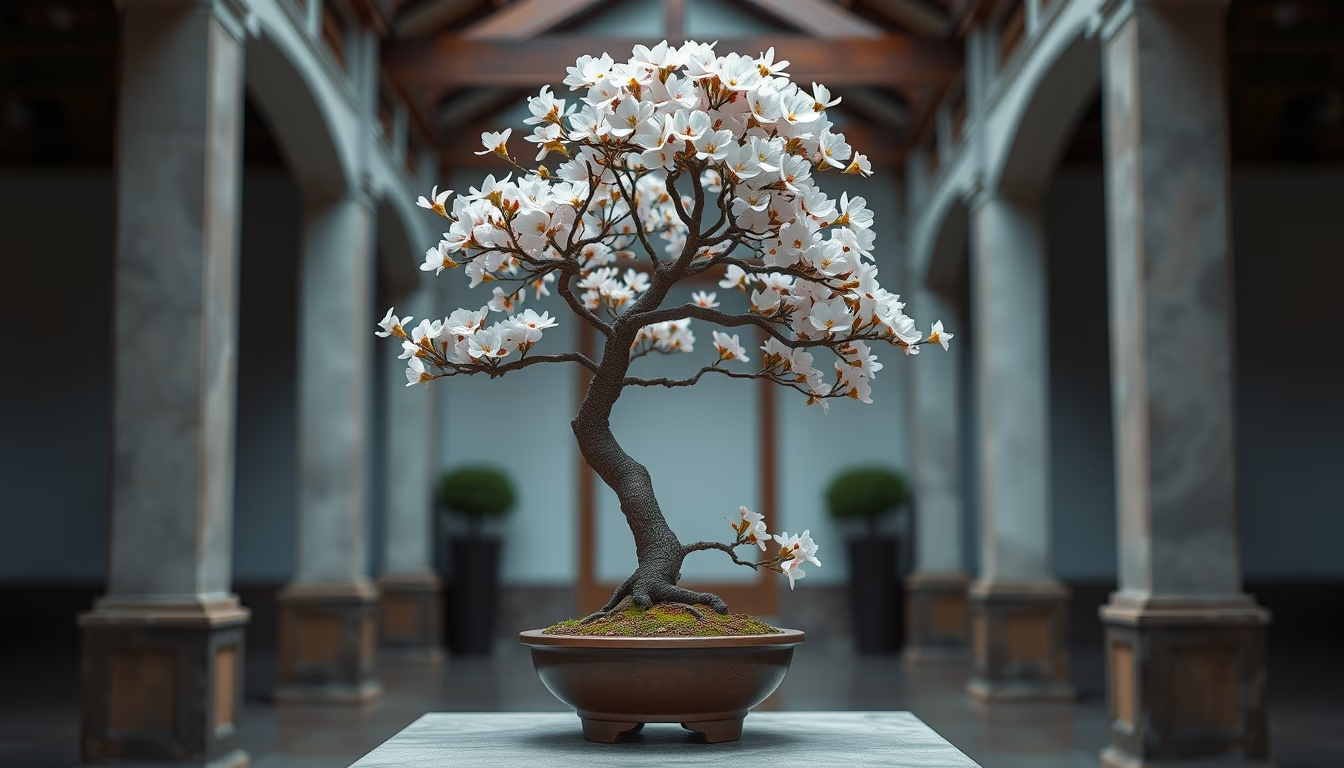
Japanese maple (Acer palmatum) cultivated as bonsai displays intense red foliage in autumn, combining ancient art and natural phenomenon.
About this subject
The Japanese maple (Acer palmatum) bonsai is one of the most cherished forms of the art of bonsai, which originated in China and was refined in Japan over a thousand years ago. During autumn, its palmate leaves undergo a spectacular chromatic transformation: from vibrant green to shades of orange, scarlet red, and crimson. This phenomenon occurs due to chlorophyll degradation and the production of anthocyanins, pigments that protect leaves from excessive light while nutrients are reabsorbed for winter.
The choice of Acer palmatum for bonsai is due to its delicate foliage, natural branching, and ability to reduce leaf size under controlled cultivation. There are hundreds of cultivars, such as 'Deshojo' (red leaves in spring that turn green then red in autumn) and 'Shishigashira' (curly leaves and compact growth). Cultivation requires specific care: acidic, well-drained soil, frequent watering (but no waterlogging), balanced fertilization, and protection from strong winds and late frosts that can burn new buds.
Pruning and wiring are essential techniques for shaping the canopy and highlighting seasonal beauty. In autumn, leaves gradually fall, revealing the branch structure and grayish bark. Many bonsai enthusiasts consider the maple the ideal species to capture the essence of the seasons, especially autumn (koyo in Japan). The practice of bonsai is not just horticulture; it involves aesthetic principles such as balance, proportion, and the suggestion of natural landscapes in miniature.
Interestingly, the intense red color of autumn maple leaves attracts not only humans but also migratory birds that feed on insects drawn to the tree. Additionally, Acer palmatum is native to East Asia but is now grown worldwide, adapting well to temperate climates. In Brazil, it is common in mountainous and southern regions, where seasons are more defined, allowing the full cycle of colors to manifest.
Frequently Asked Questions
How long does it take for a maple bonsai to turn red in autumn?
The color change occurs gradually over a few weeks, usually between mid-March and May in the southern hemisphere, depending on the region and weather. The peak red coloration lasts one to three weeks.
What is the difference between a Japanese maple and a common maple for bonsai?
Japanese maple (Acer palmatum) has smaller, more delicate leaves and a greater variety of seasonal colors. Common maples (e.g., Acer negundo or Acer pseudoplatanus) have larger leaves and are less suitable for bonsai because they do not reduce leaf size well under cultivation.
Can I grow a maple bonsai indoors?
No, it is not recommended. Maples require a winter dormancy period with low temperatures and direct sunlight in other seasons. Indoors, they lack the necessary cues for color change and can weaken.
Direct URL
https://pub-c7d6a6ea828543ac903a74a341ccb2e1.r2.dev/imagens/bonsai-maple-autumn-red-studio-still-life-fresh4.avifHow to credit
Include a visible link back to UtilizAí. Copy one of the snippets below:
<a href="https://xn--utiliza-eza.com/en/midia/imagens/bonsai-maple-autumn-red-studio-still-life-fresh4">Bonsai maple autumn red</a> by <a href="https://xn--utiliza-eza.com">UtilizAí</a>, licensed under <a href="https://creativecommons.org/licenses/by/4.0/">CC BY 4.0</a>.
[Bonsai maple autumn red](https://xn--utiliza-eza.com/en/midia/imagens/bonsai-maple-autumn-red-studio-still-life-fresh4) by [UtilizAí](https://xn--utiliza-eza.com), CC BY 4.0
License: CC-BY-4.0