Bonsai maple autumn red
1344×768 · AVIF · CC BY 4.0
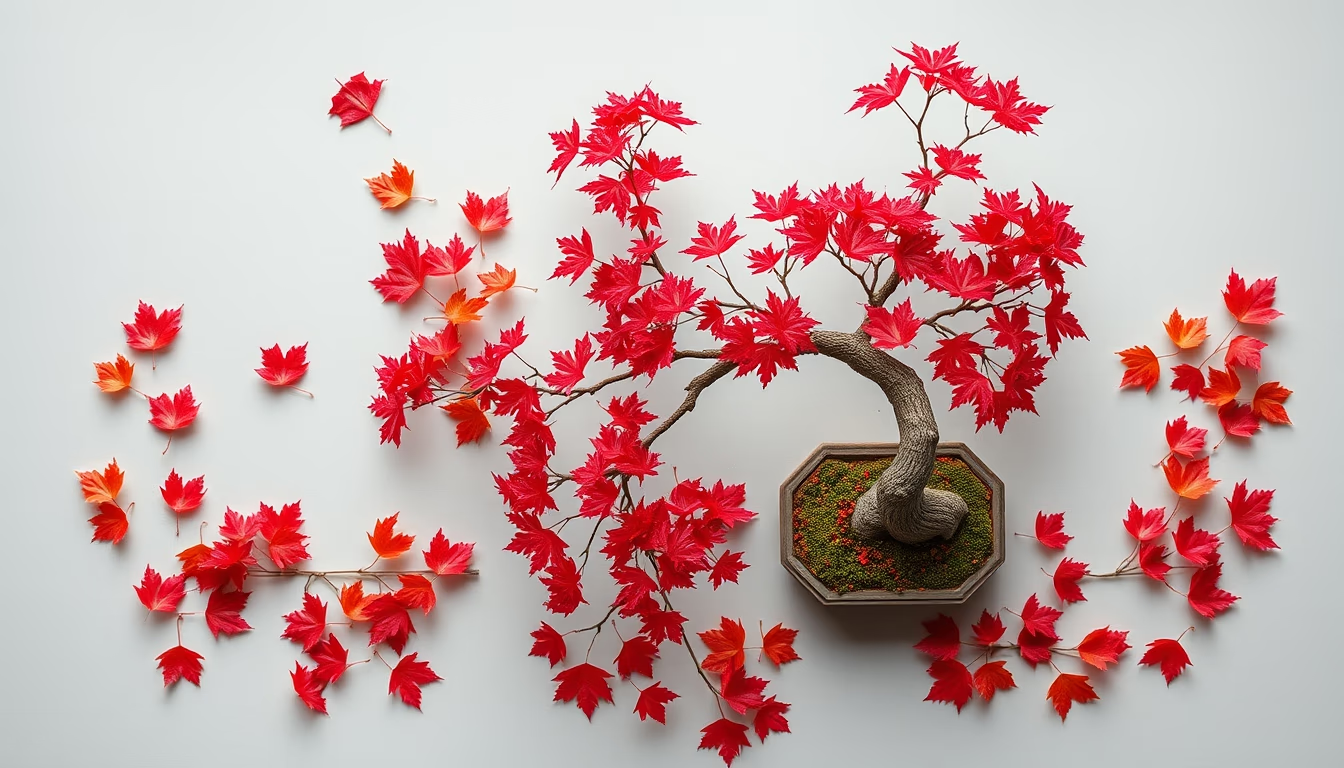
Bonsai maple with autumn red foliage: ancient Japanese technique of tree miniaturization, blending art and horticulture.
About this subject
The bonsai maple, especially the species Acer palmatum, is one of the most cherished forms of the ancient Japanese art. In autumn, its leaves turn vibrant shades of red, orange, and yellow, resulting from chlorophyll breakdown and accumulation of anthocyanins, pigments that protect leaves from intense light before falling. This seasonal transformation is a highlight of cultivation, celebrated in exhibitions and gardens.
To maintain the miniature shape and tree health, techniques such as structural pruning, wiring, and periodic repotting are essential. The maple requires well-drained soil, frequent watering in summer but moderation in winter, and protection from dry winds. In temperate climates like southern Brazil, it can be grown outdoors, but in harsh winters, root protection from frost is necessary.
In Japan, the bonsai maple symbolizes ephemeral beauty and harmony with nature, principles of wabi-sabi. Observing color changes throughout autumn is a ritual connecting the grower to the cycle of seasons. Exhibitions like the Kokufu-ten in Tokyo often feature century-old specimens, where branching and coloring are meticulously evaluated.
Interestingly, there are cultivars specifically selected for bonsai, such as 'Deshojo' (with intense red sprouting in spring and autumn) and 'Shishigashira' (curly and compact leaves). Growing maples as bonsai is a challenge rewarded with an annual color spectacle.
Frequently Asked Questions
What are the essential care tips for a bonsai maple in autumn?
In autumn, gradually reduce watering as leaves fall. Protect the tree from strong winds and frost. Avoid heavy pruning as the plant enters dormancy. Take time to enjoy the leaf coloration before they drop.
Why do bonsai maple leaves turn red in autumn?
The red color is due to anthocyanin production, pigments that protect leaves from intense sunlight during chlorophyll breakdown. This process is influenced by cool temperatures and sunny autumn days.
What is the origin of the bonsai maple and its cultural significance?
The cultivation of miniature maples originated in Japan, where the tree symbolizes peace and balance. The practice dates back to the 14th century, inspired by wabi-sabi, which values imperfect and transient beauty. Annual exhibitions highlight century-old specimens.
Direct URL
https://pub-c7d6a6ea828543ac903a74a341ccb2e1.r2.dev/imagens/bonsai-maple-autumn-red-isometric-flat-lay-fresh6.avifHow to credit
Include a visible link back to UtilizAí. Copy one of the snippets below:
<a href="https://xn--utiliza-eza.com/en/midia/imagens/bonsai-maple-autumn-red-isometric-flat-lay-fresh6">Bonsai maple autumn red</a> by <a href="https://xn--utiliza-eza.com">UtilizAí</a>, licensed under <a href="https://creativecommons.org/licenses/by/4.0/">CC BY 4.0</a>.
[Bonsai maple autumn red](https://xn--utiliza-eza.com/en/midia/imagens/bonsai-maple-autumn-red-isometric-flat-lay-fresh6) by [UtilizAí](https://xn--utiliza-eza.com), CC BY 4.0
License: CC-BY-4.0