Bonsai maple autumn red
1344×768 · AVIF · CC BY 4.0
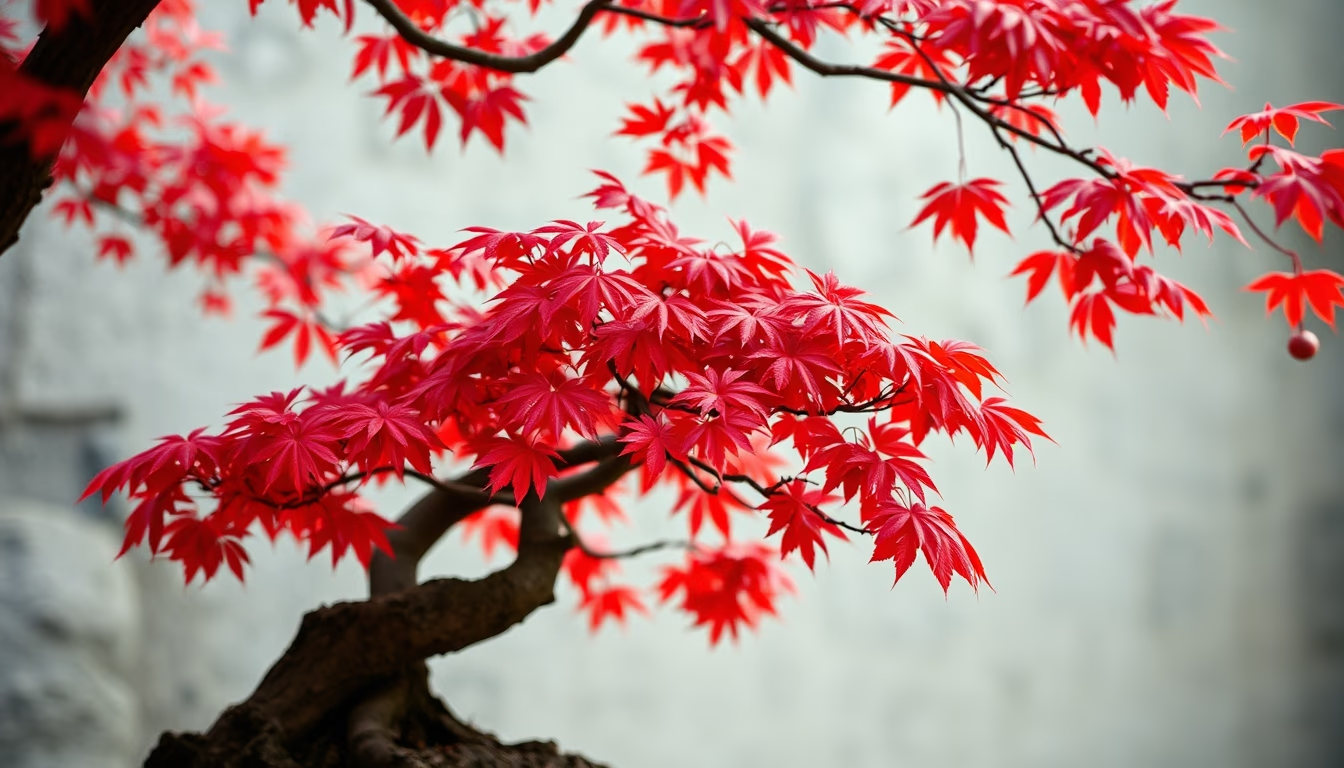
Japanese maple bonsai with red autumn foliage, a symbol of patience and harmony in the ancient art.
About this subject
The Japanese maple (Acer palmatum) is one of the most cherished species in bonsai art, especially in autumn when its leaves turn vibrant shades of red, orange, and yellow. Native to Japan, China, and Korea, the maple has been cultivated as an ornamental plant for centuries. In bonsai, the practice of miniaturizing trees began in China over a thousand years ago and was refined in Japan, where the maple became a classic for its elegance and seasonal changes.
Autumn red coloration occurs due to chlorophyll breakdown and the production of anthocyanins, pigments that protect leaves from intense light and aid nutrient reabsorption. To achieve this beauty in a bonsai maple, specific care is needed: direct sunlight for a few hours, controlled watering without waterlogging, and regular pruning to maintain shape. Additionally, the species requires a winter dormancy period with low temperatures to stimulate spring budding and intense autumn color.
In Japanese culture, the red maple (momiji) is associated with nature contemplation and the transience of life, core concepts in Zen Buddhism. Bonsai practice teaches patience and respect for natural time. A maple bonsai can live for decades, passed down through generations as a family heirloom. The film grain aesthetic in the image evokes nostalgia and analog photography, enhancing the leaf texture and autumn atmosphere.
Frequently Asked Questions
How to care for a maple bonsai in autumn?
In autumn, reduce watering gradually and avoid high-nitrogen fertilizers. Expose the bonsai to direct morning sunlight to intensify colors. Protect it from strong winds and early frosts, but allow natural dormancy.
Why do Japanese maple leaves turn red?
The red color comes from anthocyanin production, pigments that protect leaves from intense light and aid nutrient reabsorption before leaf fall. This process is triggered by decreasing temperatures and light in autumn.
What is the meaning of a maple bonsai in Japanese culture?
The maple bonsai symbolizes ephemeral beauty and harmony with nature. In Japanese tradition, red leaves (momiji) are viewed as a metaphor for life's transience, especially during autumn.
Direct URL
https://pub-c7d6a6ea828543ac903a74a341ccb2e1.r2.dev/imagens/bonsai-maple-autumn-red-film-grain-authentic-fresh2.avifHow to credit
Include a visible link back to UtilizAí. Copy one of the snippets below:
<a href="https://xn--utiliza-eza.com/en/midia/imagens/bonsai-maple-autumn-red-film-grain-authentic-fresh2">Bonsai maple autumn red</a> by <a href="https://xn--utiliza-eza.com">UtilizAí</a>, licensed under <a href="https://creativecommons.org/licenses/by/4.0/">CC BY 4.0</a>.
[Bonsai maple autumn red](https://xn--utiliza-eza.com/en/midia/imagens/bonsai-maple-autumn-red-film-grain-authentic-fresh2) by [UtilizAí](https://xn--utiliza-eza.com), CC BY 4.0
License: CC-BY-4.0