Bonsai maple autumn red
1344×768 · AVIF · CC BY 4.0
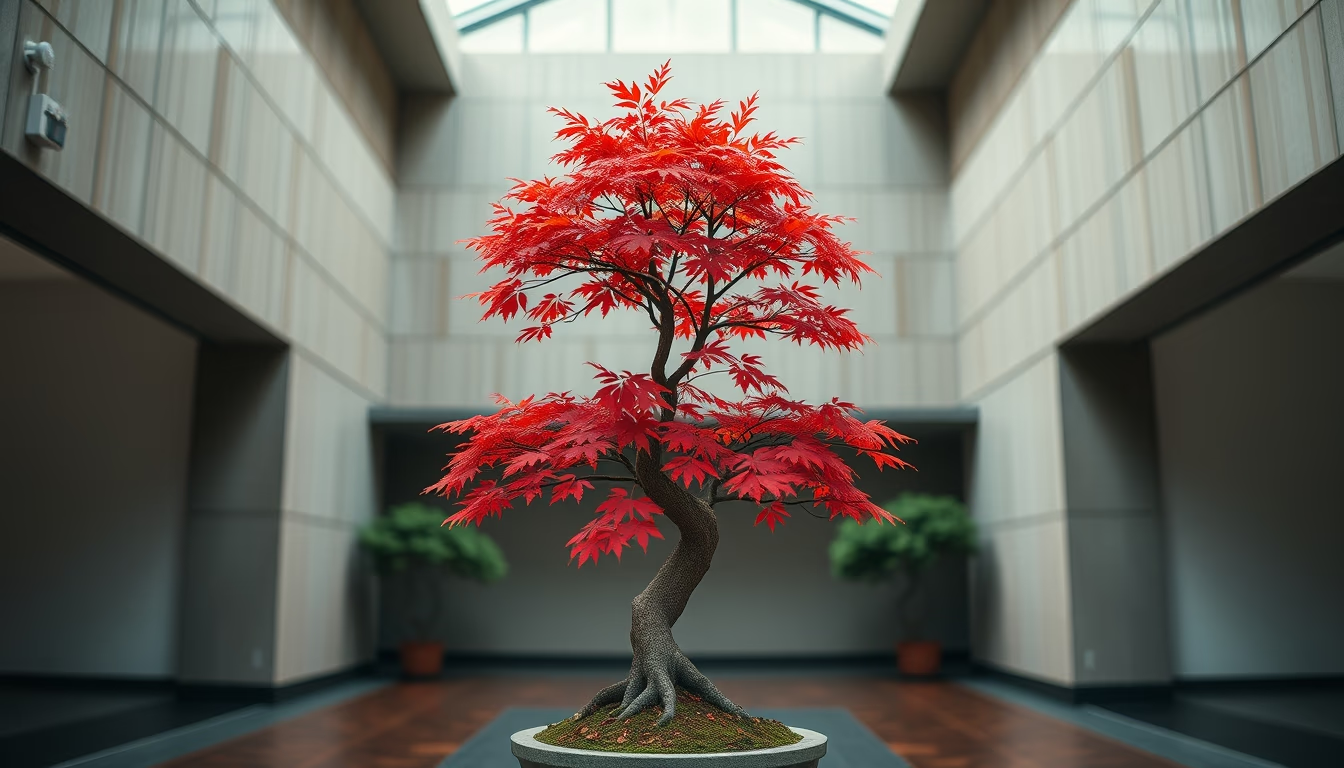
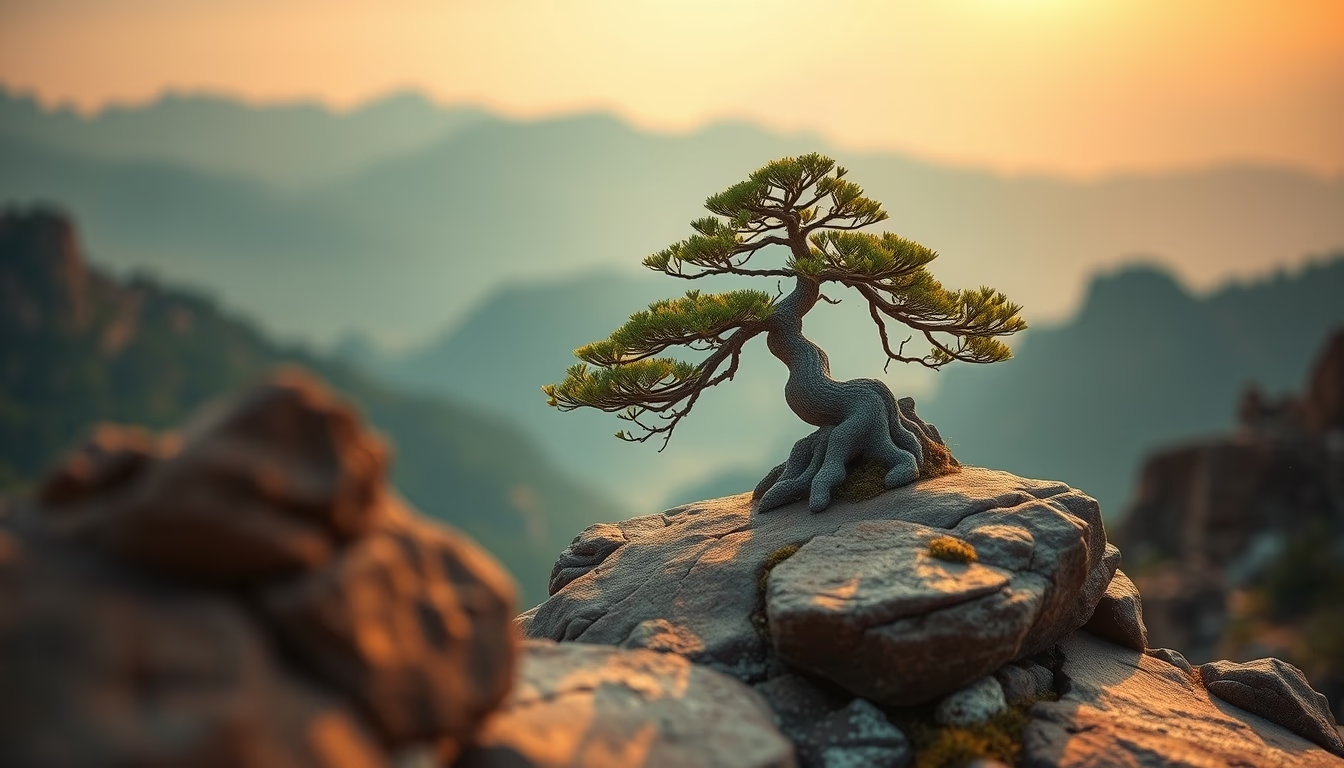
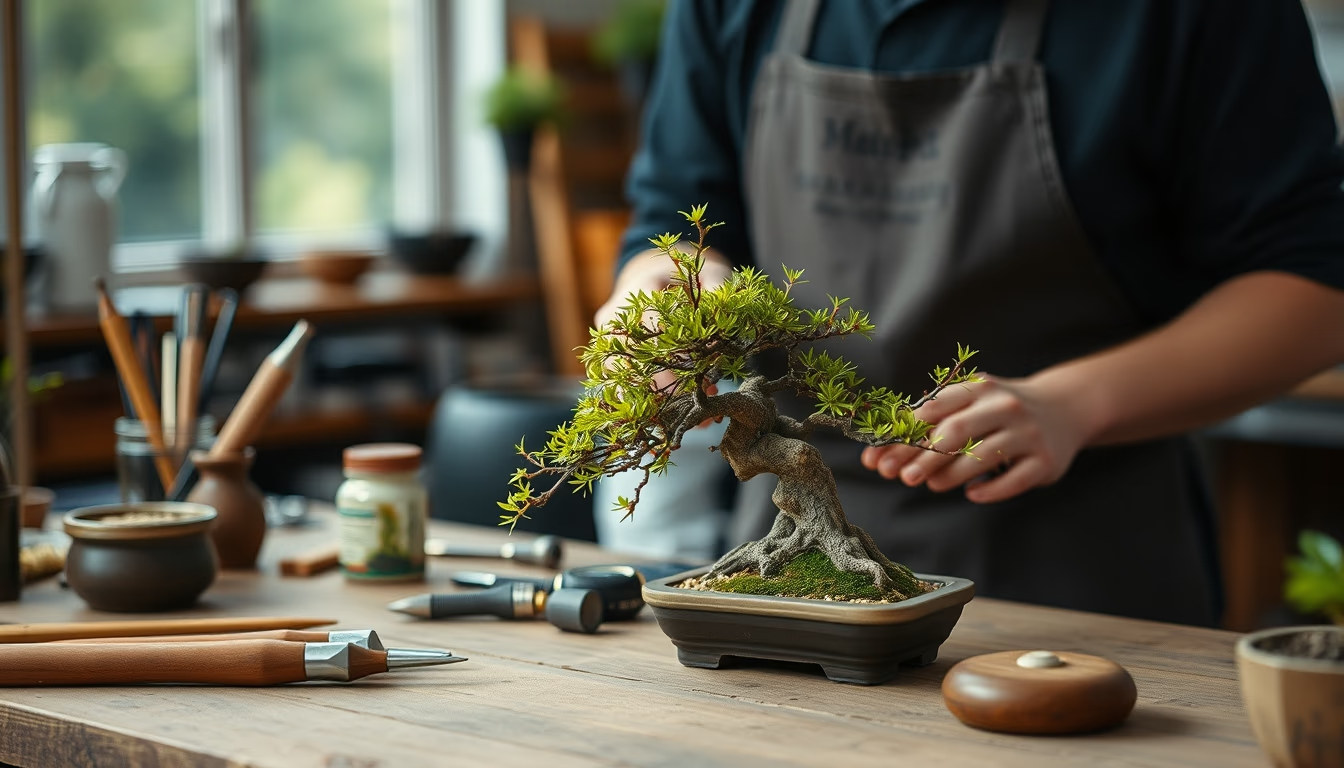
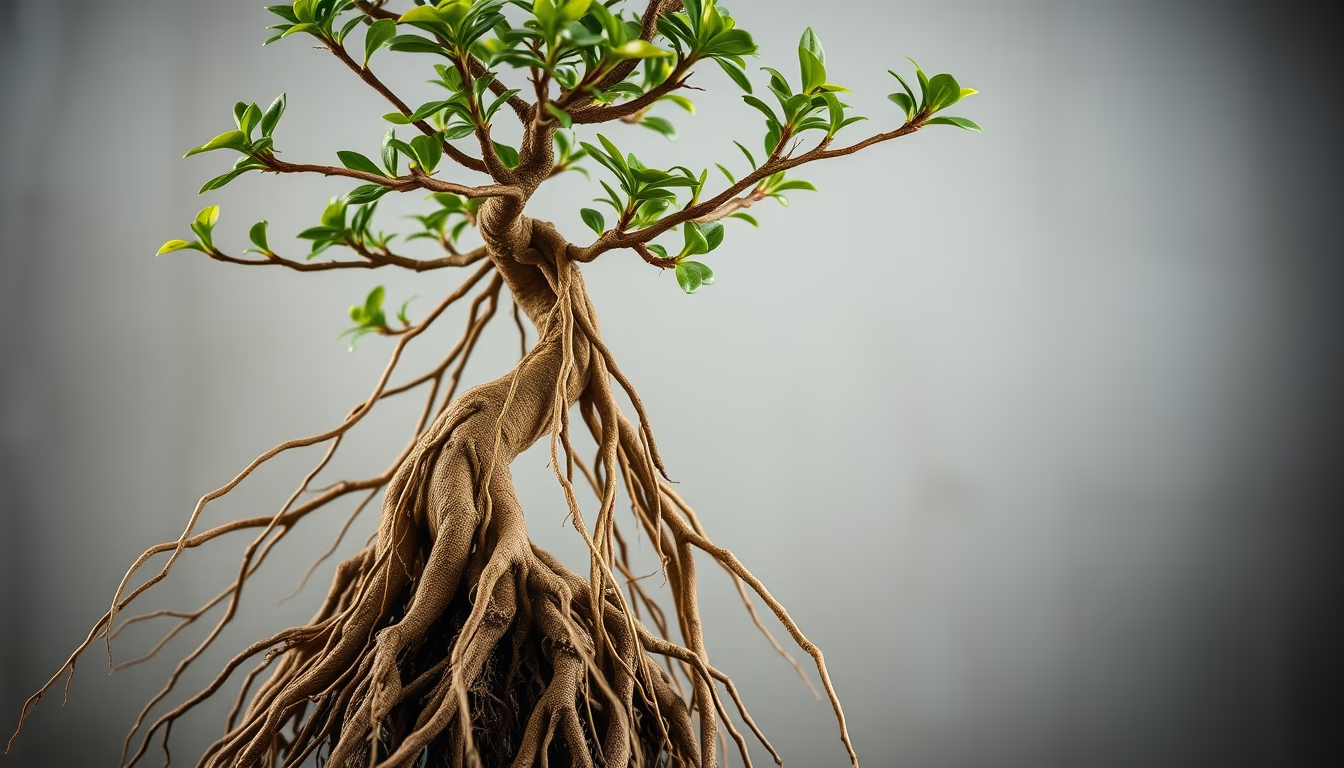
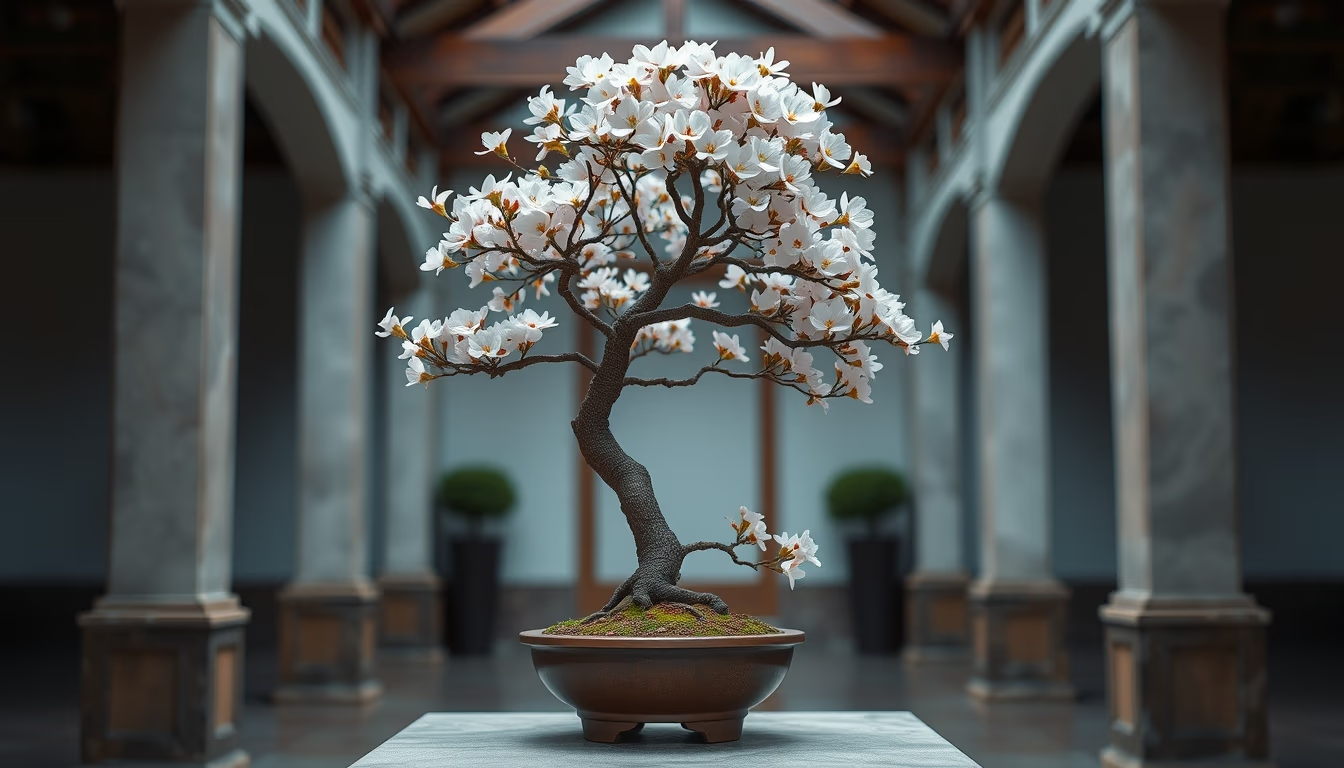
The Japanese maple (Acer palmatum) in miniature is one of the most cherished bonsai species, especially in autumn when its leaves turn brilliant shades of red.
About this subject
The Japanese maple bonsai, scientifically known as Acer palmatum, is a classic choice among bonsai enthusiasts worldwide. Native to Japan, Korea, and China, this deciduous tree is famous for its delicate foliage and spectacular autumn color change, ranging from golden yellow to deep crimson. The practice of bonsai with maples dates back centuries, embodying the wabi-sabi aesthetic, which values simplicity and the imperfect beauty of nature.
In cultivation, the red maple demands specific care: it prefers well-drained acidic soil and protection from strong winds and intense midday sun. Watering should be frequent in summer but reduced in winter. Pruning and wiring are done in late winter or early spring before budding. Leaves may be partially removed in summer to allow light into inner branches, a technique that also helps reduce leaf size the following season.
Beyond its ornamental beauty, the Japanese maple carries deep cultural significance. In Japan, momiji (maple) is celebrated during autumn with the tradition of momijigari, equivalent to cherry blossom viewing in spring. The red leaves symbolize the transience of life and acceptance of change. In many Japanese artworks, the red maple appears alongside pines and bamboos, representing the seasons and the balance of nature.
For those wishing to start in bonsai, the Japanese maple is an excellent choice, though it requires patience. Dwarf varieties such as 'Deshojo' or 'Kiyohime' are particularly popular for their compact size and intense colors. With proper care, a maple bonsai can live for decades, becoming a living heirloom that transmits Eastern art and philosophy through generations.
Frequently Asked Questions
What is the best time to prune a Japanese maple bonsai?
Structural pruning should be done in late winter or early spring before new growth emerges. Maintenance pruning can be performed during spring and summer, but avoid pruning in autumn to prevent weak shoots.
Why are the leaves of my maple bonsai burning at the edges?
This may be caused by too much direct sun, dry winds, or lack of humidity. Maples prefer indirect light and moderate humidity. Place the bonsai in a spot protected from afternoon sun and mist the leaves on hot days.
Does the Japanese maple bonsai lose all its leaves in winter?
Yes, the Japanese maple is a deciduous tree. In autumn, leaves change color and fall naturally. During winter, the tree goes dormant and should be kept in a cool location, protected from severe frost.
Direct URL
https://pub-c7d6a6ea828543ac903a74a341ccb2e1.r2.dev/imagens/bonsai-maple-autumn-red-architectural-photography-fresh1.avifHow to credit
Include a visible link back to UtilizAí. Copy one of the snippets below:
<a href="https://xn--utiliza-eza.com/en/midia/imagens/bonsai-maple-autumn-red-architectural-photography-fresh1">Bonsai maple autumn red</a> by <a href="https://xn--utiliza-eza.com">UtilizAí</a>, licensed under <a href="https://creativecommons.org/licenses/by/4.0/">CC BY 4.0</a>.
[Bonsai maple autumn red](https://xn--utiliza-eza.com/en/midia/imagens/bonsai-maple-autumn-red-architectural-photography-fresh1) by [UtilizAí](https://xn--utiliza-eza.com), CC BY 4.0
License: CC-BY-4.0