Bonsai juniper sculptural
1344×768 · AVIF · CC BY 4.0
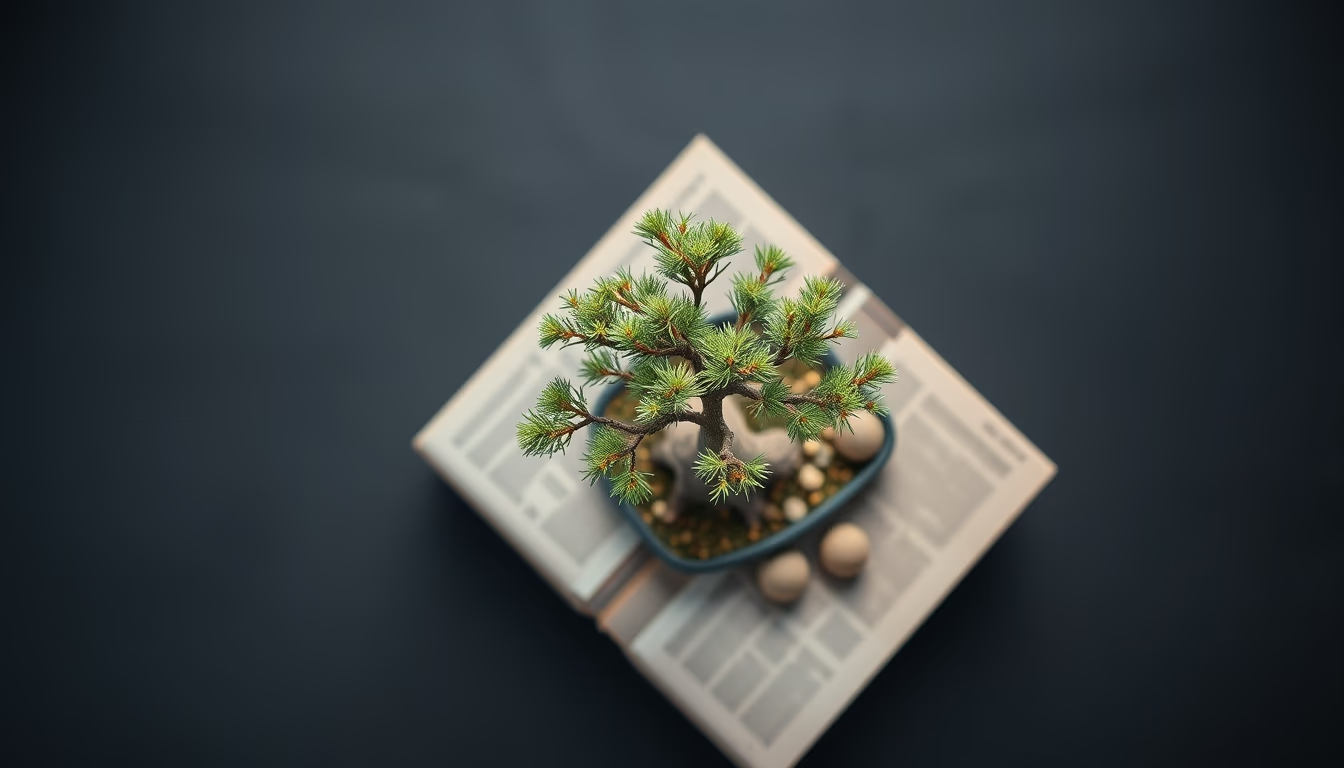
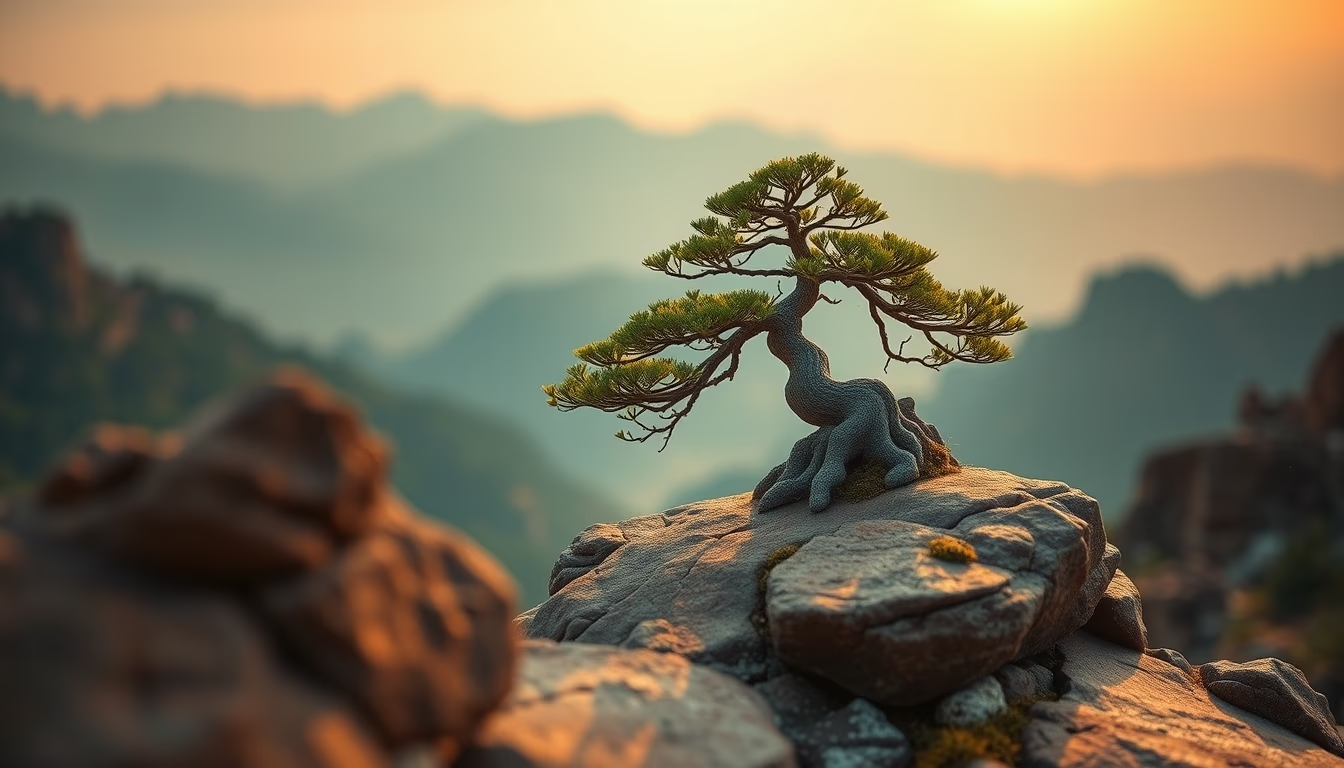
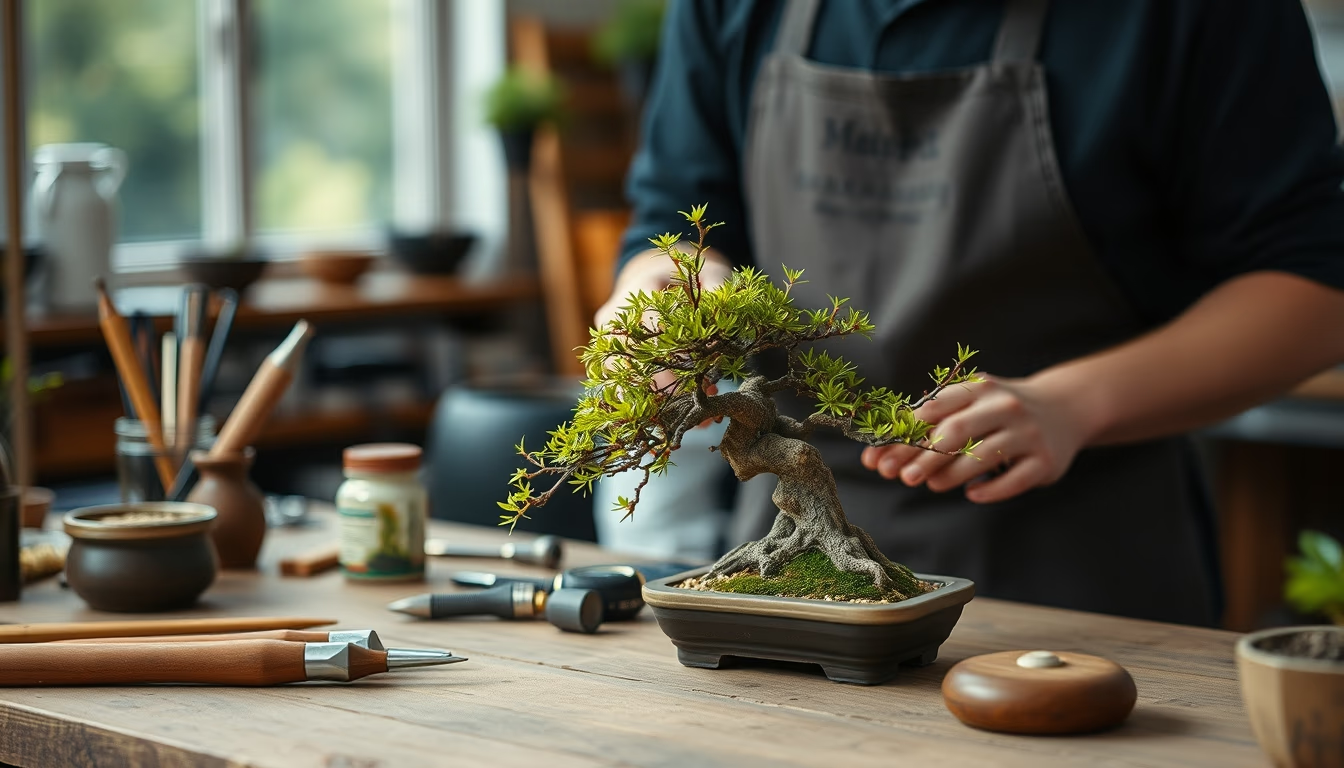
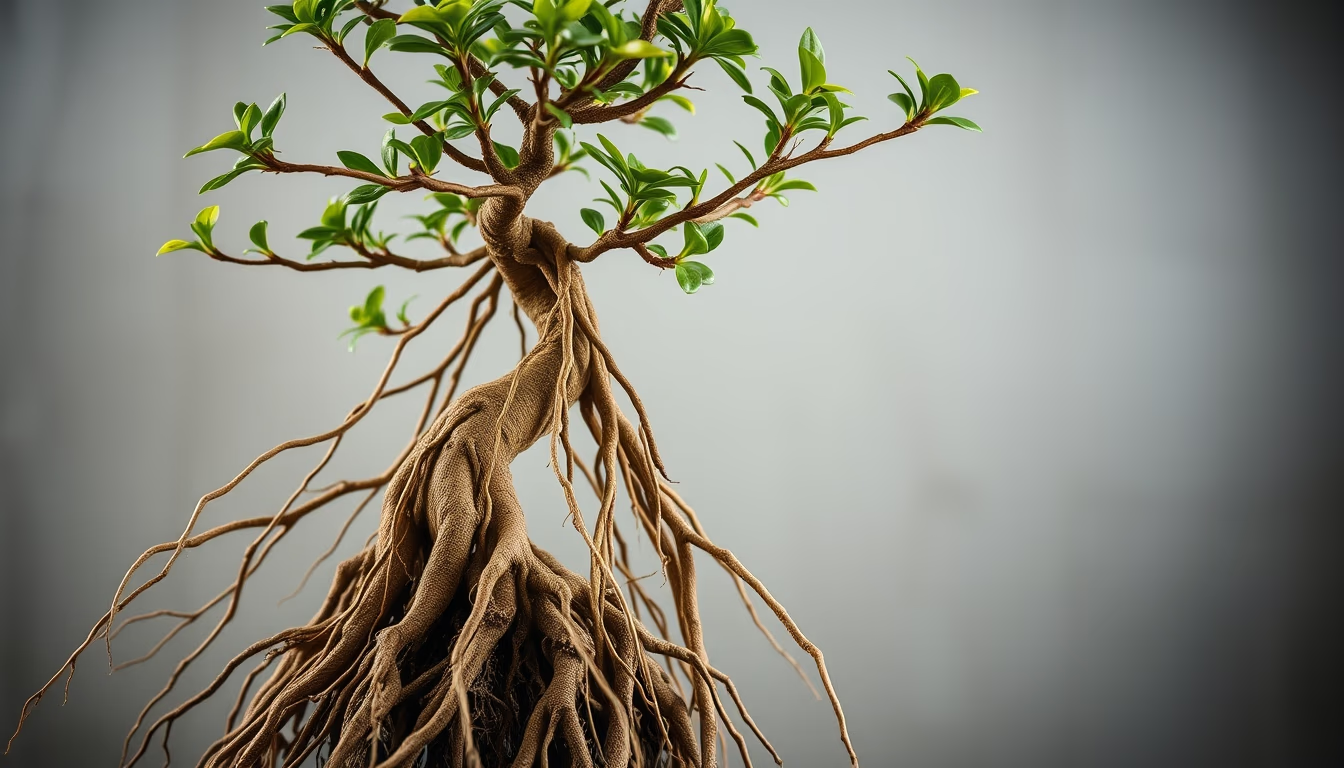
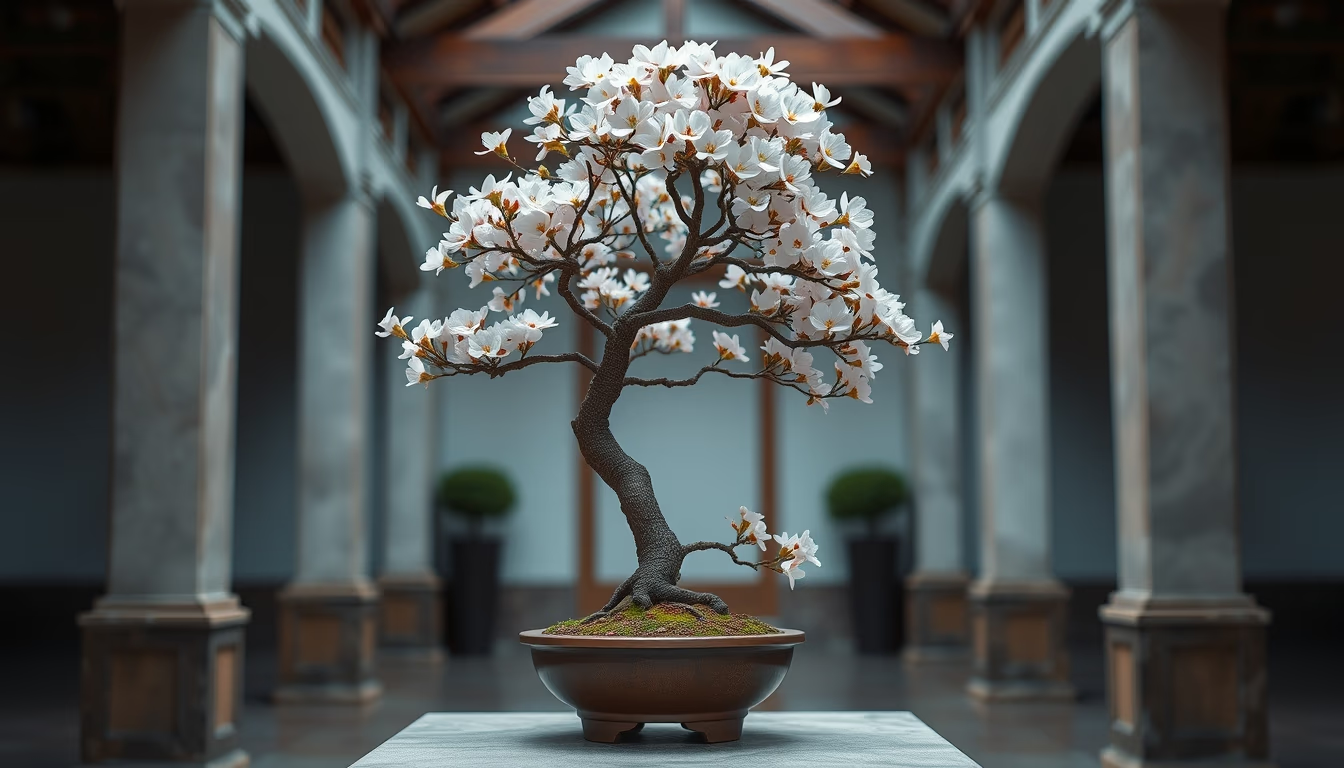
The juniper bonsai is a miniature tree combining ancient cultivation techniques with the natural aesthetics of hardy conifers.
About this subject
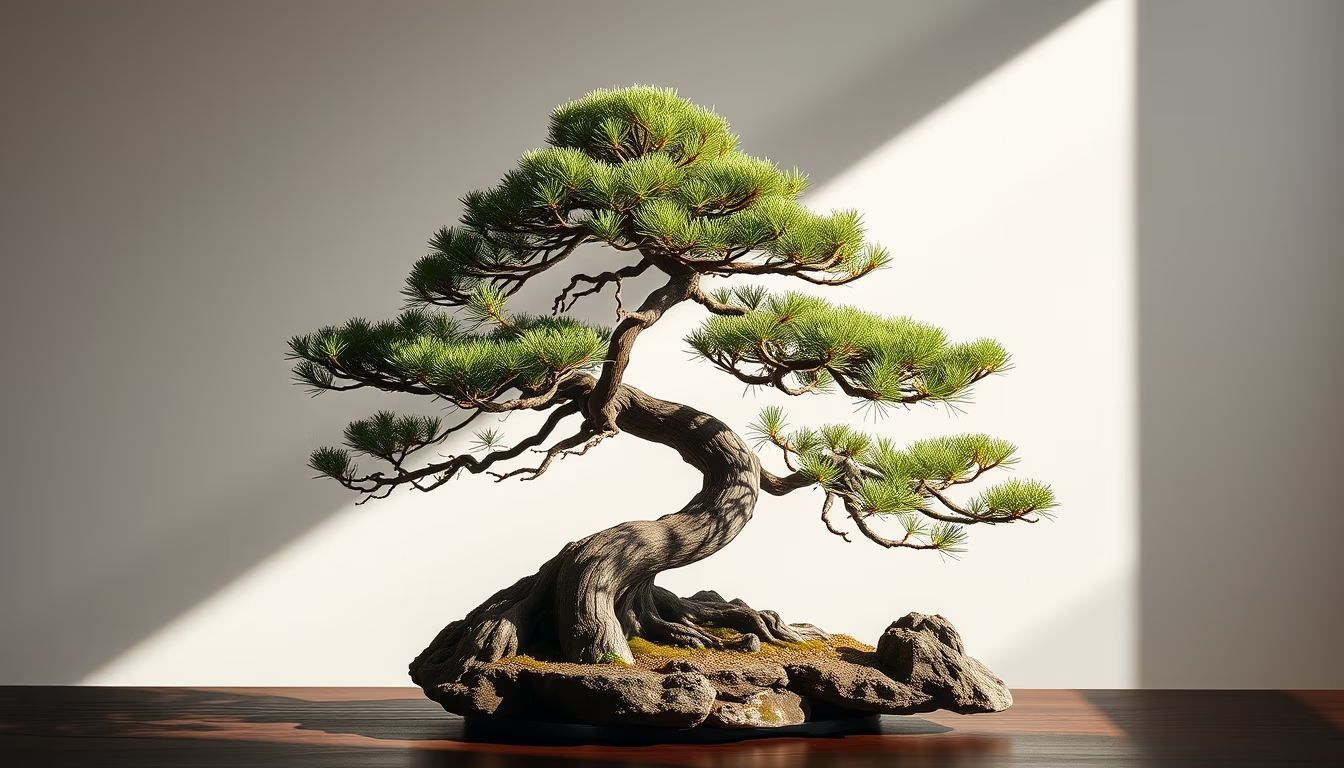
Juniper (genus Juniperus) is one of the most popular species for bonsai art, prized for its sculptural form and hardiness. Native to temperate regions of the Northern Hemisphere, including Japan, China, and North America, this conifer adapts well to pruning and wiring. Its needle-like or scale-like leaves, depending on the variety, allow for dramatic shapes that evoke ancient trees in miniature.
Bonsai practice originated in China over a thousand years ago, but it was in Japan that it became a philosophical art. Juniper symbolizes longevity, strength, and resilience, commonly featured in exhibitions and collections. Several cultivars are used for bonsai, such as Juniperus chinensis (Chinese juniper) and Juniperus procumbens (creeping juniper). Techniques like jin (intentional deadwood) and shari (removed bark to simulate aging) are often applied to enhance the natural and dramatic look.
Cultivation requires specific care: juniper prefers full sun, well-drained soil, and moderate watering, as it does not tolerate waterlogging. Pruning should be done in spring and fall, while wiring is more effective in winter when the plant is dormant. In cold climates, the bonsai needs protection from severe frost, but many varieties are hardy and survive outdoors year-round. A well-maintained juniper bonsai can live for over 100 years, passed down through generations.
Interesting note: in Japan, there are juniper specimens over 500 years old, preserved in temples and palaces. Bonsai exhibitions follow strict presentation rules, including ceramic pots that complement the tree's shape. For beginners, juniper is recommended for its tolerance to cultivation mistakes, but still requires dedication to achieve the desired sculptural appearance.
Frequently Asked Questions
What is the best time to prune a juniper bonsai?
Pruning should be done in spring and fall, when the plant is actively growing and can recover quickly. Avoid pruning in winter to prevent weakening the tree.
How often should I water a juniper bonsai?
Water when the top layer of soil feels dry, usually every 1 to 3 days in summer and less frequently in winter. Overwatering can cause root rot.
Can a juniper bonsai be kept indoors?
It is not recommended. Juniper needs direct sunlight and external temperature variation to thrive. Prolonged indoor cultivation leads to weakening and death.
Direct URL
https://pub-c7d6a6ea828543ac903a74a341ccb2e1.r2.dev/imagens/bonsai-juniper-sculptural-isometric-flat-lay-fresh8.avifHow to credit
Include a visible link back to UtilizAí. Copy one of the snippets below:
<a href="https://xn--utiliza-eza.com/en/midia/imagens/bonsai-juniper-sculptural-isometric-flat-lay-fresh8">Bonsai juniper sculptural</a> by <a href="https://xn--utiliza-eza.com">UtilizAí</a>, licensed under <a href="https://creativecommons.org/licenses/by/4.0/">CC BY 4.0</a>.
[Bonsai juniper sculptural](https://xn--utiliza-eza.com/en/midia/imagens/bonsai-juniper-sculptural-isometric-flat-lay-fresh8) by [UtilizAí](https://xn--utiliza-eza.com), CC BY 4.0
License: CC-BY-4.0