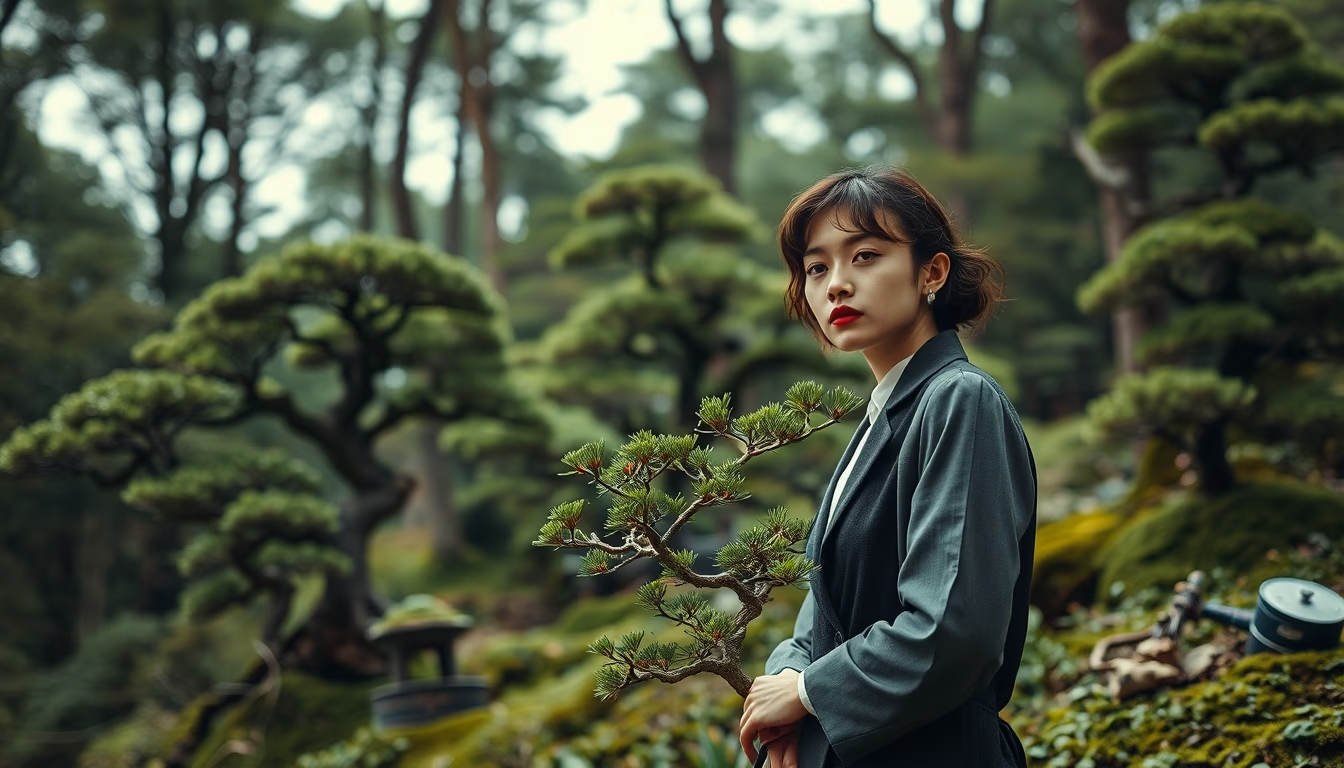
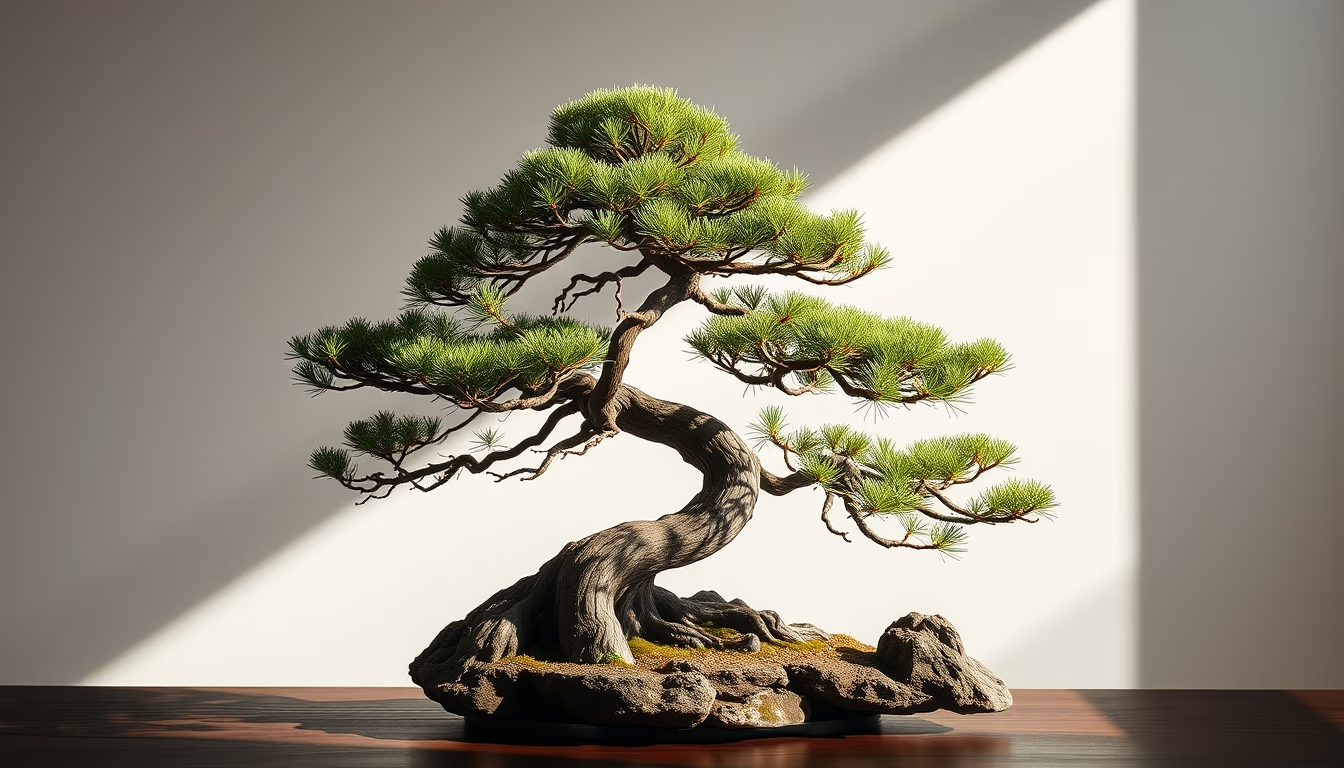
Bonsai juniper sculptural
1344×768 · AVIF · CC BY 4.0
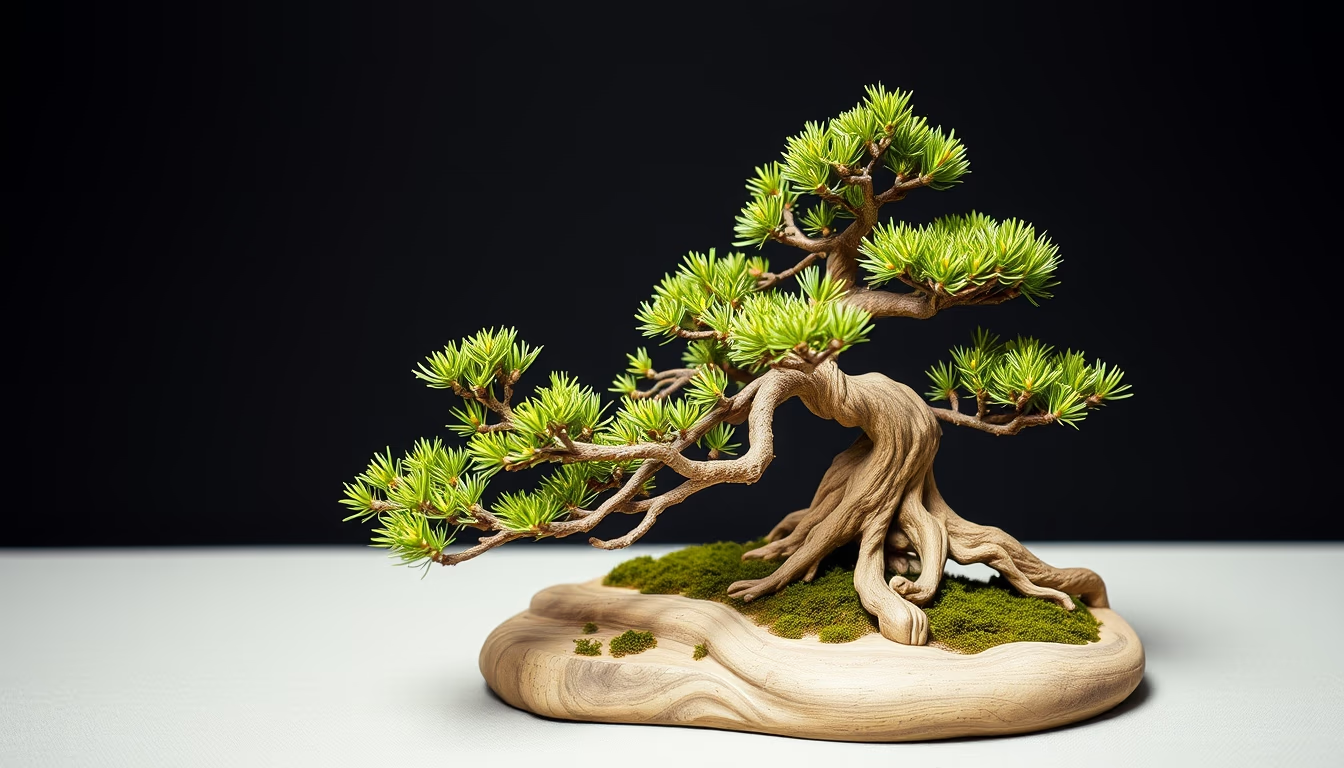
Sculptural juniper bonsai: an ancient art transforming trees into natural miniatures, blending technique and patience.
About this subject
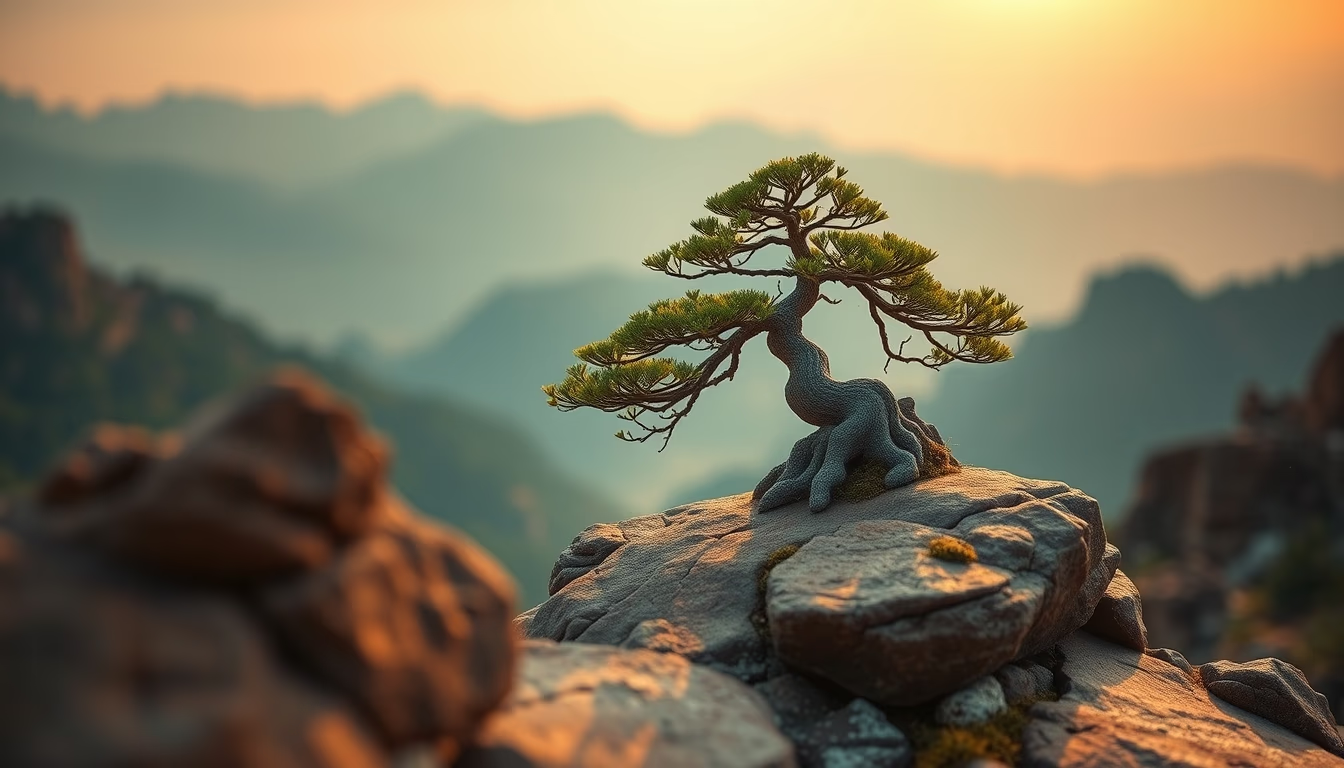
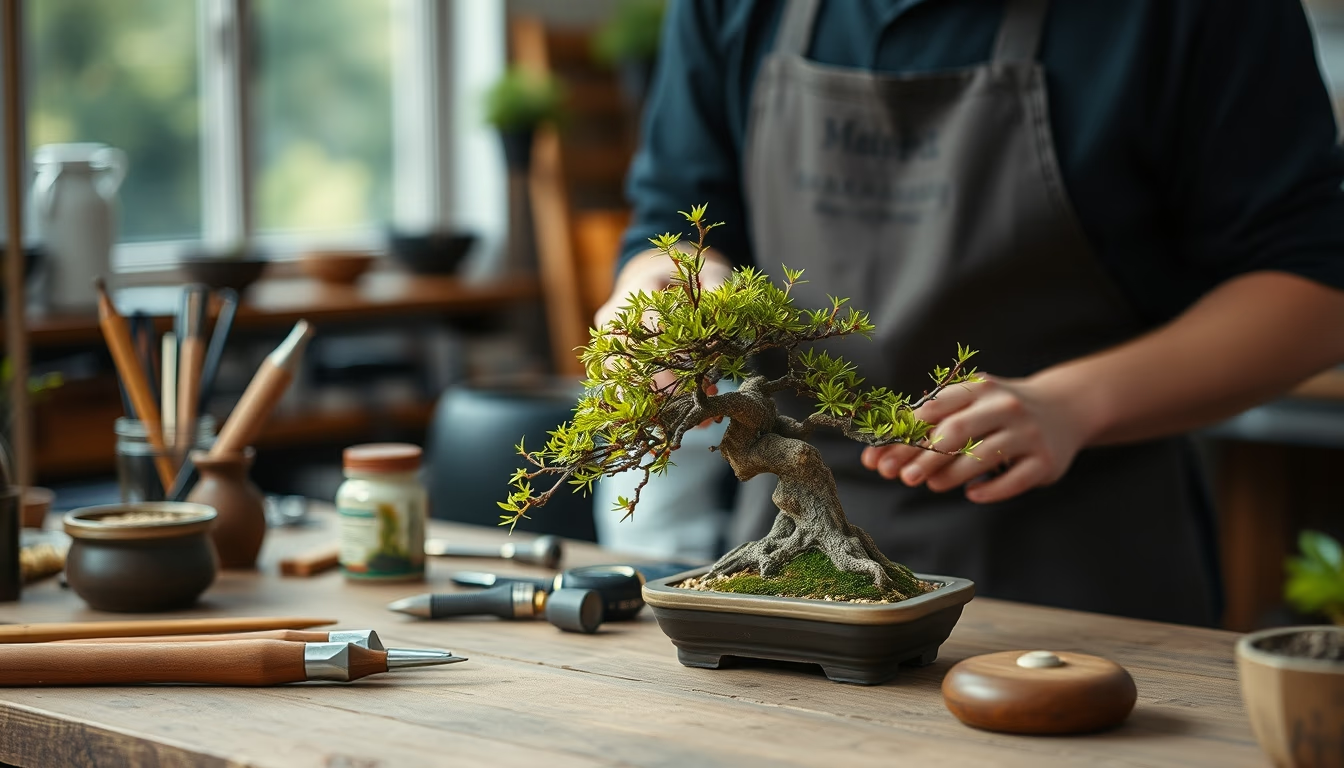
The juniper bonsai, especially varieties like Juniperus chinensis and Juniperus procumbens, is one of the most popular species in the bonsai world due to its hardiness and adaptability to pruning and shaping. Originating in China and later refined in Japan, the cultivation of junipers as bonsai dates back centuries, valued for their rough bark, dark green needles, and trunks that can be twisted into sculptural forms. The sculpting technique involves wiring, careful pruning, and branch removal to create the illusion of an ancient tree in miniature, often mimicking trees growing in harsh mountain conditions.
A striking feature of juniper is its ability to develop jin (dead, whitened branches) and shari (dead bark on the trunk), which enhance the sense of age and drama. These elements are achieved through bark removal and weathering techniques requiring deep knowledge of plant physiology. Juniper is also known for its longevity: well-maintained specimens can live for decades or even centuries, passed down through generations. In Japan, some juniper bonsai are considered national treasures, with estimated ages of over 500 years.
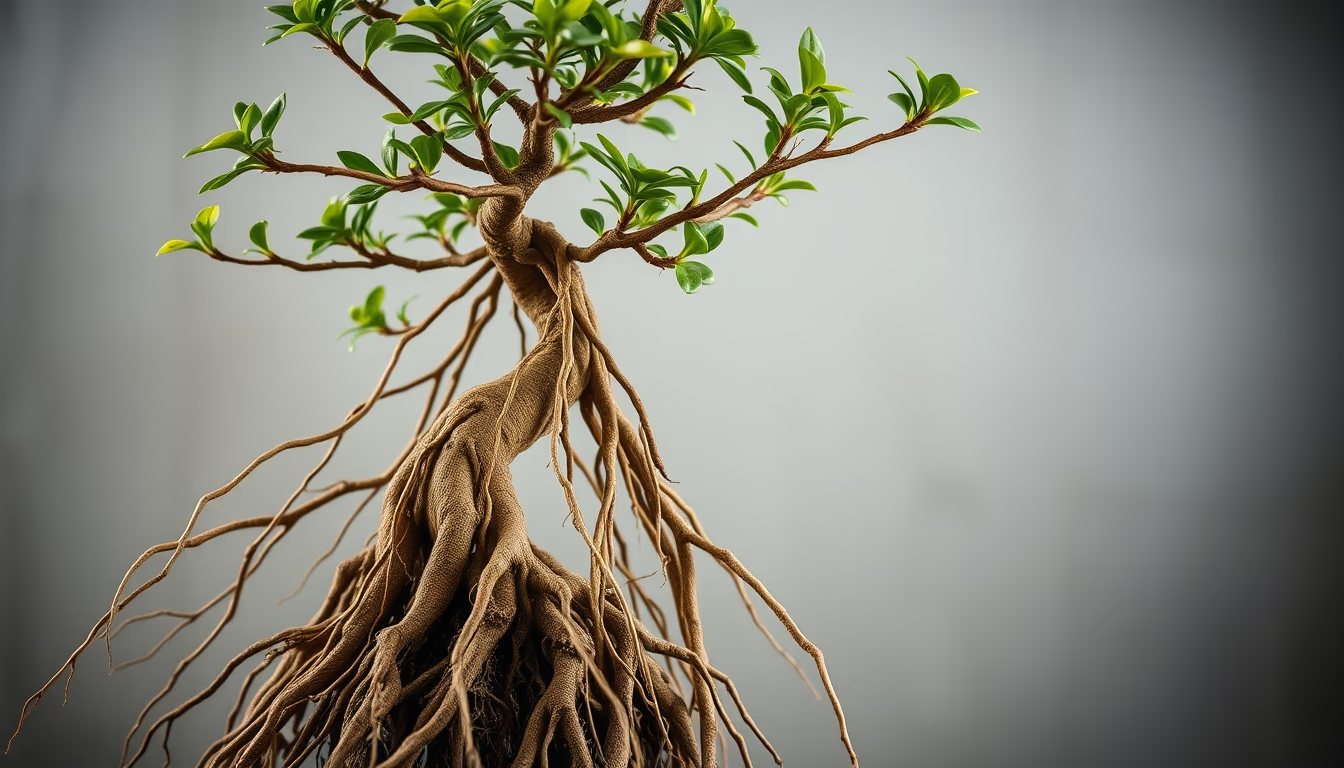
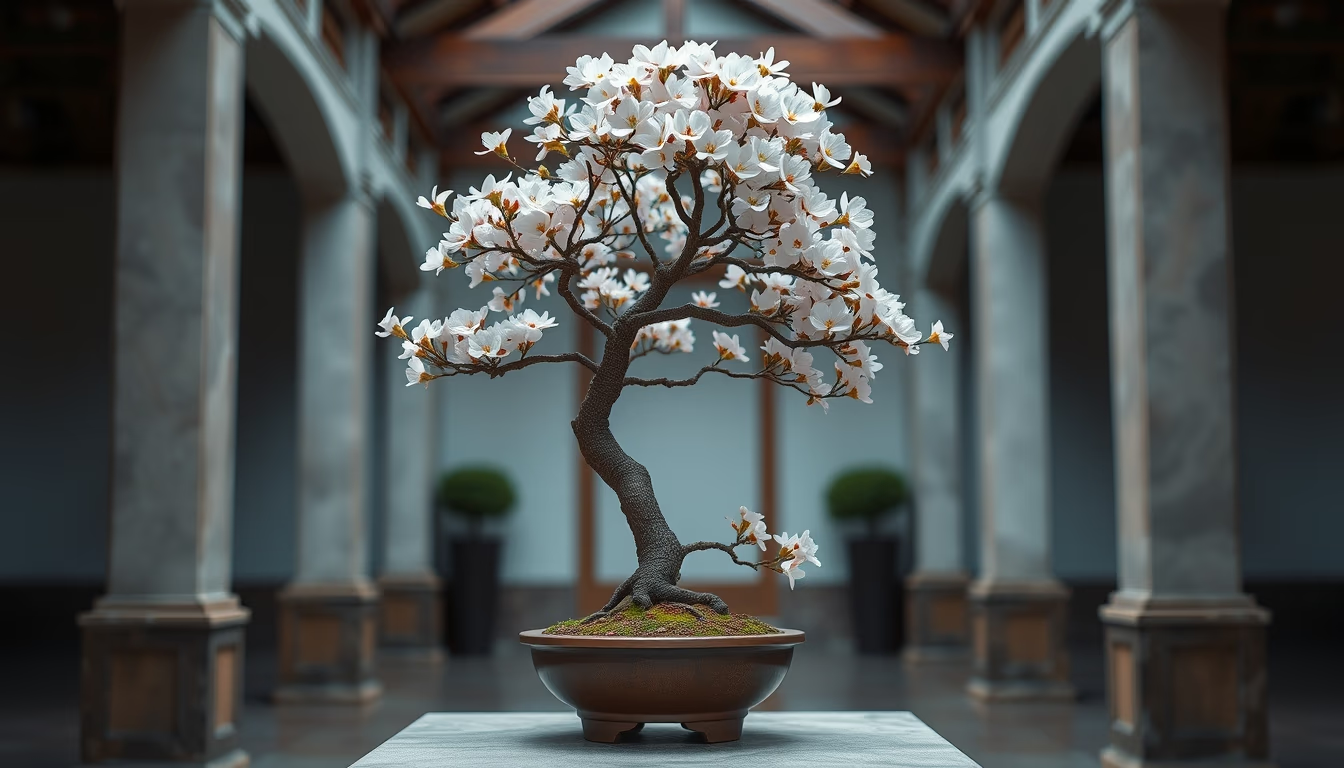
In cultivation, juniper prefers full sun and well-drained soil, being moderately cold-hardy. Watering should be moderate to avoid waterlogging, and fertilization during spring and autumn helps maintain health. Constant pruning is essential to preserve the sculptural shape, and every two to three years, root pruning is necessary during repotting. Additionally, the choice of pot is important to complement the composition: rectangular or oval pots in neutral colors enhance the tree's form. The juniper bonsai is a living representation of harmony between nature and art, requiring dedication and patience from its caretaker.
Frequently Asked Questions
How to care for a juniper bonsai?
Juniper needs full sun (at least 4 hours daily), well-drained soil, and moderate watering only when the soil is dry. Perform maintenance pruning in spring and autumn, and fertilize every 20-30 days during active growth.
What are jin and shari in juniper bonsai?
Jin are dead, debarked branches that turn whitish, while shari is dead bark removed from parts of the trunk. Both techniques simulate weathering and give the tree an aged appearance.
How long does a juniper bonsai live?
With proper care, a juniper bonsai can live for decades or centuries. In Japan, specimens over 500 years old are known. Longevity depends on regular maintenance and suitable environmental conditions.
Direct URL
https://pub-c7d6a6ea828543ac903a74a341ccb2e1.r2.dev/imagens/bonsai-juniper-sculptural-film-grain-authentic-fresh4.avifHow to credit
Include a visible link back to UtilizAí. Copy one of the snippets below:
<a href="https://xn--utiliza-eza.com/en/midia/imagens/bonsai-juniper-sculptural-film-grain-authentic-fresh4">Bonsai juniper sculptural</a> by <a href="https://xn--utiliza-eza.com">UtilizAí</a>, licensed under <a href="https://creativecommons.org/licenses/by/4.0/">CC BY 4.0</a>.
[Bonsai juniper sculptural](https://xn--utiliza-eza.com/en/midia/imagens/bonsai-juniper-sculptural-film-grain-authentic-fresh4) by [UtilizAí](https://xn--utiliza-eza.com), CC BY 4.0
License: CC-BY-4.0