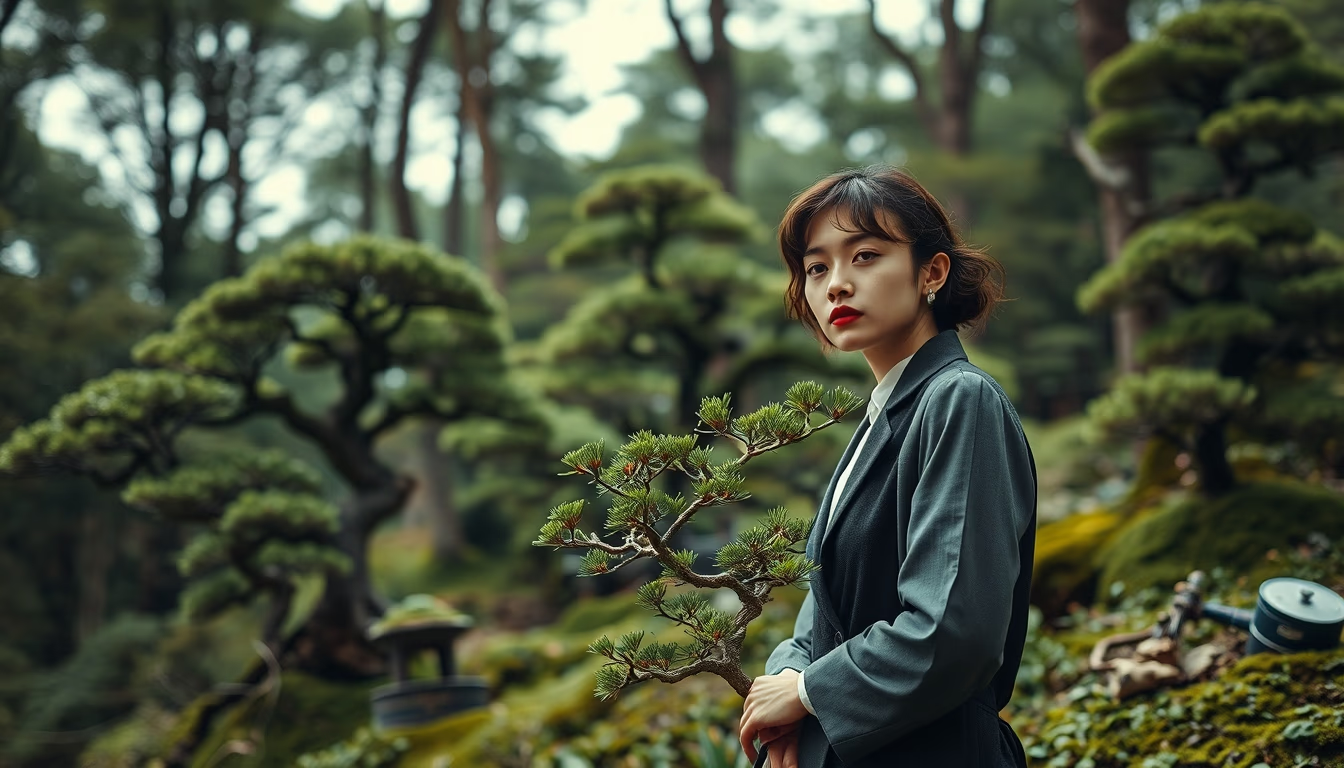
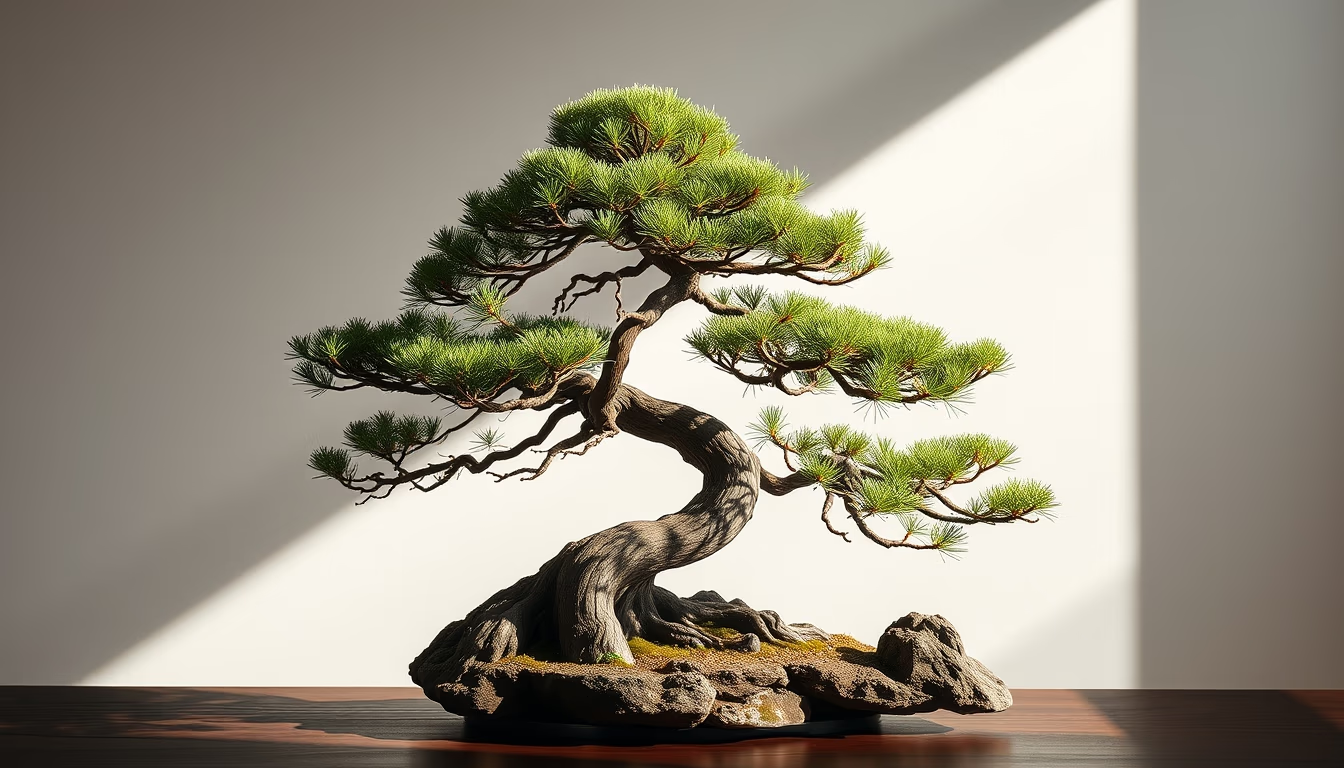
Bonsai juniper sculptural
1344×768 · AVIF · CC BY 4.0
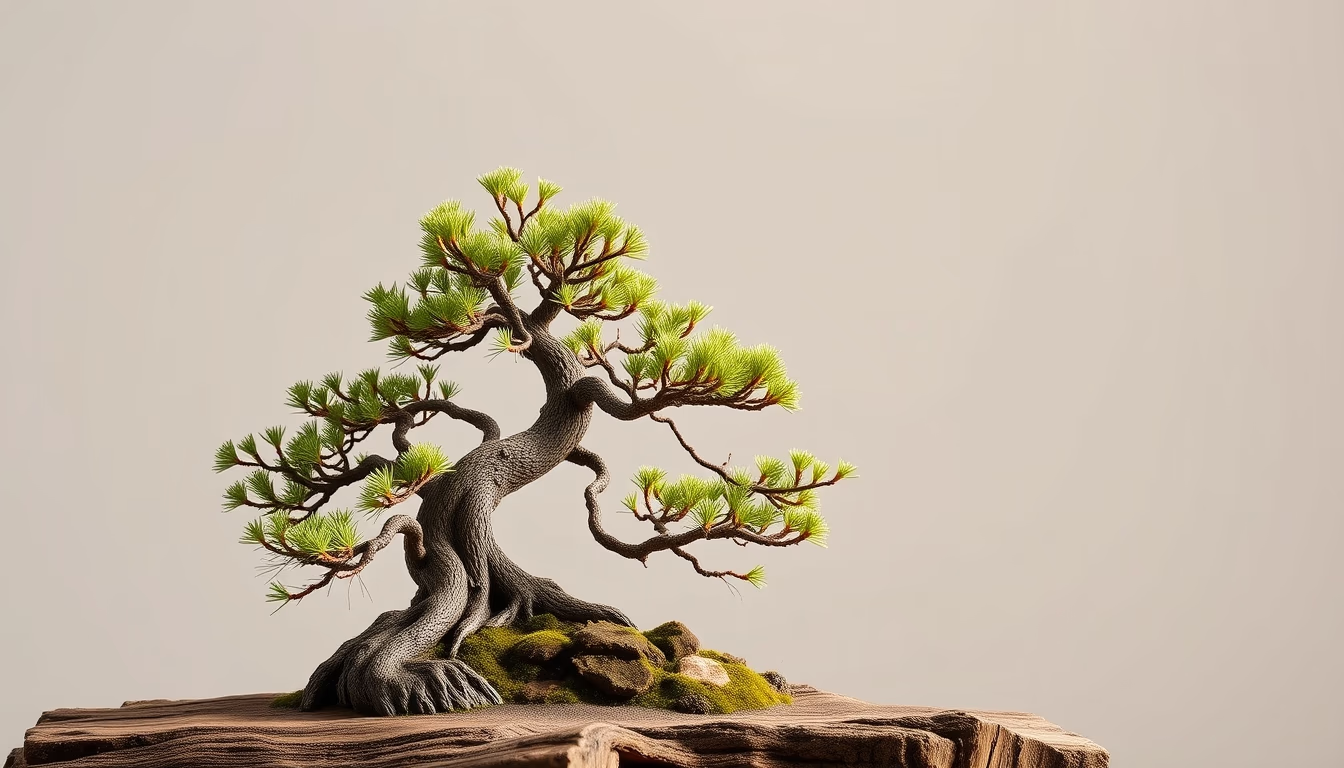
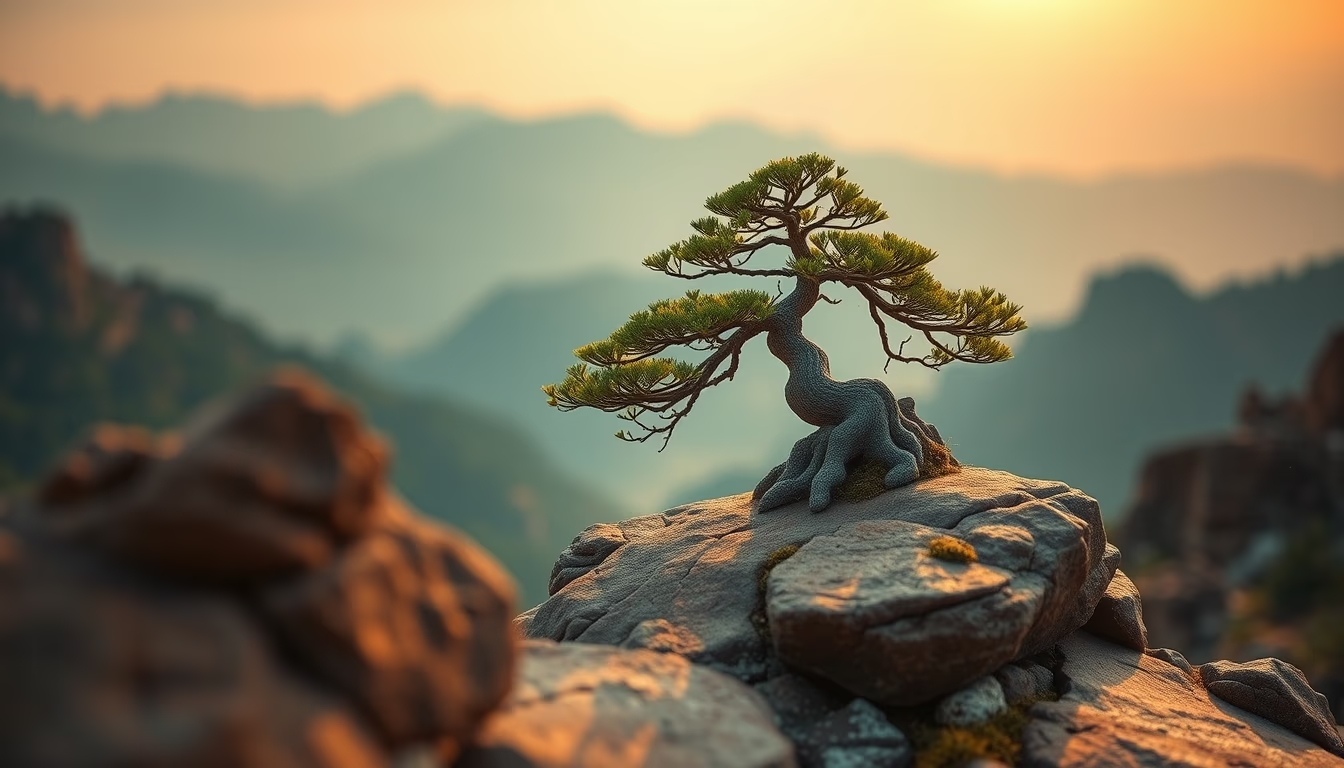
The juniper bonsai is a miniature tree that combines ancient cultivation techniques with natural aesthetics, representing resilience and living art.
About this subject
The Juniperus, commonly known as juniper, is one of the most popular species in bonsai art due to its hardiness, flexibility, and longevity. Native to temperate regions of the Northern Hemisphere, this conifer genus includes hundreds of varieties, such as Juniperus chinensis and Juniperus procumbens 'Nana', which are highly prized by enthusiasts.
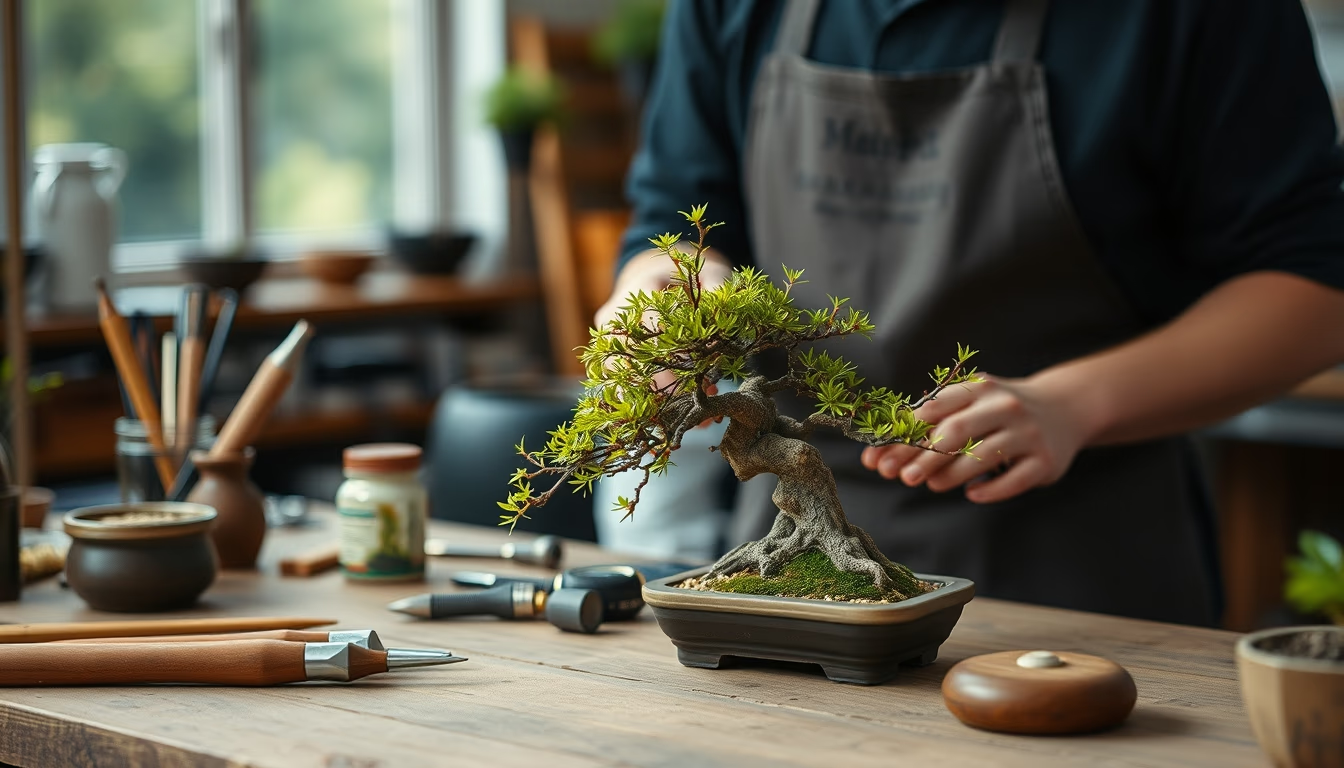
Sculpting techniques in juniper bonsai often employ methods like jin (removing bark to simulate dead wood) and shari (longitudinal cuts on the trunk to create an aged effect). These procedures, performed with specialized tools, mimic the harsh conditions the tree would face in nature, such as strong winds and poor soil. The resulting aesthetic values asymmetry, balance, and the appearance of an ancient, wise tree.
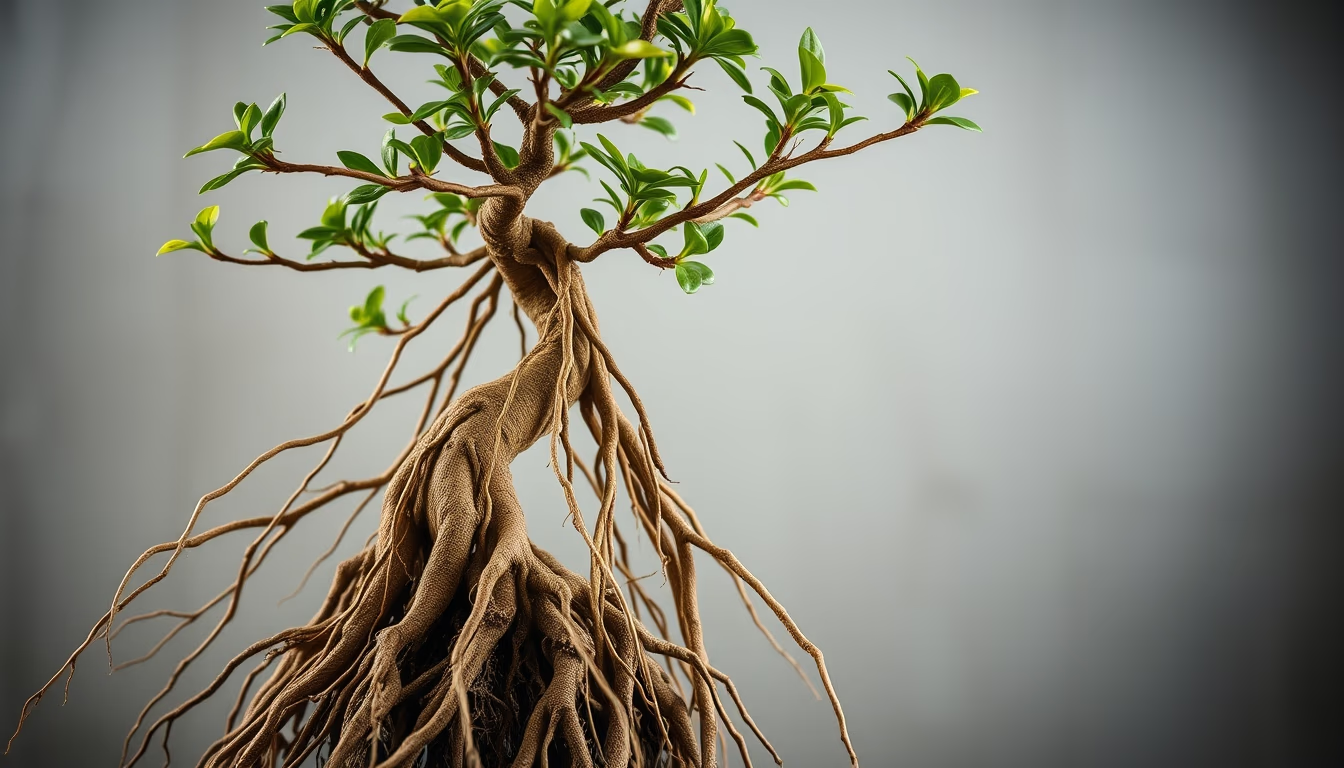
To keep a juniper healthy, it is essential to provide direct sunlight for at least 4 hours daily, well-drained soil, a mix of akadama, pumice, and pine bark is common, and moderate watering, avoiding waterlogging. Pruning of branches and roots should be done in late winter or early spring, while pinching new growth helps maintain compact shape. Fertilizing with a balanced fertilizer every 15 days during the active growing season is also recommended.
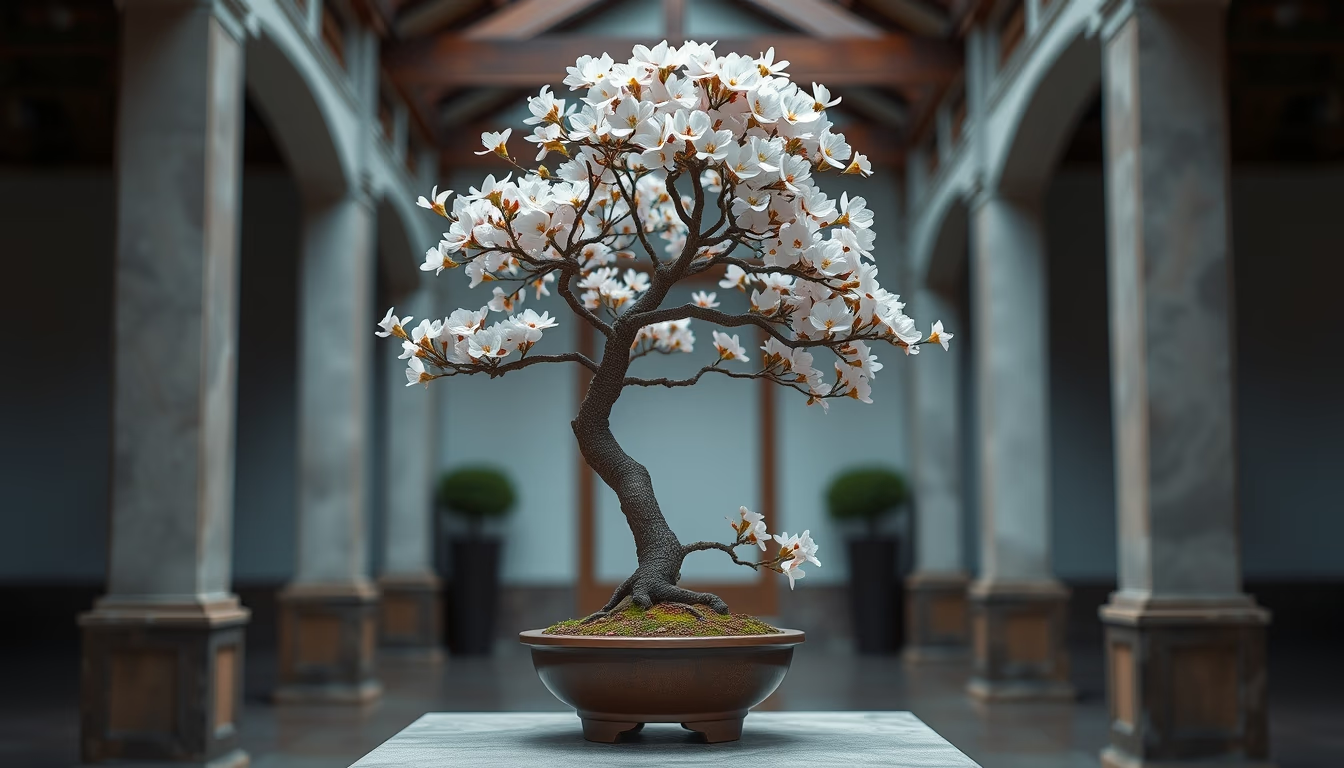
Culturally, the juniper bonsai symbolizes strength, perseverance, and harmony with nature. In Japan, it is common to gift these plants as a wish for longevity and good luck. Moreover, the practice of shaping a juniper over decades or even centuries reflects patience and appreciation for the passage of time, making each specimen a unique living work of art.
Frequently Asked Questions
How often should I water a juniper bonsai?
Water when the soil surface begins to dry out, typically every 1 to 2 days in summer and every 3 to 5 days in winter. It is crucial not to overwater, as junipers are prone to root rot.
How long does it take to shape a sculptural juniper bonsai?
Basic shaping can take 3 to 5 years to achieve a satisfactory initial form, but continuous sculpting with techniques like jin and shari can last decades. Patience is essential, as the true aesthetic maturity of a juniper bonsai is reached after 10 to 20 years of dedicated care.
What are the main pest prevention tips for a juniper bonsai?
Common pests include spider mites, aphids, and scale insects. To prevent them, ensure good air circulation, avoid excessive moisture, and inspect leaves and branches regularly. If infested, use neem oil or insecticidal soap diluted in water, applying in the afternoon to prevent sunburn.
Direct URL
https://pub-c7d6a6ea828543ac903a74a341ccb2e1.r2.dev/imagens/bonsai-juniper-sculptural-documentary-nature-style-fresh1.avifHow to credit
Include a visible link back to UtilizAí. Copy one of the snippets below:
<a href="https://xn--utiliza-eza.com/en/midia/imagens/bonsai-juniper-sculptural-documentary-nature-style-fresh1">Bonsai juniper sculptural</a> by <a href="https://xn--utiliza-eza.com">UtilizAí</a>, licensed under <a href="https://creativecommons.org/licenses/by/4.0/">CC BY 4.0</a>.
[Bonsai juniper sculptural](https://xn--utiliza-eza.com/en/midia/imagens/bonsai-juniper-sculptural-documentary-nature-style-fresh1) by [UtilizAí](https://xn--utiliza-eza.com), CC BY 4.0
License: CC-BY-4.0