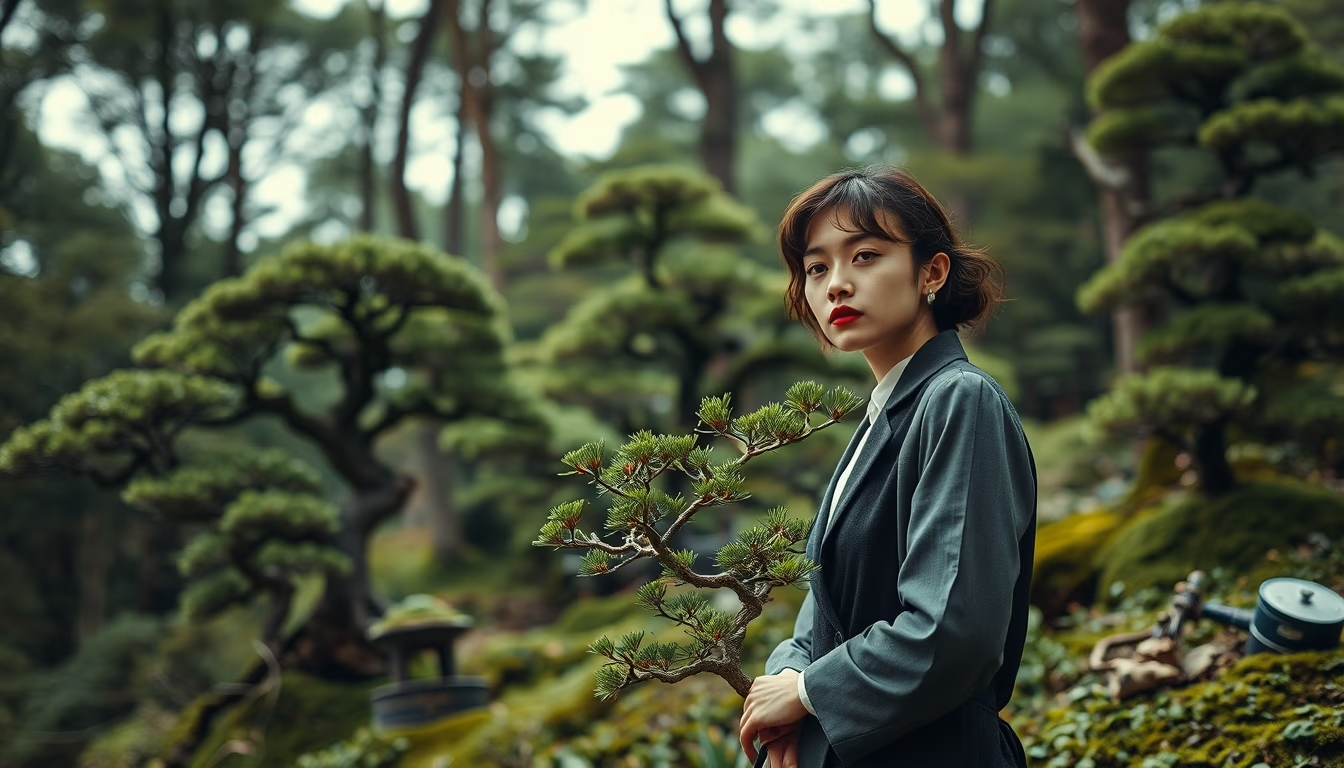
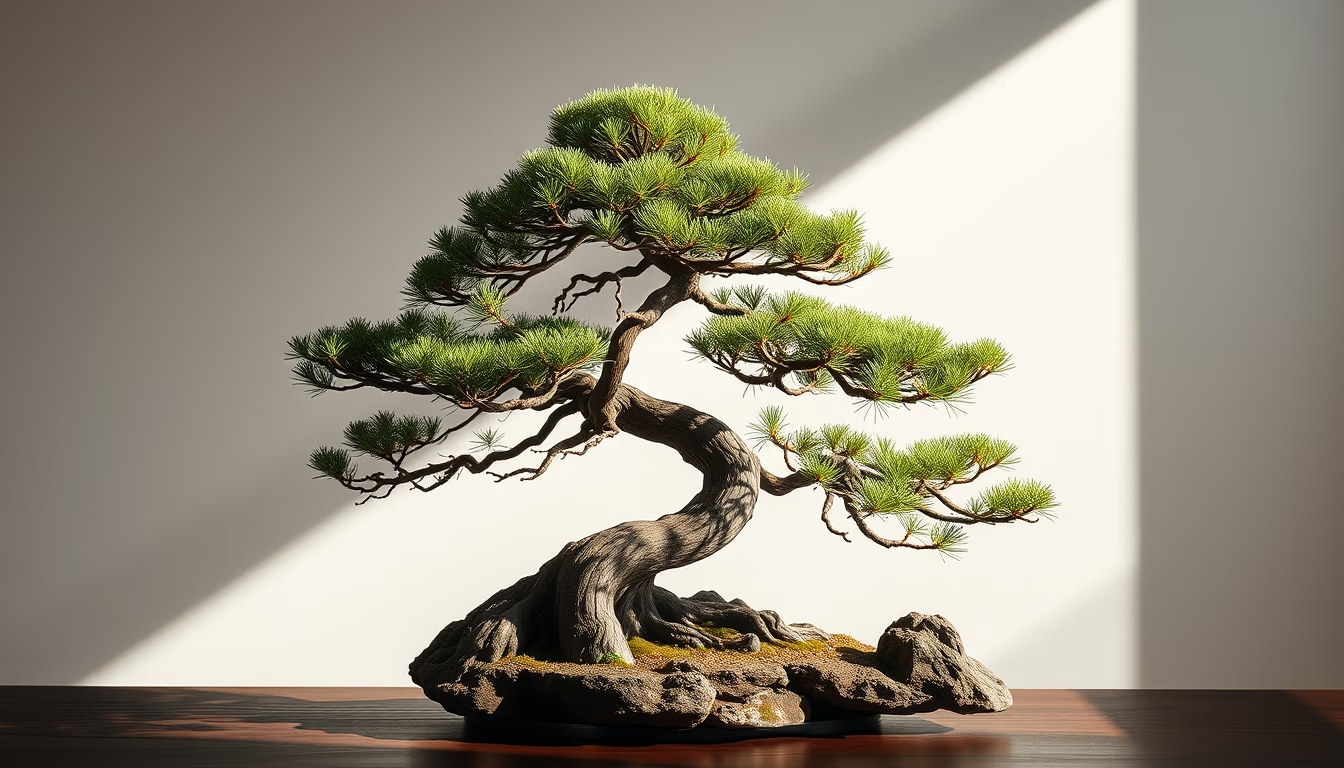
Bonsai juniper sculptural
1344×768 · AVIF · CC BY 4.0
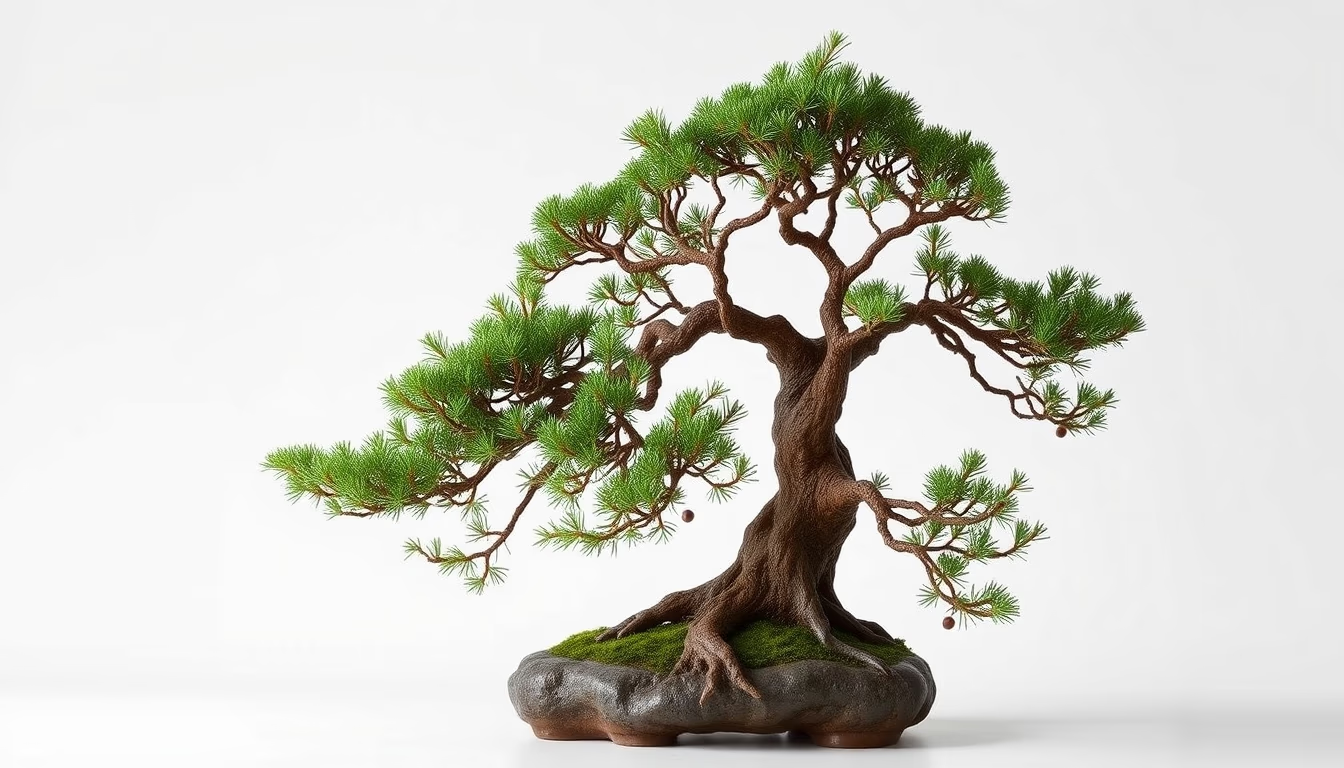
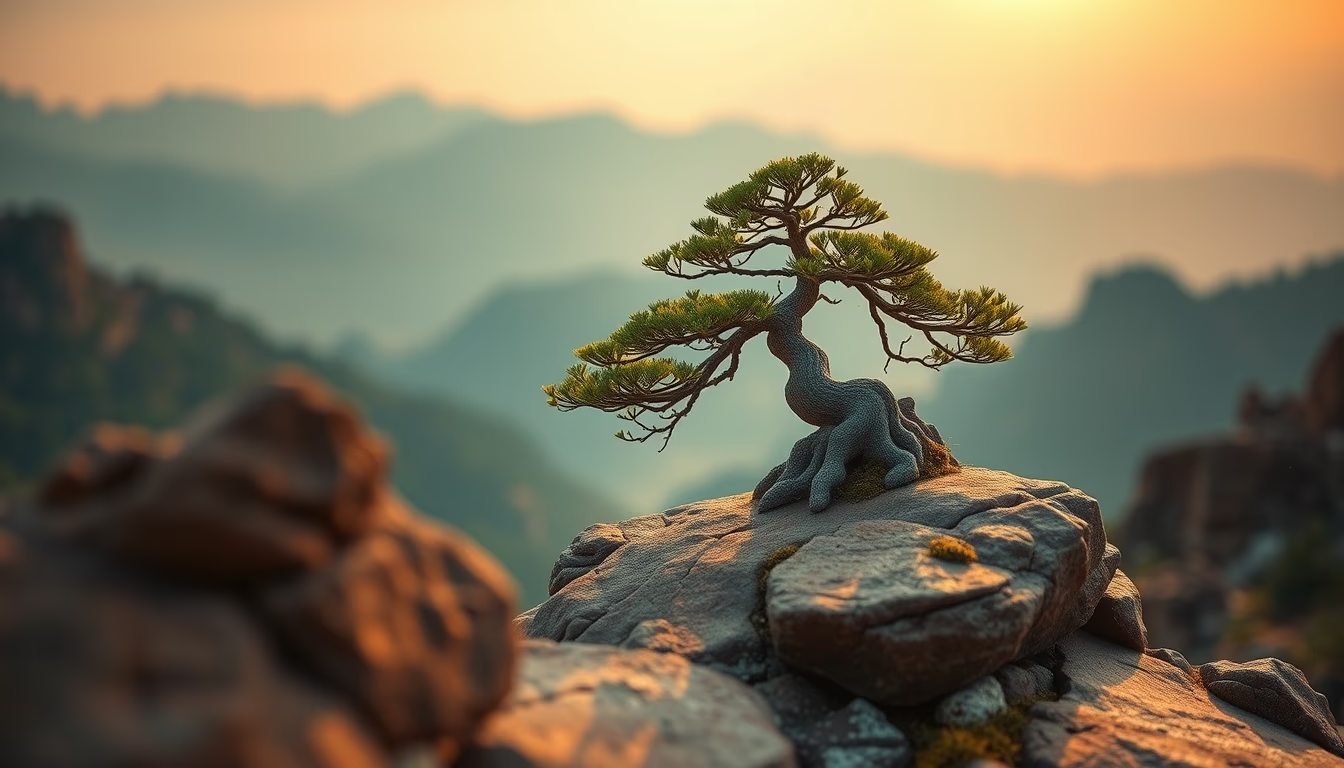
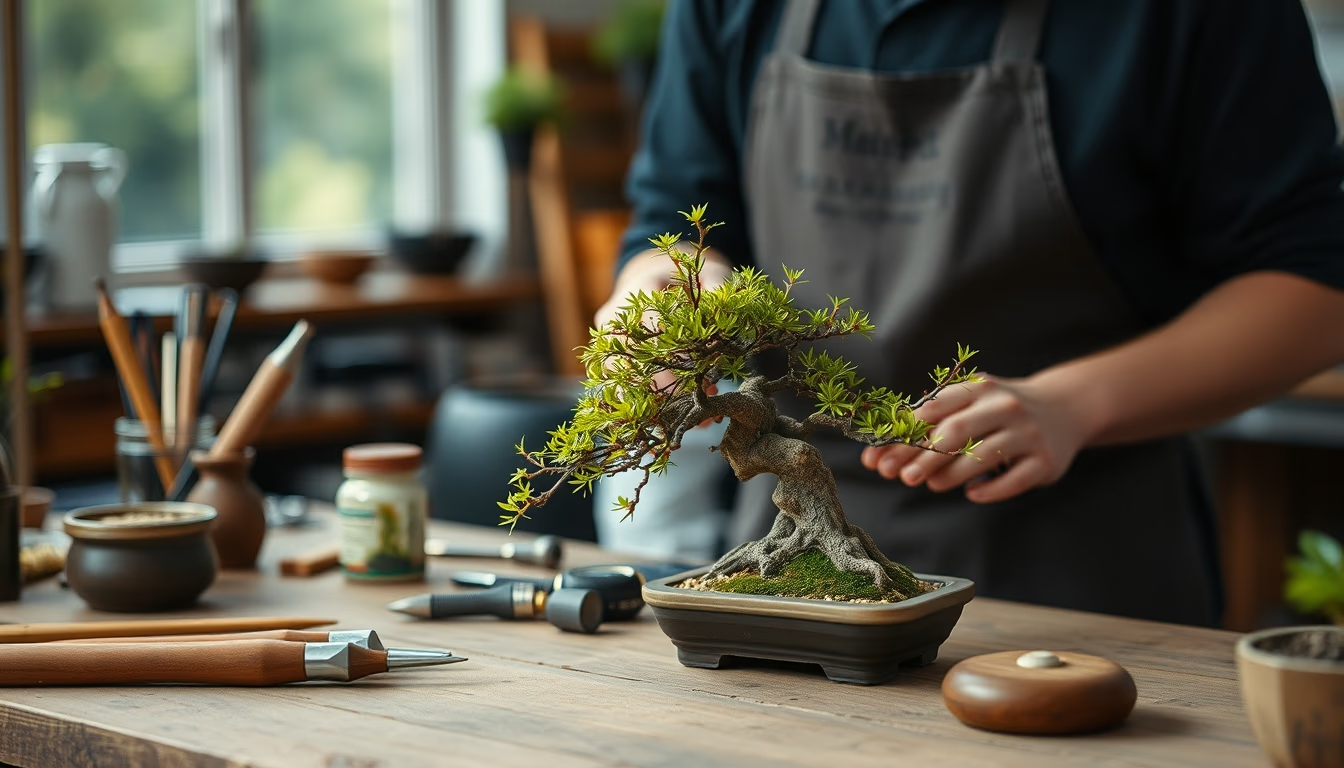
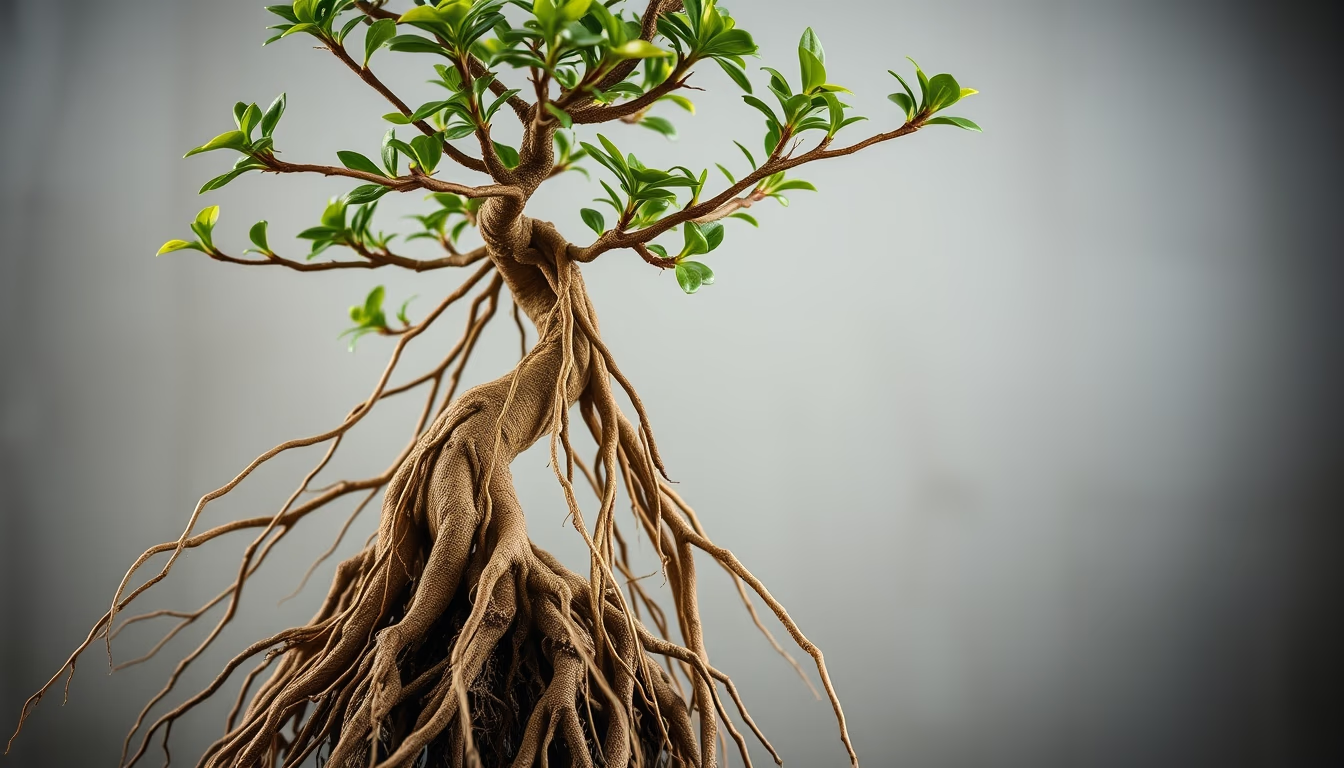
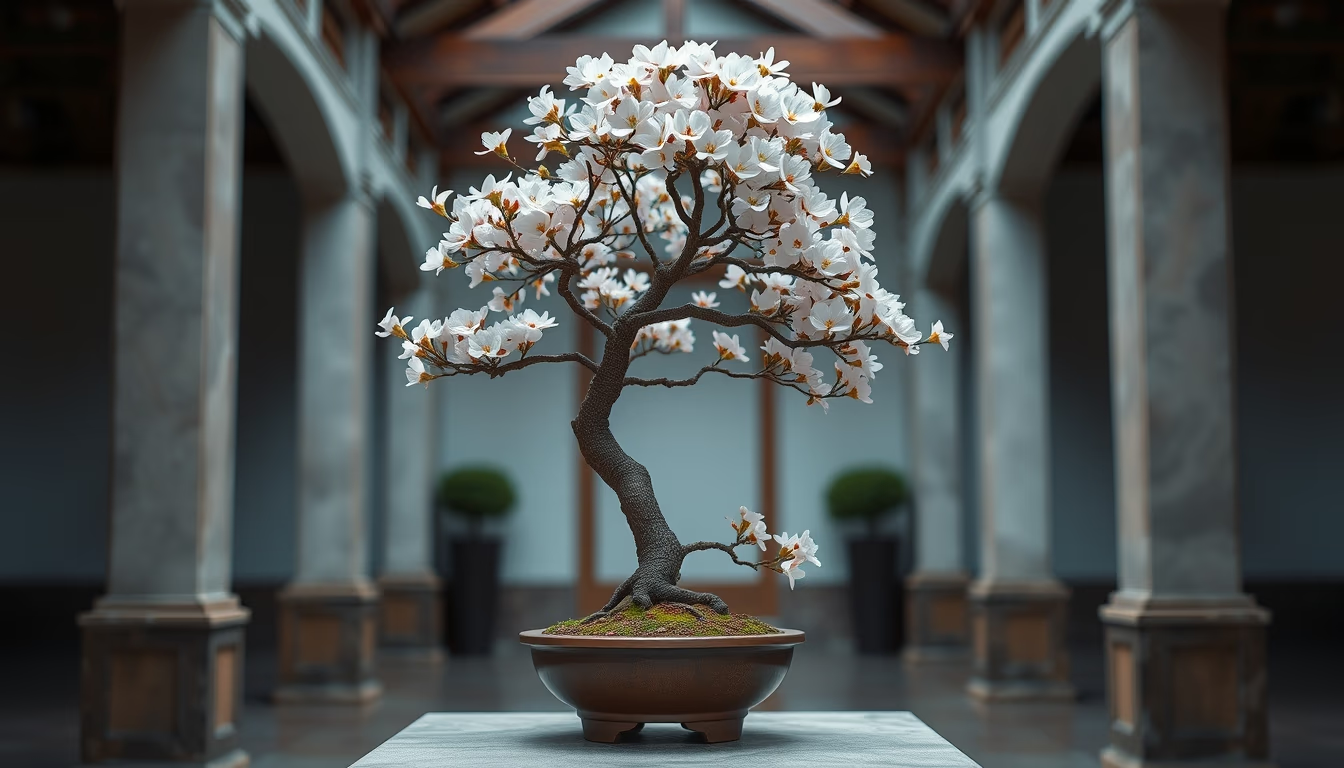
The sculptural juniper bonsai is one of the most iconic forms of the ancient art of bonsai, combining pruning and wiring techniques to create natural and dramatic shapes.
About this subject
Juniper (Juniperus spp.) is one of the most widely used species in bonsai cultivation, especially due to its resilience and adaptability to different styles. In sculptural bonsai, techniques such as jin (removing bark to simulate dead branches) and shari (bark removed from the trunk) are applied to give the specimen an aged, wind-sculpted appearance typical of trees found in high altitudes or rocky coasts. The most common species for this practice is Juniperus chinensis, native to East Asia, but Juniperus procumbens 'Nana' is also popular for its compact size and soft texture. The art of bonsai requires patience: a sculptural specimen can take decades to achieve the desired shape, with regular pruning and wiring to direct branch growth. In Japan, juniper bonsai is often associated with longevity and resilience, being a traditional gift for special occasions. Maintenance requires specific care: juniper needs direct sunlight, well-drained soil, and protection from severe frost. Advanced techniques such as grafting allow correction of structural flaws in the tree. The beauty of sculptural bonsai lies in the balance between human intervention and the plant's natural expression, creating a living artwork that changes with the seasons.
Frequently Asked Questions
What technique is used to sculpt the trunk of a juniper bonsai?
The shari technique involves carefully removing bark from the trunk to expose the wood, creating twisted lines that mimic natural erosion. This should be done gradually to avoid compromising the tree's health.
How often should I prune a sculptural juniper bonsai?
Maintenance pruning can be done in spring and fall, removing unwanted shoots. Structural pruning, which defines the shape, is performed during the dormant period, usually in winter.
Can juniper bonsai be grown indoors?
It is not recommended. Juniper needs direct sunlight and seasonal changes, so it is best kept outdoors. In very cold climates, it can be protected in a cold frame during winter.
Direct URL
https://pub-c7d6a6ea828543ac903a74a341ccb2e1.r2.dev/imagens/bonsai-juniper-sculptural-commercial-product-photography-fresh0.avifHow to credit
Include a visible link back to UtilizAí. Copy one of the snippets below:
<a href="https://xn--utiliza-eza.com/en/midia/imagens/bonsai-juniper-sculptural-commercial-product-photography-fresh0">Bonsai juniper sculptural</a> by <a href="https://xn--utiliza-eza.com">UtilizAí</a>, licensed under <a href="https://creativecommons.org/licenses/by/4.0/">CC BY 4.0</a>.
[Bonsai juniper sculptural](https://xn--utiliza-eza.com/en/midia/imagens/bonsai-juniper-sculptural-commercial-product-photography-fresh0) by [UtilizAí](https://xn--utiliza-eza.com), CC BY 4.0
License: CC-BY-4.0