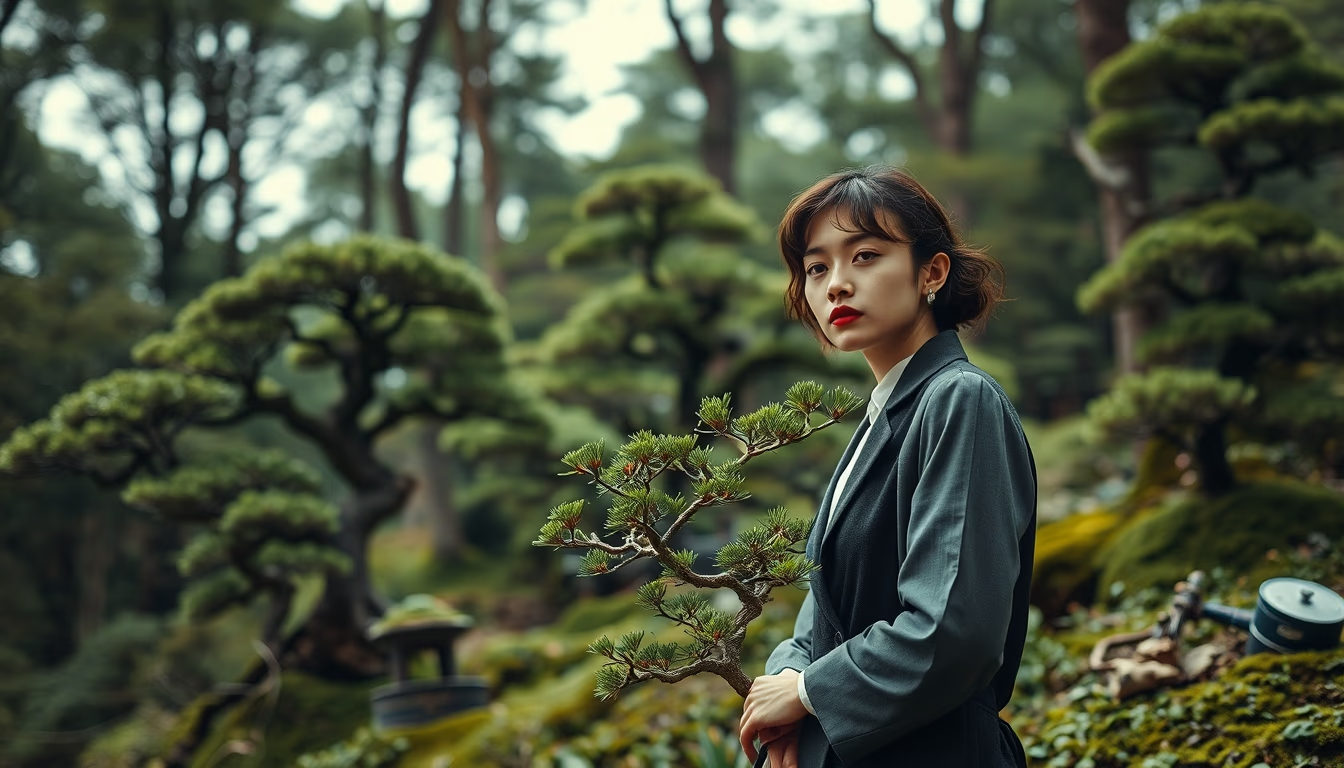
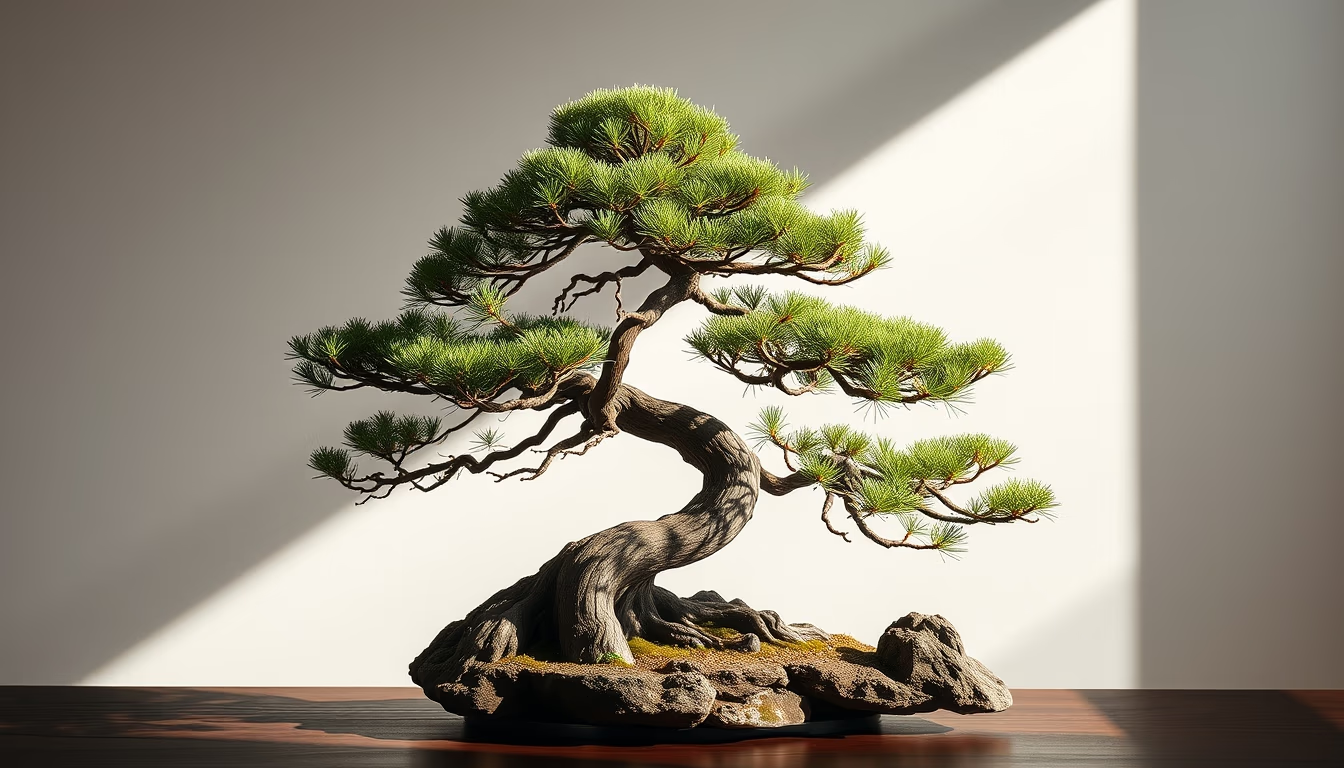
Bonsai forest landscape
1344×768 · AVIF · CC BY 4.0
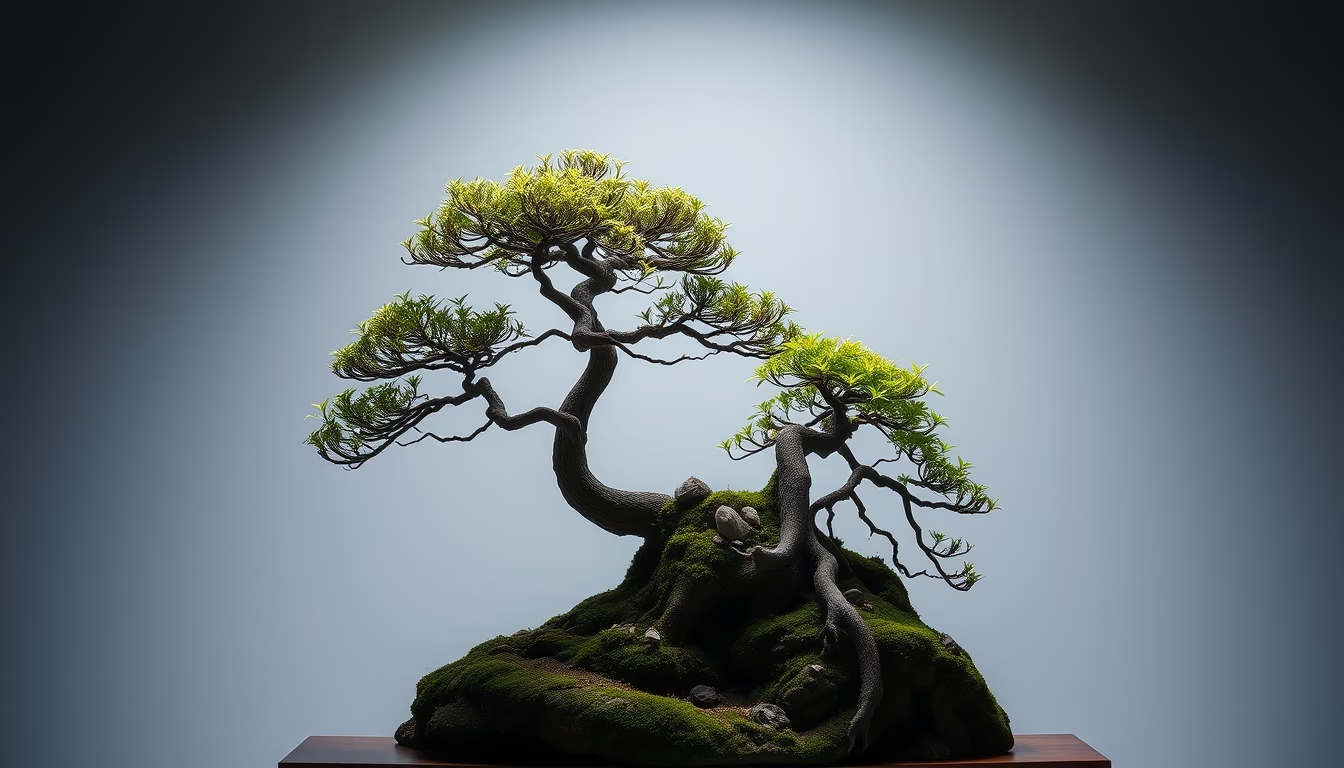
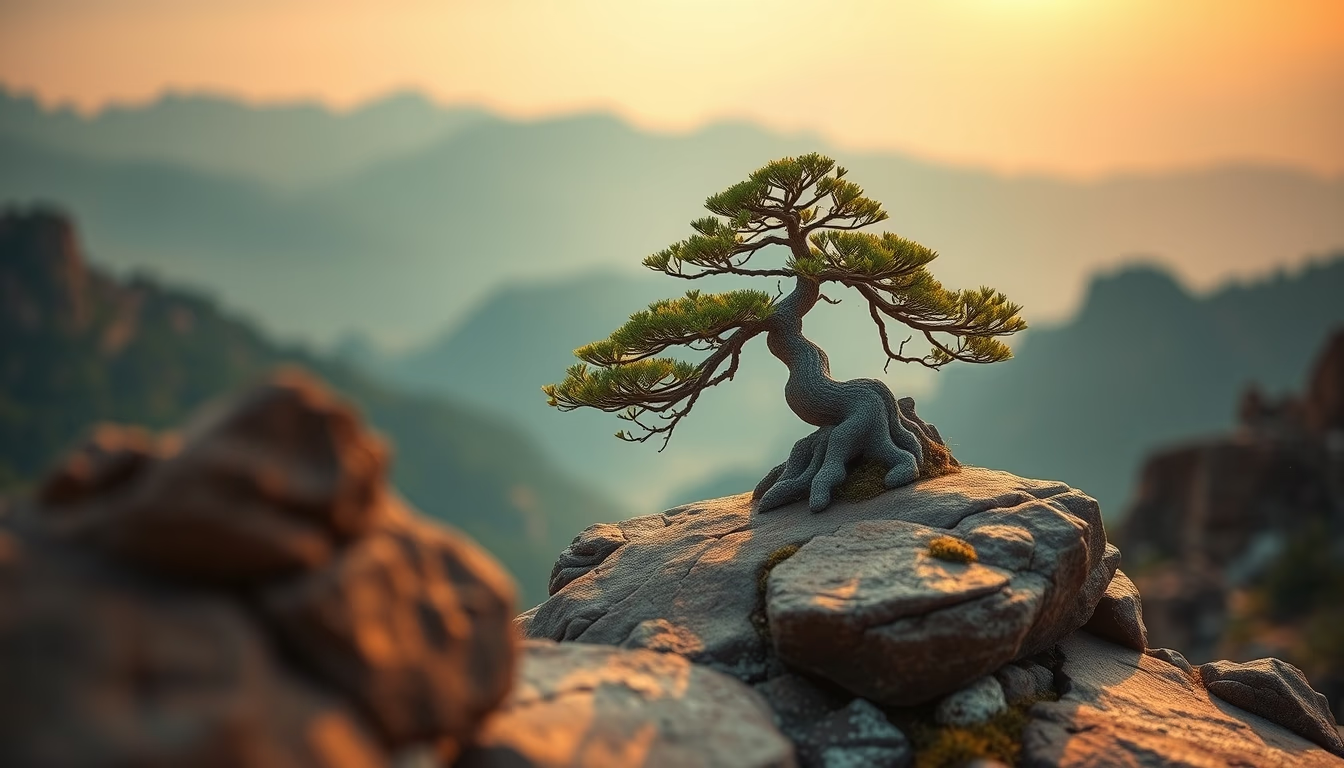
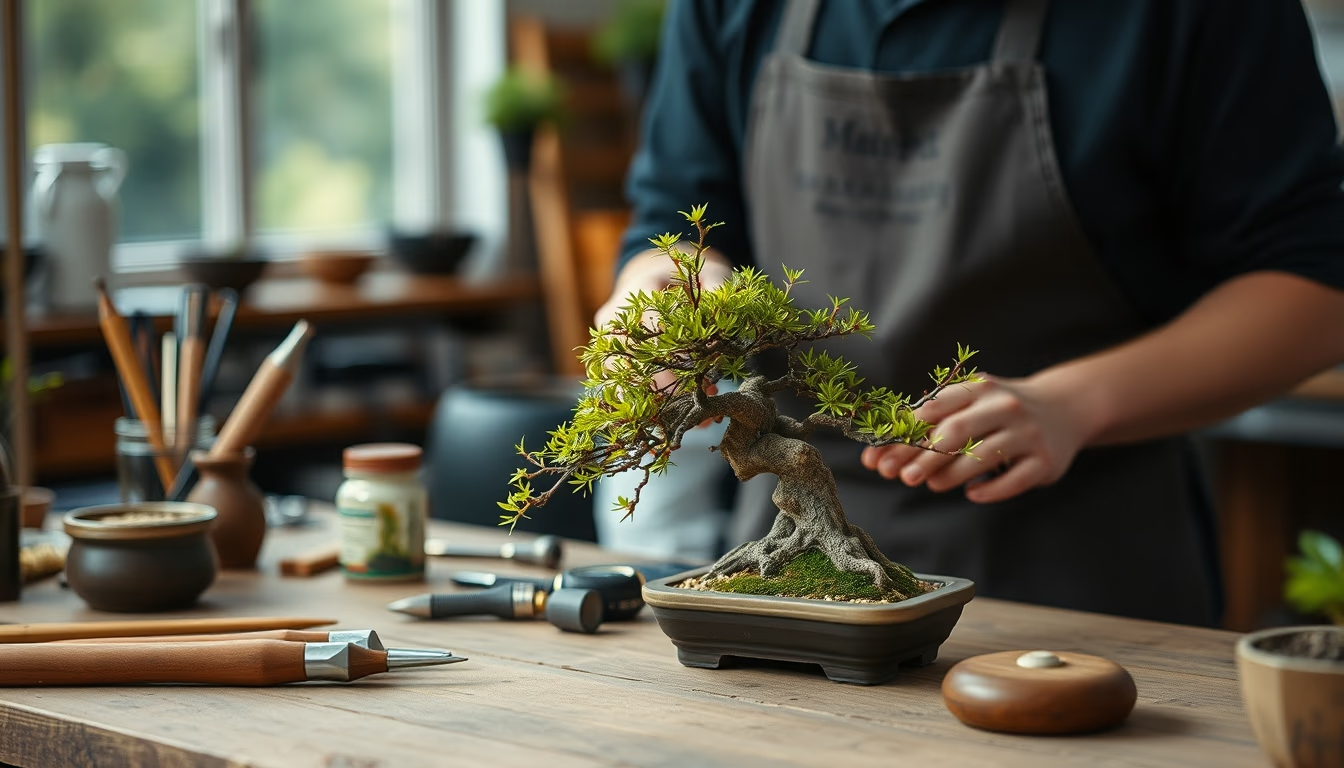
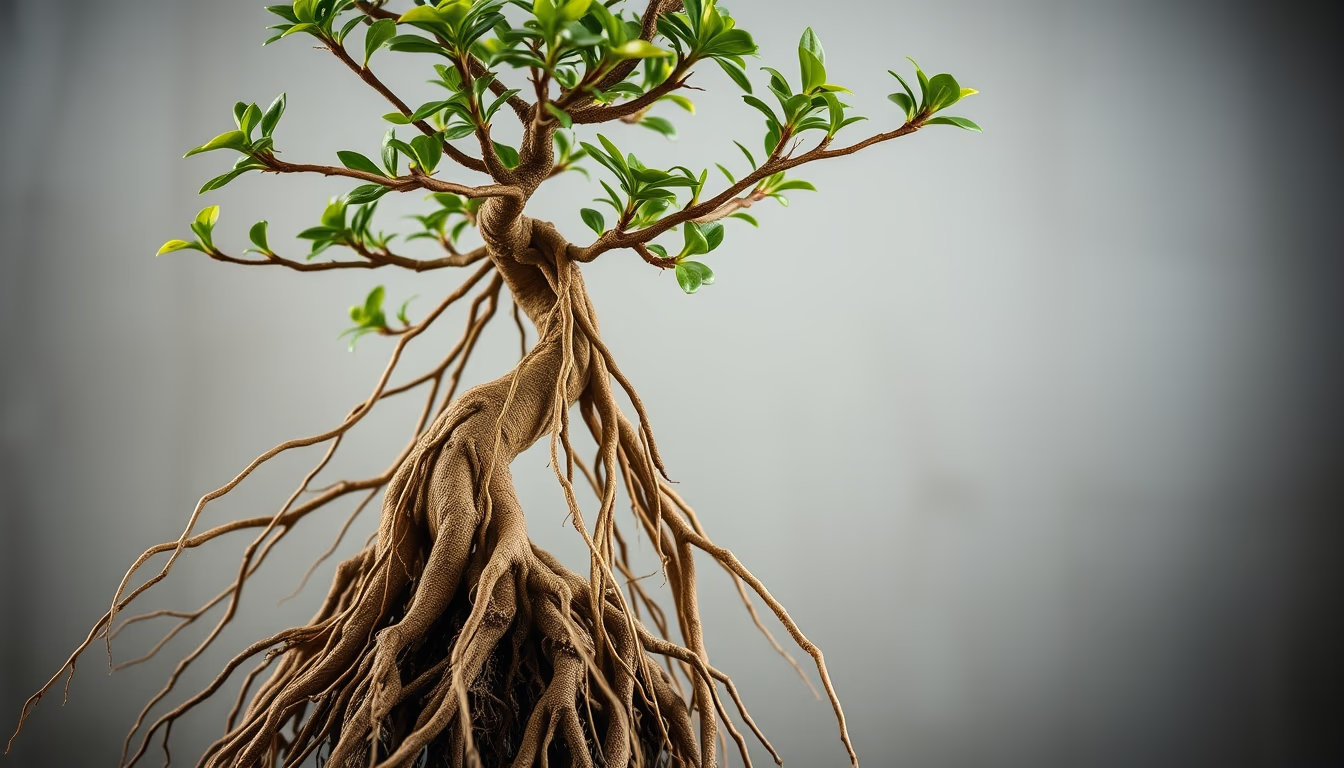
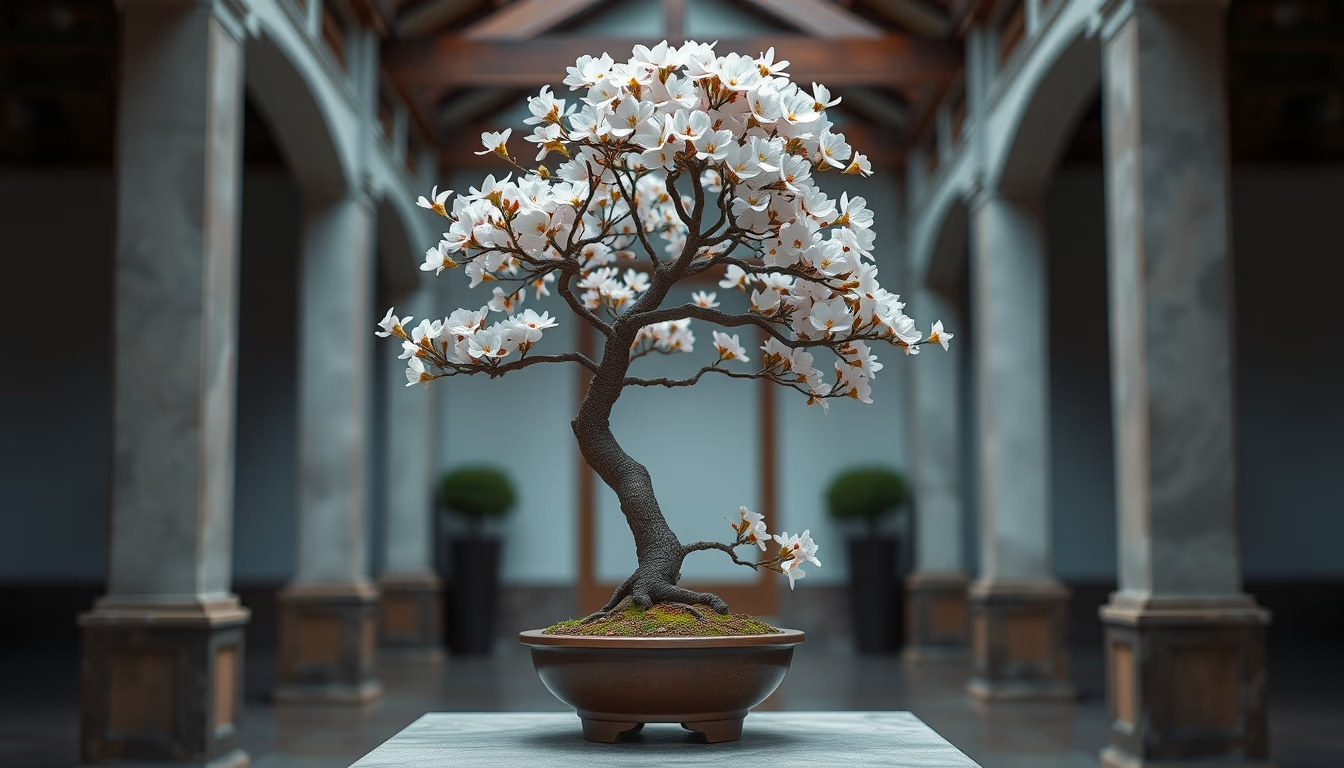
Miniature landscapes combining multiple trees, rocks, and moss, bonsai forests (or saikei) recreate natural ecosystems in shallow trays.
About this subject
Bonsai forests, known as saikei in Japan, are an art form that goes beyond traditional single-tree bonsai. Instead of focusing on one specimen, saikei aims to represent a complete natural scene, with multiple trees, miniature mountains (rocks), rivers or lakes (areas of sand or gravel), and moss as ground cover. This technique was popularized in the 20th century by master Toshio Kawamoto, who wrote the book 'Saikei: Living Landscapes in Miniature' in 1967. Unlike conventional bonsai, saikei allows the use of young, not-so-old trees, prioritizing the overall landscape composition.
Assembling a bonsai forest requires careful planning. Trees, usually conifers like pines or cypresses, or deciduous like maples, are planted in groups, staggered in height and depth to create perspective. Volcanic or calcareous rocks are positioned to simulate cliffs or hills. Moss, kept moist, visually unifies the elements and retains moisture. A shallow tray (often glazed or stone) serves as a base, with drainage holes covered by mesh. The substrate is a mix of akadama, pumice, and sphagnum moss.
Maintenance of a saikei is more intensive than that of an individual bonsai. Trees compete for nutrients and water, requiring regular root and canopy pruning. Watering is daily in summer, as the shallow tray dries quickly. Liquid fertilization every two weeks during the growing season. In winter, deciduous species lose leaves, revealing the trunk and branch structure. Ideal exposure is full morning sun with partial afternoon shade.
Fun fact: in Japan, saikei is often called 'landscape bonsai' and is a category in exhibitions like the Kokufu-ten. Unlike Chinese penjing, which may include miniature human figures, Japanese saikei maintains a more naturalistic approach, without artificial elements.
Frequently Asked Questions
What is the difference between saikei and traditional bonsai?
In saikei, multiple trees are planted together to form a miniature landscape, while traditional bonsai focuses on a single tree. Saikei also uses younger trees and emphasizes overall composition, including rocks and moss.
Which tree species are best for a bonsai forest?
Species with small leaves and compact growth, such as Japanese black pine, trident maple, hinoki cypress, and junipers, are ideal. Deciduous trees like elms and oaks also work well.
How to care for a saikei in winter?
In winter, protect saikei from hard frost by keeping it in a sheltered location like a cold frame or bright garage. Reduce watering but do not let the substrate dry out completely. Deciduous species will lose leaves, which is normal.
Direct URL
https://pub-c7d6a6ea828543ac903a74a341ccb2e1.r2.dev/imagens/bonsai-forest-landscape-studio-still-life-fresh2.avifHow to credit
Include a visible link back to UtilizAí. Copy one of the snippets below:
<a href="https://xn--utiliza-eza.com/en/midia/imagens/bonsai-forest-landscape-studio-still-life-fresh2">Bonsai forest landscape</a> by <a href="https://xn--utiliza-eza.com">UtilizAí</a>, licensed under <a href="https://creativecommons.org/licenses/by/4.0/">CC BY 4.0</a>.
[Bonsai forest landscape](https://xn--utiliza-eza.com/en/midia/imagens/bonsai-forest-landscape-studio-still-life-fresh2) by [UtilizAí](https://xn--utiliza-eza.com), CC BY 4.0
License: CC-BY-4.0