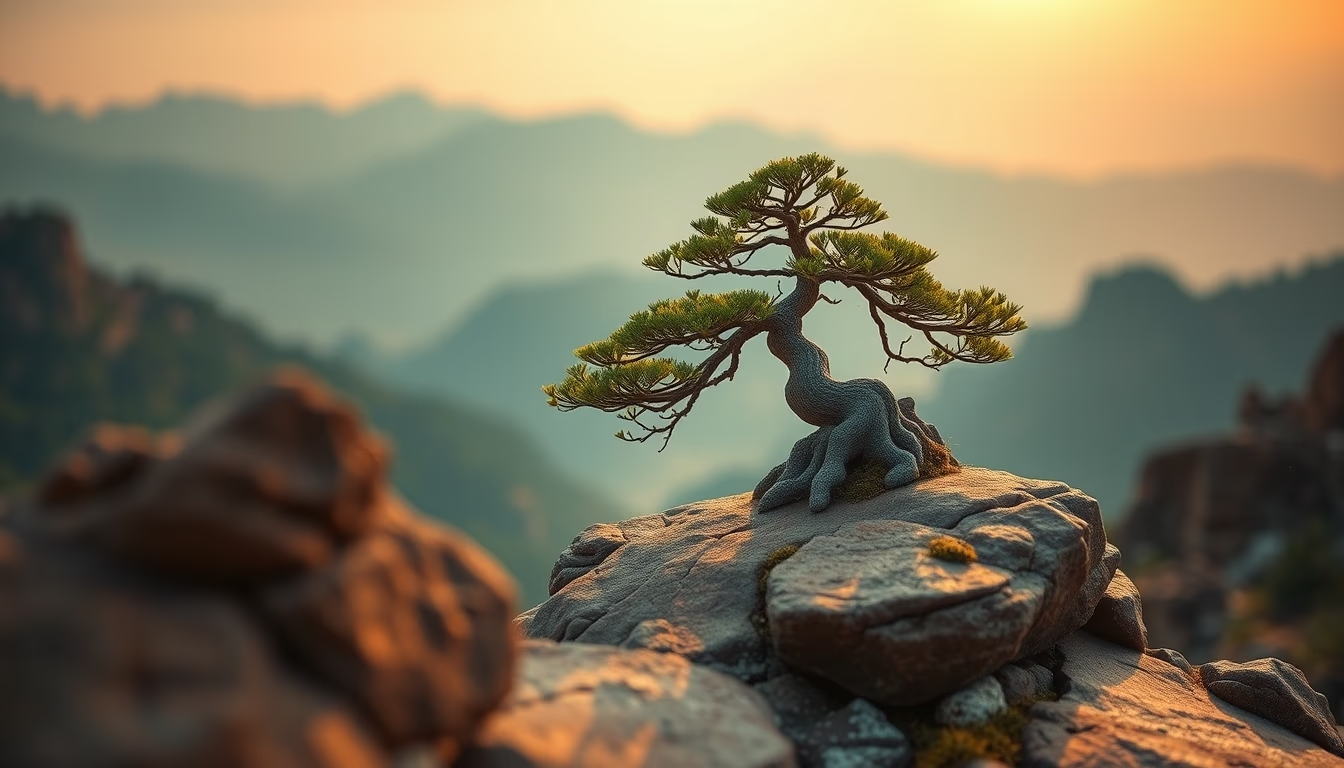
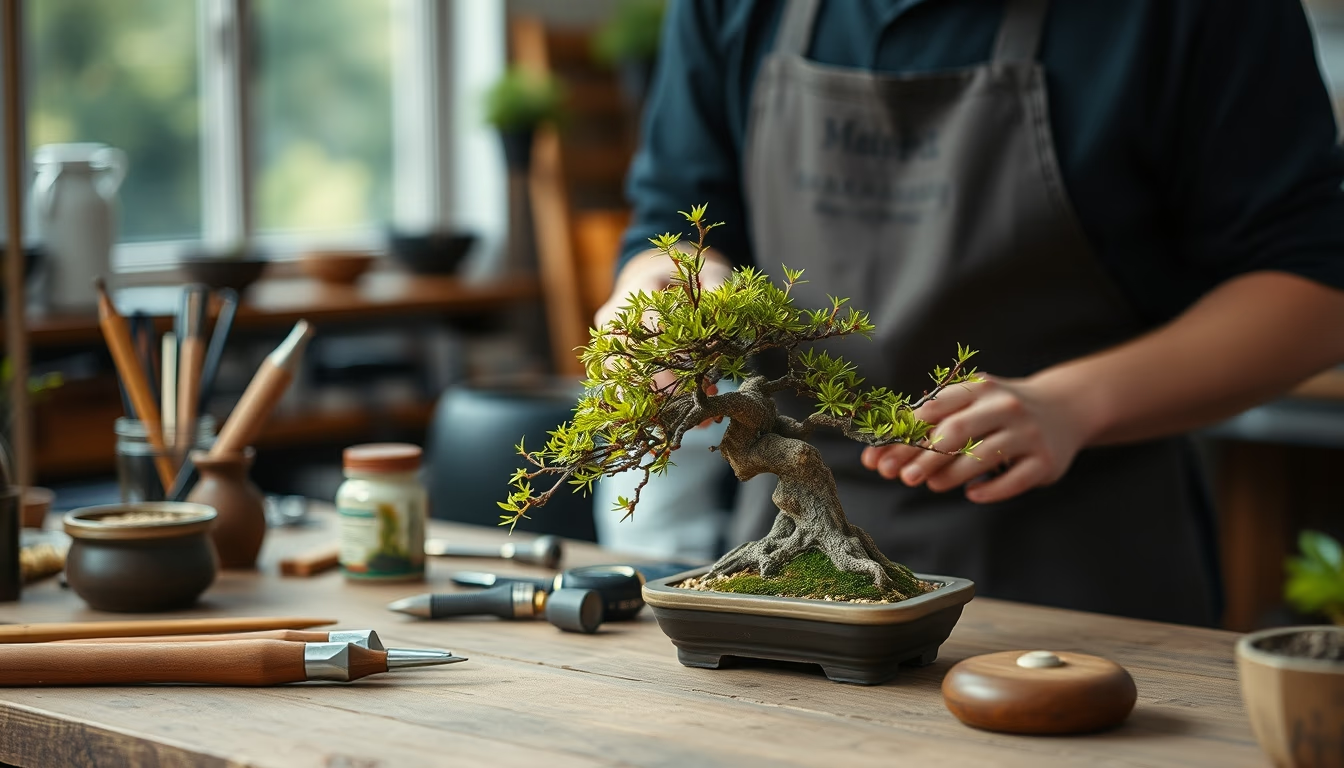
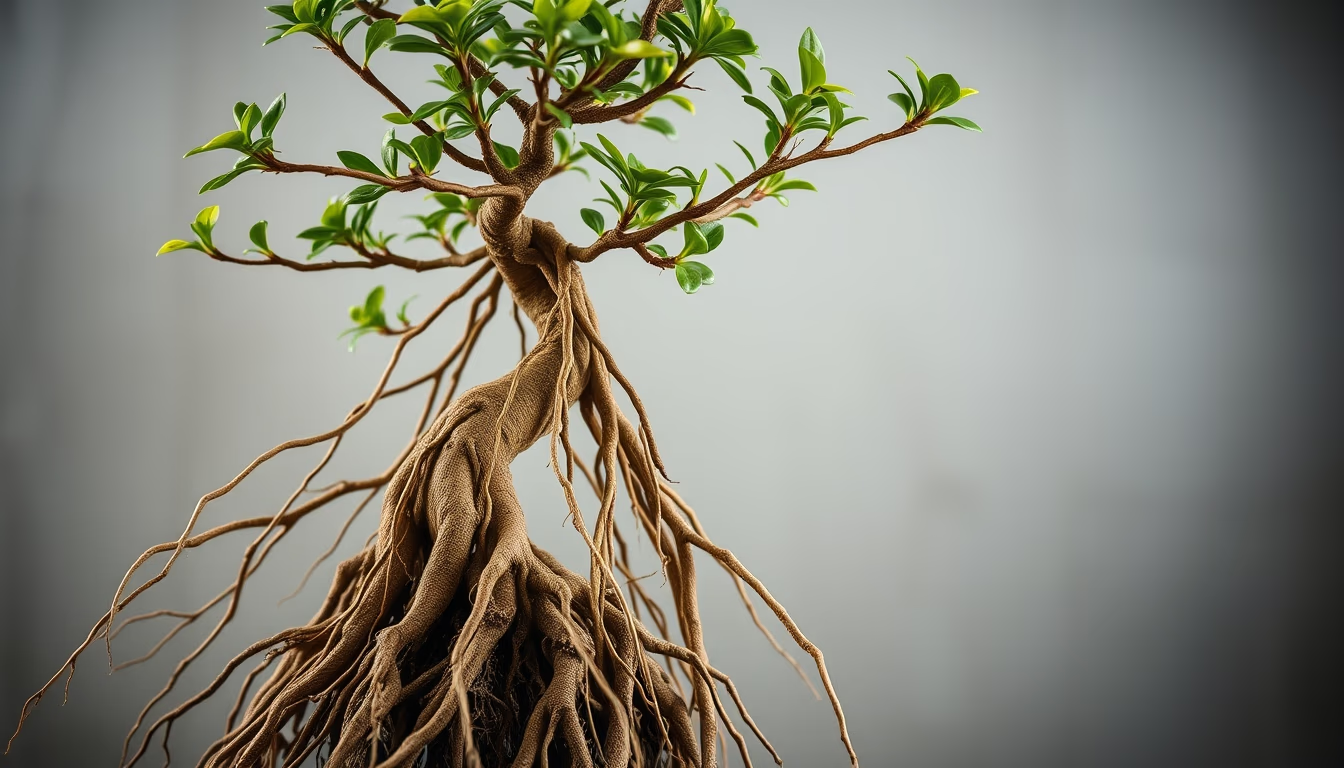
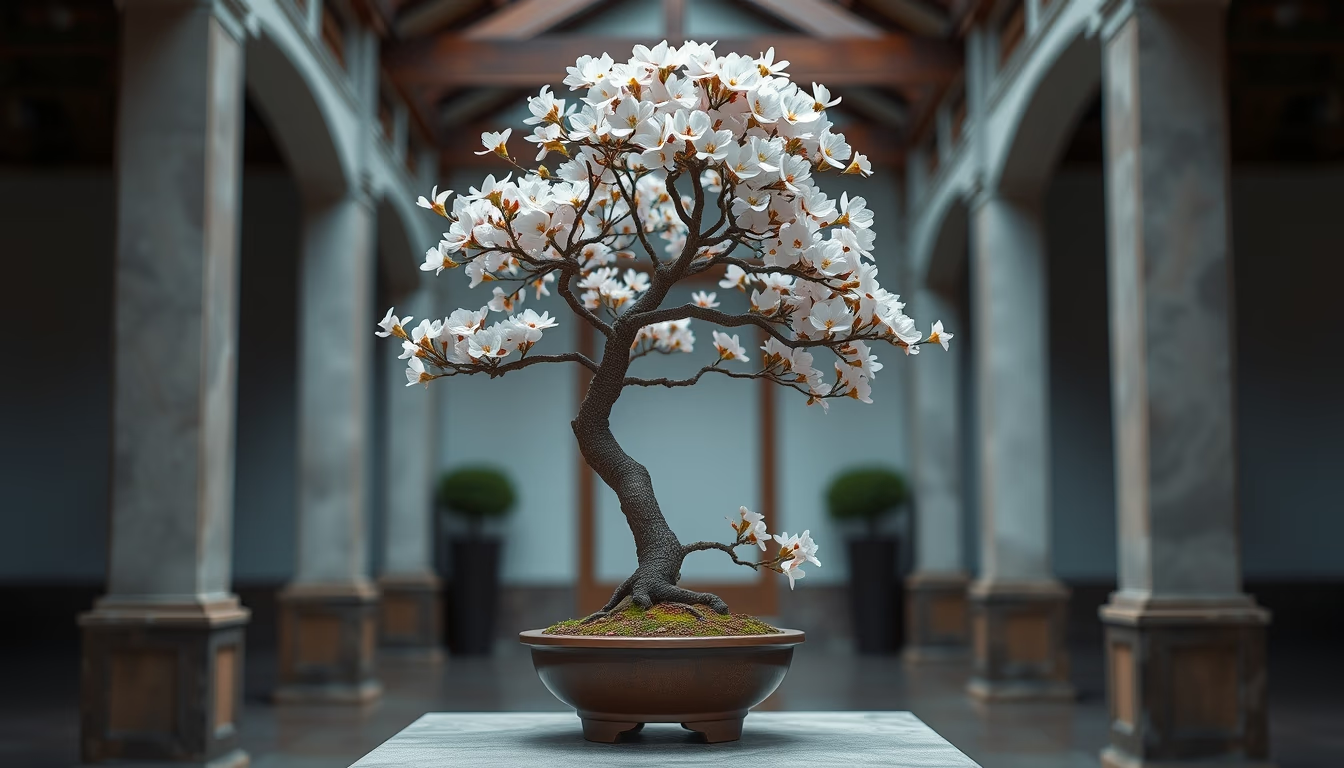
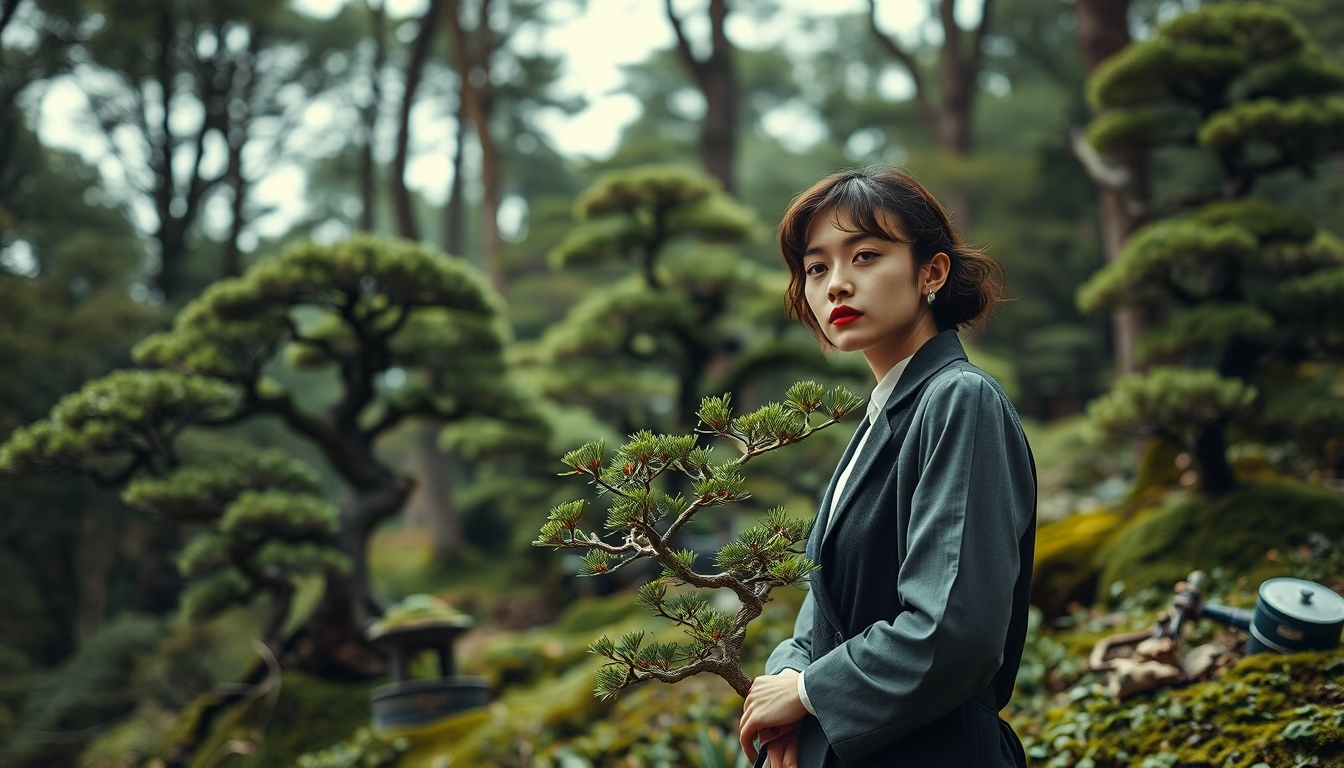
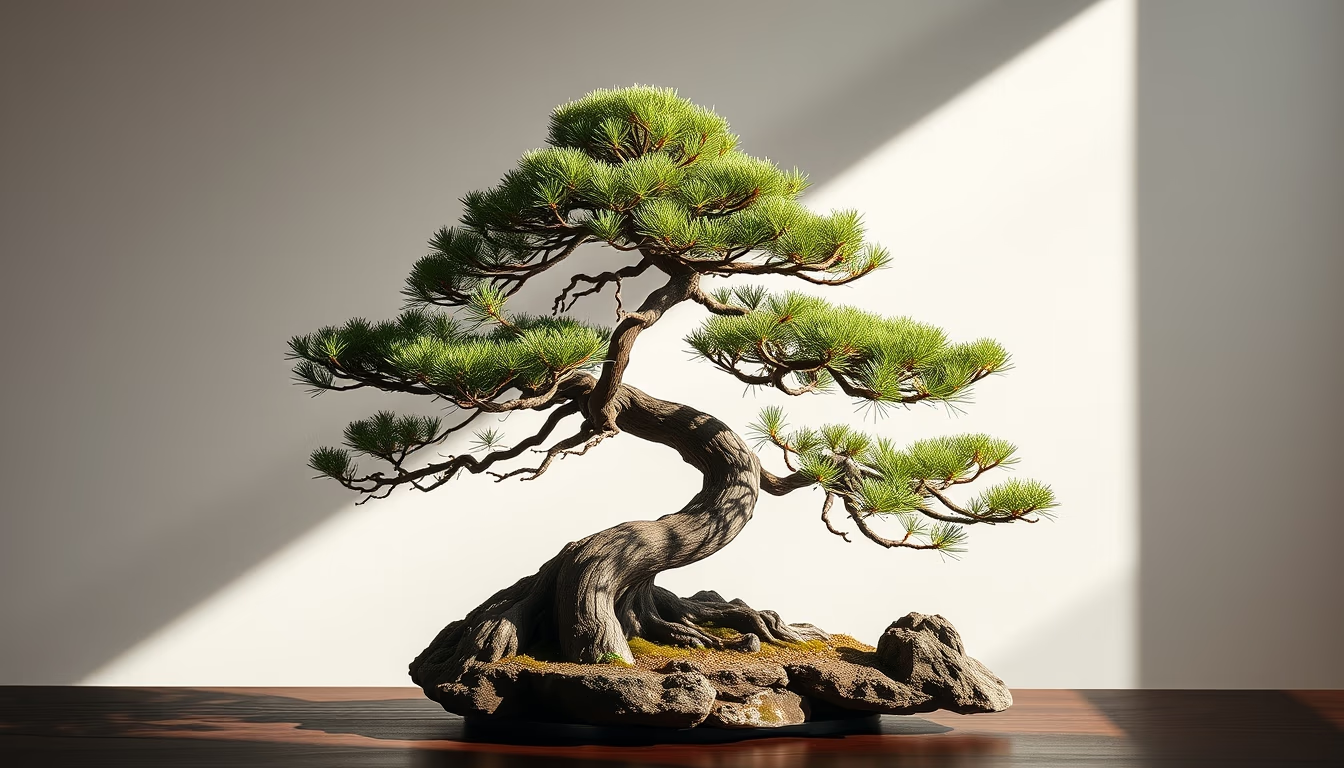
Bonsai forest landscape
1344×768 · AVIF · CC BY 4.0
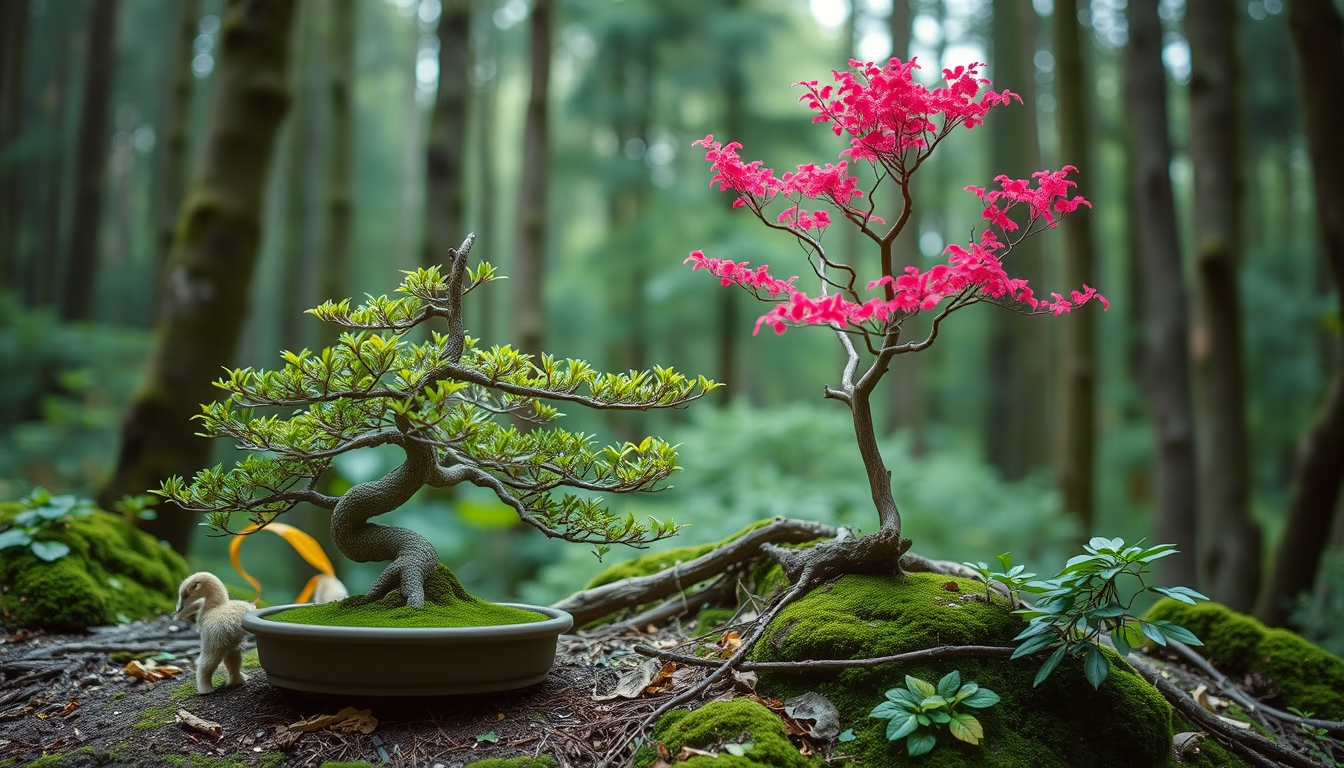
Miniature forests recreate natural landscapes using multiple bonsai trees in a single pot, a Japanese technique called yose-ue.
About this subject
Bonsai forest landscapes, known as yose-ue, represent one of the most challenging forms of bonsai art. Unlike single-tree bonsai, yose-ue aims to replicate a complete natural scene, with trees of varying heights, trunk thicknesses, and textures arranged harmoniously. The technique requires careful planning: species must have compatible light and water needs, and roots must be pruned and organized to coexist in a shallow container.
Historically, yose-ue evolved from Chinese penjing and was refined in Japan by the 14th century. Monks began creating arrangements that mimicked real forests, emphasizing asymmetry and depth. Today, bonsai forests are showcased in major exhibitions like Tokyo's Kokufu-ten, where specimens over 50 years old are displayed.
Composition follows strict aesthetic principles: the tallest tree (shin) is placed slightly off-center, while secondary (soe) and tertiary (hae) trees form a balanced group. The pot, usually oval or rectangular, complements the landscape. Moss on the soil surface is both functional (retains moisture) and symbolic, representing the passage of time.
Interestingly, many bonsai forests use deciduous species like elms and maples, which change color with seasons. Some artists incorporate rocks or miniature structures to enrich the narrative. Caring for a yose-ue is a long-term commitment: constant watering and pruning are required, and the arrangement may take decades to achieve visual maturity.
Frequently Asked Questions
What is yose-ue in bonsai?
Yose-ue is the technique of planting multiple bonsai trees in a single pot to create a miniature landscape that mimics a natural forest.
Which species are most used in bonsai forests?
Deciduous species like elms (ulmus) and maples (acer) are common, as well as conifers like black pines. The choice depends on climate and desired effect.
How difficult is it to maintain a bonsai forest?
It requires frequent watering, constant root and canopy pruning, and design knowledge to maintain proportion and visual harmony.
Direct URL
https://pub-c7d6a6ea828543ac903a74a341ccb2e1.r2.dev/imagens/bonsai-forest-landscape-lo-fi-disposable-camera-fresh1.avifHow to credit
Include a visible link back to UtilizAí. Copy one of the snippets below:
<a href="https://xn--utiliza-eza.com/en/midia/imagens/bonsai-forest-landscape-lo-fi-disposable-camera-fresh1">Bonsai forest landscape</a> by <a href="https://xn--utiliza-eza.com">UtilizAí</a>, licensed under <a href="https://creativecommons.org/licenses/by/4.0/">CC BY 4.0</a>.
[Bonsai forest landscape](https://xn--utiliza-eza.com/en/midia/imagens/bonsai-forest-landscape-lo-fi-disposable-camera-fresh1) by [UtilizAí](https://xn--utiliza-eza.com), CC BY 4.0
License: CC-BY-4.0