Bonsai forest landscape
1344×768 · AVIF · CC BY 4.0
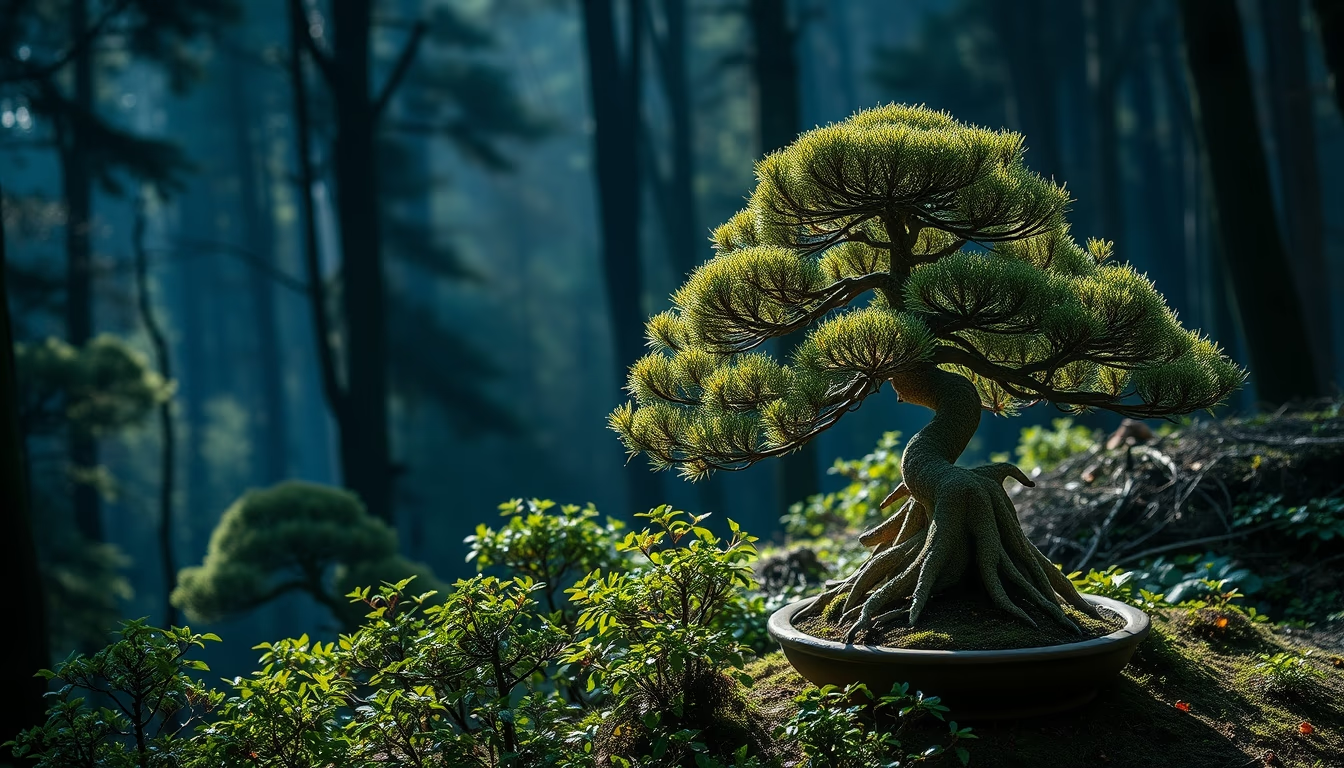
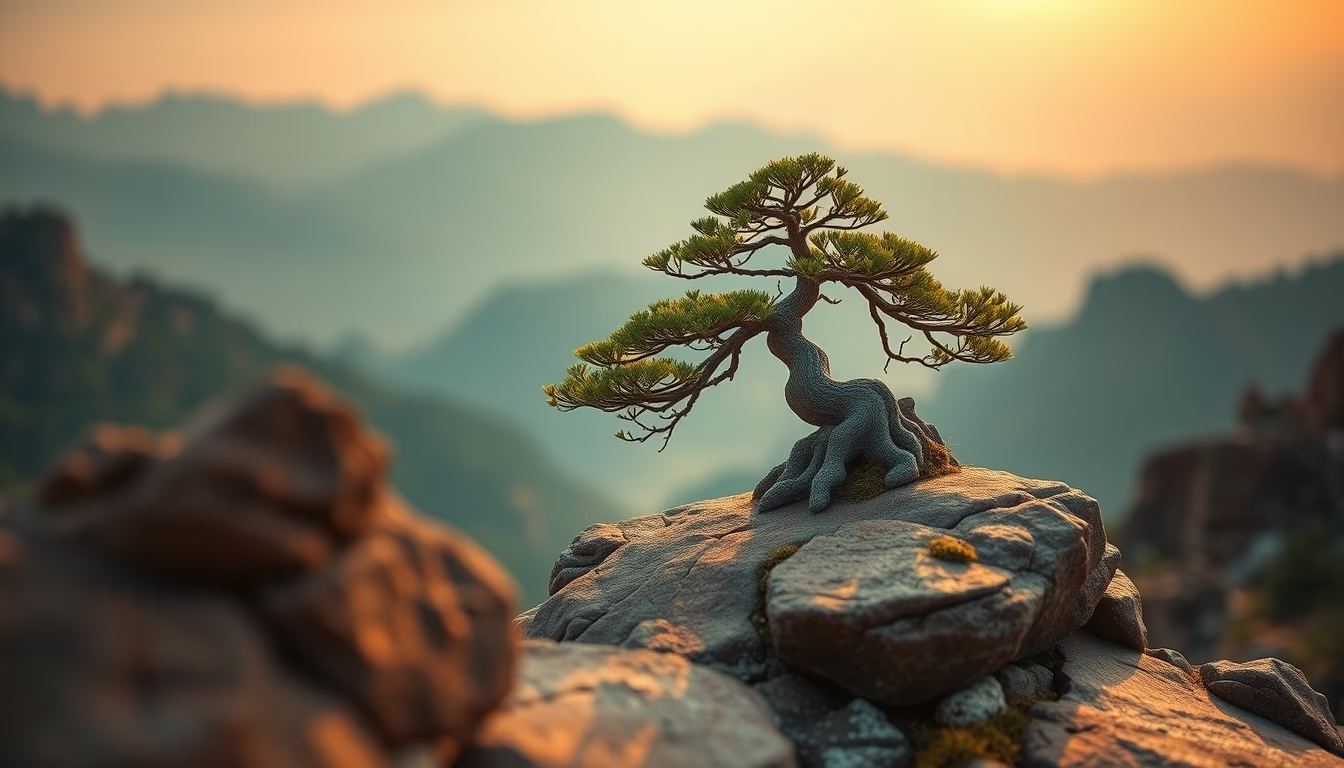
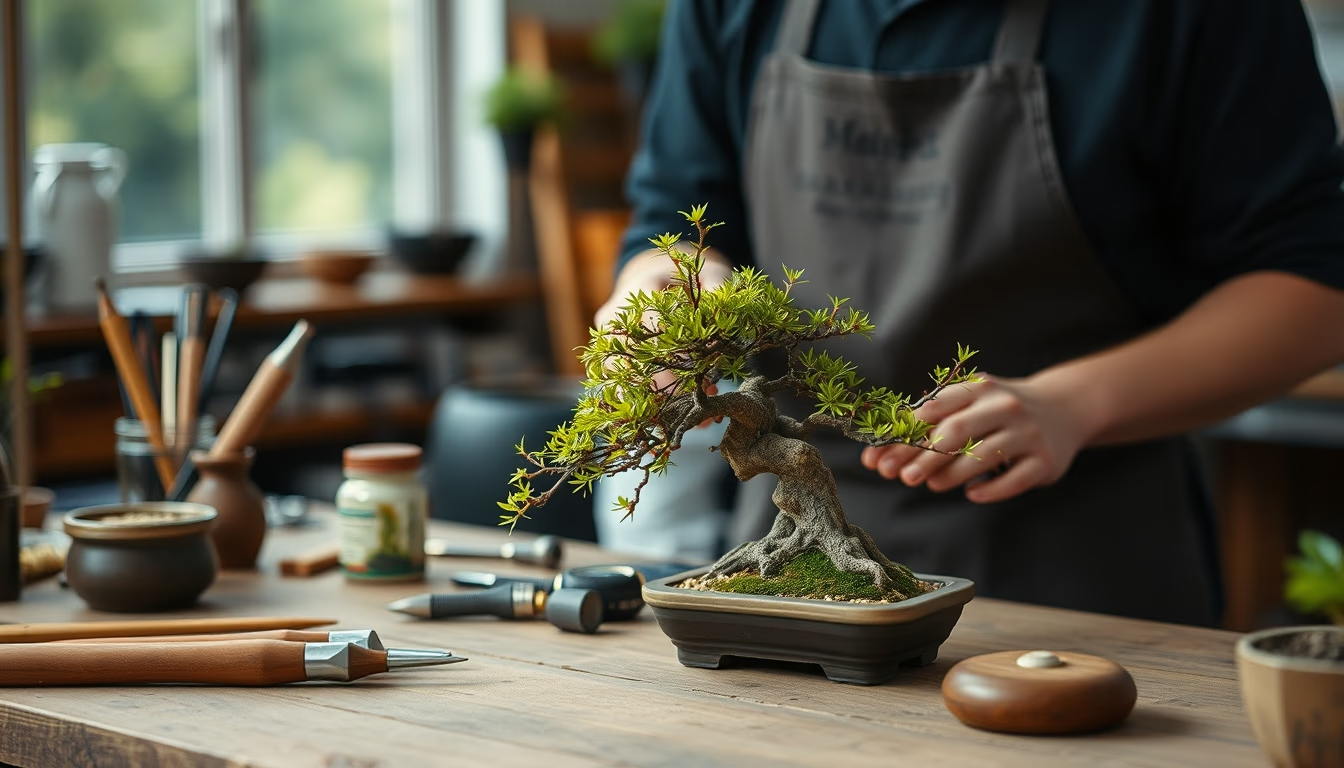
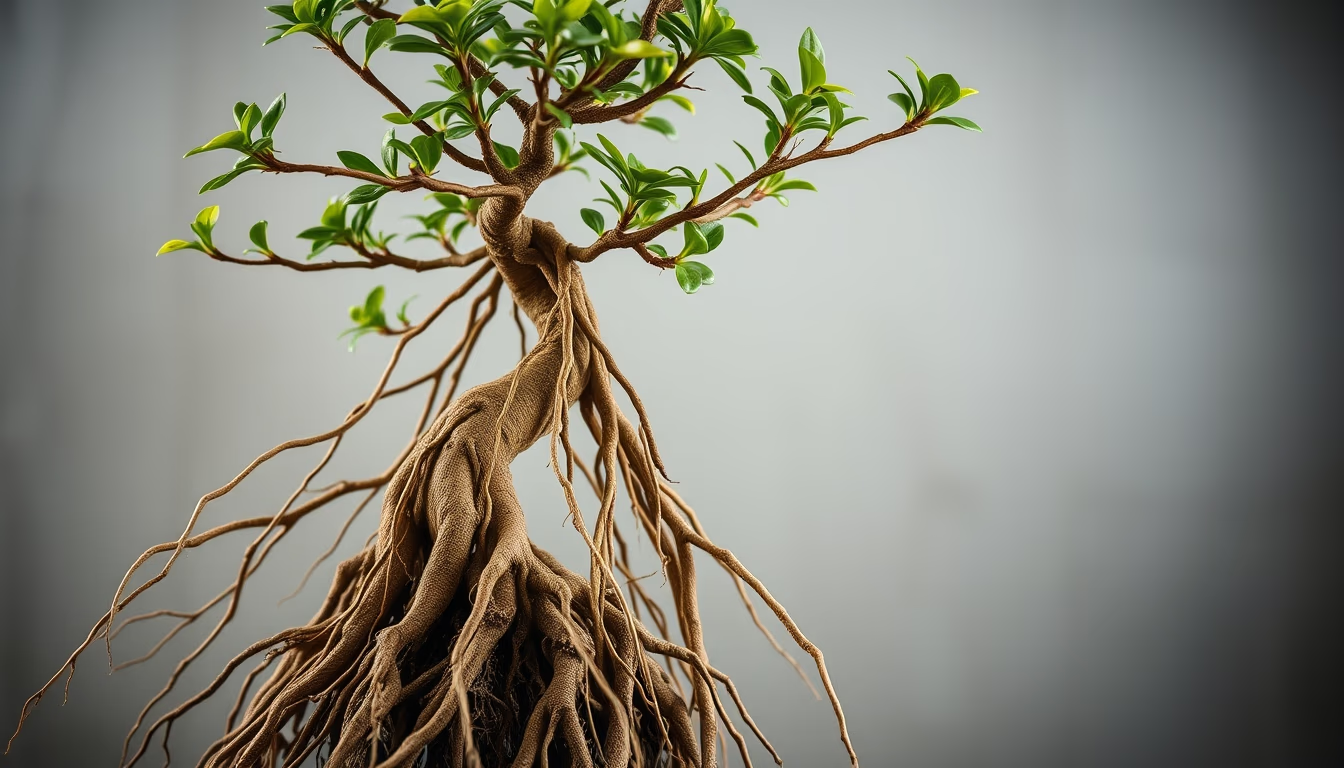
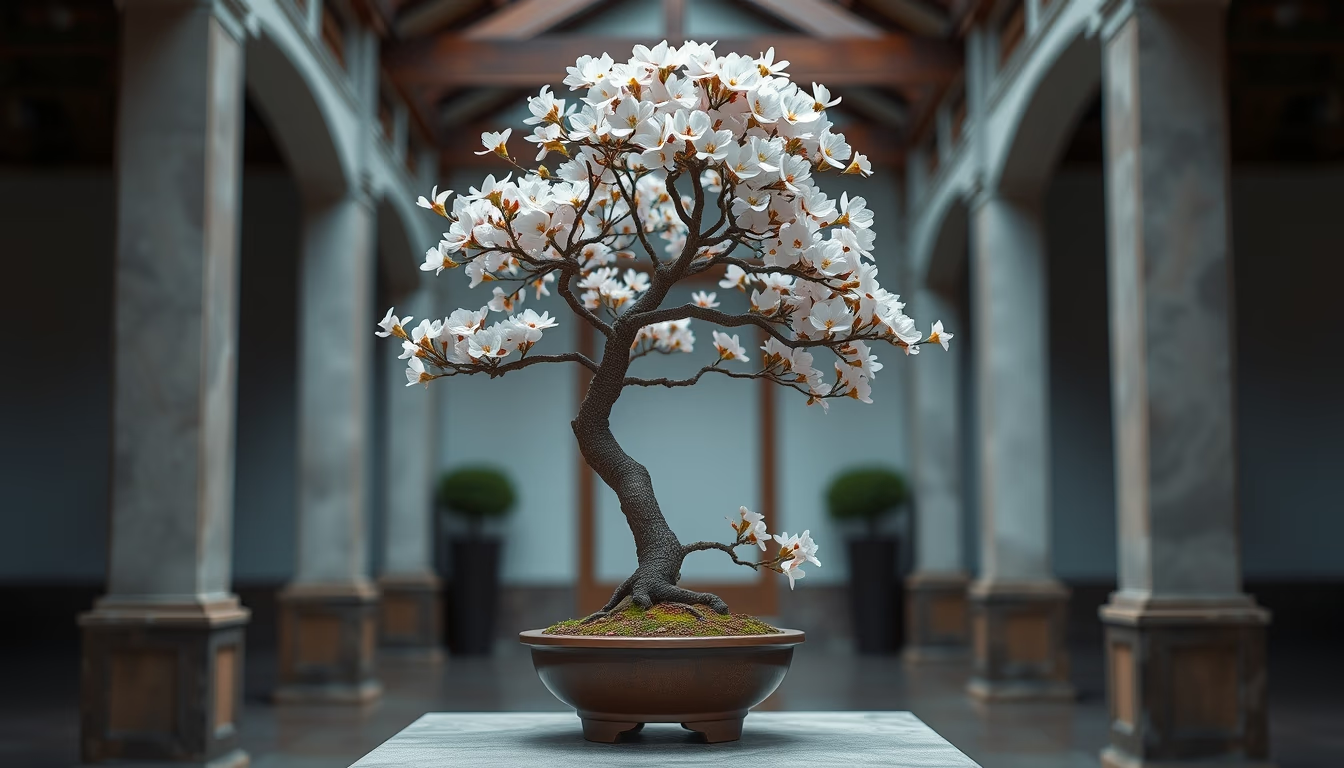
Explore the art of bonsai forest, an ancient Japanese technique that recreates natural landscapes in miniature, combining trees, moss, and rocks.
About this subject
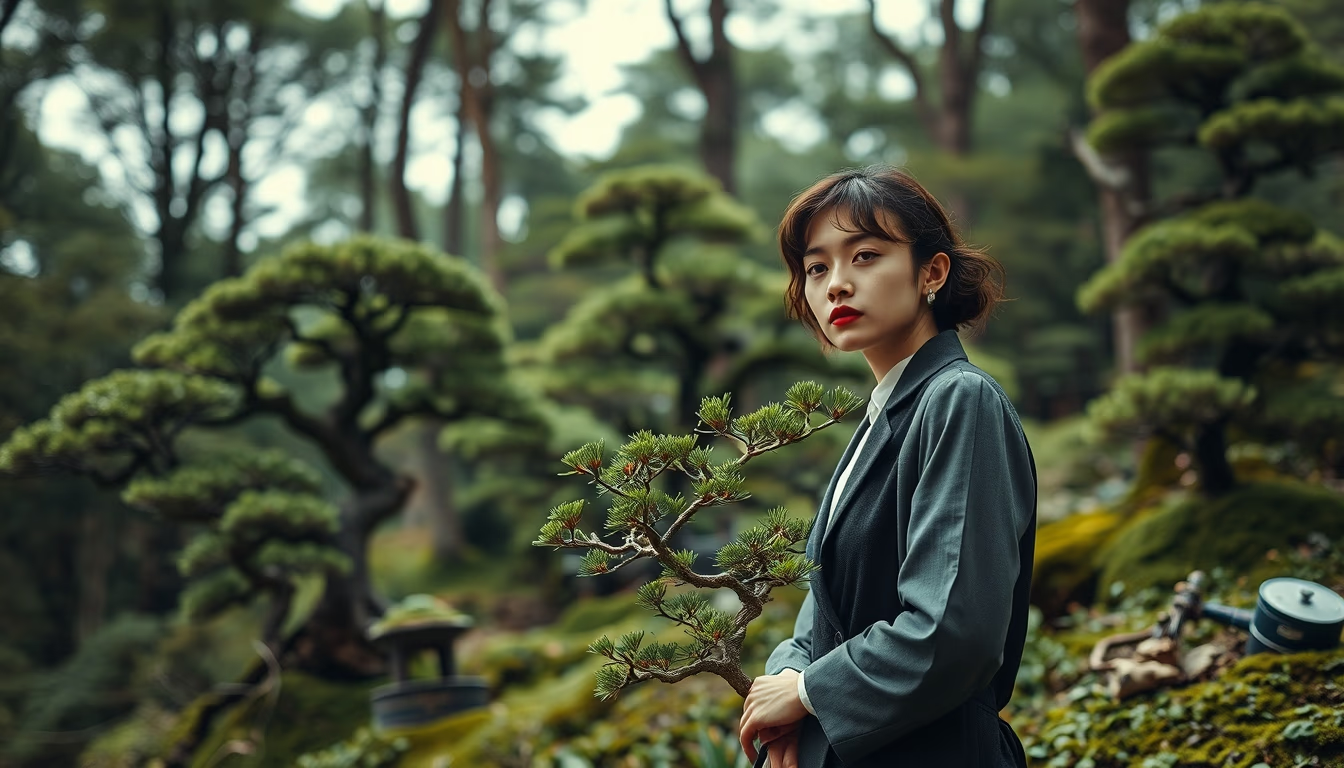
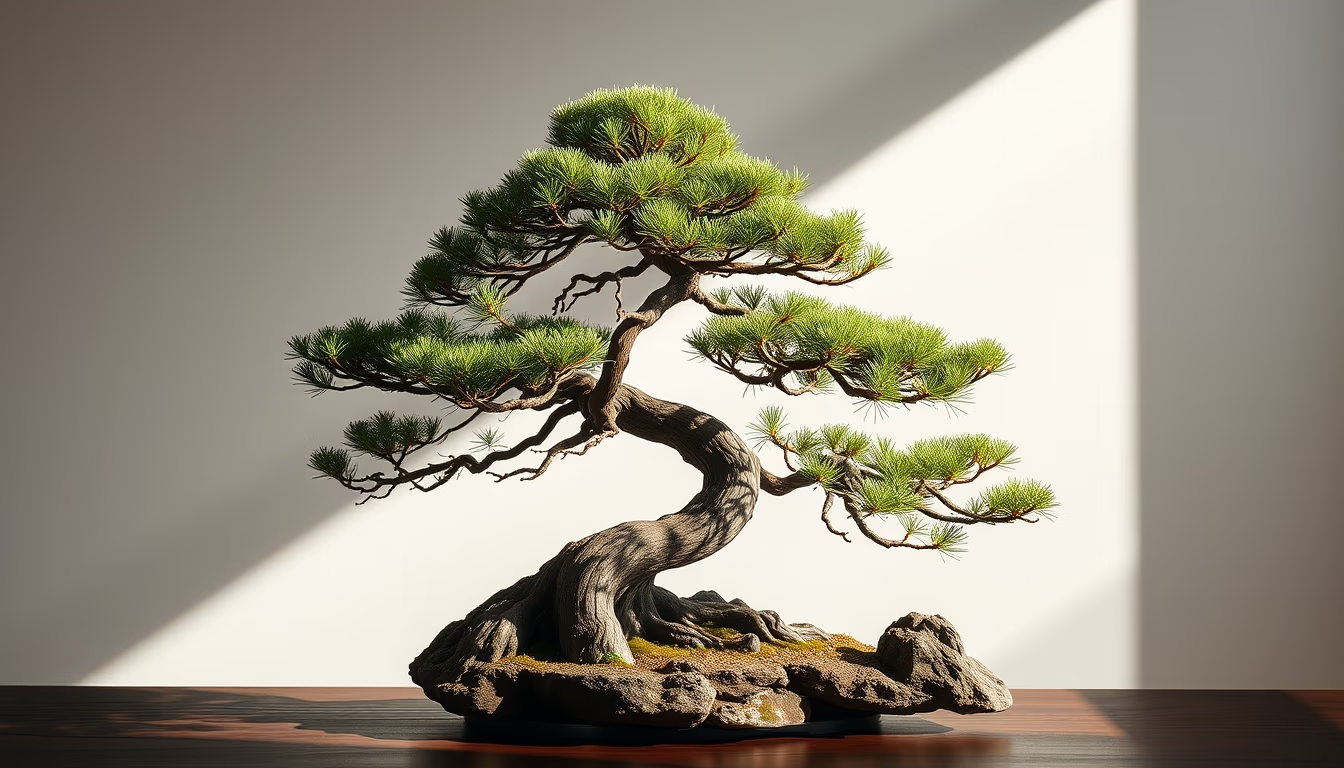
The bonsai forest, known as yose-ue, is one of the most expressive forms of bonsai art. Unlike traditional single-tree bonsai, yose-ue uses multiple trees planted in a shallow container to mimic a natural landscape, such as a lakeshore, a mountain slope, or a clearing. Each element is carefully positioned to create depth and perspective, following Japanese aesthetic principles.
The origin of bonsai forest dates back to feudal Japan, influenced by Chinese penjing but refined on Japanese soil as a Zen practice of nature contemplation. Samurai and Buddhist monks appreciated these microcosms as meditation tools. Today, yose-ue is celebrated in international exhibitions as a living art form.
To create a bonsai forest, the artist selects species with complementary foliage and textures, such as junipers, pines, and maples. Pruning and wiring guide tree growth, while moss covers the soil to simulate a plant carpet. Stones are added to represent mountains or islands. Maintenance requires frequent root pruning, careful watering, and adequate sunlight to maintain the diminutive scale.
Culturally, the bonsai forest symbolizes harmony between humans and nature. Each arrangement tells a story, evoking seasons or specific places. The practice teaches patience and respect for the life cycle, as trees can live for decades, passed down through generations as family heirlooms.
Frequently Asked Questions
What is a bonsai forest?
A bonsai forest, or yose-ue, is an arrangement of multiple trees in a single shallow container, mimicking a natural landscape in miniature.
Which species are used in a bonsai forest?
Common species include junipers, pines, maples, elms, and oaks. The choice depends on climate, desired aesthetics, and complementarity among trees.
How to care for a bonsai forest?
It requires regular watering, pruning of branches and roots, balanced fertilization, and sun exposure. Root pruning should be done every 1-2 years to maintain a small size.
Direct URL
https://pub-c7d6a6ea828543ac903a74a341ccb2e1.r2.dev/imagens/bonsai-forest-landscape-fine-art-photography-fresh14.avifHow to credit
Include a visible link back to UtilizAí. Copy one of the snippets below:
<a href="https://xn--utiliza-eza.com/en/midia/imagens/bonsai-forest-landscape-fine-art-photography-fresh14">Bonsai forest landscape</a> by <a href="https://xn--utiliza-eza.com">UtilizAí</a>, licensed under <a href="https://creativecommons.org/licenses/by/4.0/">CC BY 4.0</a>.
[Bonsai forest landscape](https://xn--utiliza-eza.com/en/midia/imagens/bonsai-forest-landscape-fine-art-photography-fresh14) by [UtilizAí](https://xn--utiliza-eza.com), CC BY 4.0
License: CC-BY-4.0