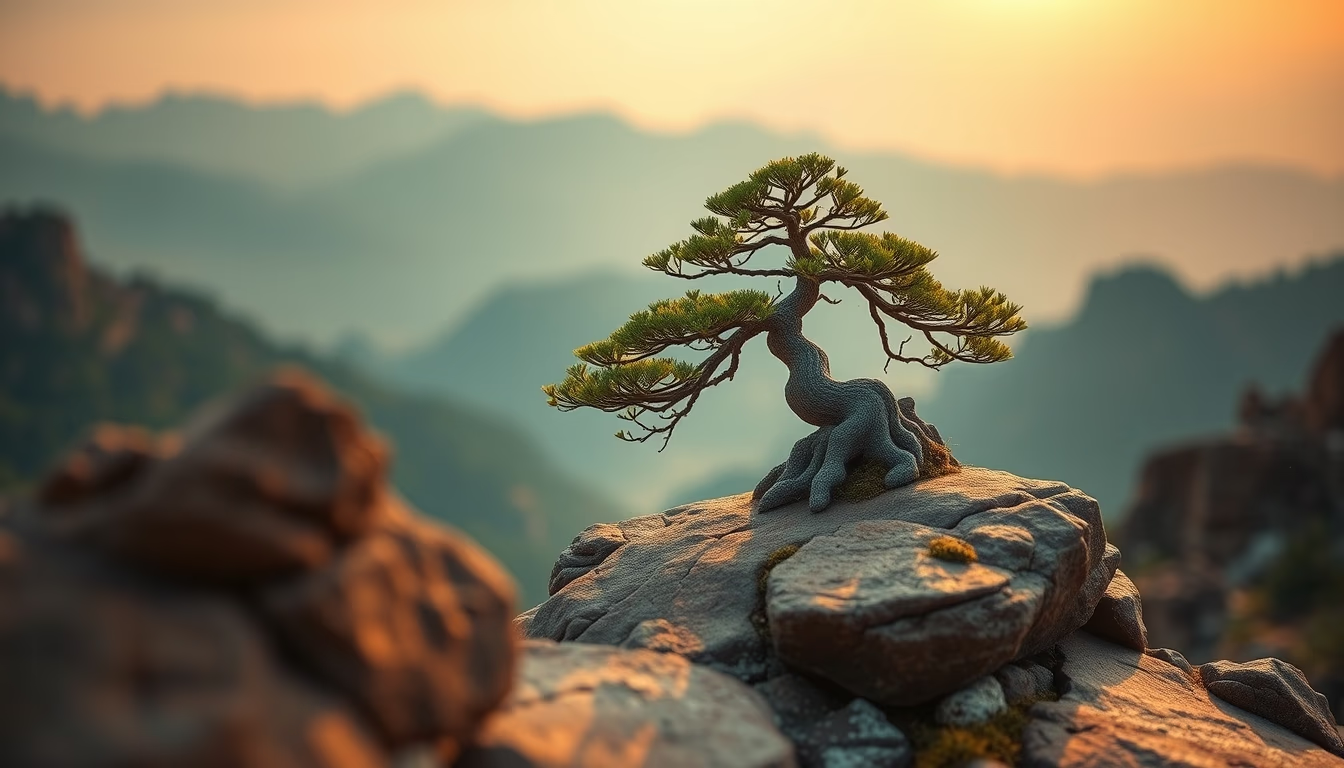
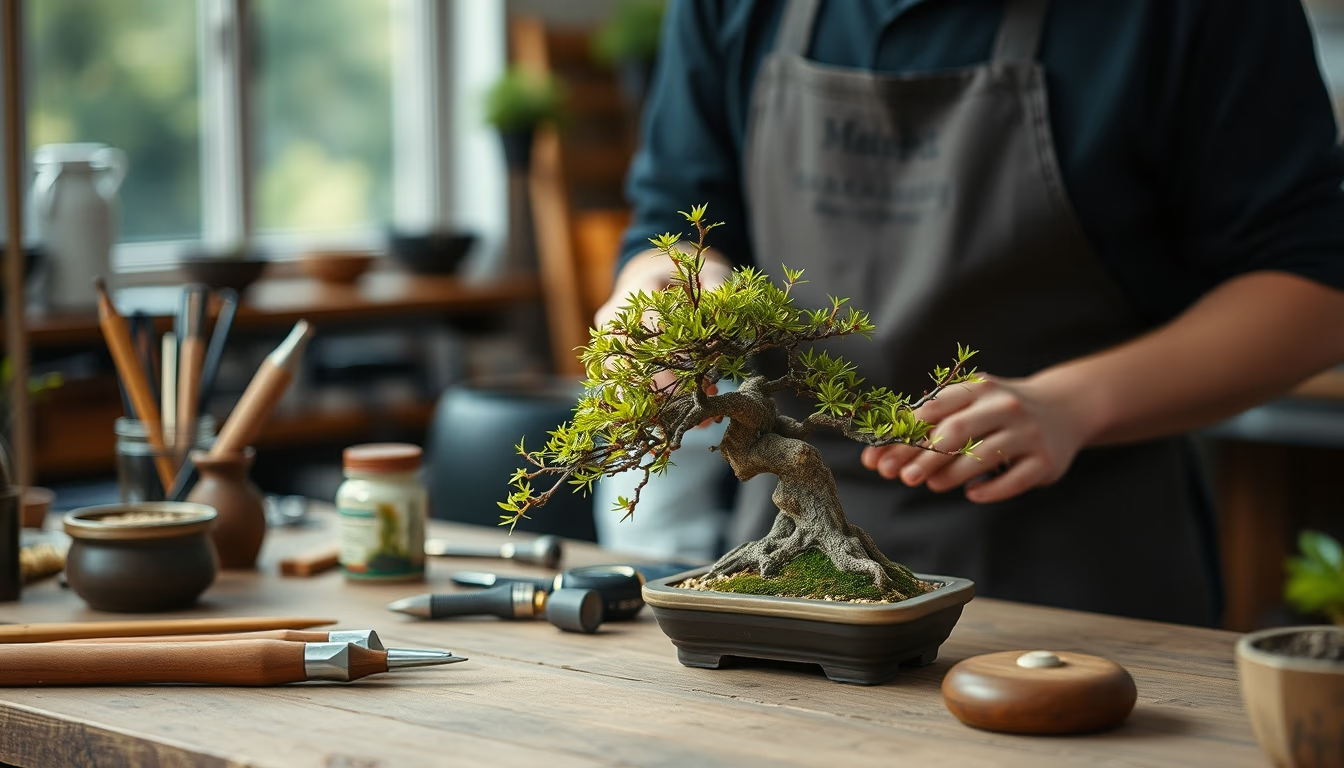
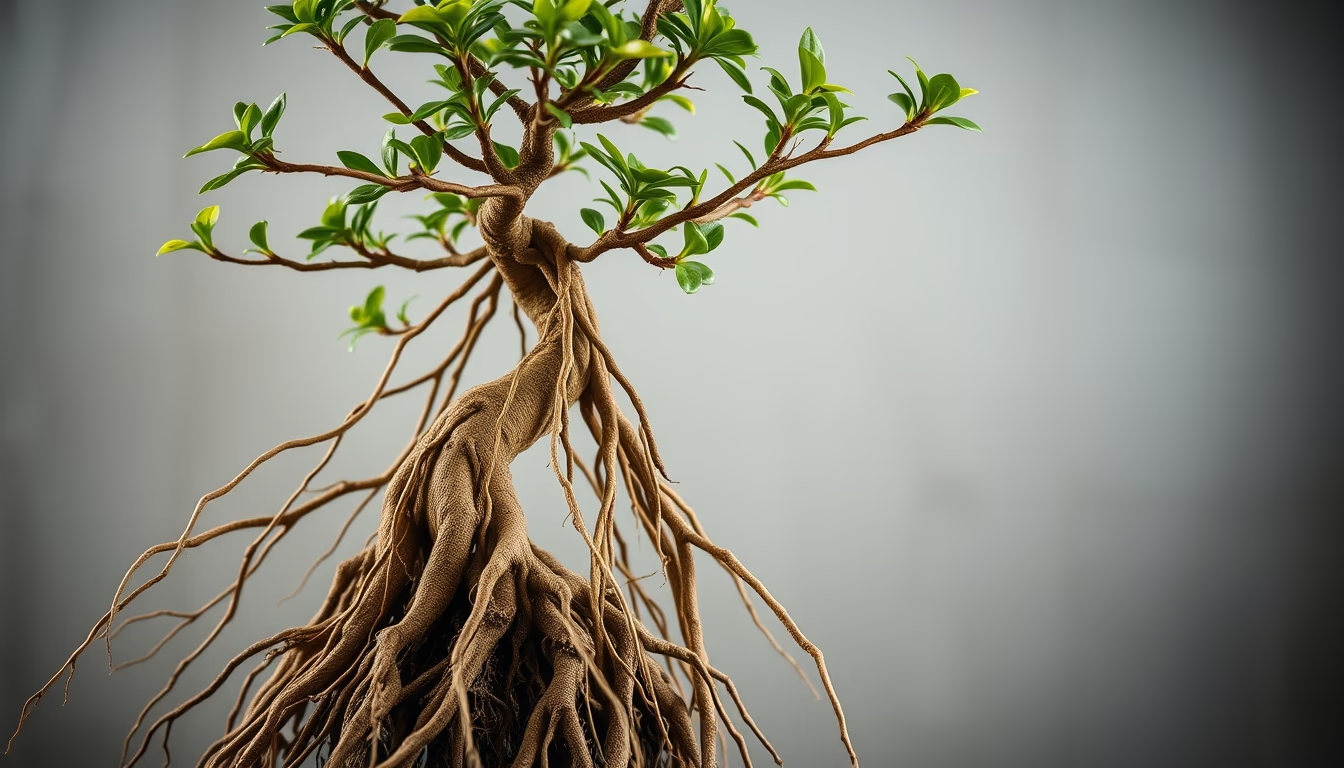
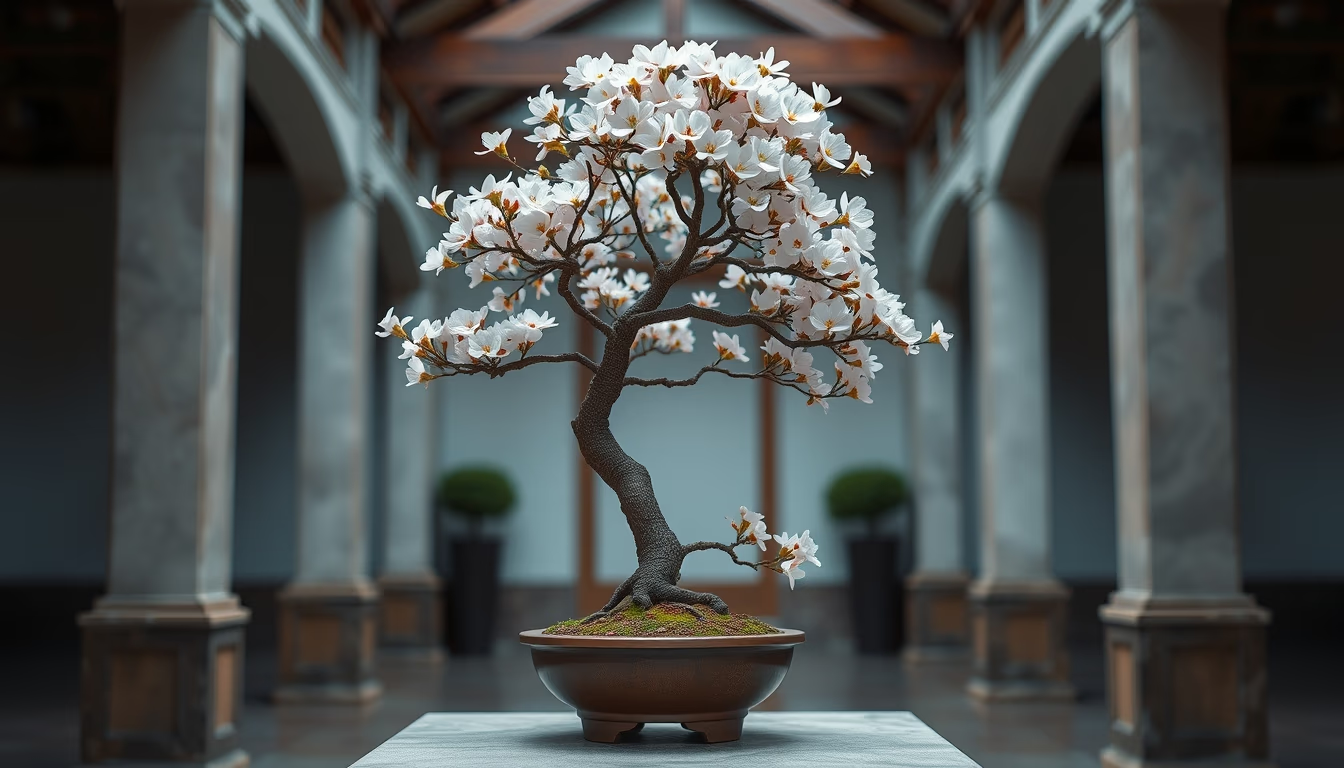
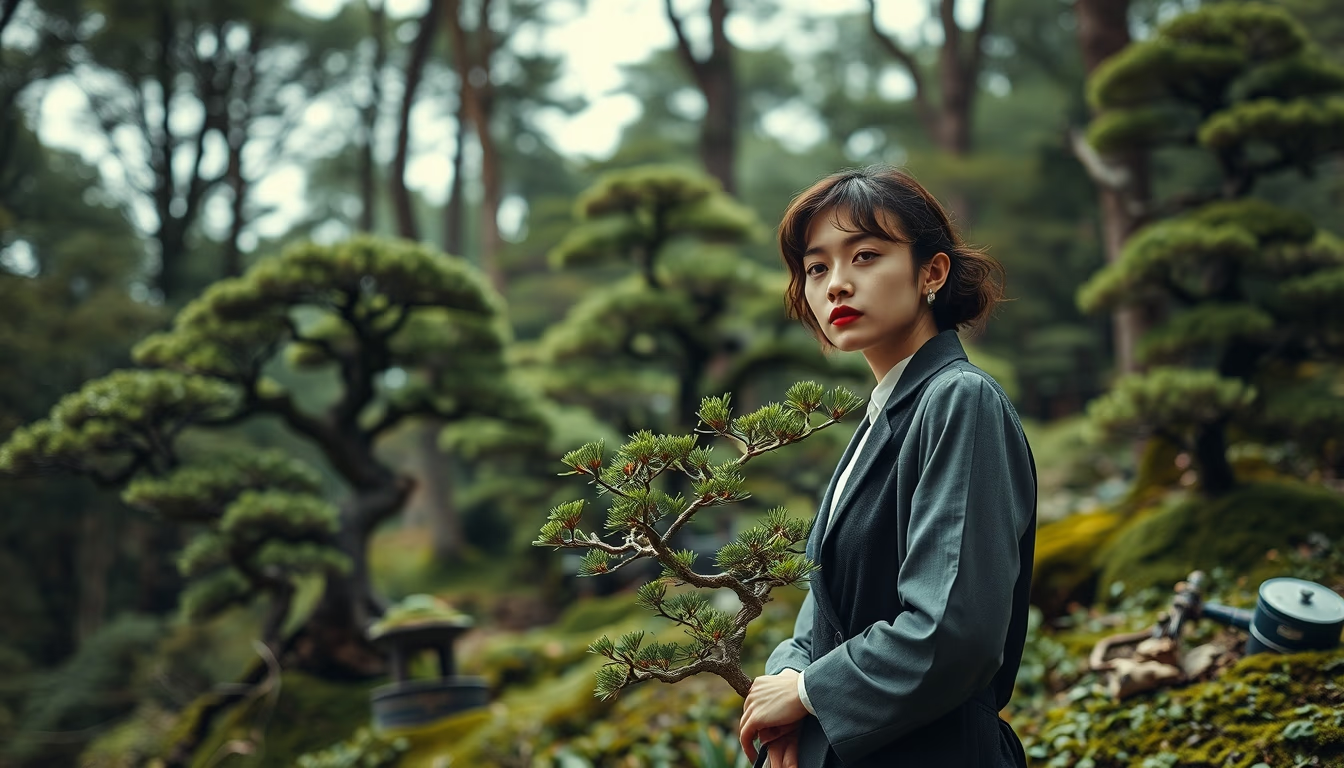
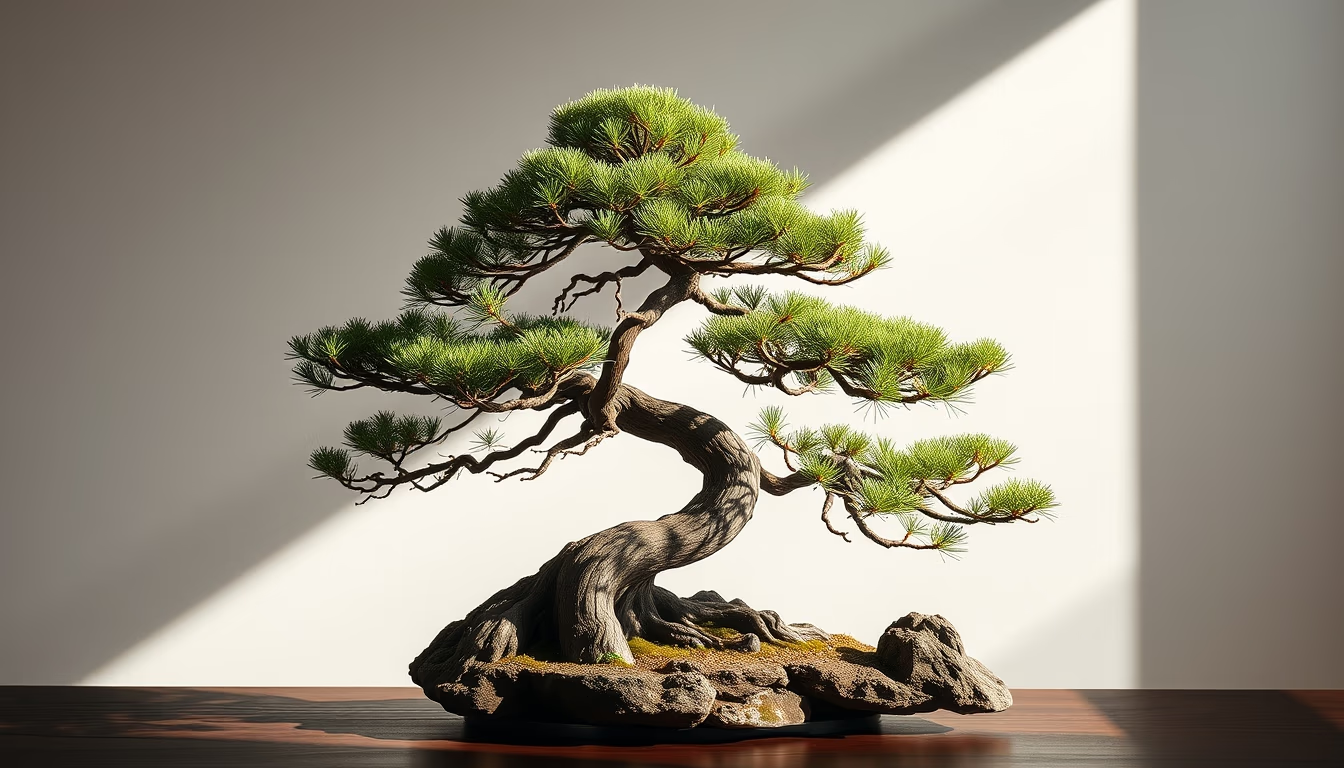
Bonsai forest landscape
1344×768 · AVIF · CC BY 4.0
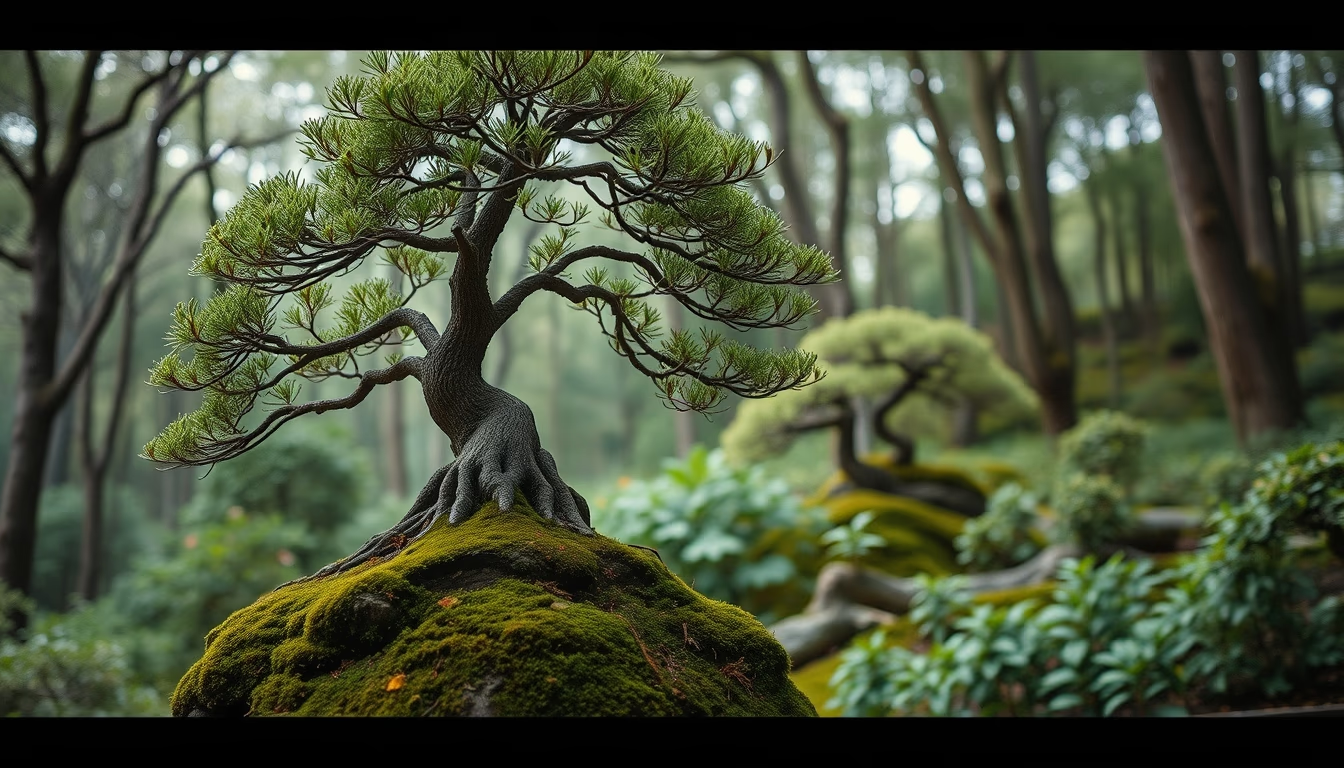
Discover the art of bonsai forests, miniature natural landscapes that combine ancient technique and Japanese aesthetics.
About this subject
A bonsai forest, known as yose-ue, is a composition that groups several miniature trees in a single container, simulating a natural landscape in reduced scale. Unlike single-tree bonsai, which highlights one tree, the forest aims to replicate the harmony of a woodland, with varying heights, textures, and species. This technique requires careful planning of tree placement, soil contouring, and the selection of mosses and rocks to create depth and realism.
Yose-ue has ancient roots in China, but it was in Japan that it evolved as a refined art form, especially during the Edo period (1603, 1868). Japanese masters perfected the cultivation of dwarf trees in shallow containers, applying principles of balance, asymmetry, and naturalness. A well-executed forest conveys the feel of a mature woodland, with trees of different ages and even clearings. Maintenance involves root pruning, frequent watering, and controlled fertilization to maintain the miniature scale.
Culturally, the bonsai forest landscape represents the connection between humans and nature, a microcosm that invites contemplation. In the West, it gained popularity from the 20th century onward, with exhibitions and dedicated clubs. Today, many enthusiasts create forests using native species from their regions, adapting the technique to diverse climates. Choosing the right container, usually shallow and neutrally colored, is essential so it does not compete with the vegetation.
Trivia: some famous bonsai forests, such as those by master Masahiko Kimura, take decades to reach aesthetic maturity. Each season changes the landscape: blossoms in spring, green leaves in summer, autumn colors, and bare branches in winter. This ephemerality is part of the charm, reminding that living art is constantly transforming.
Frequently Asked Questions
What is a bonsai forest?
It is a composition of several miniature trees planted together in a shallow container, creating a landscape that mimics a natural forest in reduced scale.
How to care for a bonsai forest?
Requires frequent watering to keep the soil moist, root and branch pruning to maintain size, and moderate fertilization. Adequate sunlight exposure is essential.
What is the origin of the bonsai forest?
The technique originated in China over a thousand years ago and was refined in Japan, especially during the Edo period, becoming an art form symbolizing harmony with nature.
Direct URL
https://pub-c7d6a6ea828543ac903a74a341ccb2e1.r2.dev/imagens/bonsai-forest-landscape-film-grain-authentic-fresh0.avifHow to credit
Include a visible link back to UtilizAí. Copy one of the snippets below:
<a href="https://xn--utiliza-eza.com/en/midia/imagens/bonsai-forest-landscape-film-grain-authentic-fresh0">Bonsai forest landscape</a> by <a href="https://xn--utiliza-eza.com">UtilizAí</a>, licensed under <a href="https://creativecommons.org/licenses/by/4.0/">CC BY 4.0</a>.
[Bonsai forest landscape](https://xn--utiliza-eza.com/en/midia/imagens/bonsai-forest-landscape-film-grain-authentic-fresh0) by [UtilizAí](https://xn--utiliza-eza.com), CC BY 4.0
License: CC-BY-4.0