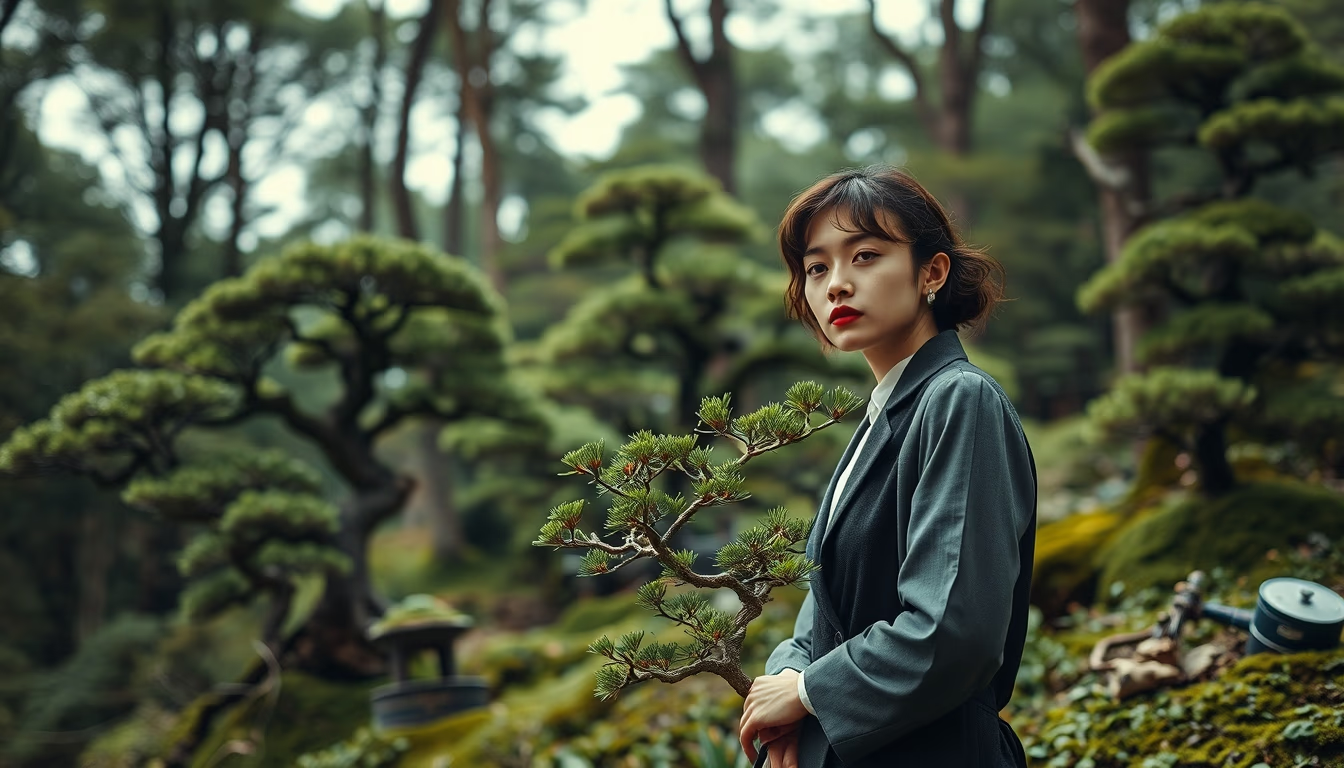
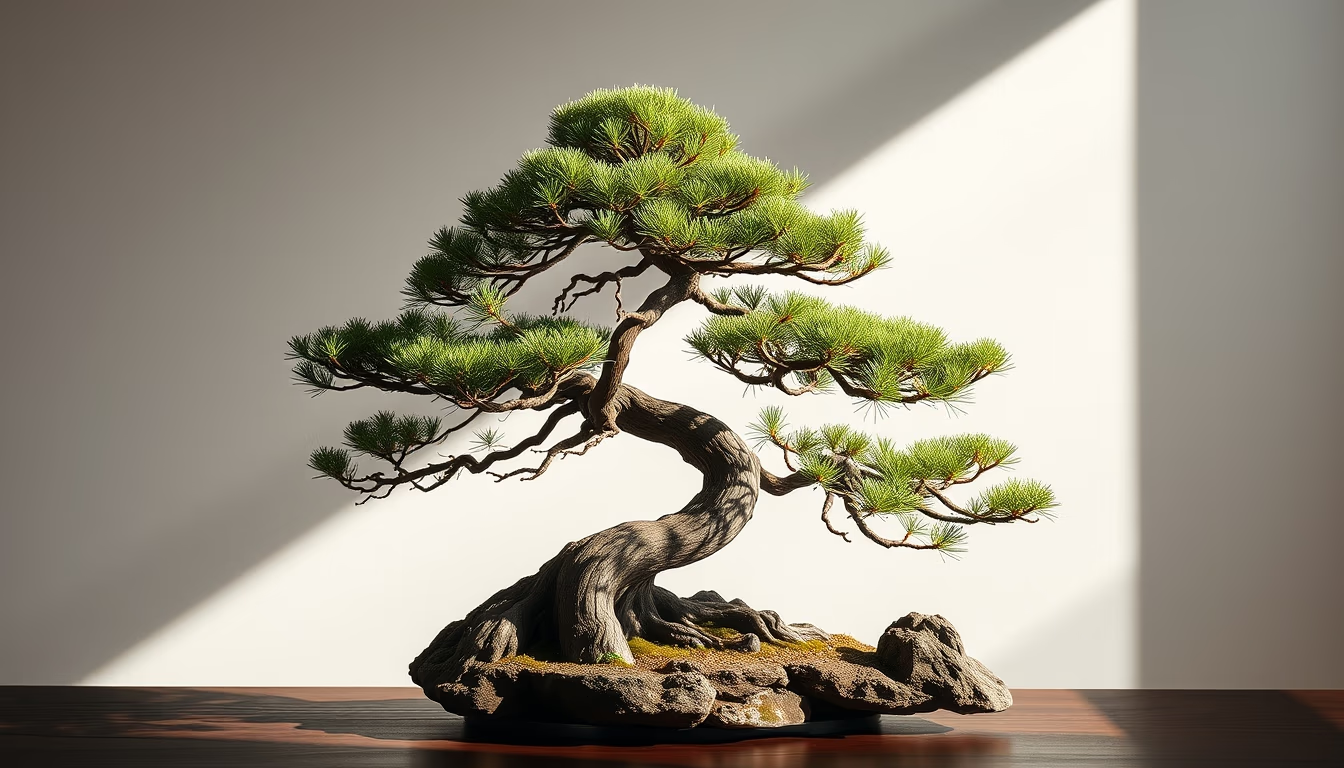
Bonsai forest landscape
1344×768 · AVIF · CC BY 4.0
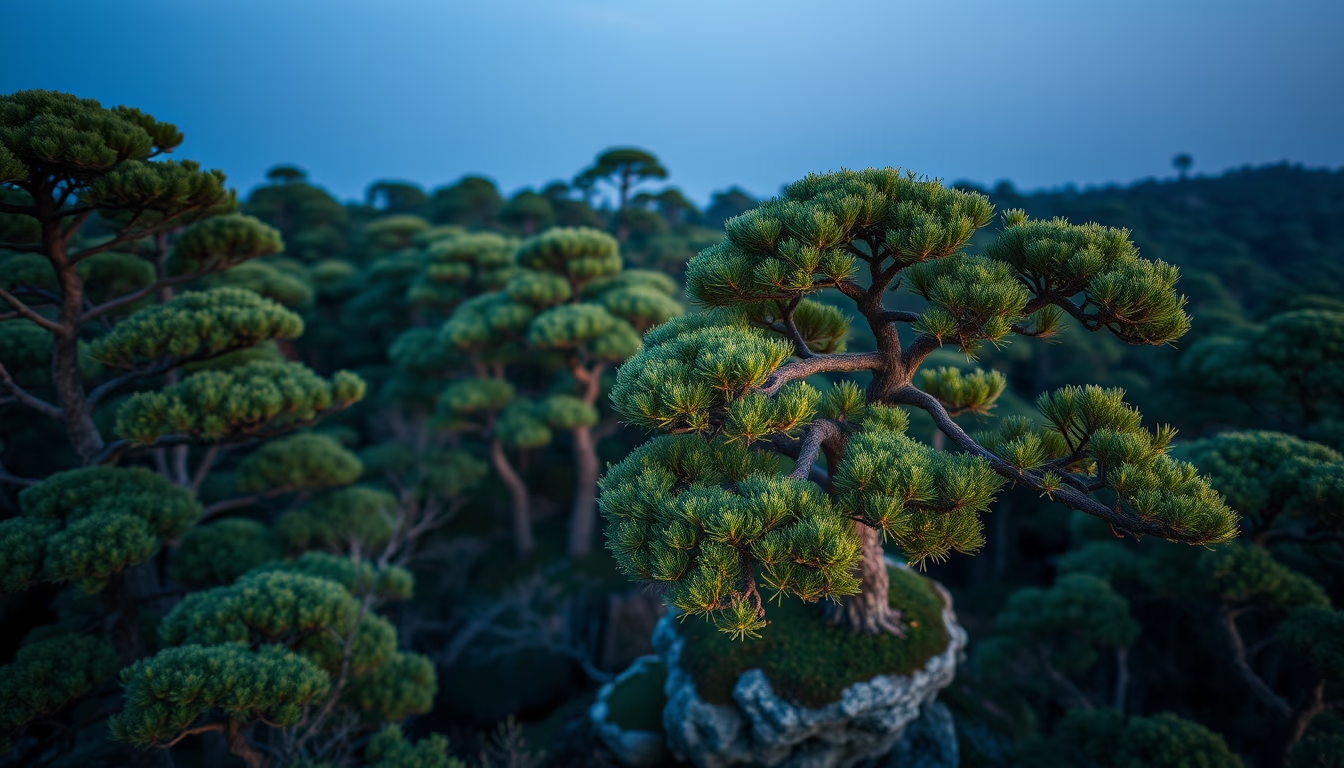
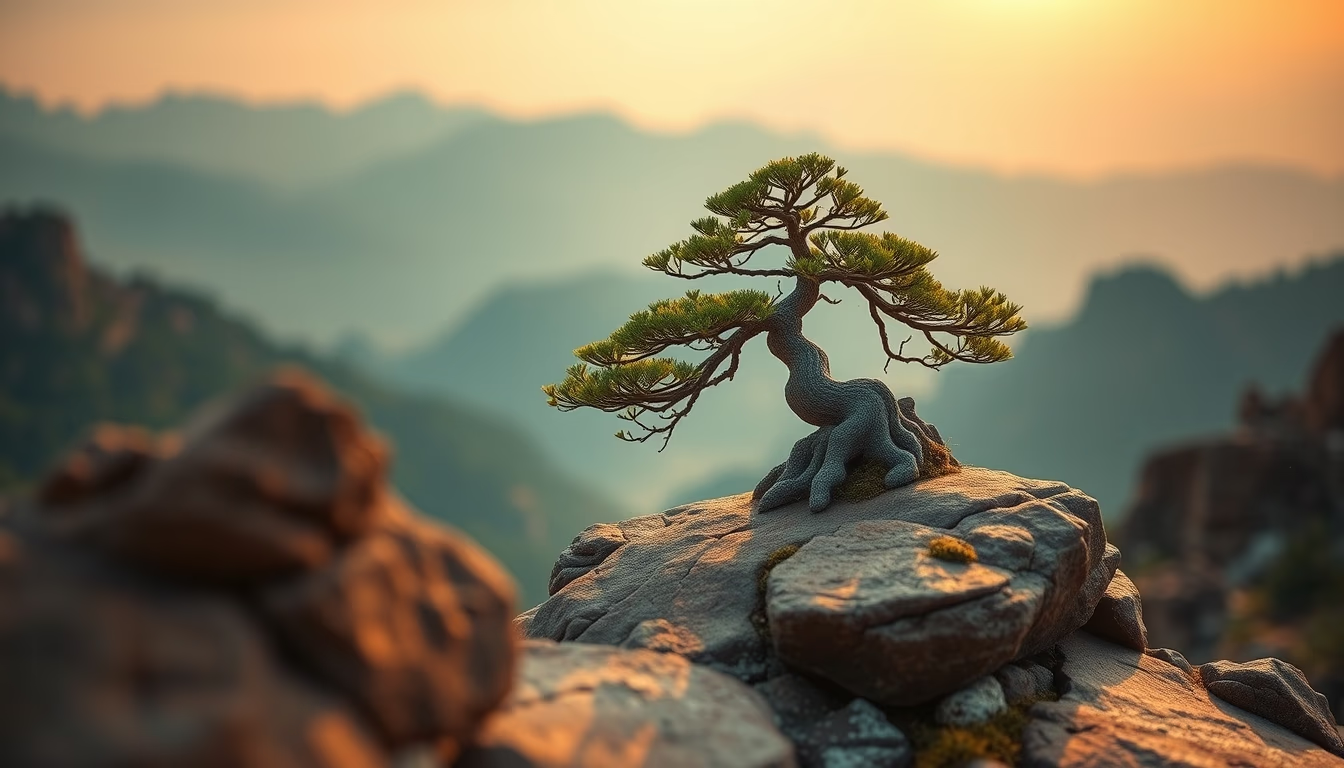
Drone view of a bonsai forest landscape showcases the ancient art of miniaturizing trees into natural compositions, a technique that originated in China and was refined in Japan.
About this subject
A bonsai forest, also known as saikei or group planting, is a composition that combines multiple miniature trees in a single container, creating a natural microcosm. Unlike a single bonsai tree, which focuses on a individual specimen, a forest aims to replicate a real woodland landscape, with variations in height, slope, and distribution. The practice has roots in Chinese penjing, dating back over a thousand years, and was incorporated and refined in Japan from the 14th century, where it gained strong aesthetic and spiritual influence.
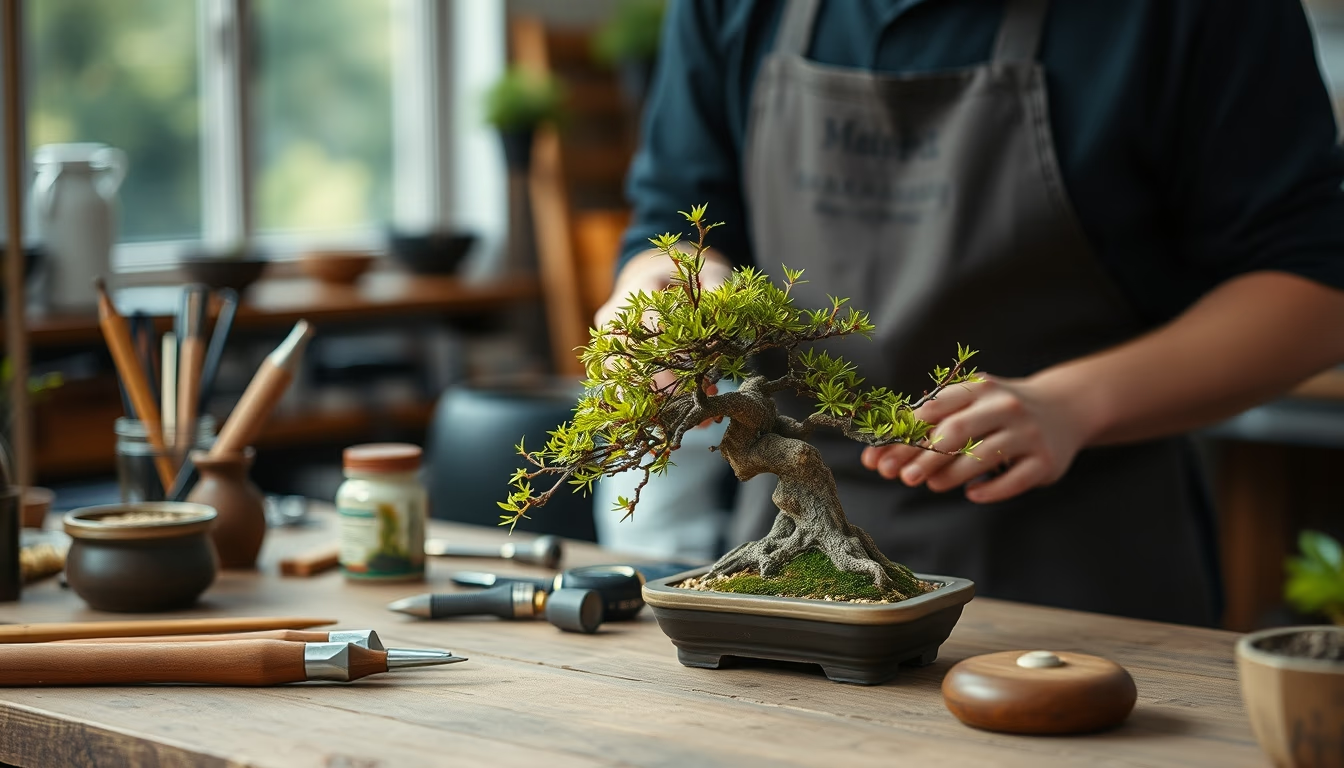
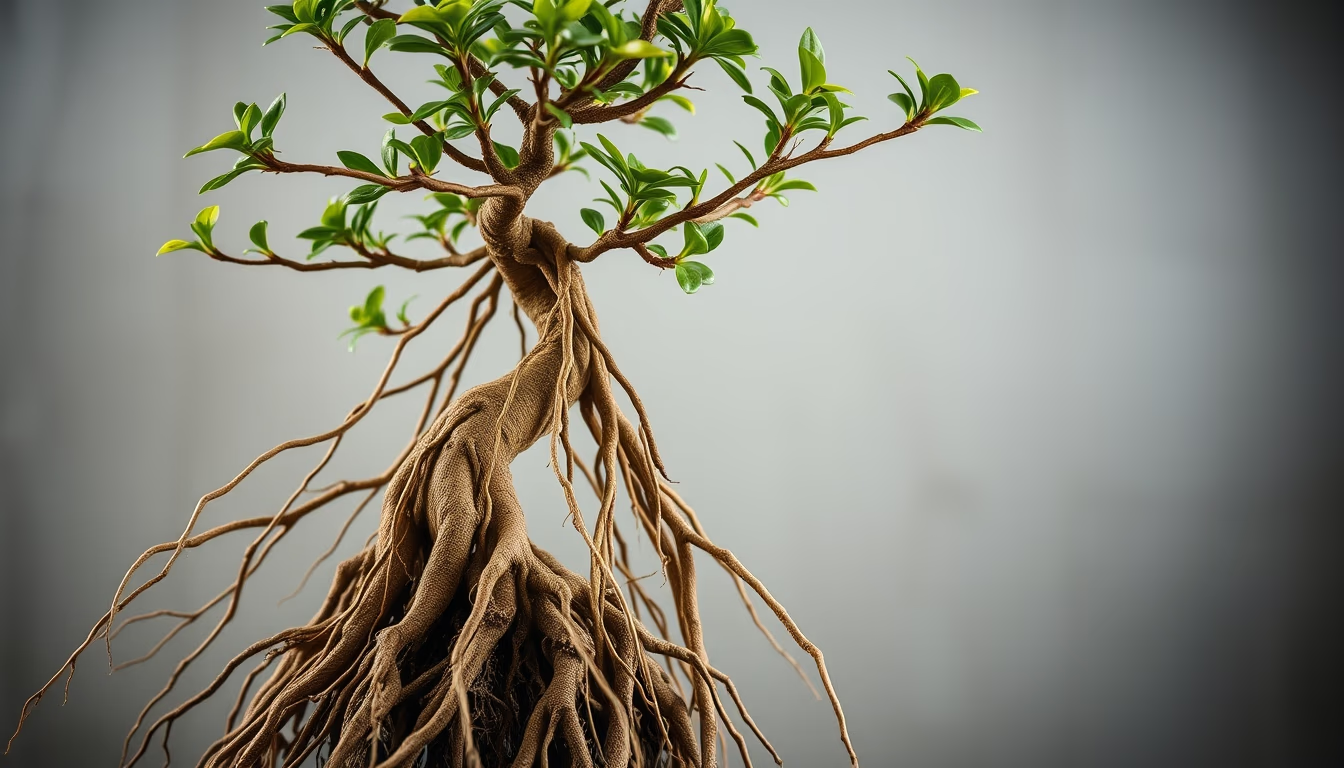
Cultivating a bonsai forest requires specific techniques, such as careful root and branch pruning, wiring to guide growth, and periodic repotting to maintain tree health. Common species include Japanese black pine, Chinese juniper, and Japanese maple, each with characteristics that favor miniaturization. The moss layer on the soil surface not only enhances beauty but also retains moisture and protects surface roots, giving the composition an aged and natural appearance.
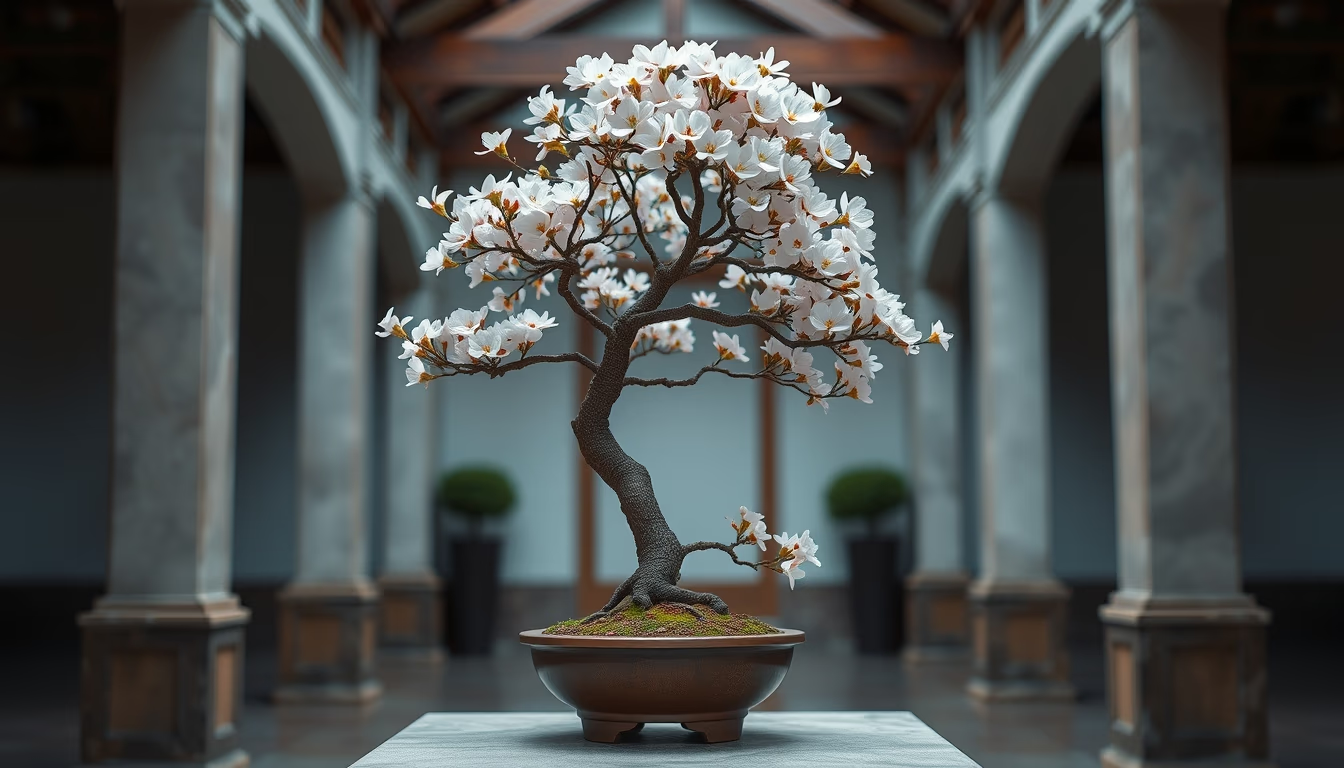
Culturally, bonsai forests symbolize balance, harmony, and the patience needed to appreciate the passage of time. Exhibitions like the Kokufu-ten in Tokyo showcase masterpieces from around the world. The largest bonsai museum is the Bonsai Art Museum in Takamatsu, Japan, which houses centuries-old specimens. In Brazil, bonsai gained momentum with Japanese immigration, with clubs and exhibitions in cities like São Paulo and Curitiba.
Today, millions of people practice bonsai worldwide, from hobbyists to renowned masters. The activity is often associated with therapy and meditation, as it requires focus and constant care. Preservation of rare species and knowledge sharing among enthusiasts keep this ancient art alive, continuing to fascinate with its ability to represent nature's grandeur on a small scale.
Frequently Asked Questions
What is the difference between bonsai and penjing?
Bonsai is the Japanese art of growing miniature trees, focusing on natural and minimalist forms. Penjing is its Chinese origin, which includes complete landscapes with rocks, water, and figurines, being more free and expressive.
How long does it take to form a bonsai forest?
The time varies by species and desired style. A basic forest may take 5 to 10 years to reach maturity, but complex compositions can require decades of continuous care.
Where can I see bonsai forests in Brazil?
Exhibitions are held at bonsai clubs, such as the Bonsai Clube do Brasil in São Paulo, and at the Botanical Garden of Curitiba. Seasonal fairs and events also feature bonsai forests.
Direct URL
https://pub-c7d6a6ea828543ac903a74a341ccb2e1.r2.dev/imagens/bonsai-forest-landscape-aerial-drone-shot-fresh11.avifHow to credit
Include a visible link back to UtilizAí. Copy one of the snippets below:
<a href="https://xn--utiliza-eza.com/en/midia/imagens/bonsai-forest-landscape-aerial-drone-shot-fresh11">Bonsai forest landscape</a> by <a href="https://xn--utiliza-eza.com">UtilizAí</a>, licensed under <a href="https://creativecommons.org/licenses/by/4.0/">CC BY 4.0</a>.
[Bonsai forest landscape](https://xn--utiliza-eza.com/en/midia/imagens/bonsai-forest-landscape-aerial-drone-shot-fresh11) by [UtilizAí](https://xn--utiliza-eza.com), CC BY 4.0
License: CC-BY-4.0