Bonsai ficus aerial roots
1344×768 · AVIF · CC BY 4.0
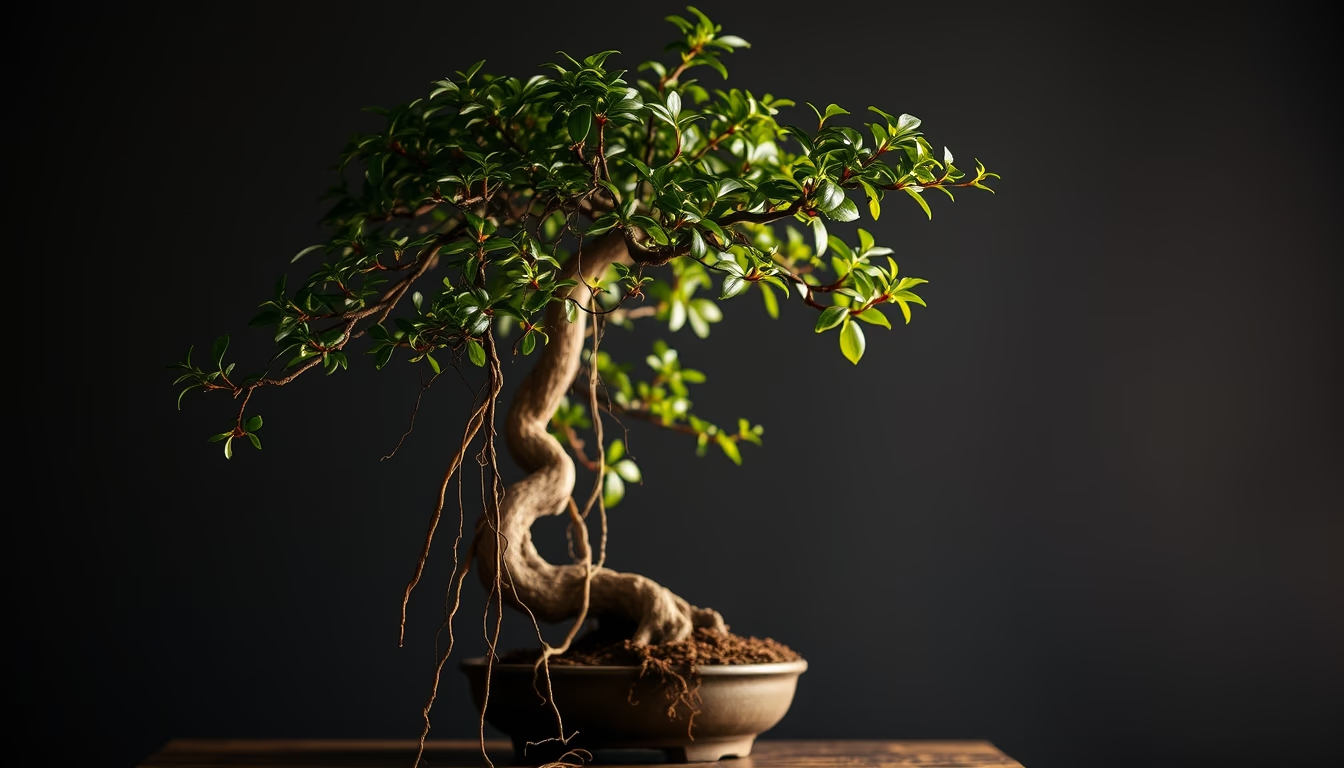
Ficus aerial roots are specialized structures that enhance bonsai aesthetics, evoking ancient miniature trees.
About this subject
Aerial roots are a distinctive feature of many ficus species used in bonsai art, such as Ficus retusa and Ficus benjamina. In nature, these roots grow from branches or the trunk in search of soil, helping the tree spread in humid environments like tropical forests in Asia. Upon reaching the ground, they thicken and become additional supports, giving the plant stability.
In bonsai cultivation, aerial roots are prized for their ability to mimic the look of very old trees with robust trunks and complex structure. Specific techniques encourage their development, such as wrapping the trunk with damp sphagnum moss or maintaining high humidity around the plant. Selective pruning and root guidance allow the artist to shape the desired silhouette.
Beyond aesthetics, aerial roots serve important physiological functions: they absorb moisture and nutrients from the air, which is beneficial in poor soils or during dry periods. This makes ficus especially adaptable to controlled indoor environments.
A fascinating fact is that the neagari style in Japanese bonsai tradition celebrates these exposed roots, symbolizing the tree's connection to the earth and its resilience against the elements. For practitioners, developing aerial roots is an exercise in patience, often taking years to achieve the desired result.
Frequently Asked Questions
How can I encourage aerial root growth on a ficus bonsai?
Increase humidity around the plant using a humidifier or regular misting. Wrapping the trunk with damp sphagnum moss and covering it with plastic also helps induce aerial root formation.
Are ficus aerial roots fragile?
Initially, aerial roots are thin and delicate, but they thicken over time and become quite sturdy. They can be pruned or guided without damage if handled carefully.
Why are aerial roots important in the neagari bonsai style?
In the neagari style, aerial roots are exposed to create a sense of age and solidity, symbolizing a tree that has survived floods or soil erosion. It is a way to tell a visual story of resilience.
Direct URL
https://pub-c7d6a6ea828543ac903a74a341ccb2e1.r2.dev/imagens/bonsai-ficus-aerial-roots-fine-art-photography-fresh15.avifHow to credit
Include a visible link back to UtilizAí. Copy one of the snippets below:
<a href="https://xn--utiliza-eza.com/en/midia/imagens/bonsai-ficus-aerial-roots-fine-art-photography-fresh15">Bonsai ficus aerial roots</a> by <a href="https://xn--utiliza-eza.com">UtilizAí</a>, licensed under <a href="https://creativecommons.org/licenses/by/4.0/">CC BY 4.0</a>.
[Bonsai ficus aerial roots](https://xn--utiliza-eza.com/en/midia/imagens/bonsai-ficus-aerial-roots-fine-art-photography-fresh15) by [UtilizAí](https://xn--utiliza-eza.com), CC BY 4.0
License: CC-BY-4.0