Bonsai cherry blossom mini
1344×768 · AVIF · CC BY 4.0
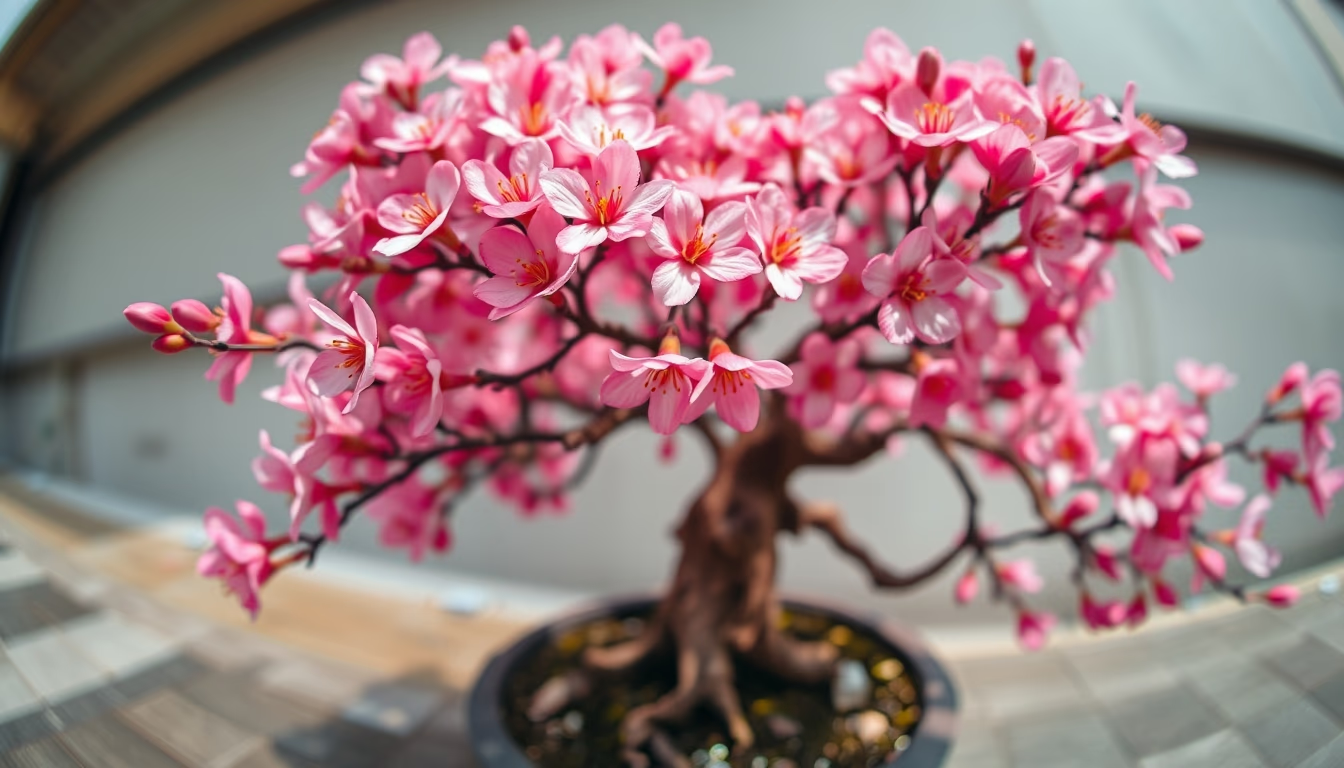
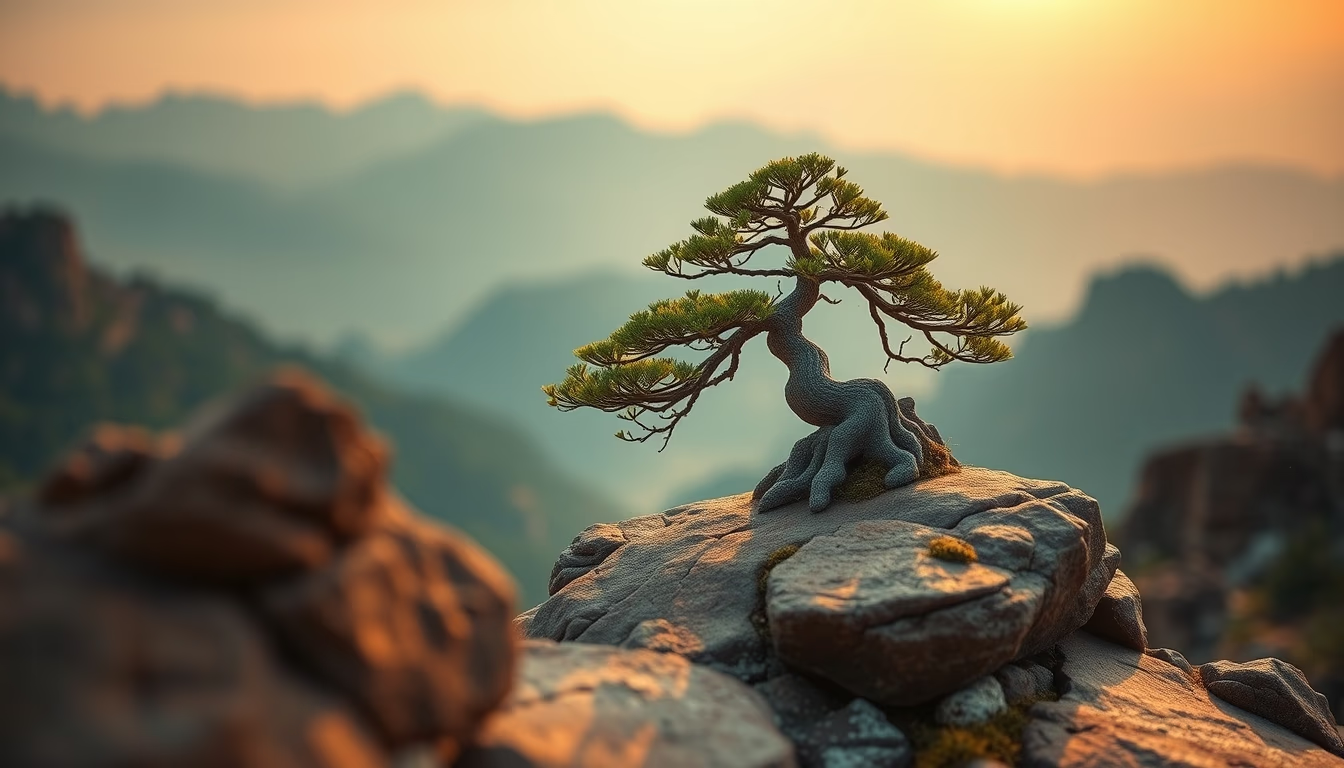
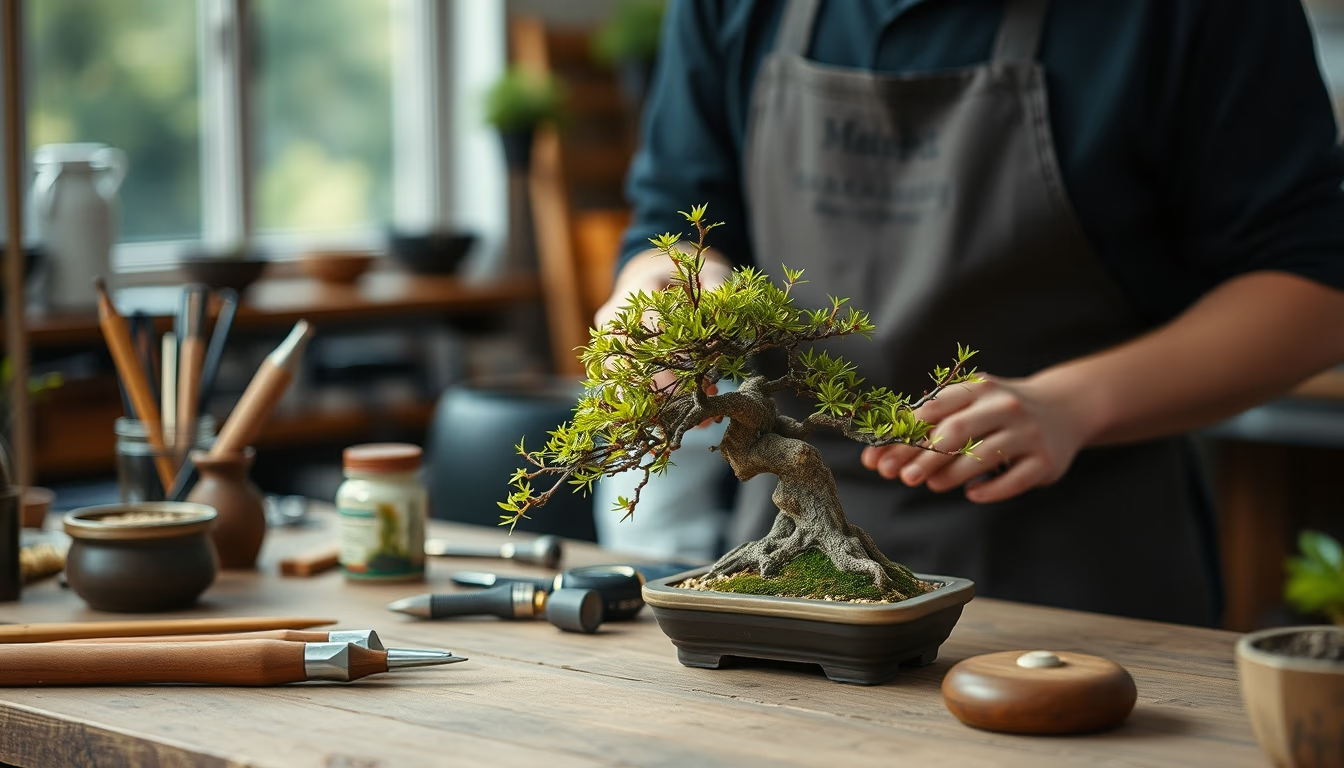
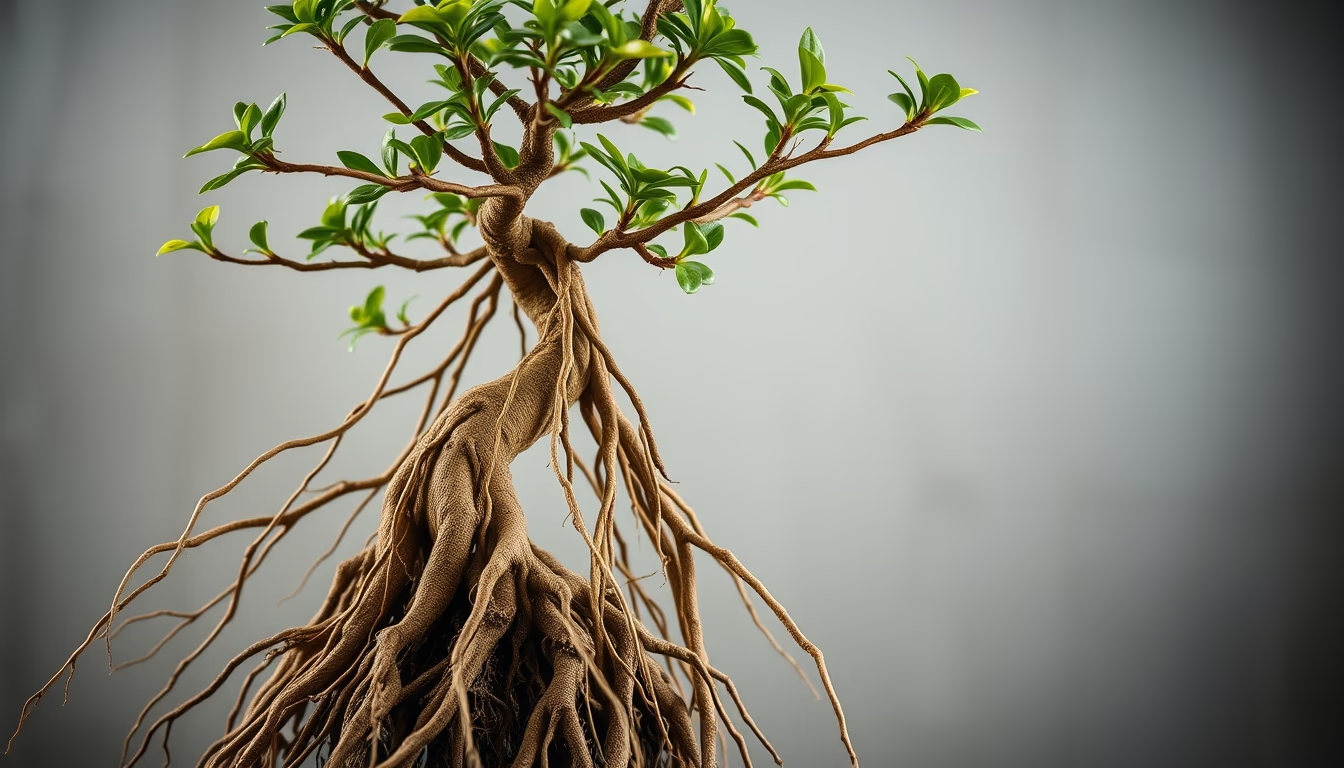
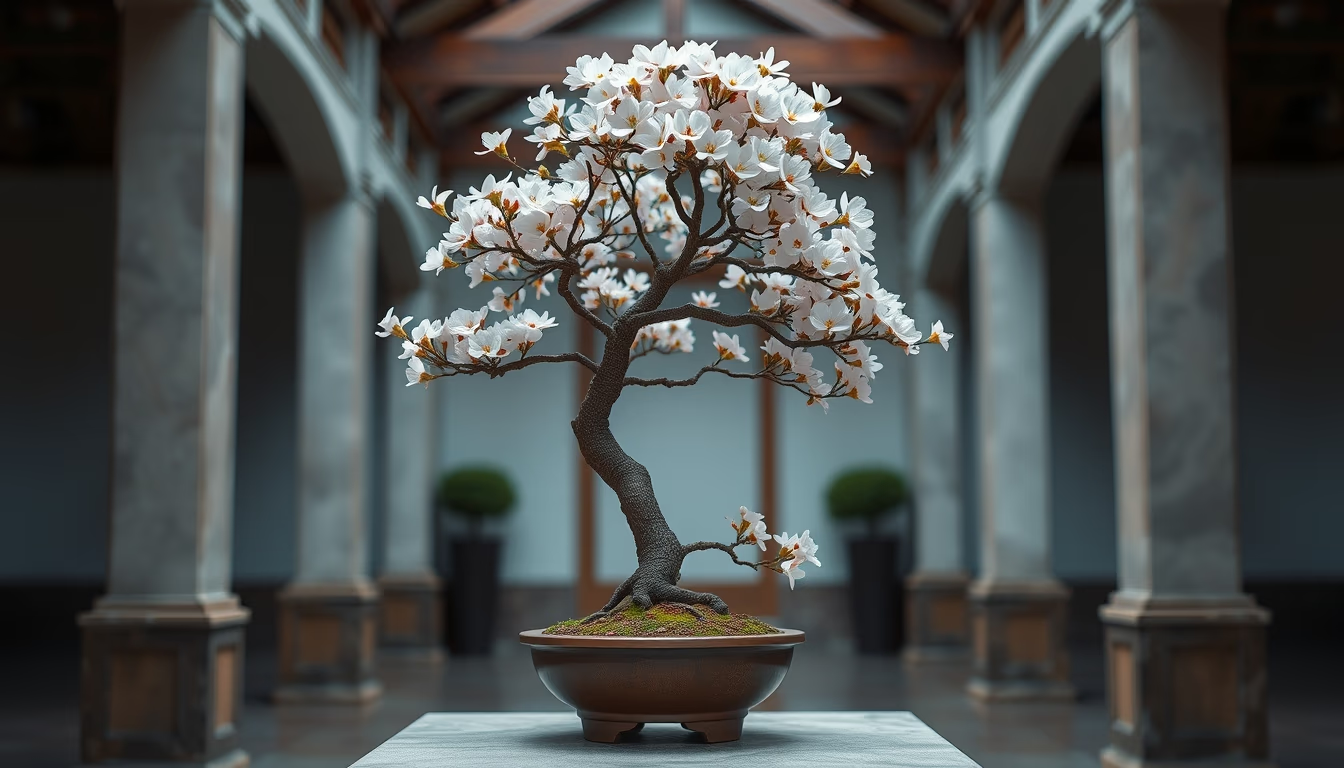
Miniature cherry blossom bonsai: a tiny tree capturing the ephemeral beauty of sakura blooms, cultivated with centuries-old techniques.
About this subject
Cherry blossom bonsai, known as sakura bonsai, is one of the most cherished forms of bonsai art. Originating in Japan, the cherry tree (Prunus serrulata) is celebrated for its delicate flowers that bloom for only a few weeks in spring. In the context of bonsai, the tree is miniaturized while retaining natural features like twisted trunks and rounded canopies. Techniques such as pruning, wiring, and planting in shallow containers control growth and create the illusion of an ancient tree.
The cherry blossom season, called hanami, holds great cultural significance in Japan, symbolizing the transience of life. Cultivating a cherry blossom bonsai requires patience, as the tree needs specific care: well-drained soil, full sun exposure, and regular watering to prevent drying. Additionally, it requires a cold period in winter to stimulate spring flowering. Many enthusiasts spend decades perfecting the shape and branching of their specimens.
While common in Japanese collections, cherry blossom bonsai is also grown worldwide, adapting to temperate climates. The 'Shidare Yoshino' variety is especially popular for its weeping branches and pink flowers. In Brazil, the native cherry tree (Prunus sellowii) serves as an alternative for those seeking a similar flowering bonsai better suited to tropical conditions. Regardless of species, cherry blossom bonsai demands a delicate balance of art and horticulture, resulting in a living sculpture that changes with each season.
Frequently Asked Questions
What does the cherry blossom mean in bonsai?
In cherry blossom bonsai, the flowers represent impermanence (mono no aware) and ephemeral beauty, core values in Japanese culture. Each spring, the brief blossom display renews the connection with life's cycles.
How do I care for a cherry blossom bonsai indoors?
Place the bonsai in a sunny location, water when the soil surface is dry, and avoid waterlogging. In winter, keep it in a cool area (not freezing) to enter dormancy. Prune branches after flowering to maintain shape.
What is the difference between Japanese and Brazilian cherry trees for bonsai?
The Japanese cherry (Prunus serrulata) requires intense cold to bloom, while the Brazilian cherry (Prunus sellowii) adapts better to mild or tropical climates. Both produce flowers, but the Brazilian species blooms less profusely and is more resilient.
Direct URL
https://pub-c7d6a6ea828543ac903a74a341ccb2e1.r2.dev/imagens/bonsai-cherry-blossom-mini-fish-eye-wide-angle-fresh4.avifHow to credit
Include a visible link back to UtilizAí. Copy one of the snippets below:
<a href="https://xn--utiliza-eza.com/en/midia/imagens/bonsai-cherry-blossom-mini-fish-eye-wide-angle-fresh4">Bonsai cherry blossom mini</a> by <a href="https://xn--utiliza-eza.com">UtilizAí</a>, licensed under <a href="https://creativecommons.org/licenses/by/4.0/">CC BY 4.0</a>.
[Bonsai cherry blossom mini](https://xn--utiliza-eza.com/en/midia/imagens/bonsai-cherry-blossom-mini-fish-eye-wide-angle-fresh4) by [UtilizAí](https://xn--utiliza-eza.com), CC BY 4.0
License: CC-BY-4.0