Biryani aromatic spice
1344×768 · AVIF · CC BY 4.0
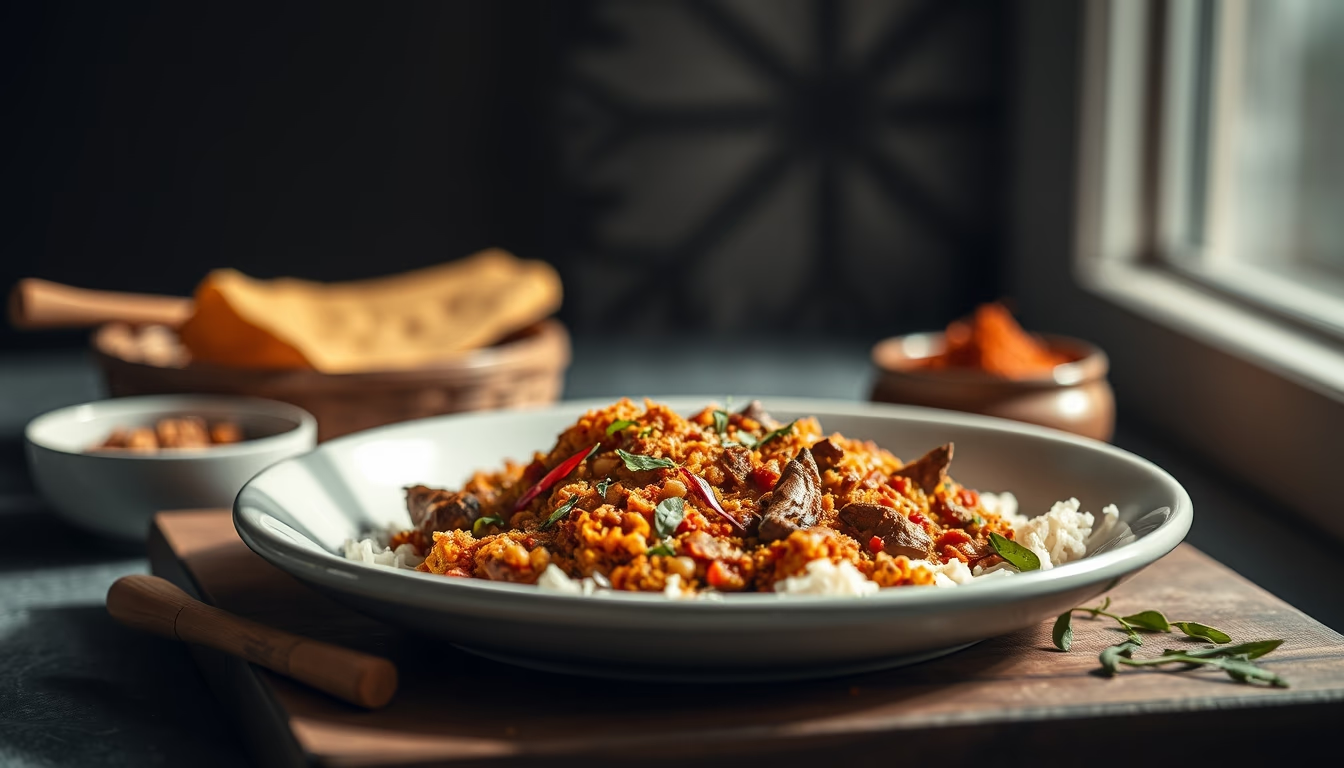
Biryani is an aromatic dish combining basmati rice, meat or vegetables, and a unique blend of spices, each with a specific role.
About this subject
Biryani is an iconic South Asian dish, especially popular in India, Pakistan, Bangladesh, and Sri Lanka. Its essence lies in the combination of whole and ground spices, carefully selected to create layers of flavor. Common spices include green and black cardamom, cinnamon sticks, cloves, Indian bay leaves (tej patta), cumin seeds, coriander seeds, nutmeg, black pepper, and turmeric. Additionally, garam masala is often added to intensify the aroma.
The cooking technique involves slow cooking in a sealed pot (dum pukht), where steam circulates and infuses the rice with essential oils from the spices. Each spice has a role: cardamom provides floral and citrus notes, cinnamon adds woody sweetness, cloves bring warm pungency, and Indian bay leaves offer a subtle eucalyptus-like aroma. Cumin and coriander balance with earthiness, while turmeric gives color and a slightly bitter taste.
Historically, biryani has Persian origins, adapted by Mughal emperors in India. Regional variations include Hyderabadi biryani (spicier), Lucknowi biryani (milder and more fragrant), and Sindhi biryani (with potato and yogurt). Spice choices vary by region; for example, South Indian biryani uses more red chili and curry leaves, while North Indian versions prefer saffron and kewra (pandan flower essence).
Interestingly, many of these spices have medicinal properties. Clove is antiseptic, cinnamon helps control blood sugar, and cardamom aids digestion. However, in biryani, the focus is sensory balance: the heat of spices should not dominate but harmonize with the rice and protein. The ideal proportion is a family secret, and professional chefs often lightly toast whole spices before use to release essential oils.
Frequently Asked Questions
What are the essential spices for an authentic biryani?
Essential spices include green and black cardamom, cinnamon, cloves, Indian bay leaves, cumin, coriander, nutmeg, black pepper, and turmeric. Garam masala is also common to enhance the aroma.
Why are biryani spices so aromatic?
The intense aroma comes from essential oils released when spices are lightly toasted or steamed. The dum pukht method (slow cooking in a sealed pot) helps concentrate these aromas into the rice.
Is there a difference between Indian and Pakistani biryani spices?
Yes, Indian biryani (especially Hyderabadi) tends to be spicier, with more red chili and curry leaves. Pakistani biryani (like Sindhi) uses more yogurt, potatoes, and a different spice mix, including fennel seeds and star anise.
Direct URL
https://pub-c7d6a6ea828543ac903a74a341ccb2e1.r2.dev/imagens/biryani-aromatic-spice-minimalist-composition-p3.avifHow to credit
Include a visible link back to UtilizAí. Copy one of the snippets below:
<a href="https://xn--utiliza-eza.com/en/midia/imagens/biryani-aromatic-spice-minimalist-composition-p3">Biryani aromatic spice</a> by <a href="https://xn--utiliza-eza.com">UtilizAí</a>, licensed under <a href="https://creativecommons.org/licenses/by/4.0/">CC BY 4.0</a>.
[Biryani aromatic spice](https://xn--utiliza-eza.com/en/midia/imagens/biryani-aromatic-spice-minimalist-composition-p3) by [UtilizAí](https://xn--utiliza-eza.com), CC BY 4.0
License: CC-BY-4.0