Biryani aromatic spice
1344×768 · AVIF · CC BY 4.0
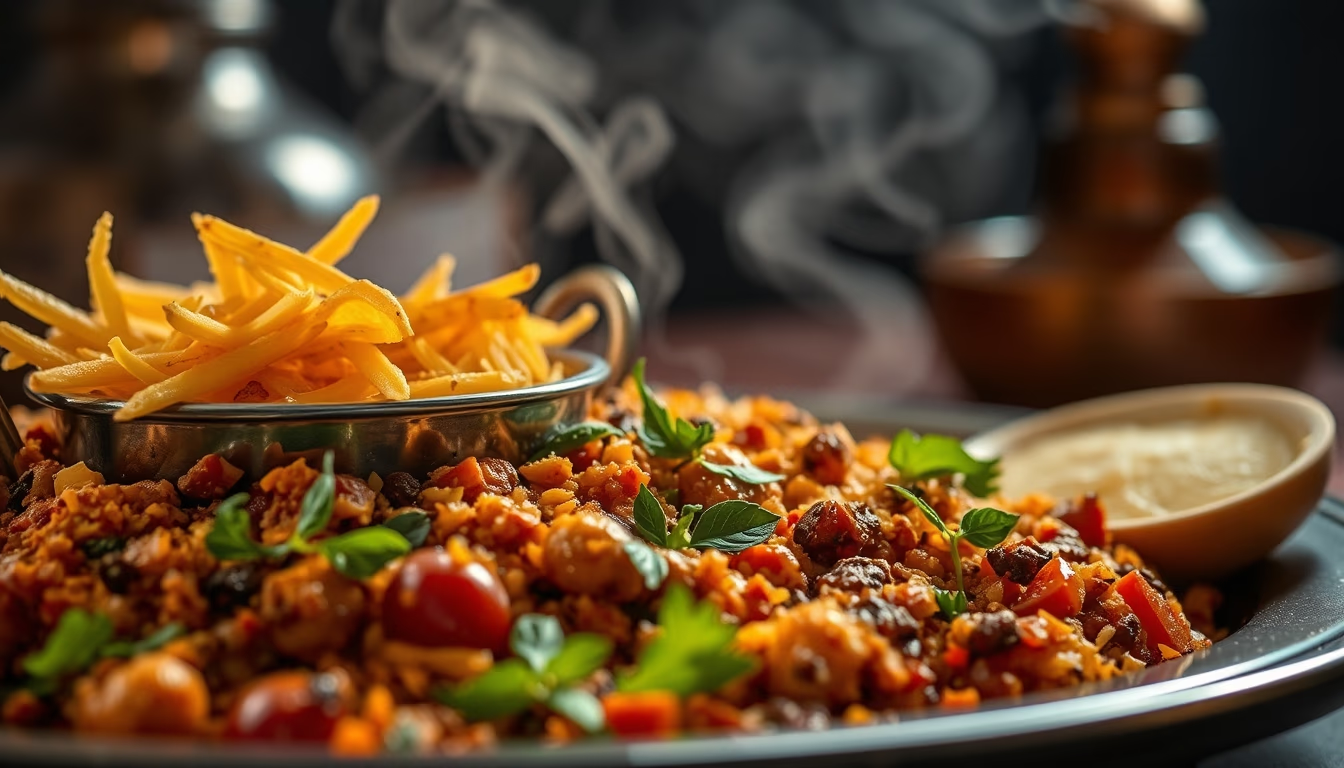
Biryani aromatic spices blend cardamom, cinnamon, cloves, and saffron, essential for the Indo-Pakistani dish.
About this subject
Biryani is a spiced rice dish originating from the Indian subcontinent, whose aromatic base consists of a complex mix of whole and ground spices. Common ones include green and black cardamom, cinnamon sticks, cloves, bay leaves, nutmeg, mace, cumin, coriander, black pepper, and saffron, which gives the characteristic color and fragrance. The layered cooking technique (dum) allows flavors to infuse into basmati rice.
Historically, biryani has Persian roots (from 'biryān' meaning 'fried' or 'grilled') and was introduced to India by the Mughals in the 16th century. Each region developed variations: Hyderabadi biryani uses more chili and strong spices, while Lucknowi (Awadhi) is milder and more perfumed. In Kerala, Malabar biryani includes coconut and curry leaves. Spice choices vary by family tradition and local availability.
From a culinary perspective, spice proportions are crucial. Garam masala, for example, typically includes cardamom, cinnamon, cloves, and nutmeg. Saffron, harvested from Crocus sativus stigmas, is one of the world's most expensive ingredients, used to dye rice a deep yellow. Rose water and orange blossom water are liquid additions that elevate the floral profile.
A curious fact: biryani is often compared to pulao, but the main difference lies in the cooking method. In pulao, rice is cooked together with spices; in biryani, layers of parboiled rice and meat/vegetables are assembled and finished on low heat (dum). This slow process allows flavors to meld without the rice becoming mushy.
Frequently Asked Questions
Which spices are essential for a traditional biryani?
Essential spices include green and black cardamom, cinnamon, cloves, bay leaves, cumin, coriander, black pepper, nutmeg, mace, and saffron. The mix varies by region.
What is the difference between biryani and pulao?
In biryani, rice is partially cooked separately and layered with meat/vegetables, then finished on low heat (dum). In pulao, rice is cooked together with spices and ingredients.
Why is saffron so expensive and used in biryani?
Saffron is hand-harvested from Crocus sativus stigmas, requiring thousands of flowers for one kilogram. In biryani, it gives vibrant yellow color and a subtle floral aroma.
Direct URL
https://pub-c7d6a6ea828543ac903a74a341ccb2e1.r2.dev/imagens/biryani-aromatic-spice-fine-art-photography-p4.avifHow to credit
Include a visible link back to UtilizAí. Copy one of the snippets below:
<a href="https://xn--utiliza-eza.com/en/midia/imagens/biryani-aromatic-spice-fine-art-photography-p4">Biryani aromatic spice</a> by <a href="https://xn--utiliza-eza.com">UtilizAí</a>, licensed under <a href="https://creativecommons.org/licenses/by/4.0/">CC BY 4.0</a>.
[Biryani aromatic spice](https://xn--utiliza-eza.com/en/midia/imagens/biryani-aromatic-spice-fine-art-photography-p4) by [UtilizAí](https://xn--utiliza-eza.com), CC BY 4.0
License: CC-BY-4.0