Biomedical lab clean
1344×768 · AVIF · CC BY 4.0
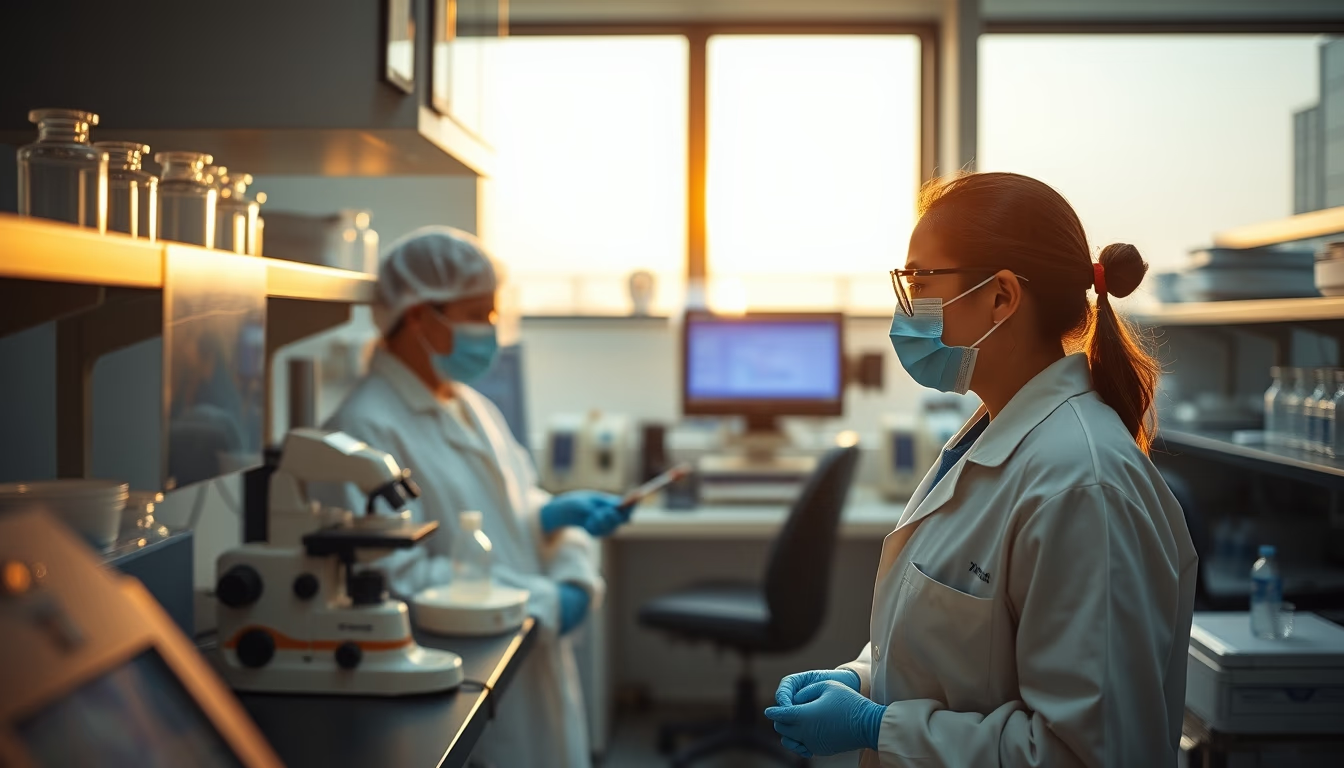
Clean biomedical labs follow strict sterilization and contamination control protocols, essential for ensuring experimental validity and professional safety.
About this subject
A clean biomedical lab results from rigorous biosafety and good laboratory practices. Cross-contamination can invalidate expensive experiments and compromise scientific research outcomes. Therefore, surfaces are regularly disinfected with agents such as 70% alcohol or sodium hypochlorite, and access is restricted to trained personnel wearing appropriate attire like lab coats, gloves, and caps.
Cleanroom classification follows international standards such as ISO 14644, which sets limits for airborne particles. In biosafety level 2 or 3 laboratories, ventilation systems with HEPA filters maintain negative pressure to prevent pathogens from escaping. Additionally, materials are autoclaved or disposed of in specific infectious waste containers.
In Brazil, the National Health Surveillance Agency (ANVISA) establishes guidelines for clinical and research labs. The cleaning routine includes decontamination of work surfaces before and after use, and periodic validation of equipment like autoclaves and laminar flow hoods. Maintaining traceability of each step is critical for audits and certifications.
Interesting fact: the first modern cleanroom was developed in the 1960s for the aerospace industry but was quickly adopted by biomedical labs to prevent contamination in cell cultures and handling of sterile drugs.
Frequently Asked Questions
What is the difference between cleaning and disinfection in a biomedical lab?
Cleaning removes visible dirt and microorganisms with detergents. Disinfection uses chemical agents to eliminate most pathogens, but not necessarily spores. Sterilization destroys all forms of microbial life.
Why is negative pressure important in labs handling infectious agents?
Negative pressure prevents contaminated air from leaving the lab to external areas, reducing the risk of pathogen spread. Air is HEPA-filtered before release.
How often should work surfaces in a biomedical lab be cleaned?
Surfaces should be cleaned and disinfected before and after each use, and at the end of the shift. In higher-risk areas, frequency may increase according to the lab's protocol.
Direct URL
https://pub-c7d6a6ea828543ac903a74a341ccb2e1.r2.dev/imagens/biomedical-lab-clean-travel-photography-p9.avifHow to credit
Include a visible link back to UtilizAí. Copy one of the snippets below:
<a href="https://xn--utiliza-eza.com/en/midia/imagens/biomedical-lab-clean-travel-photography-p9">Biomedical lab clean</a> by <a href="https://xn--utiliza-eza.com">UtilizAí</a>, licensed under <a href="https://creativecommons.org/licenses/by/4.0/">CC BY 4.0</a>.
[Biomedical lab clean](https://xn--utiliza-eza.com/en/midia/imagens/biomedical-lab-clean-travel-photography-p9) by [UtilizAí](https://xn--utiliza-eza.com), CC BY 4.0
License: CC-BY-4.0