Biofilm bacterial slime
1344×768 · AVIF · CC BY 4.0
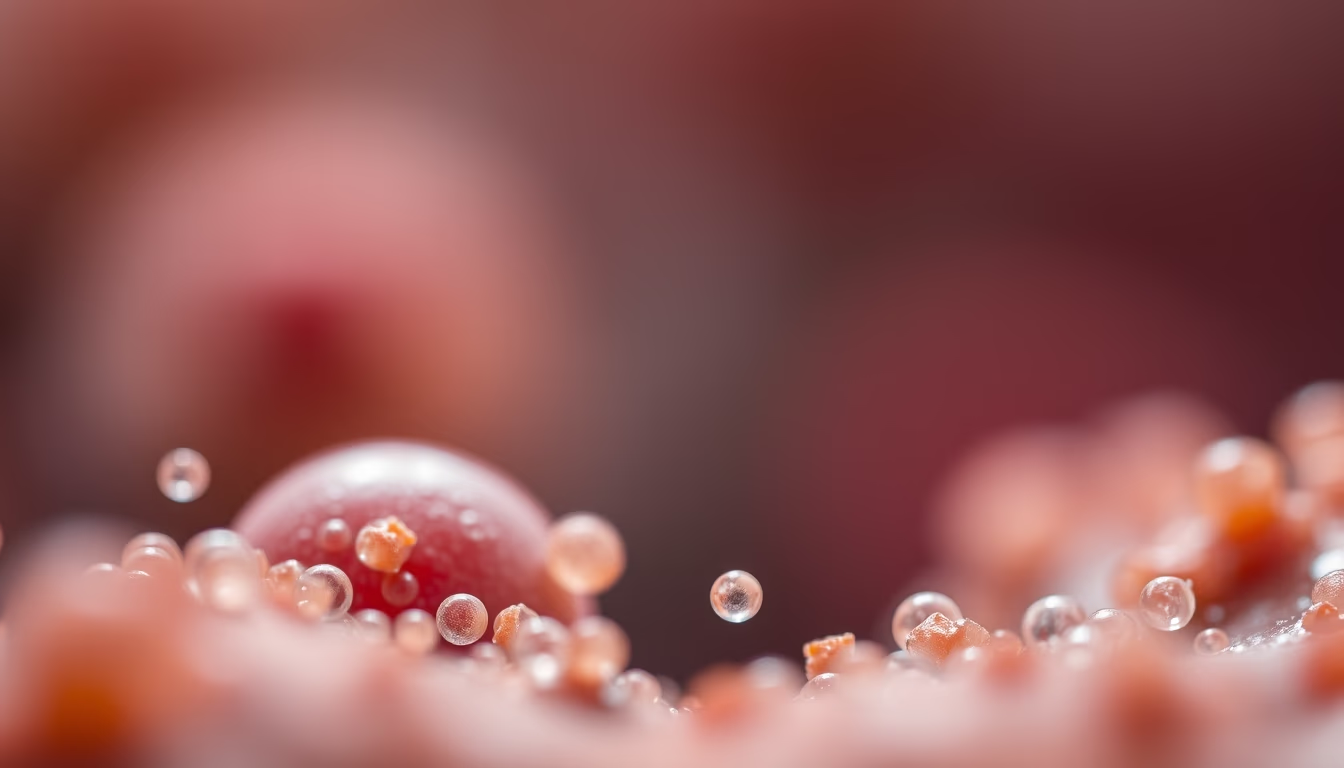
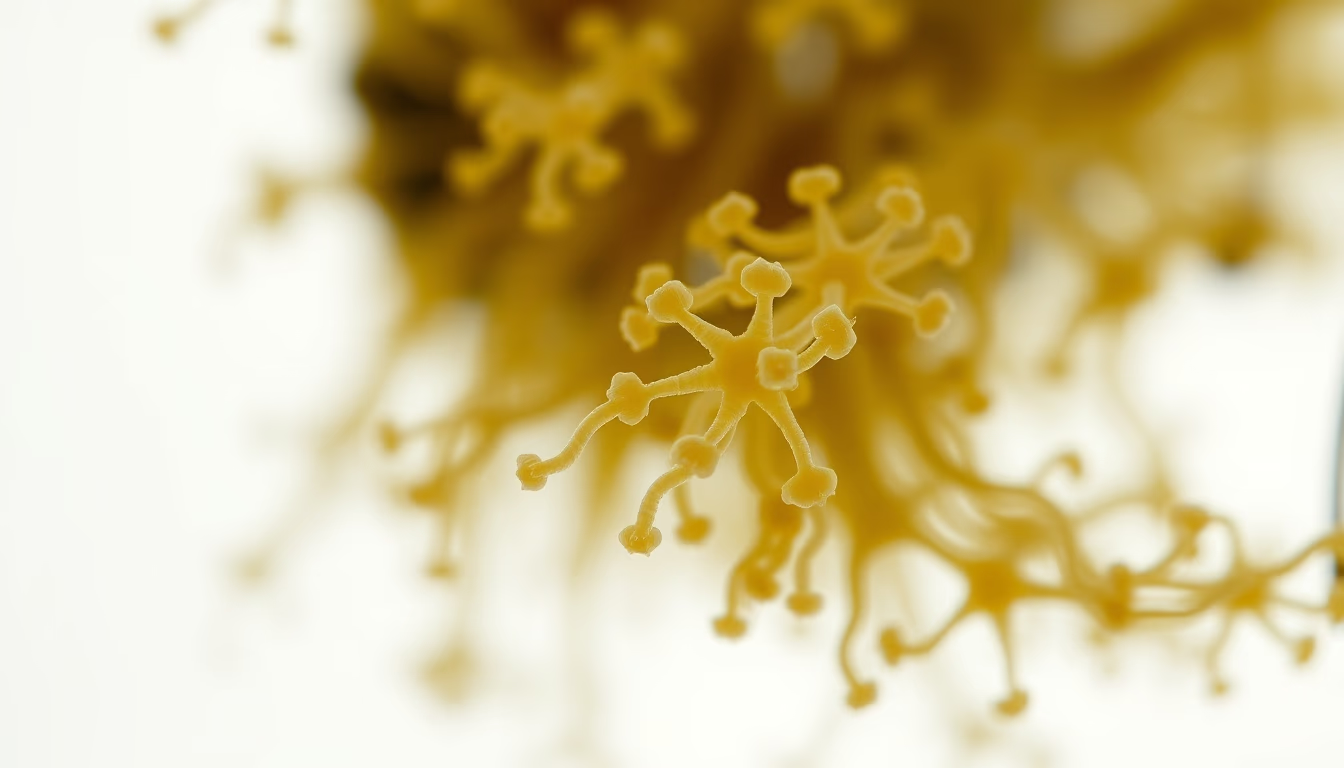
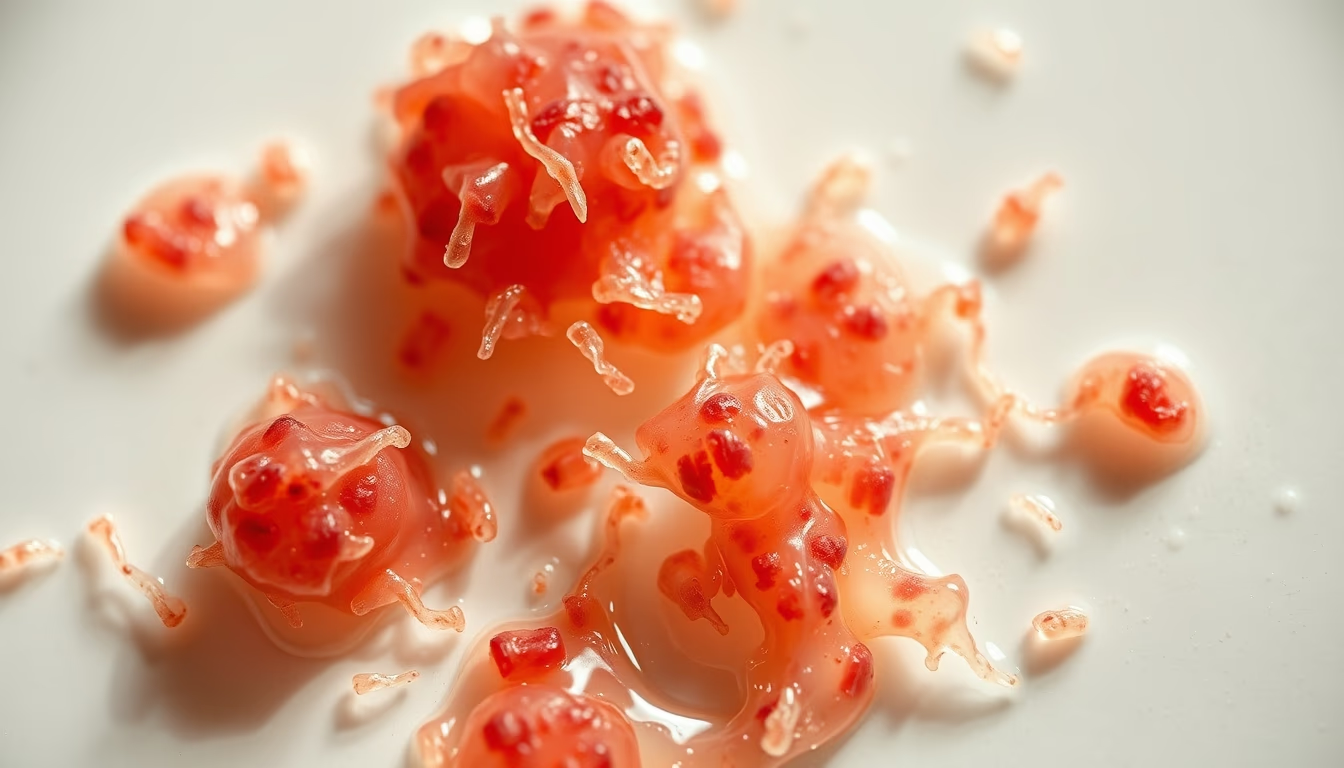
Bacterial biofilm is a community of microorganisms encased in a slimy matrix, crucial for their survival and resistance.
About this subject
Bacterial biofilm is not just random bacterial accumulation. It is a structured community attached to surfaces and enveloped in a matrix of extracellular polymeric substances (EPS). This slimy matrix, composed of polysaccharides, proteins, and DNA, acts as a protective shield. Unlike free-floating planktonic cells, bacteria in biofilms exhibit high resistance to antibiotics, disinfectants, and the immune system, making chronic infections difficult to eradicate.
Biofilm formation follows stages: initial reversible adhesion, irreversible attachment, maturation, and dispersal. During maturation, bacteria communicate via quorum sensing, coordinating matrix production and collective behavior. Common examples include dental plaque, biofilms on medical catheters, and fouling on ship hulls. In industry, biofilms cause biofouling in water systems and pipelines.
In the natural environment, biofilms play important ecological roles. In rivers and oceans, they form microbial mats that participate in biogeochemical cycles. In wastewater treatment plants, biofilms are used in biological reactors to degrade pollutants. Biofilm engineering aims to control their formation in medical and biotechnological applications.
Interestingly, the oldest known biofilm dates back about 3.5 billion years, found in fossilized stromatolites. These structures are evidence of primitive microbial life on Earth.
Frequently Asked Questions
What is bacterial biofilm?
It is a community of bacteria attached to a surface and encased in a slimy matrix of extracellular polymeric substances, which provides protection and enables communication.
How do biofilms cause antibiotic resistance?
The biofilm matrix hinders antibiotic penetration, and bacteria inside have slow metabolism, making them less susceptible. They can also transfer resistance genes.
What are common examples of biofilm in daily life?
Dental plaque, slime on sinks and drains, and fouling on ship hulls. In medicine, biofilms on catheters and implants are sources of persistent infections.
Direct URL
https://pub-c7d6a6ea828543ac903a74a341ccb2e1.r2.dev/imagens/biofilm-bacterial-slime-tilt-shift-miniature-fresh8.avifHow to credit
Include a visible link back to UtilizAí. Copy one of the snippets below:
<a href="https://xn--utiliza-eza.com/en/midia/imagens/biofilm-bacterial-slime-tilt-shift-miniature-fresh8">Biofilm bacterial slime</a> by <a href="https://xn--utiliza-eza.com">UtilizAí</a>, licensed under <a href="https://creativecommons.org/licenses/by/4.0/">CC BY 4.0</a>.
[Biofilm bacterial slime](https://xn--utiliza-eza.com/en/midia/imagens/biofilm-bacterial-slime-tilt-shift-miniature-fresh8) by [UtilizAí](https://xn--utiliza-eza.com), CC BY 4.0
License: CC-BY-4.0