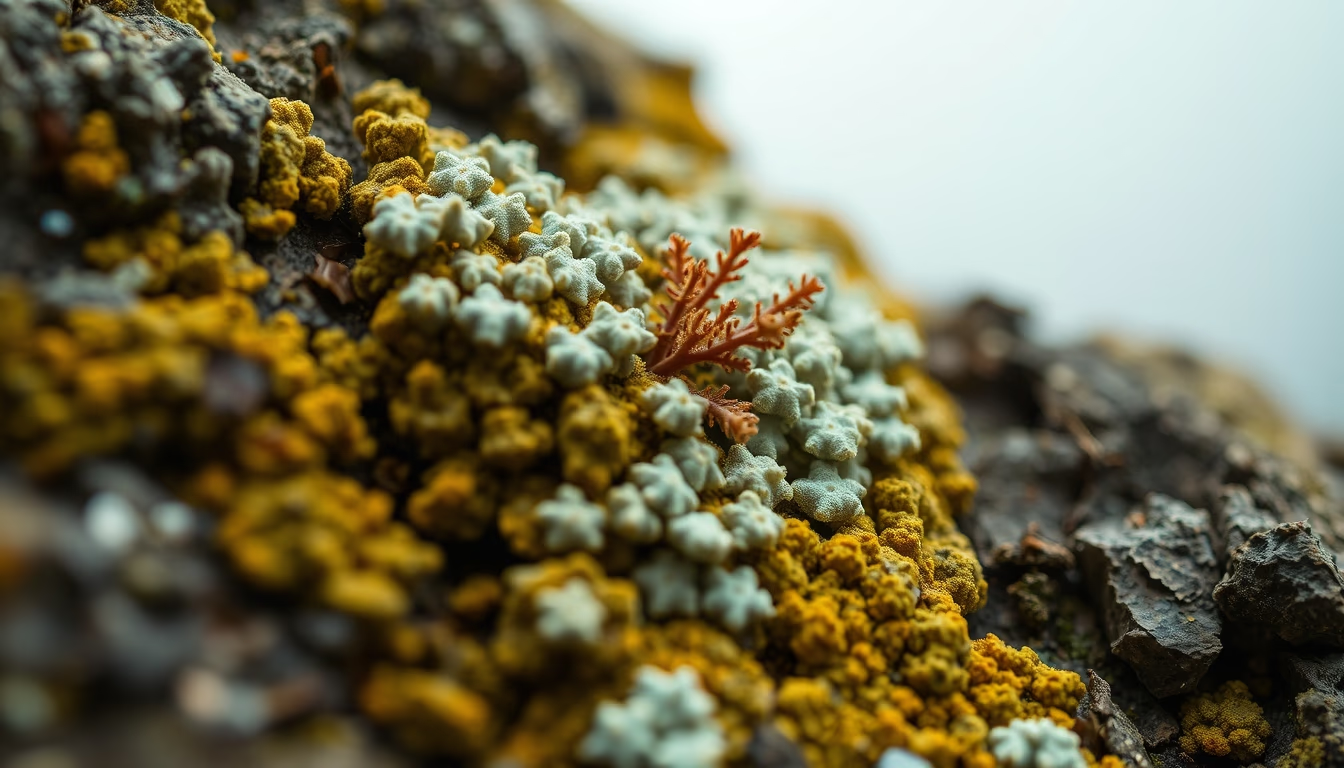
Biofilm bacterial slime
1344×768 · AVIF · CC BY 4.0

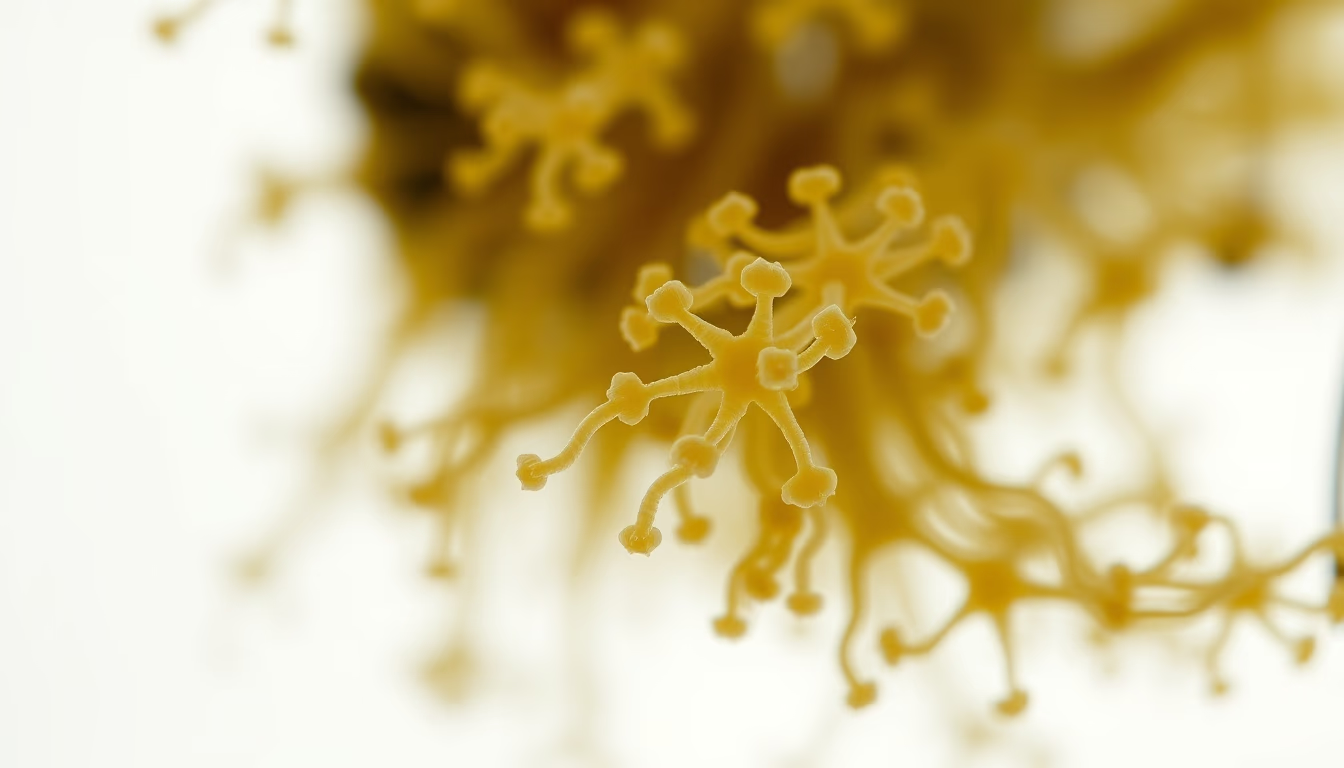
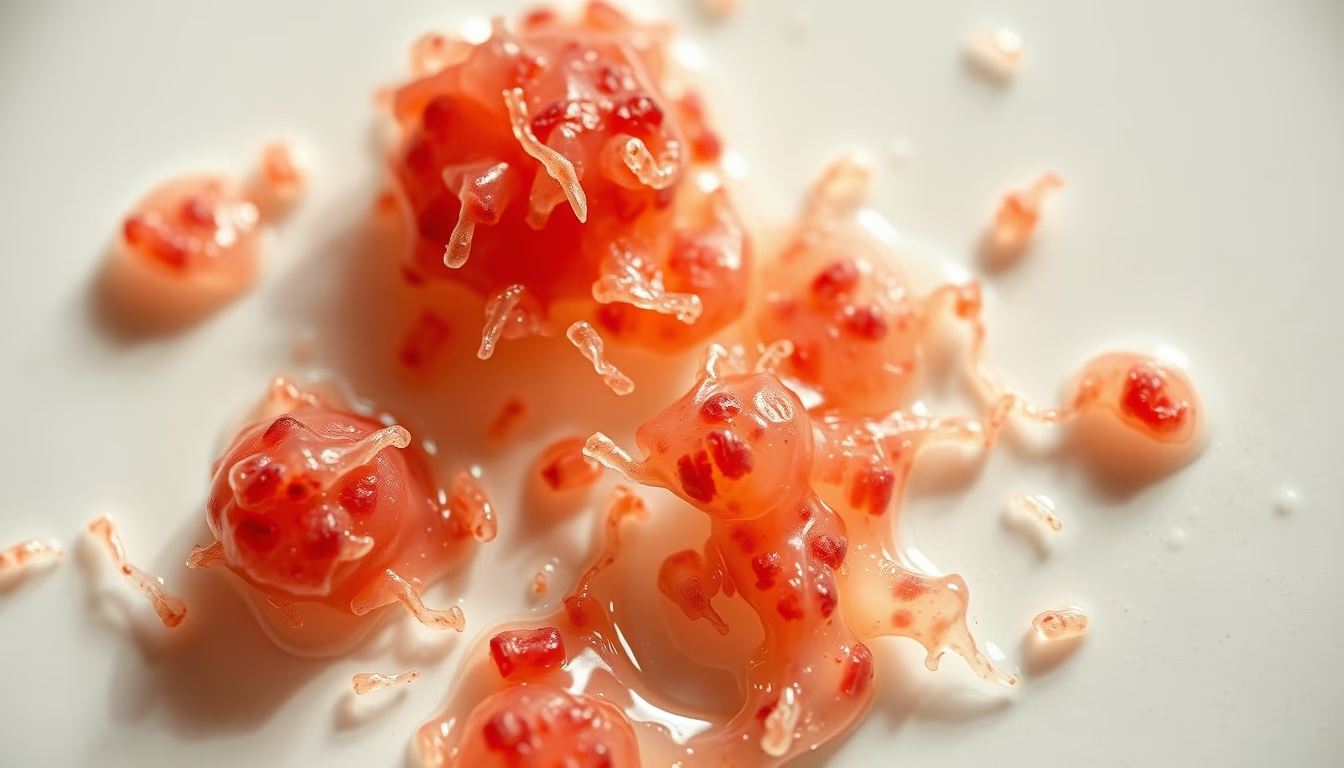
Bacterial biofilm is a community of microorganisms enclosed in a slimy matrix, responsible for persistent infections and antibiotic resistance.
About this subject
Bacterial biofilms are complex structures formed when microorganisms adhere to surfaces and produce an extracellular matrix composed of polysaccharides, proteins, and DNA. This slimy mucus protects bacteria from external threats such as antibiotics and the immune system. The formation process involves five stages: reversible attachment, irreversible attachment, early maturation, late maturation, and dispersion. Cell-to-cell communication, known as quorum sensing, regulates the expression of genes related to matrix production and resistance.
In medicine, biofilms pose a major challenge. An estimated 80% of chronic bacterial infections are associated with biofilms, including infections on prosthetics, catheters, heart valves, and chronic wounds. Dental caries and plaque are also biofilm examples. Their antibiotic resistance can be up to a thousand times greater than that of planktonic (free-swimming) bacteria, due to the physical barrier of the matrix and the presence of persister cells.
However, biofilms are not only harmful. In wastewater treatment plants, biofilms are used in biological filters to degrade pollutants. In nature, they form microbial mats that participate in biogeochemical cycles, such as nitrogen fixation and nutrient recycling. The study of biofilms has inspired technologies like anti-fouling surfaces and new antimicrobial agents that aim to inhibit matrix formation.
Interestingly, the term "biofilm" was coined in the 1970s, but the phenomenon was already observed by Antonie van Leeuwenhoek in the 17th century when he examined dental plaque under his microscope. Modern research seeks to understand how to dismantle biofilms without inducing bacterial resistance, combining enzymes, phages, and natural compounds.
Frequently Asked Questions
What is a bacterial biofilm?
A bacterial biofilm is a community of bacteria attached to a surface and encased in a slimy matrix of polysaccharides, proteins, and DNA. This structure protects the bacteria and enables them to resist antibiotics and the immune system.
How do biofilms form?
Formation occurs in five stages: reversible attachment, irreversible attachment, early maturation, late maturation, and dispersion. Quorum sensing communication coordinates matrix production and the expression of resistance genes.
Why are biofilms resistant to antibiotics?
The extracellular matrix acts as a physical barrier, hindering antibiotic penetration. Additionally, bacteria in the biofilm may enter a low-metabolic state (persister cells), becoming insensitive to many drugs.
Direct URL
https://pub-c7d6a6ea828543ac903a74a341ccb2e1.r2.dev/imagens/biofilm-bacterial-slime-long-exposure-fresh5.avifHow to credit
Include a visible link back to UtilizAí. Copy one of the snippets below:
<a href="https://xn--utiliza-eza.com/en/midia/imagens/biofilm-bacterial-slime-long-exposure-fresh5">Biofilm bacterial slime</a> by <a href="https://xn--utiliza-eza.com">UtilizAí</a>, licensed under <a href="https://creativecommons.org/licenses/by/4.0/">CC BY 4.0</a>.
[Biofilm bacterial slime](https://xn--utiliza-eza.com/en/midia/imagens/biofilm-bacterial-slime-long-exposure-fresh5) by [UtilizAí](https://xn--utiliza-eza.com), CC BY 4.0
License: CC-BY-4.0