Biofilm bacterial slime
1344×768 · AVIF · CC BY 4.0
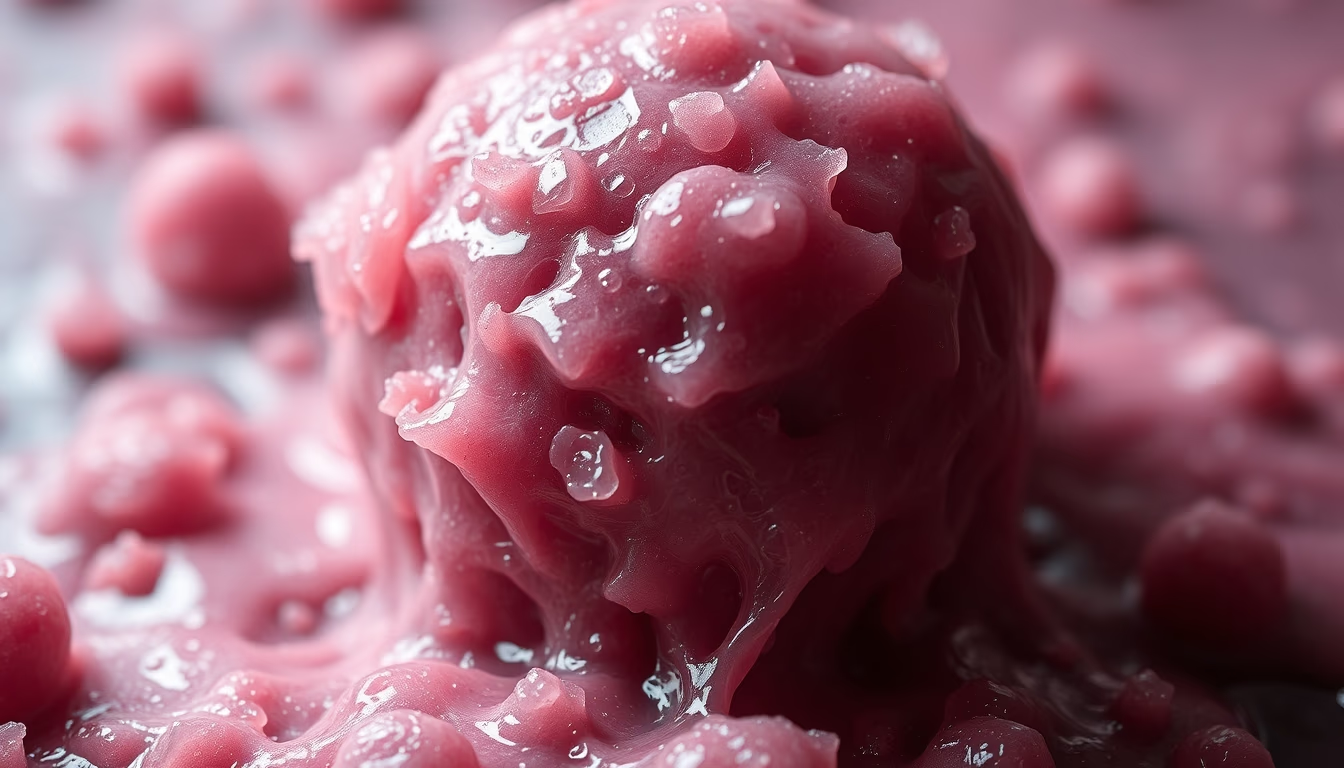
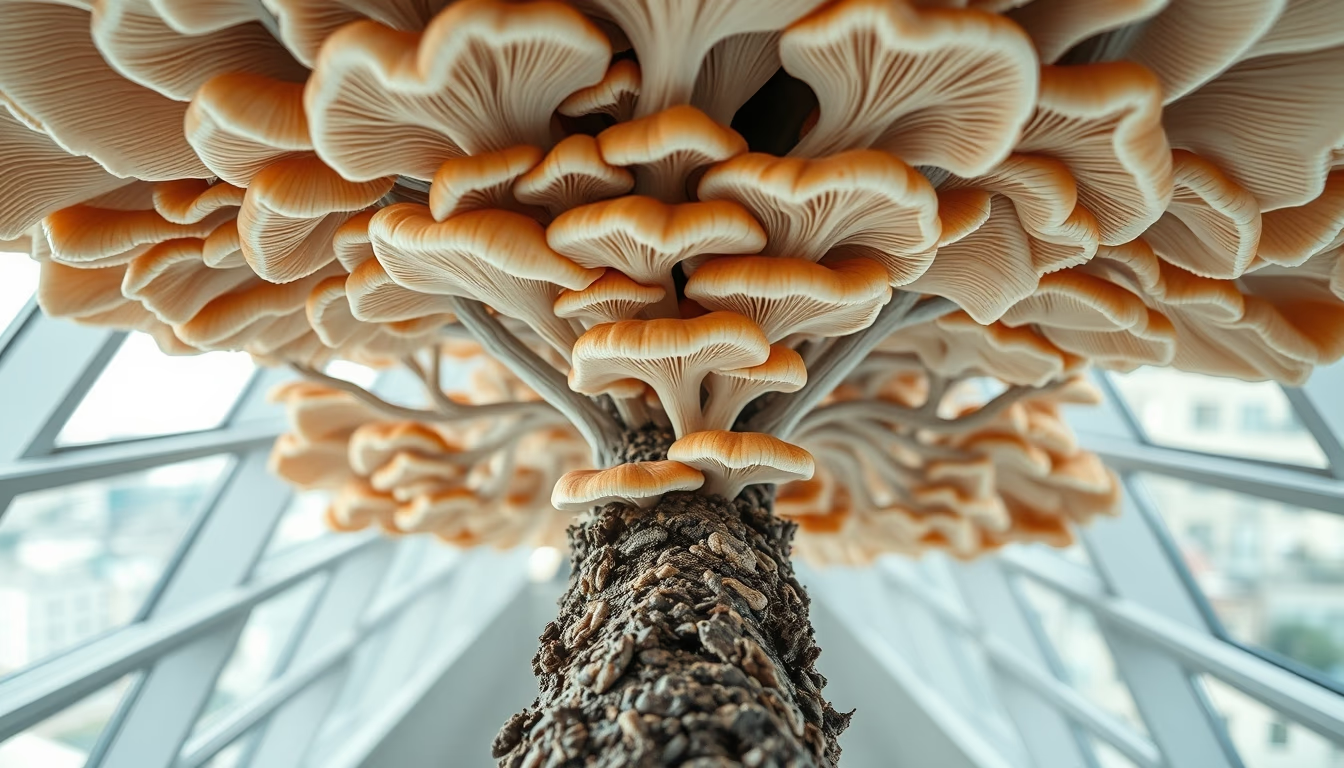
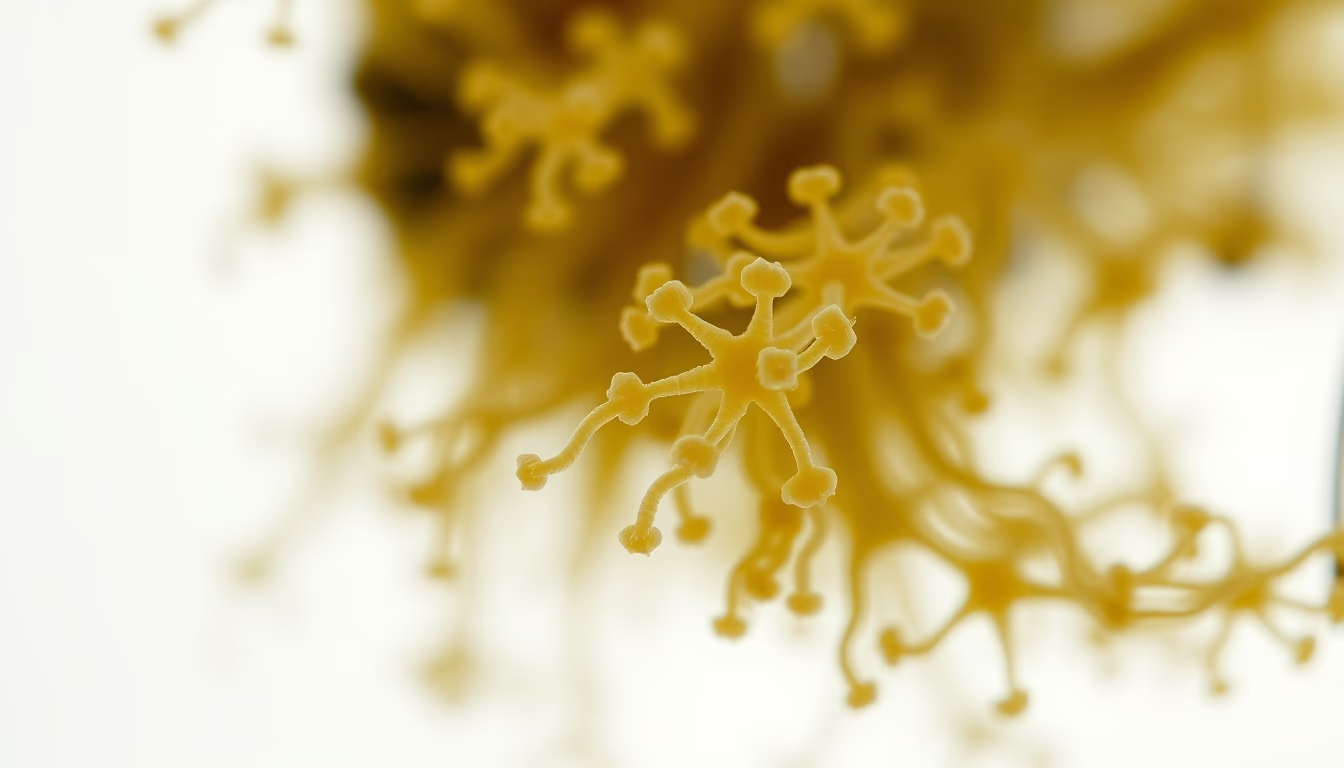
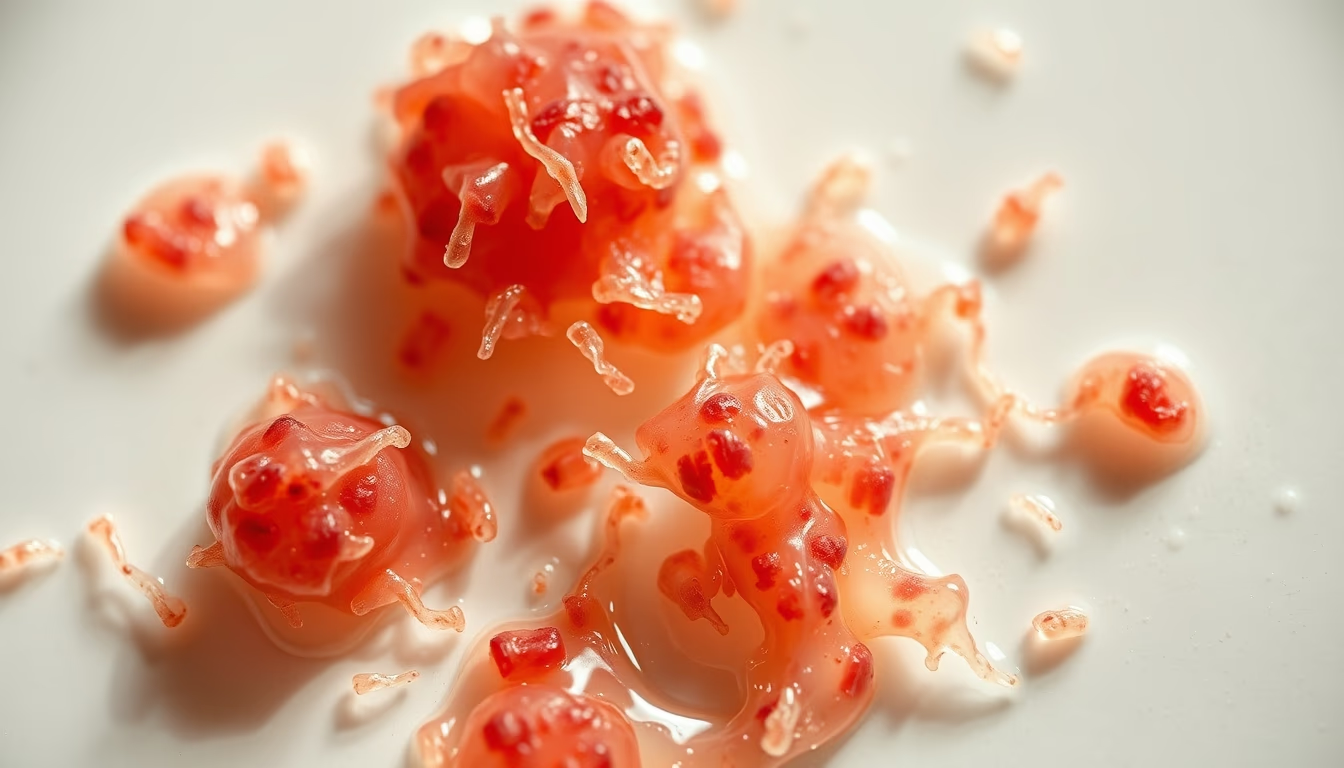
Bacterial biofilms are complex communities of microorganisms embedded in a slimy matrix, crucial for bacterial survival in various environments.
About this subject
Bacterial biofilms are structured communities of microorganisms adhering to surfaces and encased in an extracellular polymeric substance (EPS) composed of polysaccharides, proteins, lipids, and DNA. This slimy matrix shields bacteria from environmental stresses such as antibiotics, disinfectants, UV radiation, and desiccation. Biofilm formation is a dynamic process involving initial attachment, maturation, and cell dispersal. They thrive on nearly any moist surface, from river rocks to medical implants, water pipes, and dental plaque.
The impact of biofilms is vast in nature, medicine, and industry. In the human body, biofilms cause chronic infections linked to catheters, joint prostheses, and periodontitis. About 80% of bacterial infections involve biofilms, posing a major challenge due to antimicrobial resistance. Conversely, biofilms are beneficial in bioremediation, wastewater treatment, and fermented food production. They also contribute to stromatolite formation, fossilized structures that record early microbial life.
Bacteria in biofilms communicate via quorum sensing, a signaling mechanism that coordinates gene expression. The discovery of biofilms revolutionized microbiology, revealing that bacteria predominantly live in communities rather than as isolated cells. Current research explores EPS-degrading enzymes like DNases and dispersins as novel antibiofilm strategies.
Everyday examples include dental plaque, which if not removed leads to cavities and gingivitis, and the slime on stream rocks. Understanding biofilms is key for advances in public health, sanitation, and biotechnology.
Frequently Asked Questions
What is a bacterial biofilm?
It is a community of bacteria attached to a surface and encased in a slimy matrix of polymeric substances, which protects them and facilitates intercellular communication.
Where can biofilms be found?
On virtually any moist surface: from natural environments like rivers and soil to artificial surfaces such as pipes, medical implants, and dental plaque.
Why are biofilms resistant to antibiotics?
The extracellular matrix hinders antibiotic penetration, and cells in biofilms have low metabolic activity and genetic resistance mechanisms, making treatment challenging.
Direct URL
https://pub-c7d6a6ea828543ac903a74a341ccb2e1.r2.dev/imagens/biofilm-bacterial-slime-fine-art-photography-fresh16.avifHow to credit
Include a visible link back to UtilizAí. Copy one of the snippets below:
<a href="https://xn--utiliza-eza.com/en/midia/imagens/biofilm-bacterial-slime-fine-art-photography-fresh16">Biofilm bacterial slime</a> by <a href="https://xn--utiliza-eza.com">UtilizAí</a>, licensed under <a href="https://creativecommons.org/licenses/by/4.0/">CC BY 4.0</a>.
[Biofilm bacterial slime](https://xn--utiliza-eza.com/en/midia/imagens/biofilm-bacterial-slime-fine-art-photography-fresh16) by [UtilizAí](https://xn--utiliza-eza.com), CC BY 4.0
License: CC-BY-4.0