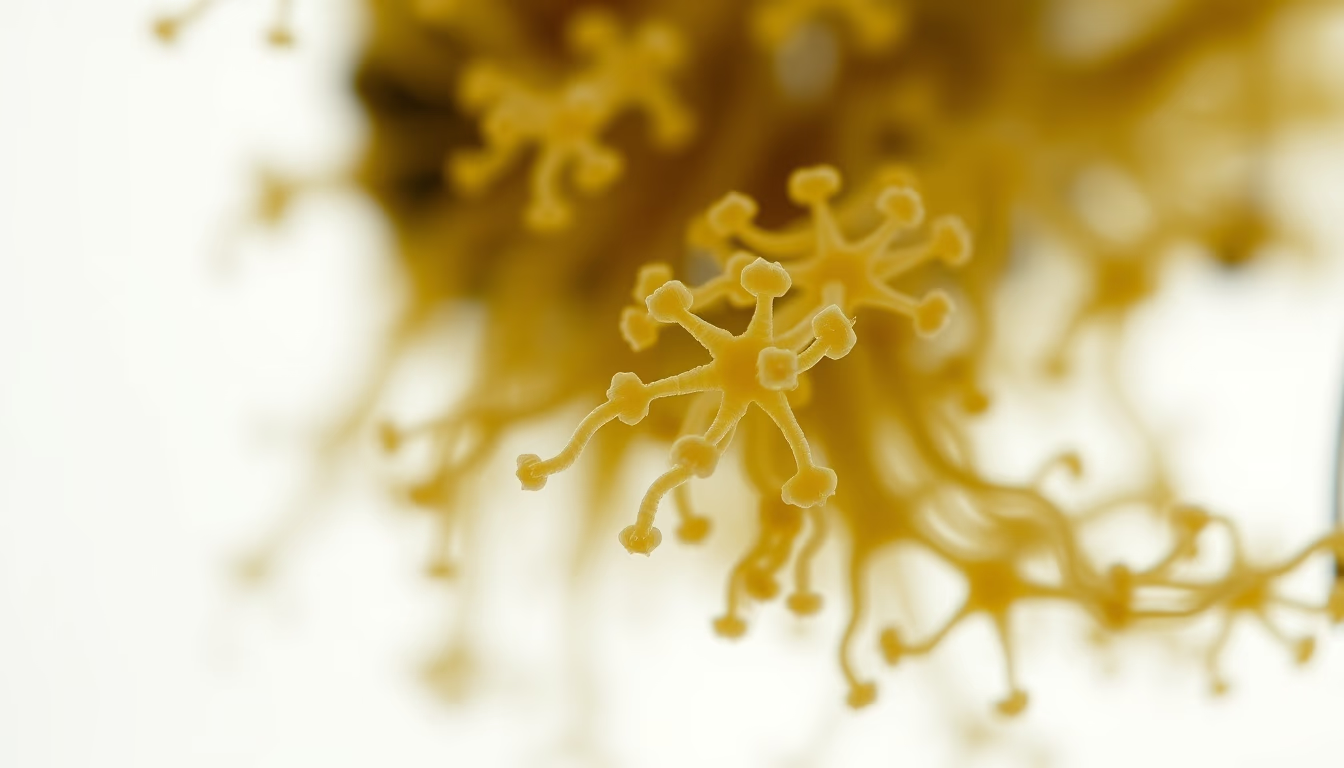
Biofilm bacterial slime
1344×768 · AVIF · CC BY 4.0

Biofilms are microbial communities encased in a protective polymeric matrix, responsible for chronic infections and antimicrobial resistance.
About this subject
Biofilms are complex structures formed by microorganisms, such as bacteria, fungi, and protozoa, that aggregate on solid or liquid surfaces and secrete an extracellular matrix composed of polysaccharides, proteins, nucleic acids, and lipids. This matrix, known as the extracellular polymeric substance (EPS), provides mechanical and chemical protection, allowing the microbes to withstand adverse conditions, including antibiotics, disinfectants, and host immune responses. Biofilm formation is a dynamic process that includes initial adhesion, maturation, and cell dispersal, regulated by quorum sensing mechanisms.
Biofilms are present in diverse natural environments, such as rivers, oceans, and soils, where they perform important ecological roles, including nutrient cycling and pollutant degradation. However, in clinical contexts, they are frequently associated with persistent infections, such as those occurring on catheters, joint prostheses, artificial heart valves, and teeth (dental plaque). Biofilm-related infections are particularly problematic due to their resistance to conventional treatments, often requiring high antibiotic doses or surgical removal of the infected device.
Antimicrobial resistance in biofilms arises from multiple mechanisms: reduced drug penetration by the matrix, metabolic heterogeneity of cells within the biofilm, expression of resistance genes, and the presence of persister cells. It is estimated that over 80% of chronic bacterial infections in humans involve biofilms, including conditions such as cystic fibrosis, chronic otitis media, and infective endocarditis. Recent research focuses on strategies to prevent initial adhesion, such as anti-biofilm coatings for medical devices, and to destabilize the matrix using enzymes or molecules that interfere with quorum sensing.
Frequently Asked Questions
What is a bacterial biofilm?
A bacterial biofilm is a community of bacteria attached to a surface and encased in a protective matrix of extracellular polymeric substances (EPS). This structure confers resistance to antibiotics and the immune system.
Where can biofilms be found?
Biofilms occur in natural environments (rivers, soils, oceans) and on artificial surfaces (catheters, prostheses, pipelines). In medicine, they are associated with chronic infections such as dental plaque and endocarditis.
Why are biofilms resistant to antibiotics?
The biofilm matrix hinders antibiotic penetration, and cells inside may be in a low metabolic state, reducing drug efficacy. Additionally, quorum sensing mechanisms regulate the expression of resistance genes.
Direct URL
https://pub-c7d6a6ea828543ac903a74a341ccb2e1.r2.dev/imagens/biofilm-bacterial-slime-film-grain-authentic-fresh2.avifHow to credit
Include a visible link back to UtilizAí. Copy one of the snippets below:
<a href="https://xn--utiliza-eza.com/en/midia/imagens/biofilm-bacterial-slime-film-grain-authentic-fresh2">Biofilm bacterial slime</a> by <a href="https://xn--utiliza-eza.com">UtilizAí</a>, licensed under <a href="https://creativecommons.org/licenses/by/4.0/">CC BY 4.0</a>.
[Biofilm bacterial slime](https://xn--utiliza-eza.com/en/midia/imagens/biofilm-bacterial-slime-film-grain-authentic-fresh2) by [UtilizAí](https://xn--utiliza-eza.com), CC BY 4.0
License: CC-BY-4.0